Mies van der Rohe Barcelona Pavilion
Built for the 1929 International Exhibition in Barcelona, the Barcelona pavilion was designed by Ludwig Mies van der Rohe, a leading figure in the German architectural avant-garde, as a temporary structure to showcase Germany’s “openness, liberality, modernity and internationalism”.
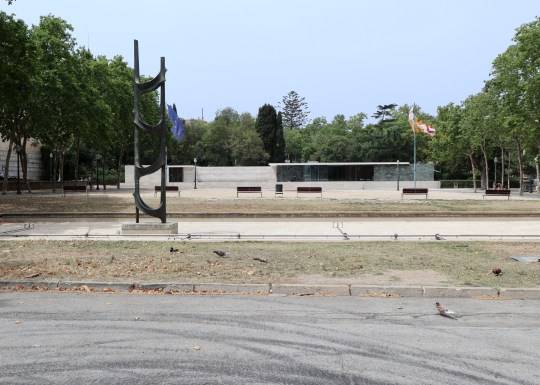
While it was disassembled in 1930 at the end of the International Exhibition, it was meticulously reconstructed on the original site by a team of three architects in 1986 and has been open to the public ever since.
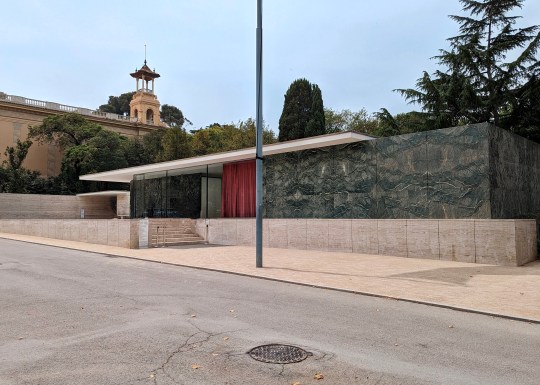

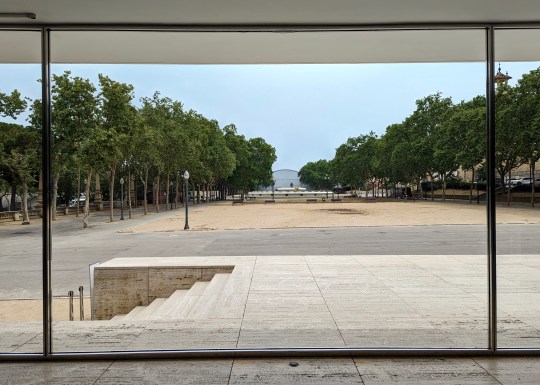
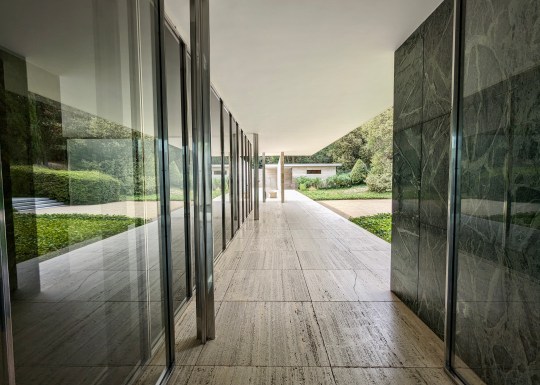
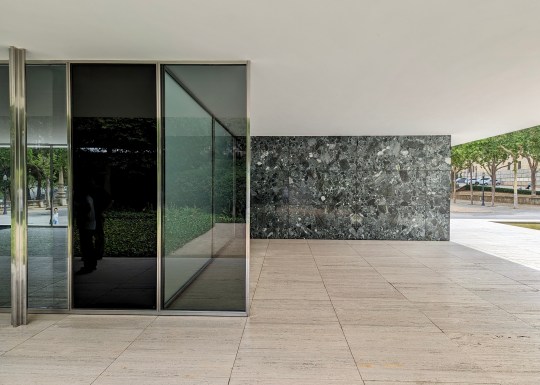
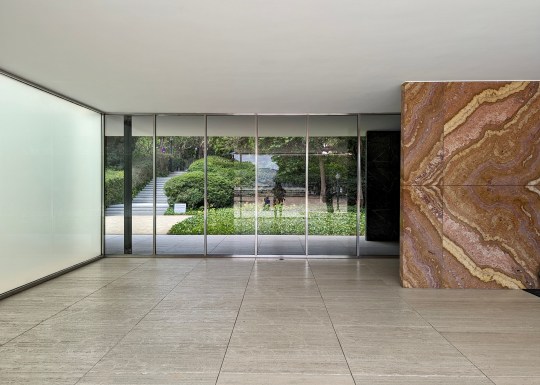
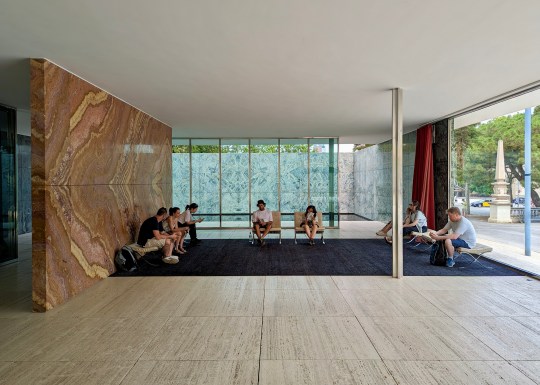
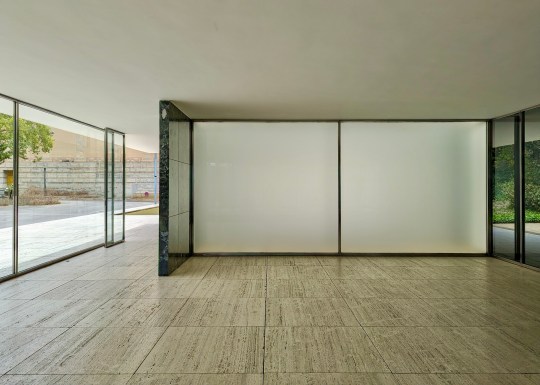
We had a wander around the pavilion during a recent visit to Barcelona. The design consisted of a series of interlocking rectangular spaces constructed of pale travertine marble with occasional walls of luxurious dark green Tinian and warm rust-coloured onyx marble for contrast.
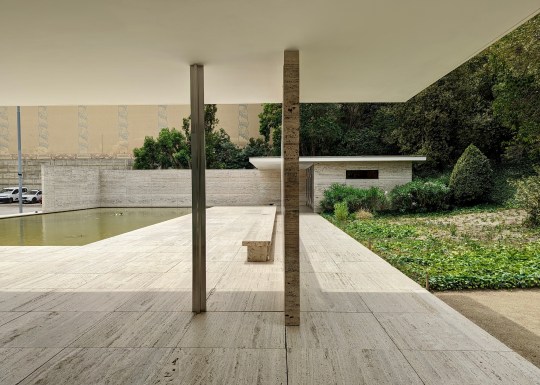
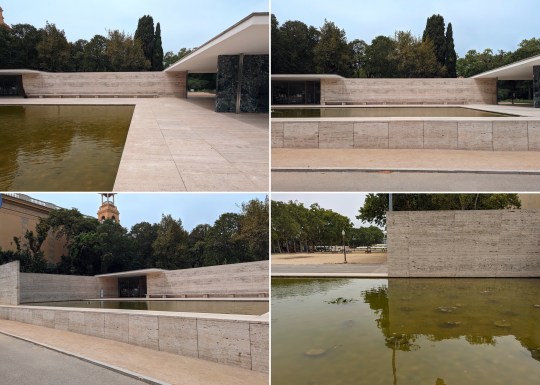
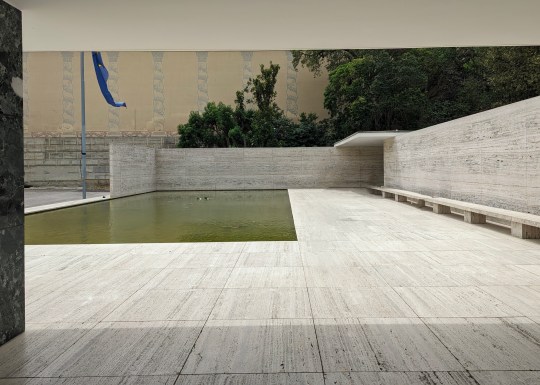
Chrome-plated steel columns and smoked glass panes divided the space into loosely defined rooms, giving the pavilion the feeling of an empty art gallery.
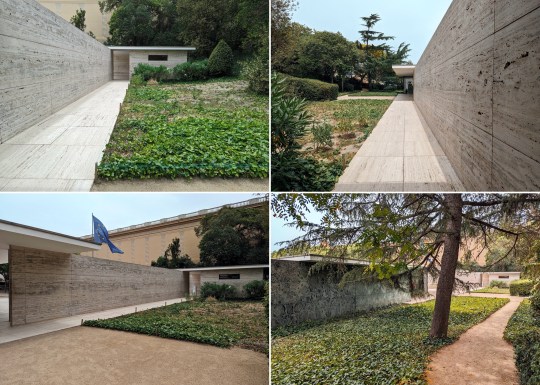
In the front of the pavilion was a large pool lined with pebbles, which looked rather brown compared to images I’d seen online. A second pool was located in in an internal courtyard garden at the rear of the pavilion – this had a glass floor which reflected light up from the bottom and a stylised, classical sculpture of a nude (‘morning’ by Georg Kolbe) standing in the corner, positioned in such a way that meant it could be seen from most angles when standing in the pavilion.


The pavilion was almost completely unfurnished except for the iconic Mies van der Rohe Barcelona chairs and stools, which I now mostly associate with corporate waiting areas. These chairs were reportedly designed to be used as thrones for the Spanish King and Queen when the German Ambassador received them.
 Modernist Pilgrimage