Western Garden Cities, Amsterdam
Having visited the Rietveld Schröder and Van Ravestyn houses in Utrecht, we moved on to Amsterdam.

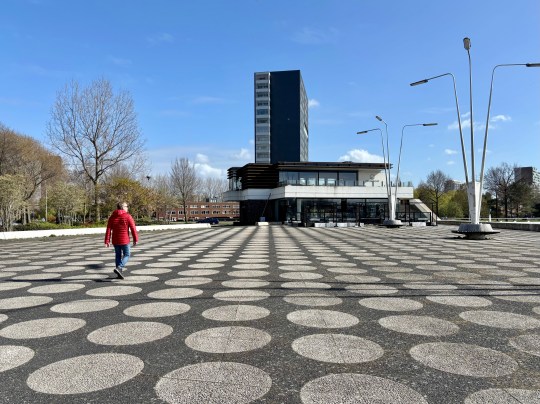
A short tram ride west from the centre of the city was Westelijke Tuinsteden (the Western Garden Cities), an ambitious post-war housing development that was as much an open-air museum as it was a living neighbourhood – I’d never seen anything quite like it.
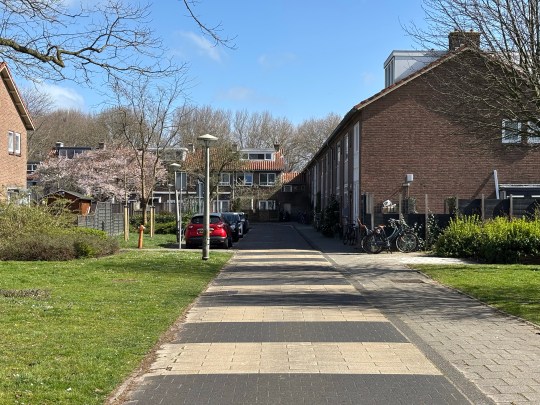
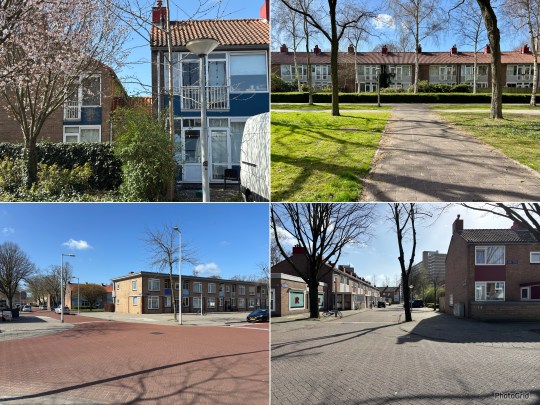
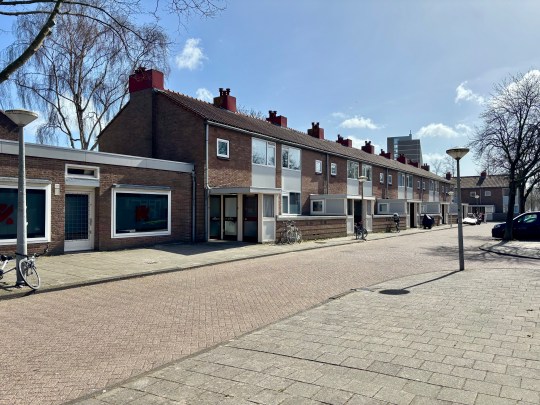
Planned in 1935 by urbanist Cornelis van Eesteren under the General Extension Plan, the Garden Cities were built to answer Amsterdam’s chronic housing shortage and shaped around the principles of light, air and space, conveying the optimism of a post-war generation that believed good housing could transform not only a city, but the people who lived within it.
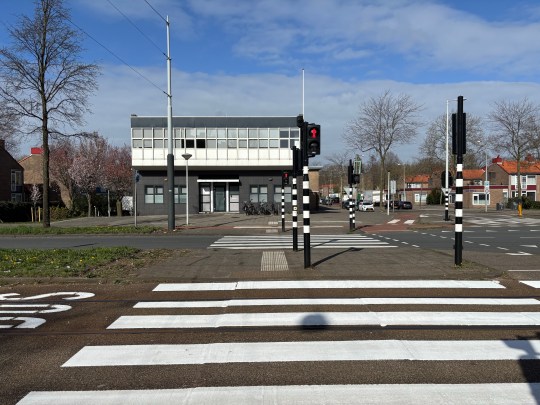
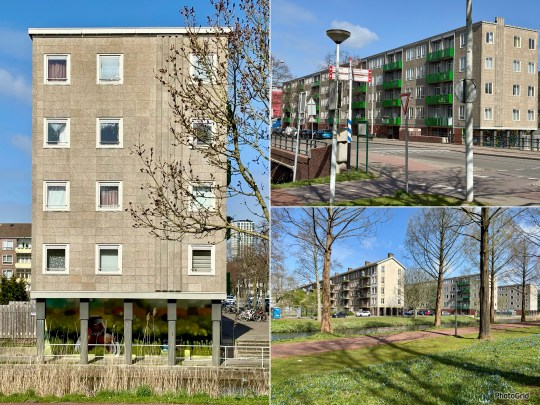

Laid out on a generous scale with broad avenues, landscaped courtyards and housing blocks carefully positioned to catch the sun, the district became home to around 100,000 residents in the 1950s and 60s. A river ran through the suburb, threading water and greenery through the urban space.


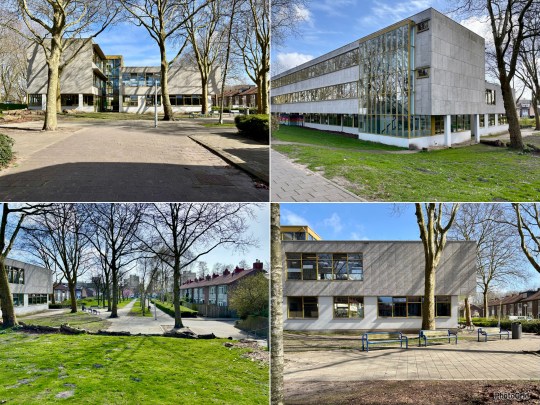
The architecture was varied and experimental while still maintaining a cohesive style overall. Slab blocks and duplex houses stood beside bold public buildings including a 1950s H-shaped school and a striking brutalist yellow-trimmed building.


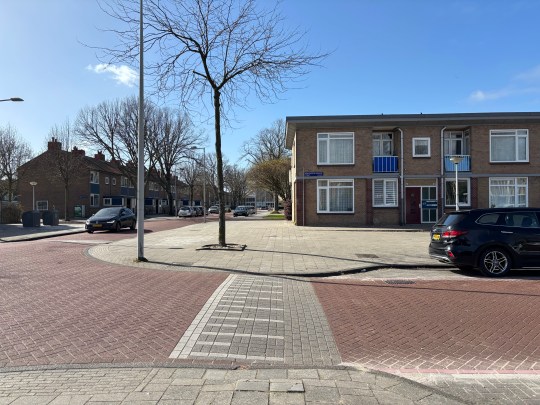
A tour conducted entirely in Dutch (I had no idea what was going on at the time) took us around the neighbourhood, which looked well cared for with well maintained gardens and all facades intact.


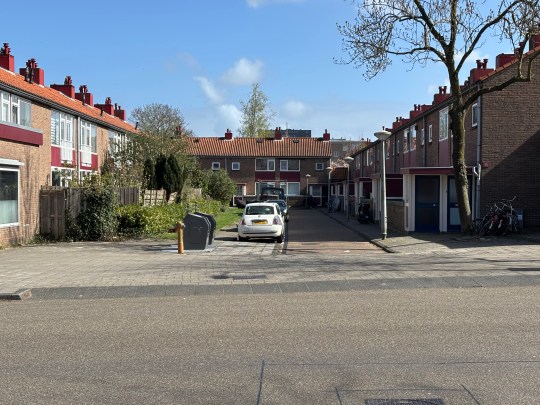
A restored flat maintained by the Van Eesteren Museum apartment on Freek Oxstraat showed how the principles of the Garden Cities extended to interior domestic spaces.

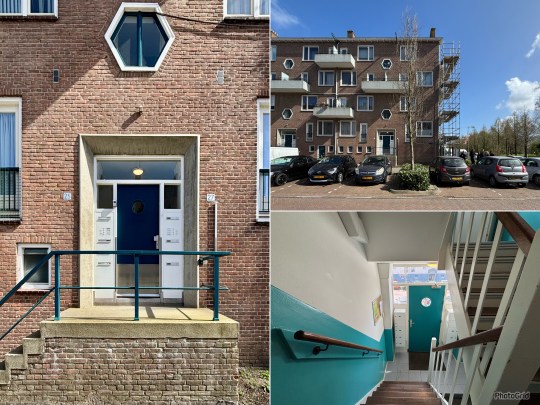

The apartment, a modest 40-square-metre duplex, was arranged on two levels, with the entrance on the upper floor.
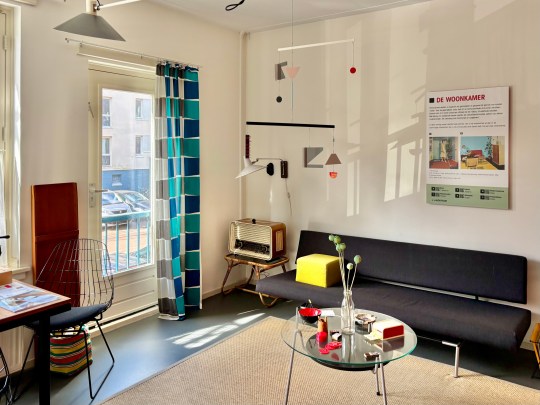


This opened onto a living room with wide window, a compact but modern kitchen (for the time) and a separate dining room – a distinction unusual in Dutch working-class housing at the time, where families had often eaten and lived in the same cramped space.


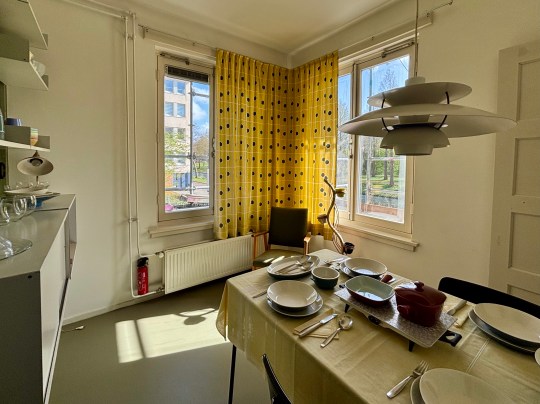
A staircase led down to the apartment’s more private quarters: a handful of bedrooms and a bathroom, modest in size but laid out with efficiency.


The design and decor of the apartment reflected the principles of Stichting Goed Wonen (the Association for Good Living), a foundation created after the Second World War by designers, architects and shopkeepers determined to teach people how to live well in their new homes.
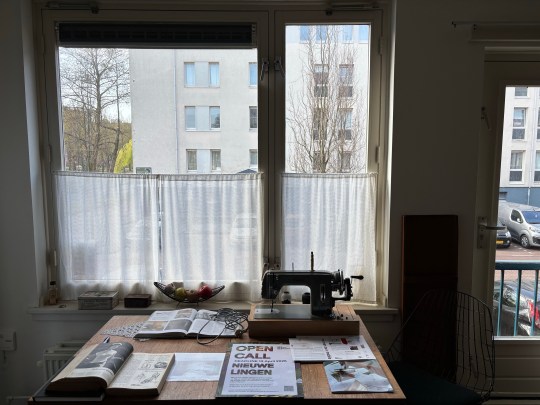
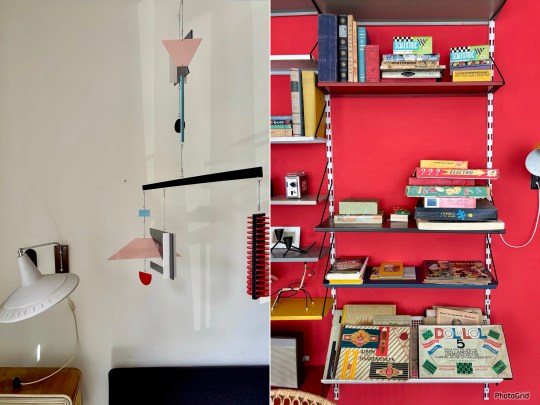
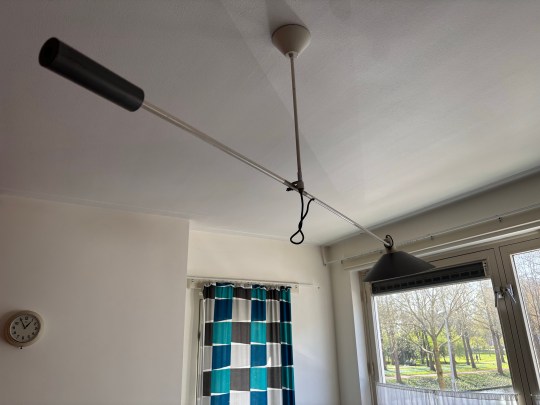
Replacing the dark, heavy interiors of pre-war slum housing consisting of rooms crammed with carved wardrobes, velvet curtains and knick-knacks, the Stichting Goed Wonen aesthetic involved easy to clean bare lino floors, simple furniture (many designed by Premsela) lightweight enough to fold and move, built-in cupboards to keep clutter hidden and large windows to let daylight in.

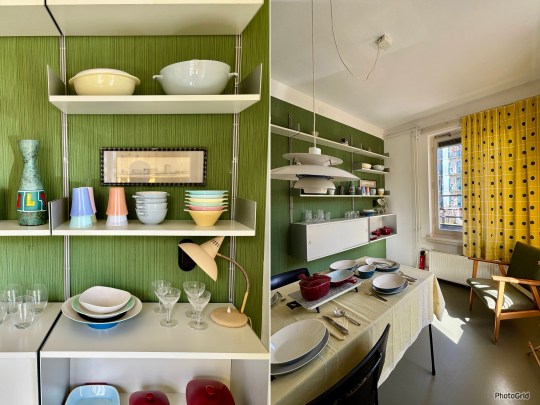
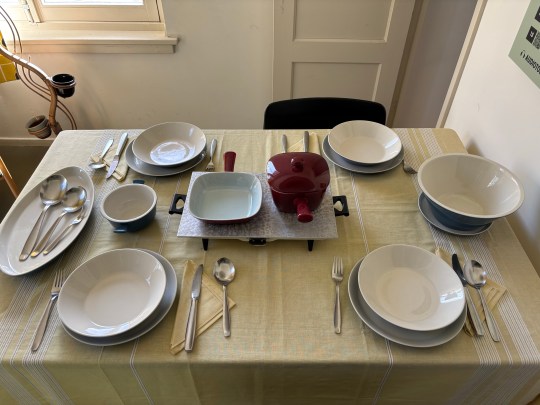
Every element was chosen to be functional, hygienic and modern and it was believed that this would nurture healthier, more forward-looking citizens. By the 1960s, these ideals had become fashionable, influencing not only housing but wider lifestyle and culture. The Goed Wonen philosophy even helped inspire the DNA of IKEA, with its emphasis on affordable, adaptable furnishings for the “common man.”


 Modernist Pilgrimage