Category: Property Search
Central Hill Estate, Crystal Palace SE19
It looks like this Ted Hollamby-designed estate is going to meet the same fate as Cressingham Gardens, which I visited last year (i.e. bulldozing is imminent). This is another great shame but having wandered around it, It’s not difficult to see why.
Architecturally, it’s interesting, with all of the hallmarks of a low-rise Ted Hollamby estate. There’s a range of dwellings, ranging from one-bedroom flats through to four-bedroom houses, constructed in variety of unusual shapes (triangular pitched roofs, stepped balconies, perfect cubes) and materials (mostly grey slate, limestone-coloured brick and concrete).


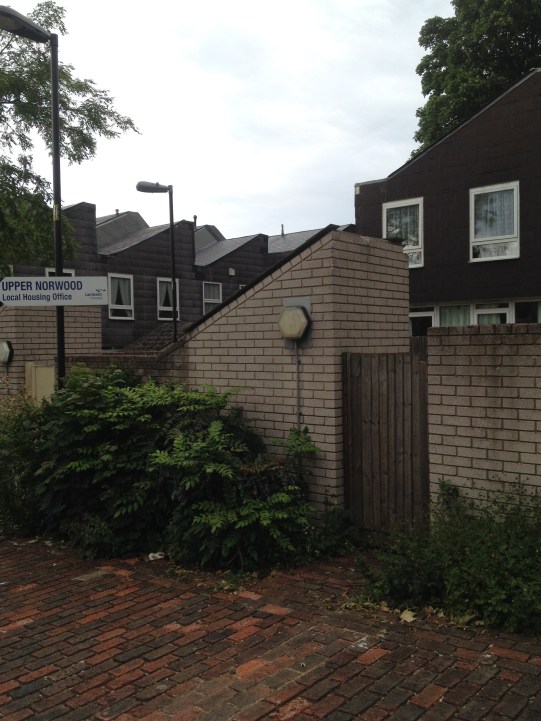


Unlike Cressingham Gardens, which is built on a large, mostly flat site surrounding a low mound, the Central Hill Estate has been built on a very sloping site with pedestrianised walkways and stairways snaking up and down and between the buildings. The other difference from Cressingham Gardens is the fact that Central Hill Estate has clearly not been managed or maintained properly over the years and has descended into moderate disrepair. It all seems a bit stained and broken (some of the glass balconies were literally broken) and really could do with refurbishment.


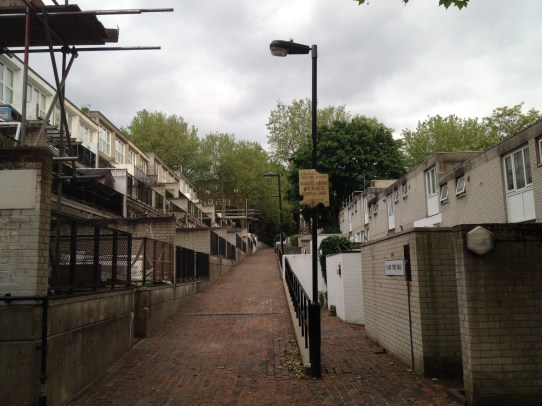
Unfortunately, given the prime location that the Central Hill Estate occupies (right next to the the now-trendy Crystal Palace triangle), it’s unlikely to be refurbished for the benefit of the mostly local authority tenants. Instead, it’s likely to be replaced with a bland new build development for private owners with a small wing of local authority housing tacked to the side.
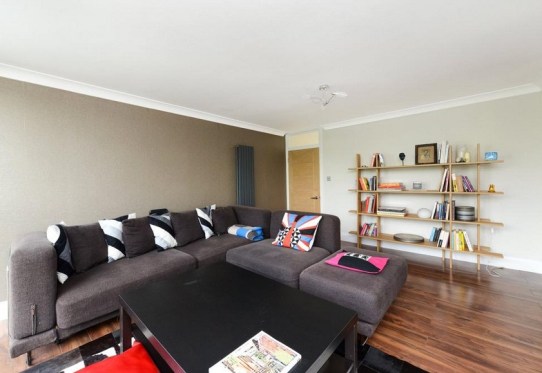
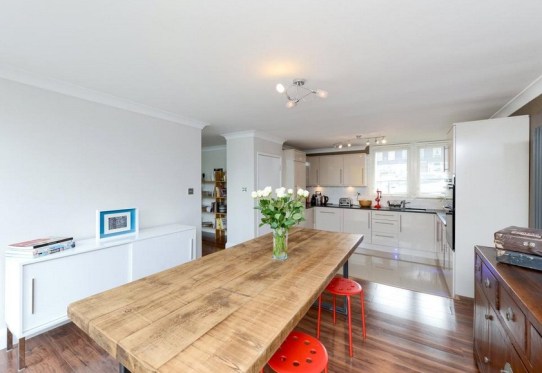
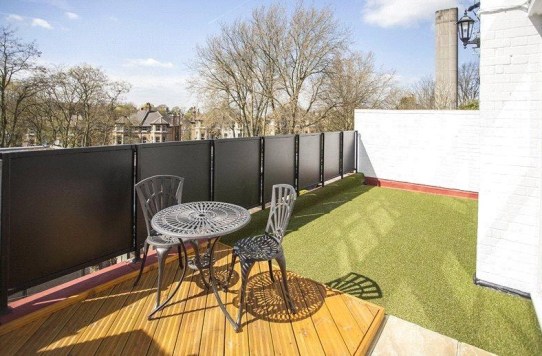
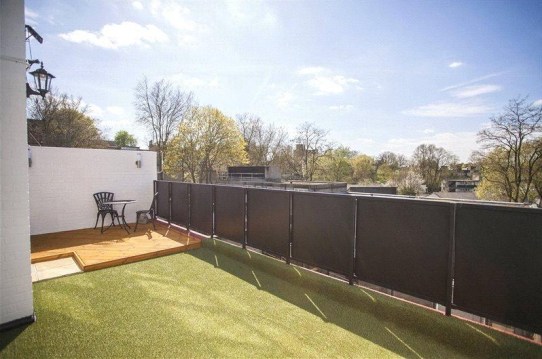
Based on previous estate agent listings (and some current ones though I can’t think who would want to buy a property that has been earmarked for “regeneration”), the interiors of the flats look really quite nice. They seem to be spacious and light-filled with decent balconies or terraces. Here is an example of a four-bedroom house, which was on for something very reasonable (around £420k, if I remember correctly).

Park Court, Sydenham SE26
Park Court
Sydenham SE26
Modernist 1930s private development
Architect: Frederick Gibberd
Year Built: 1930s
After thinking about moving to Crystal Palace for a while but doing very little about it, I have finally put my flat on the market and have begun hunting for a modernist flat in the Crystal Palace area in earnest.
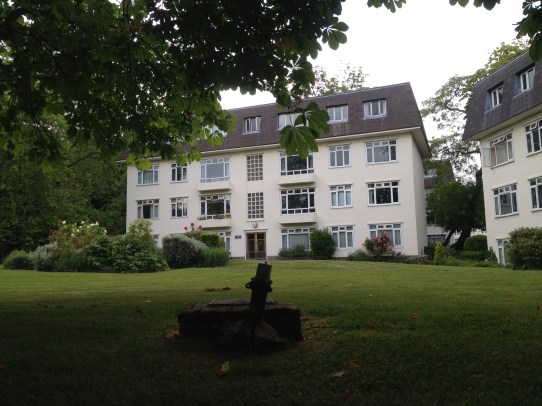
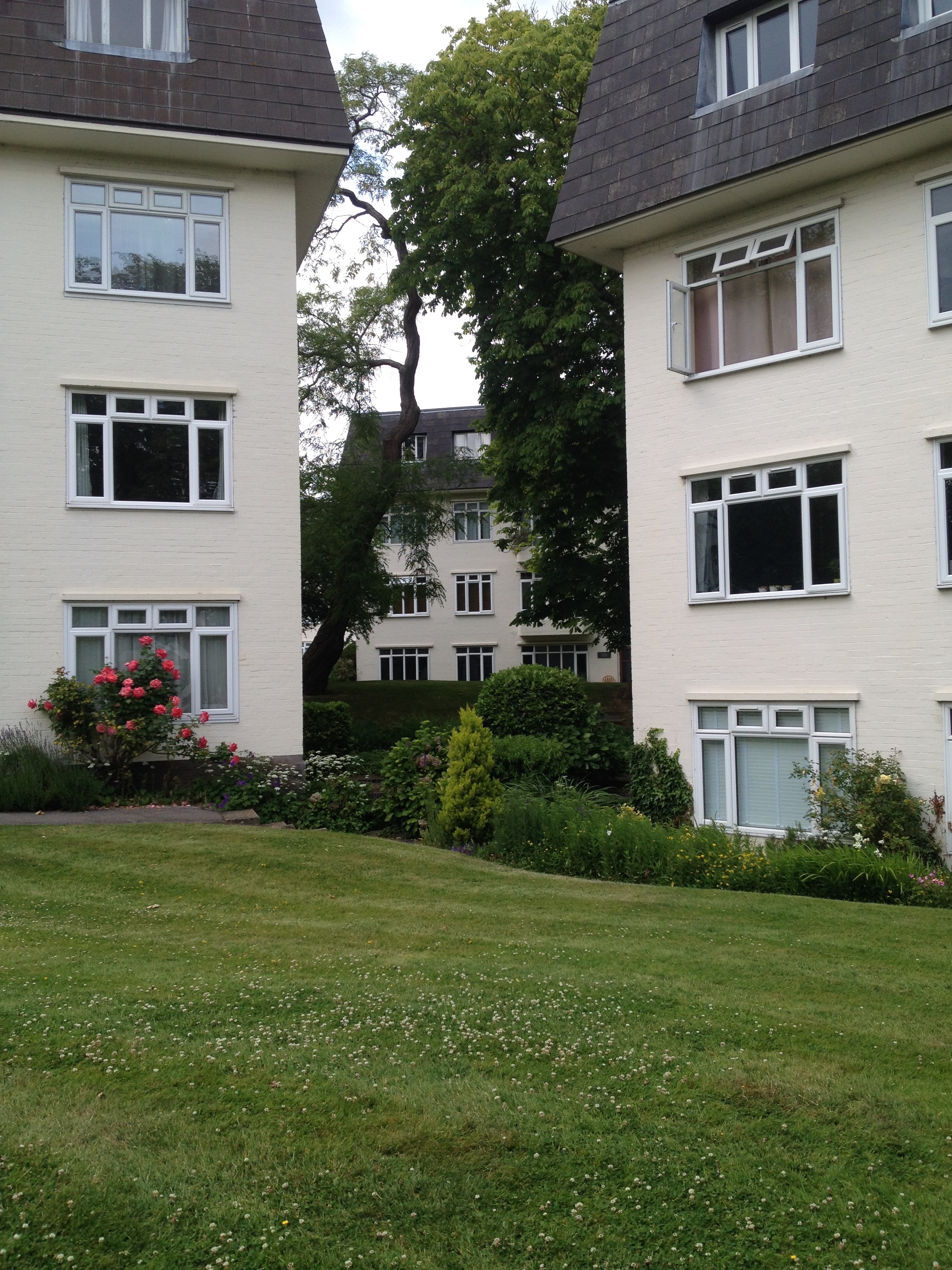
One of my top choices is Park Court, an elegant modernist development in Sydenham, just to the east of Crystal Palace Park. Designed in the 1930s by Frederik Gibberd (best known for the beautiful Pullman Court in Streatham), the development is made up of seven low rise blocks surrounded by perfectly manicured communal gardens. The flats originally had an elegant (and quintessentially modernist) flat-roofed design but this was slightly marred by the addition of a layer of “Mansard” flats at the top of the buildings in the 1980s.

I have fantasised about living in Park Court ever since I saw this particularly attractive example of a flat in the block on Rightmove last year. This flat was on the second floor, forming part of the original development and appeared to have most of the original 1930s features intact including the original cornicing, dividing archway between living and dining areas and that beautiful pillar.
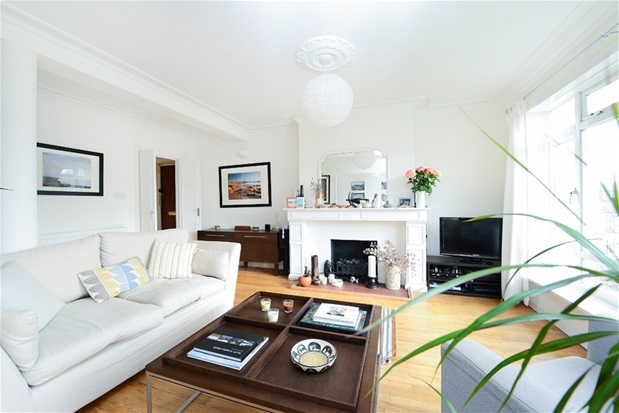
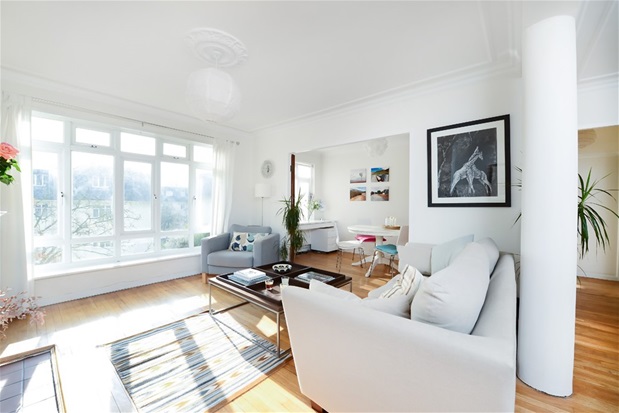
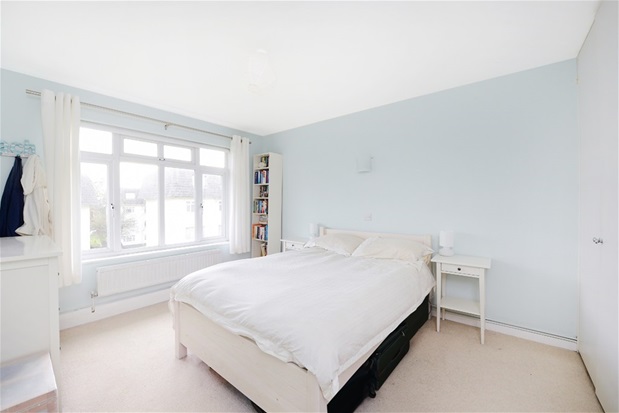
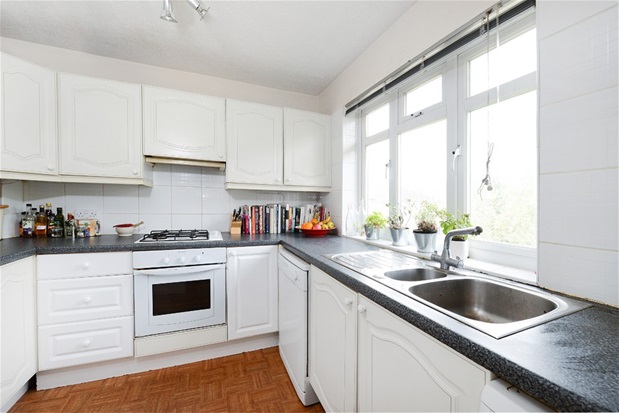
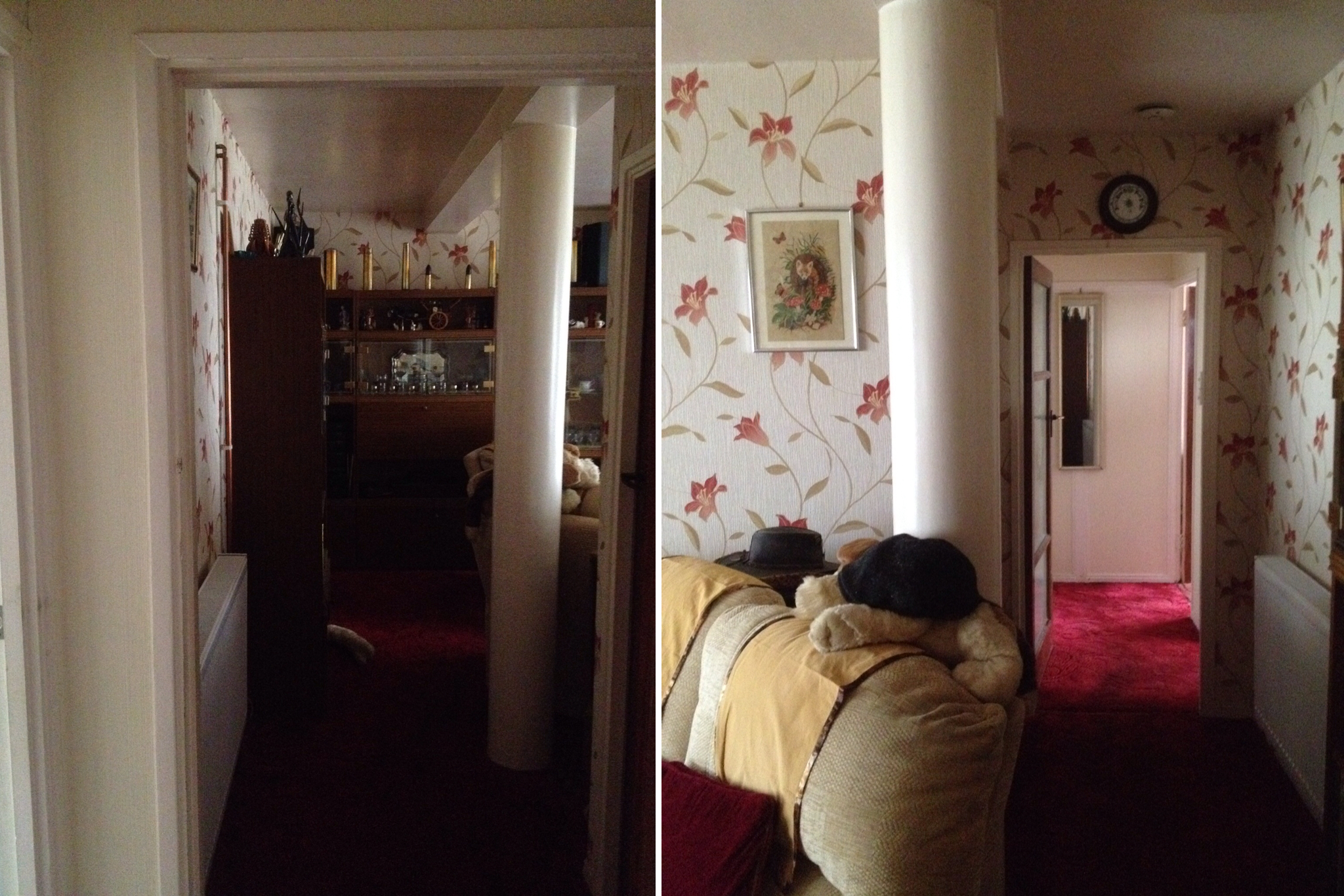
Unfortunately, the flat that I ended up viewing did not live up to the fantasy. Being on the ground floor, it was a bit dark, not helped by the fact that the existing occupant had a lot of things. Unlike the airy, whitewashed fantasy flat (which in fairness had probably been misleadingly photographed), this ground floor flat also felt quite cramped.


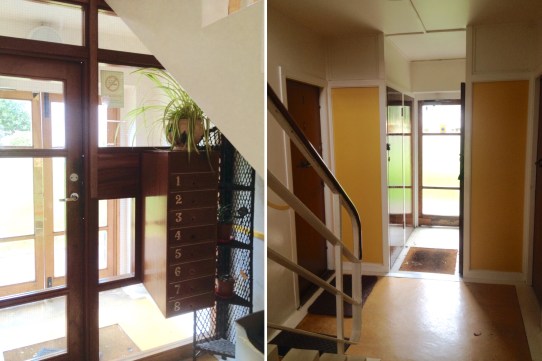
One unappealing flat hasn’t been put off the development entirely, however. The communal hallways and grounds seemed pretty charming and the surrounding area was nice and leafy.
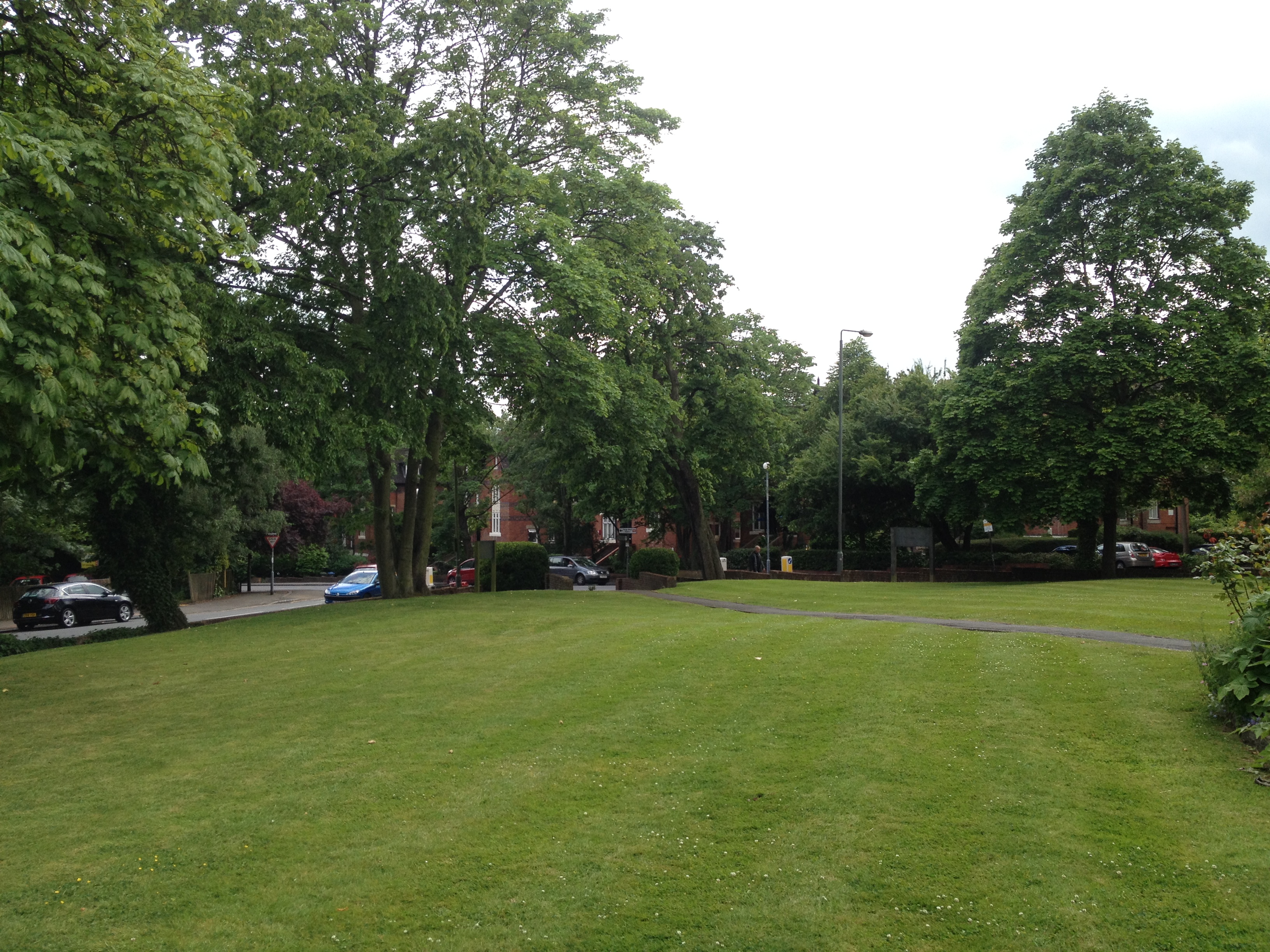
Flats in the development rarely become available but if one that looks like the fantasy flat pops up for sale (on the second floor please), I will be making an offer.
Raleigh Court, Crystal Palace SE19
Raleigh Court, Crystal Palace SE19
Apartment block forming part of Dulwich Wood Park estate; winner of Civic Trust Award 1964
Architect: Austin Vernon & Partners
Year built: 1959
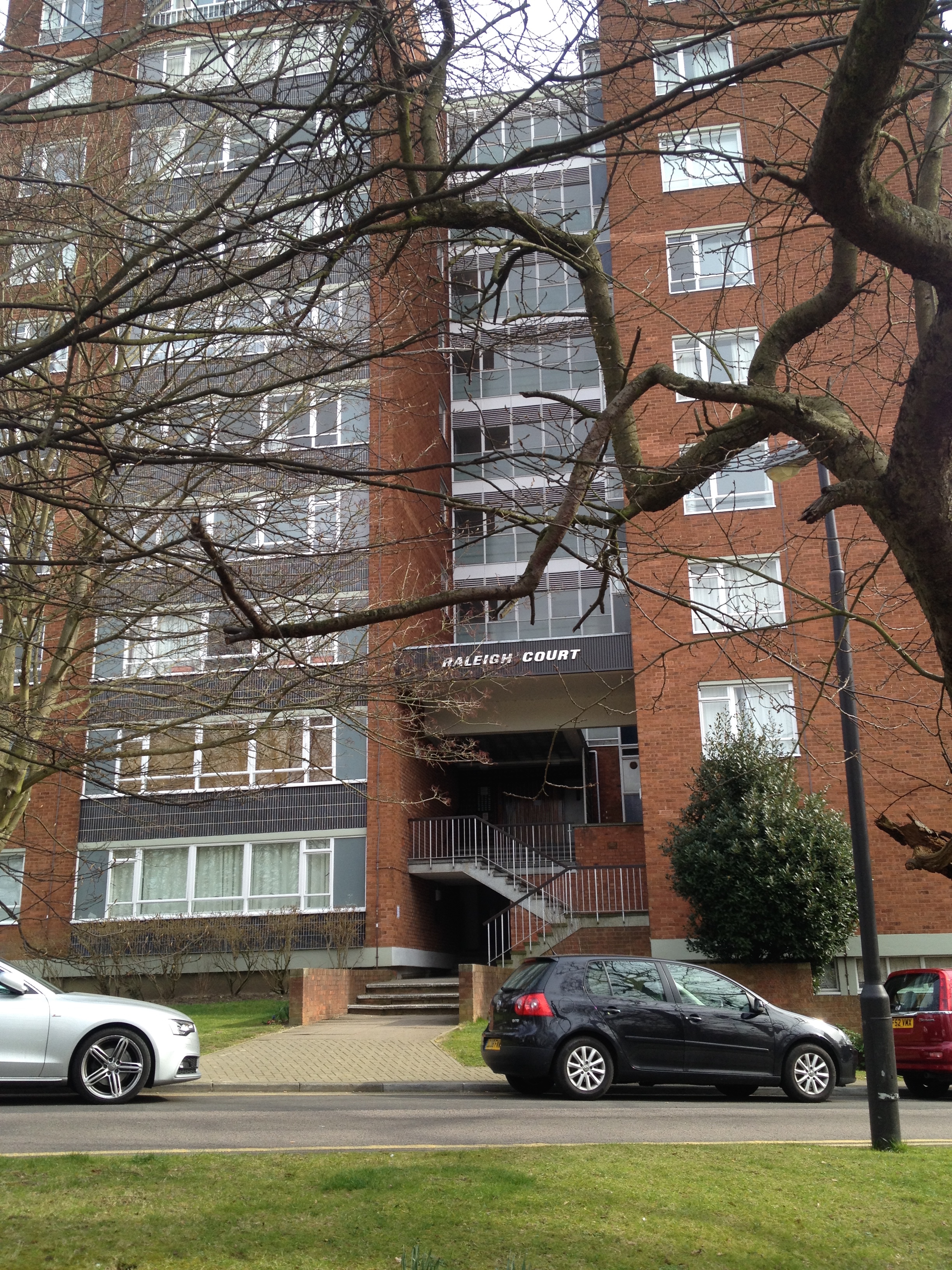
I’ve been contemplating a move to Crystal Palace for a while: it’s leafy, only half an hour from my office, relatively affordable (though probably not for long) and most importantly of all, seems to be peppered with modernist properties such as this Austin Vernon & Partners-designed estate. Raleigh Court is one of seven high-rise apartment blocks clustered on a hilly patch of land halfway between Crystal Palace and Gipsy Hill. The apartment blocks, together with some similar-looking townhouses at the foot of the hill, form part of the Dulwich Wood Park Estate, a collection of developments built in South East London in the late 1950s.
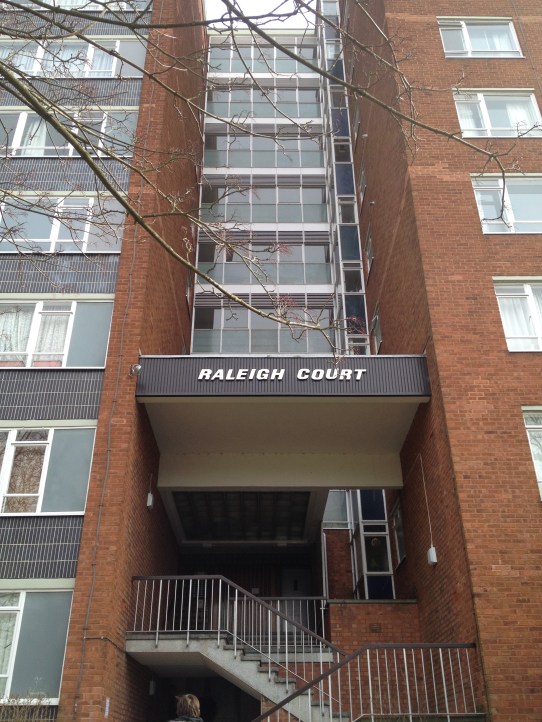
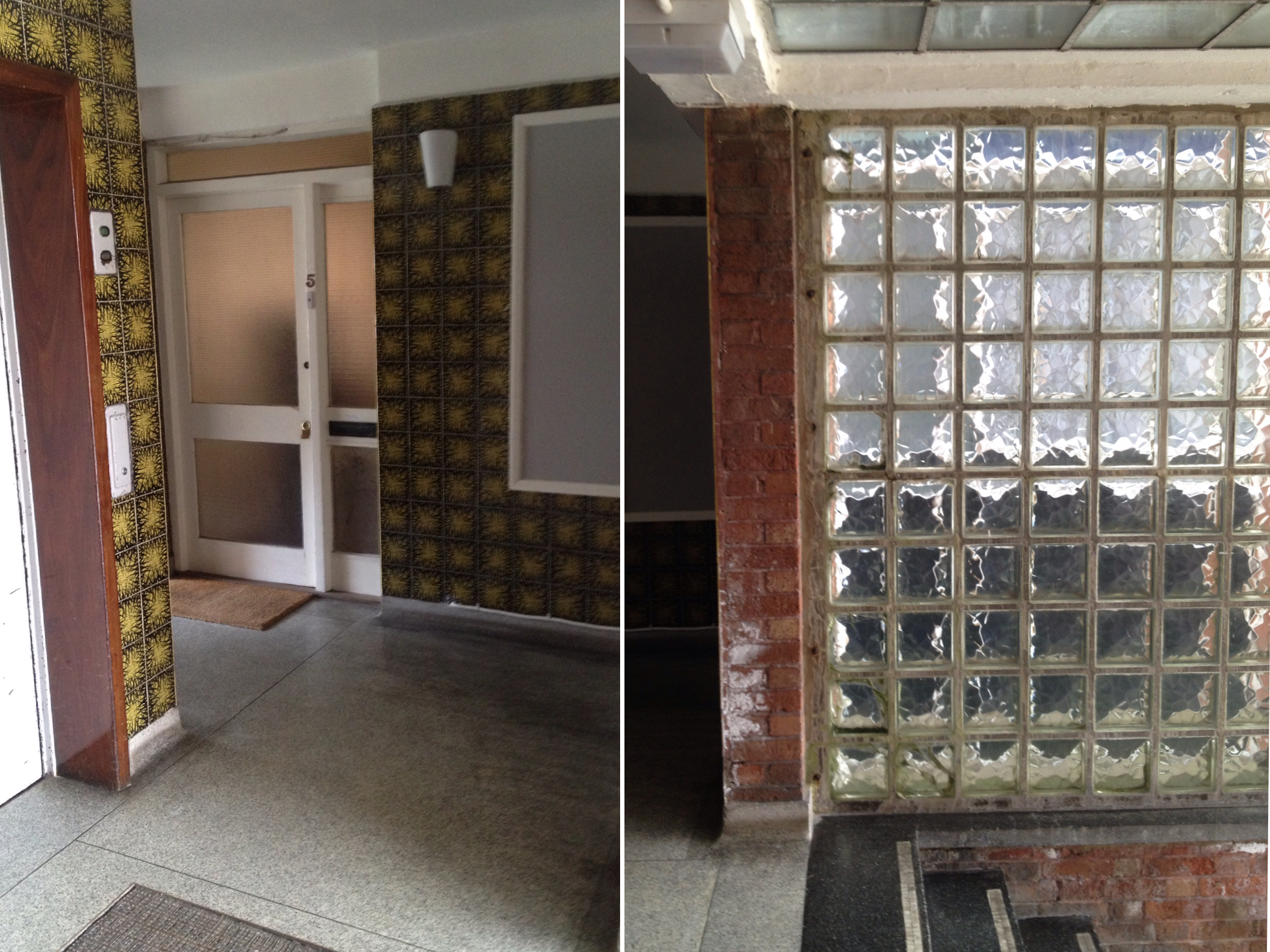
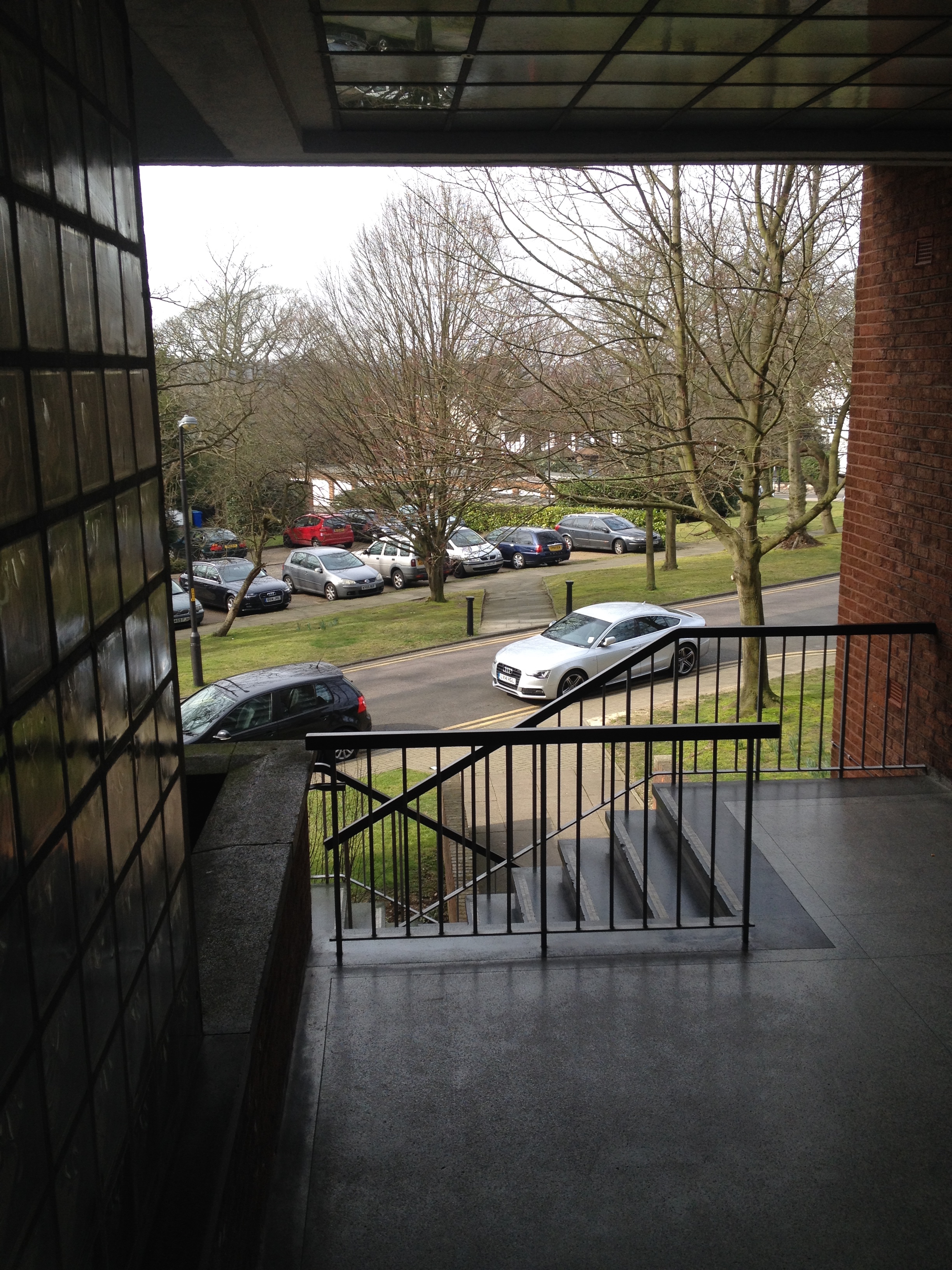
The apartment blocks are not Grade-listed but efforts seem to have been made (most likely by the Dulwich Estate which owns and maintains the Dulwich Wood Park Estate and a militant Residents’ Association) to preserve the original character of the grounds and the exterior facing elements of the flats: there’s a notable absence of uPVC windows and things like door fittings appear to be original. The heavily stylised communal areas, decorated in various shades of green, 1950s patterned tiling and teak panelling, have also been preserved but could in all honesty do with a bit of a spruce up: the overall appearance is retro and shabby rather than glamorous. The same goes for the original, slightly juddering 1950s lift.
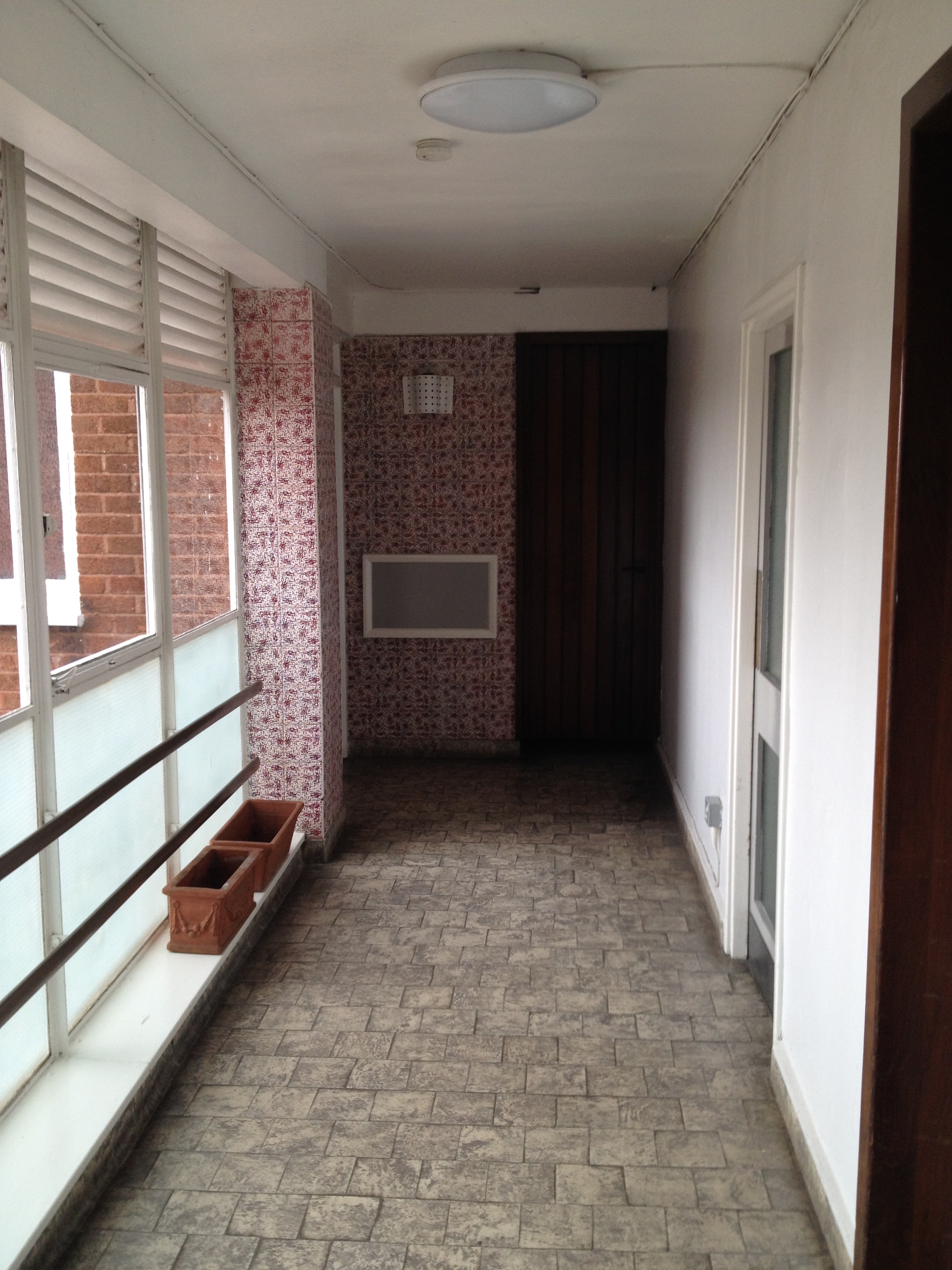
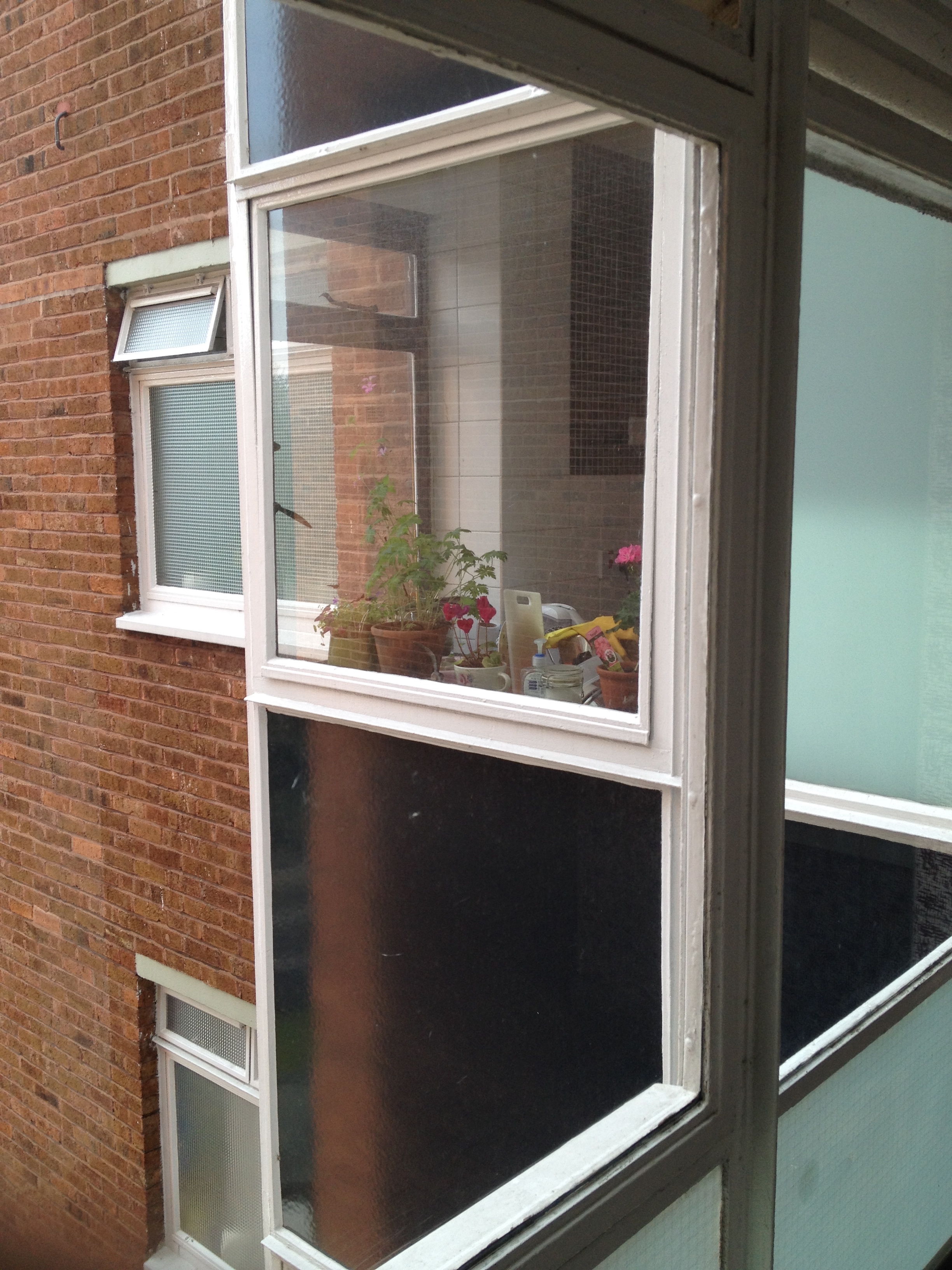
The flat that I viewed was a large 2-bed on the 6th floor. It was laid out in the standard configuration for 2-beds on the estate: entrance hall opening into a large open plan living/dining room with the original steel-framed window spanning almost the entire length of the long wall and bedrooms of equal size at the back of the flat. The original teak flooring and built-in storage were present and correct but the the bathroom suite looked a bit 80s and the kitchen looked a bit early 00s (neither particularly good eras for design). The high ceilings, open layout and large footprint (around 75 sq metres) contributed to an overall sense of space.
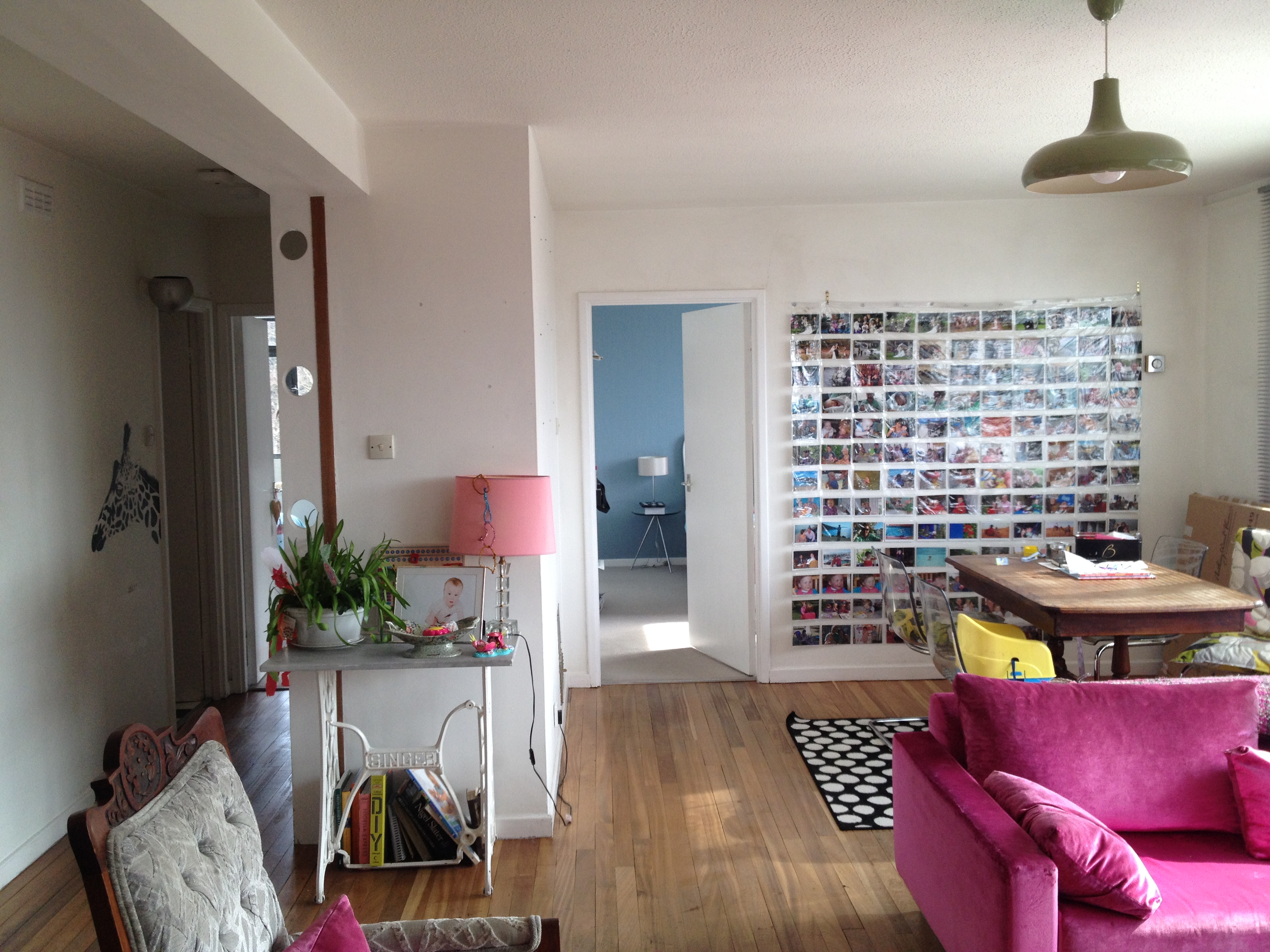
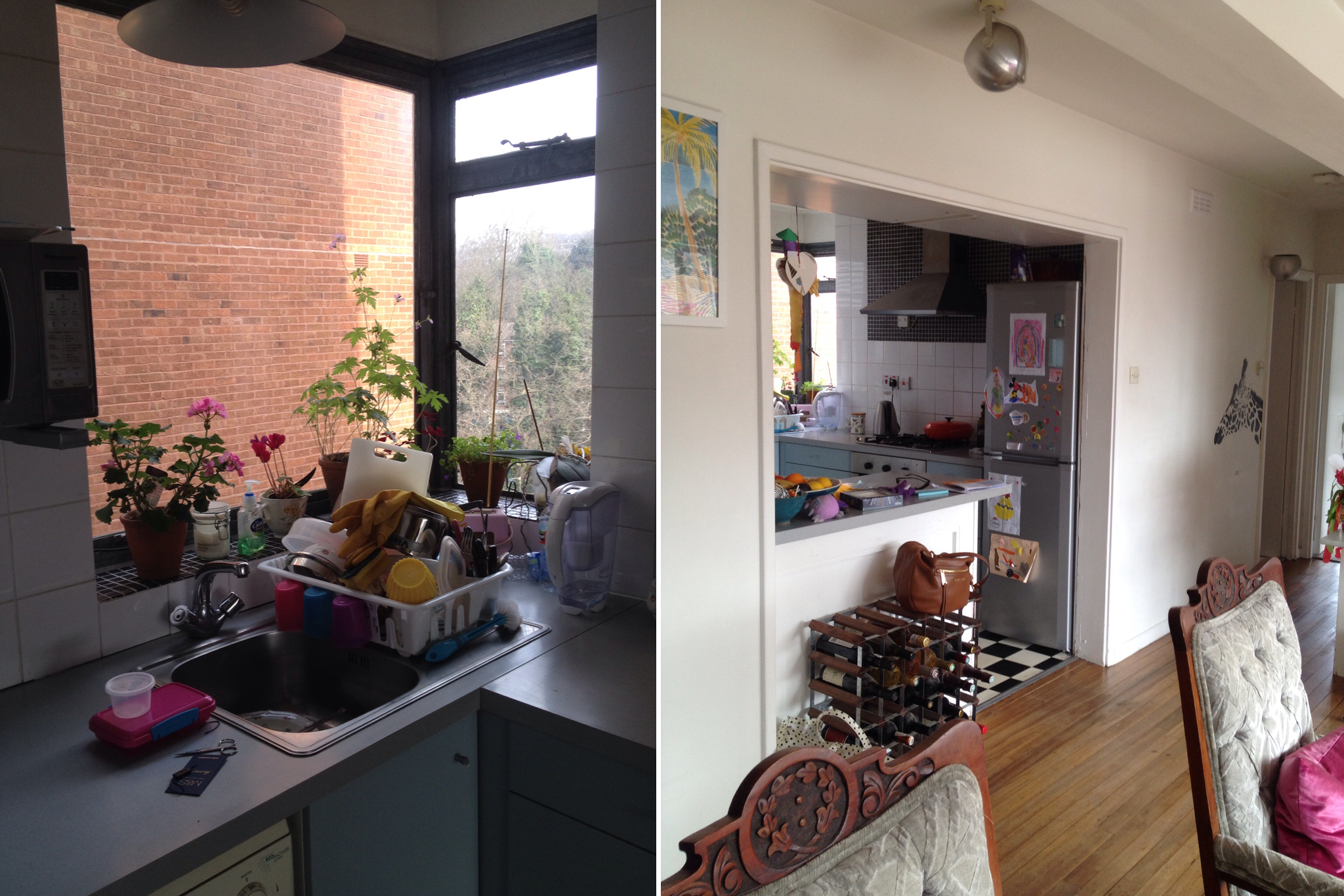
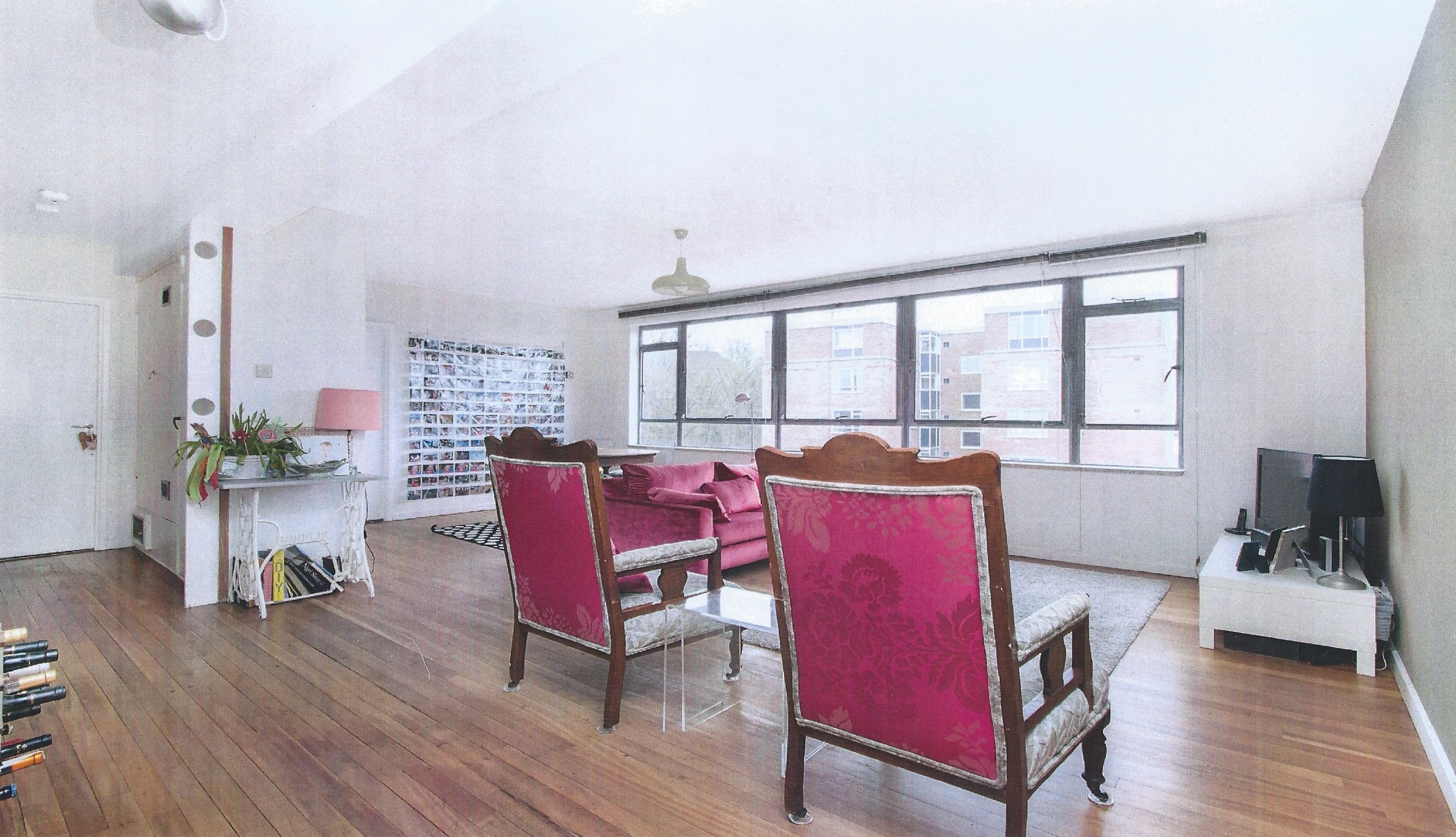
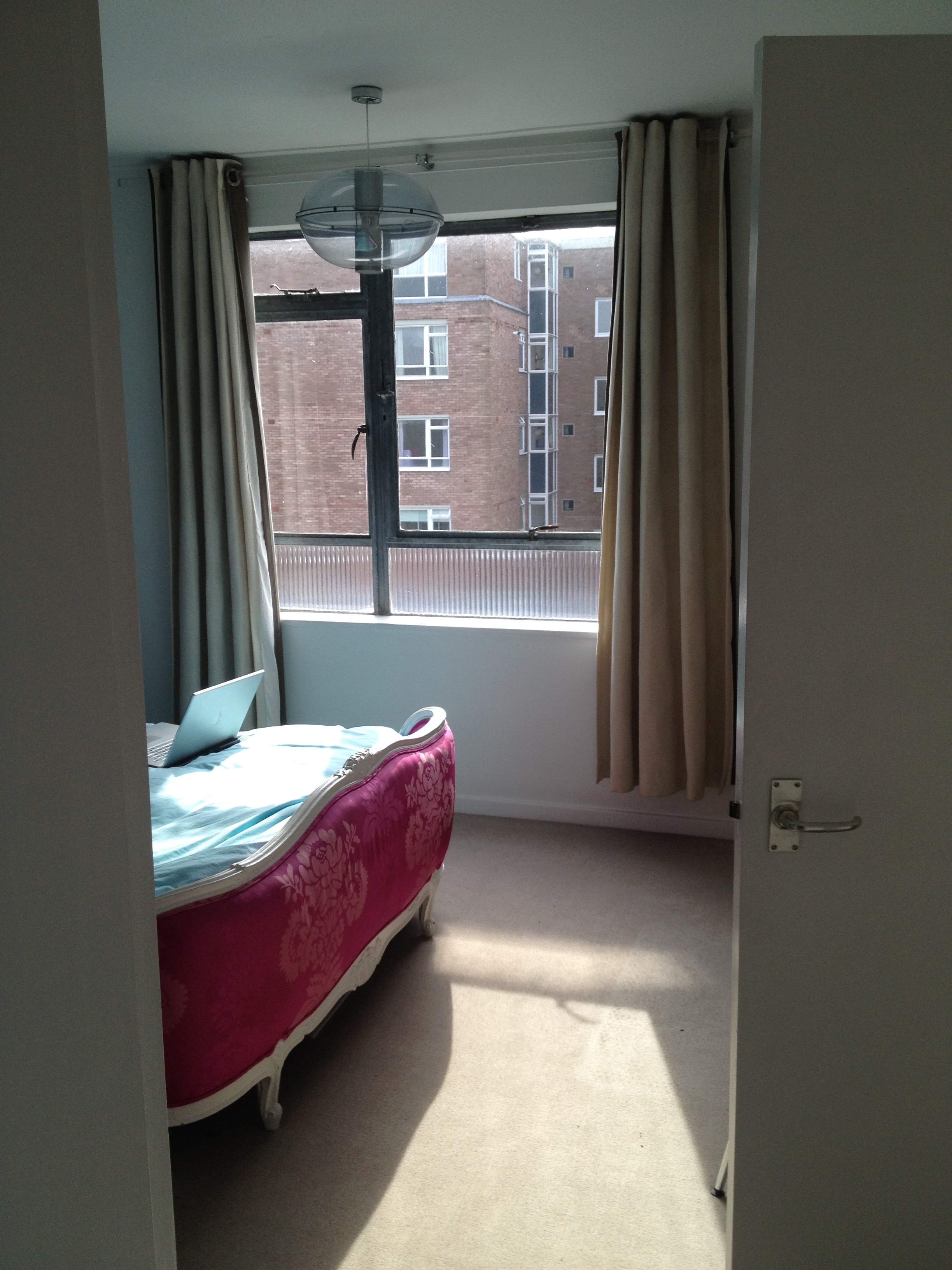
The views from this particular flat were a bit of a mixed bag: even though the flat was on the 6th floor and consequently pretty high up, the positioning on the estate meant that there was a direct view into more than one of the other blocks. That said, there was a pretty magnificent view of the hills of Crystal Palace (and beyond) from the living room window – but only from particular angles.
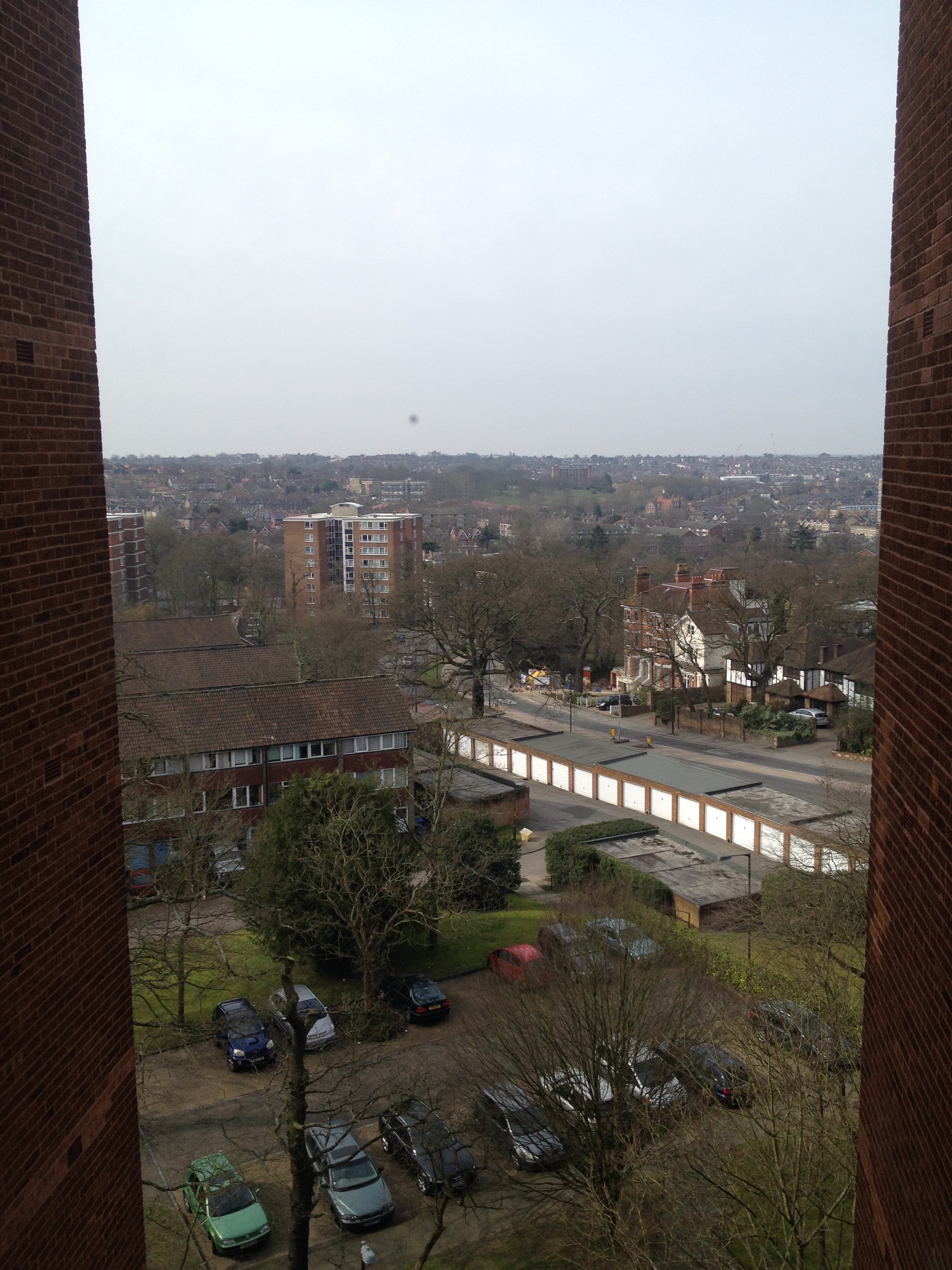
The flat was tenanted at the time of the viewing and was consequently looking a bit careworn but the potential was evident. The website modernistestates.com has featured some flats on the estate with almost exactly the same layout refurbished/restored to their full potential:
http://www.modernistestates.com/post/52384497065/2-bedroom-flat-frobisher-court-sydenham-rise
http://www.modernistestates.com/post/53095857451/jim-green-marlow-court-crystal-palace-se19-we
Property values, unsurprisingly, have risen exponentially over the past few years (and certainly at a faster rate than properties in my current area). Annoyingly, I would have been able to comfortably afford a flat on the estate at the time I bought my current flat but that’s no longer the case.
Parkleys, Ham
Parkleys, Ham, Richmond-upon-Thames
Grade II listed Span development
Architect: Eric Lyons
Year built: 1954-1955
If Ham wasn’t so ridiculously inaccessible, I would seriously consider trading in my current place for a flat on this estate.
Built in the mid-1950s and Grade-listed in 1998, the Parkleys estate consists of around ten flat-roofed blocks in either a three-storey H-plan configuration with a central entrance stairwell or a two-storey terraced configuration, enclosing shared courtyards. The flats have large timber windows which span the length of the flats continuously (and which mercifully cannot be ripped out and replaced with uPVC due to the Grade listing) and distinctive concrete tile-hanging. The estate is lushly planted with retro-looking foliage and despite the styling being very much of its time, the quality of the design means it holds up today as a fine example of preserved modernist architecture rather than just looking a bit sad and dated.
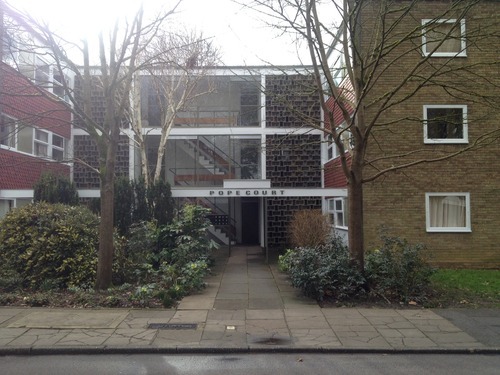
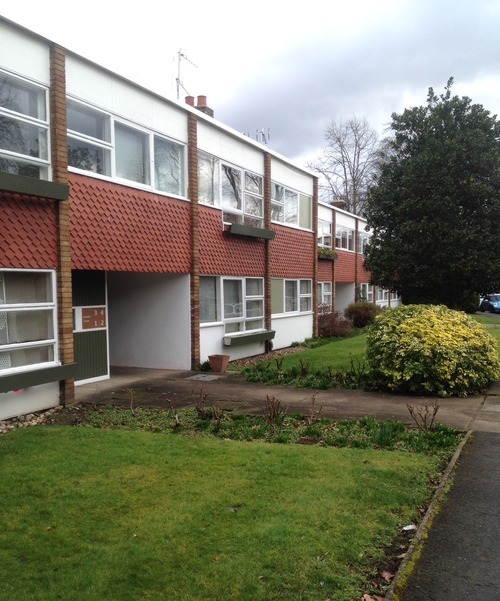
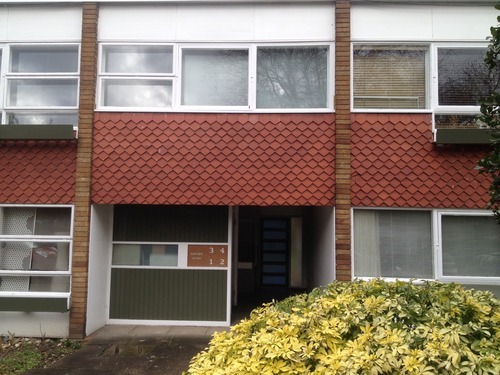
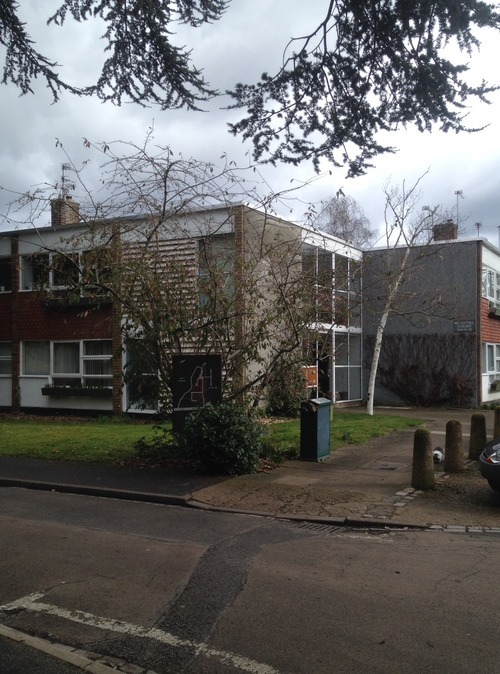
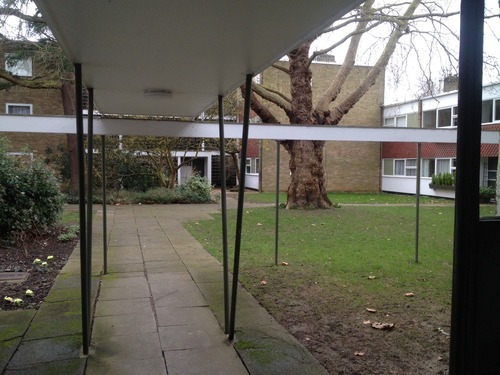
There were two flats I viewed, one of which had a lot of potential and another which was a non-starter.
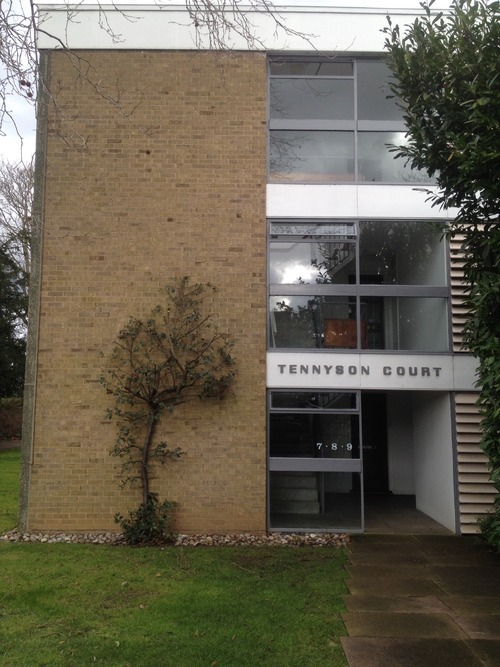
The good one was a generously-sized 2-bed on the top floor of Tennyson Court, one of the first blocks built on the estate overlooking Ham Common but sadly missing that beautiful central entrance stairwell configuration present in the rest of the blocks. The flat itself was nicely laid out with a large living room and adjoining dining area, separable by concertina doors. Most of the original features were present and correct with the notable exception of the kitchen and bathroom, which looked like they had been replaced in the 1970s. I found out, however, that having an original kitchen is actually a bit of a poisoned chalice: as you’re not allowed to replace them due to the Grade listing, this makes the flat more difficult to sell and consequently reduces the value as the 1950s styling isn’t to everybody’s taste.


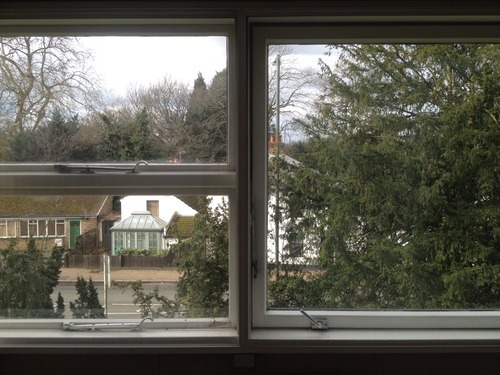

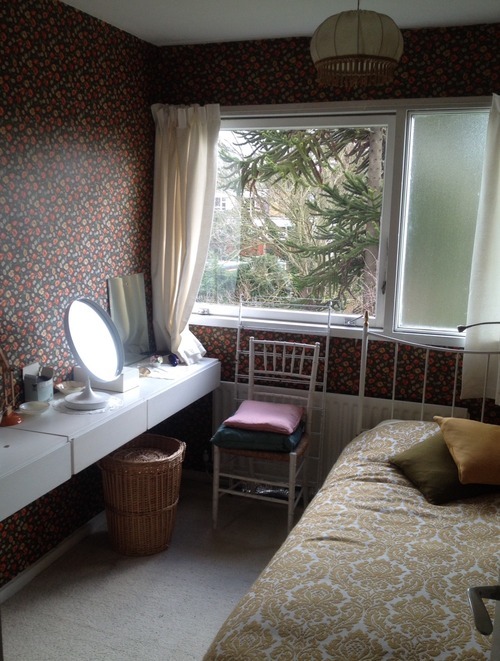
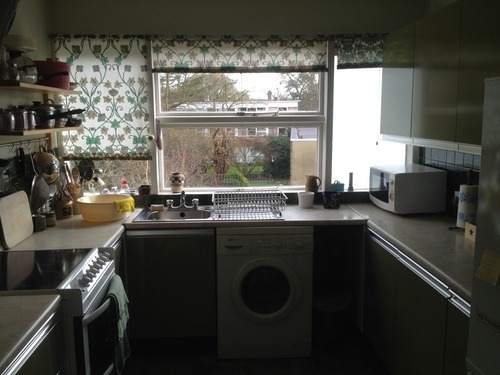
The bad one was a ground floor 2-bed (without the dining room) in Coleridge Court. Whilst I preferred the actual block to Tennyson Court, mainly due to the fact that it had that central stairwell configuration I favour, the flat itself was dreadful. It was in bad condition, had no original features to speak of and seemed to let in precisely no natural light. The main selling point, doors off the living room into a patch of garden, was low in impact.
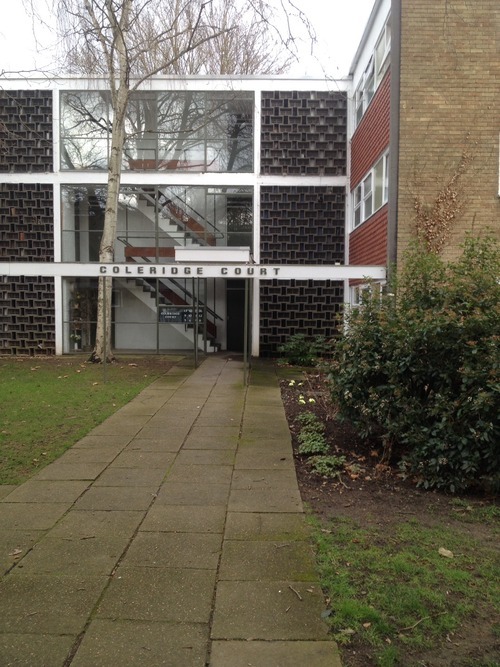
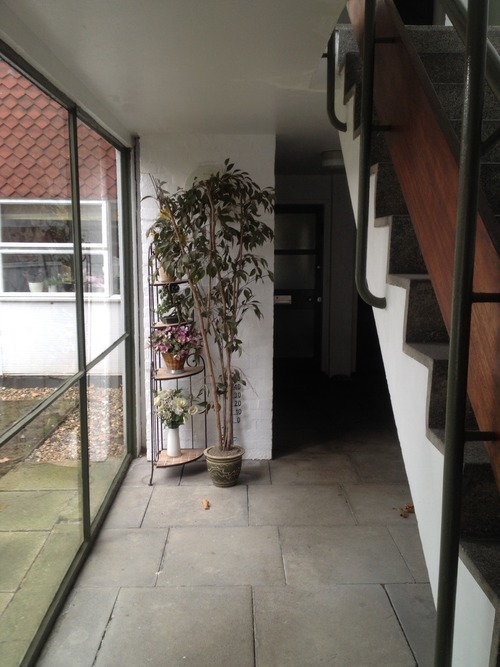

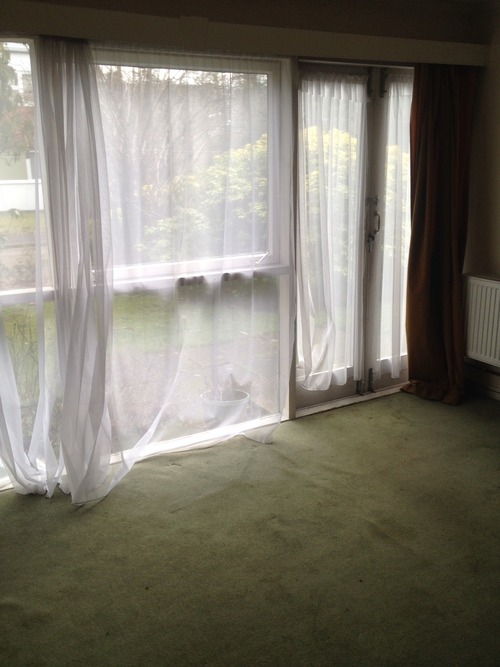

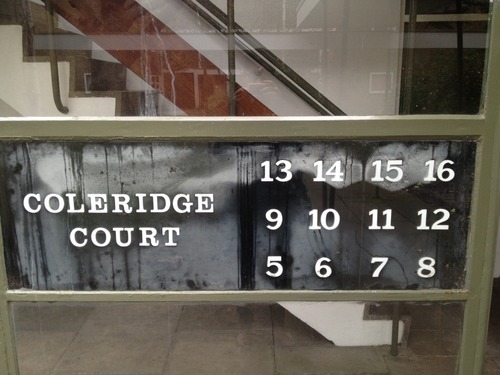
Despite the second flat, I haven’t been put off this estate – I just need to acquire a car and a job within commutable distance of Ham. I would also need to raise some additional funds: like everywhere else, prices for flats on this estate have shot up in the last year or so – I can remember a time when a decent two bed was about £300k. We’re talking about prices around the £400k mark now.
1970s Gleeson builds, Sutton
Gleeson is these days associated with (and held responsible for) a large number of unimaginative modern cul-de-sac developments across the UK. However, whilst flat hunting for my dad, I came across two interesting Gleeson-designed properties built in the seventies which suggest that things weren’t always this way.
Homefield Park, Sutton
Homefield Park
Sutton SM1
Architect: Gleeson
Year Built: 1970s
I still like this 1970s development in spite of its obvious shortcomings, including its almost complete lack of conventional aesthetic appeal. It is made up of two blocky, medium-rise 5 storey phases, one is yellow brick and the other red brick which gives the development a slightly Lego-ish appearance.
If you look close enough, there are some nice design features. Some of the flats have sturdy brick-walled balconies coming off the bedrooms and there are some well conceived (if very much of the time) recessed communal seating areas dotted about the development. I’m also quite fond of the covered areas, supported by pillars, around some of the entrances and the (very 1970s) ornamental rock features.
Unfortunately, from what I’ve seen, the interiors of the flats are decidedly less interesting than the exterior of the development. The ceiling heights throughout are extremely ungenerous and some of the flats have almost no views whatsoever, facing onto other bits of the development or in some unfortunate cases, into other peoples’ windows. Room sizes are reasonably generous but layouts are a mixed bag (there’s a particularly odd L-shaped configuration in a lot of the flats). The best flats must be those which face out into Grove Road with those aforementioned walled balconies (but I haven’t managed to get myself into one of those- they don’t tend to come up for sale very often).
It’s affordable to live in this Lego development though prices have risen: a standard two-bed is about £260k at the moment (compared to about £220k a year ago). There is a supposedly “deluxe” 5th-floor 2-bedroom flat on the market for £350k but this has been on the market for over a year, which suggests that this price is wildly optimistic.


Glyndale Grange, Sutton
Glyndale Grange
Sutton SM1
Architect: Gleeson
Year Built: 1970s
This row of bungalows, set back from the main road in a quiet cul-de-sac was reportedly built around the same time as Homefield Park. There are a number of identifiable similarities between the two, including the attractive radiators, 1970s styling and unfortunately, head-grazingly low ceilings.
The 2-bedroom bungalow that I viewed was in pretty much its original state with its original wooden kitchen, internal doors and wooden built-in wardrobes intact. It had a neat garden to the rear, its own garage and some loft space underneath its pitched roof but the overall impression it gave was that it was small (due in part to the low ceiling height). The vendor of this bungalow was leaving behind some attractive pieces of mid-century furniture, including some Poul Cadovius shelving,a chest of drawers and a lovely wall-mounted mirror and coat stand combo. The price was an affordable £350k – not bad for a freehold property with its own small patch of land.


 Modernist Pilgrimage