Tagged: Pine Heath
Pine Heath, Hampstead
This beautiful house occasionally pops up during Open House weekend for tours but tickets are usually snapped up in seconds. I managed to get in via an alternative route: a paid-for tour via C20 and it was well worth the price of entry.
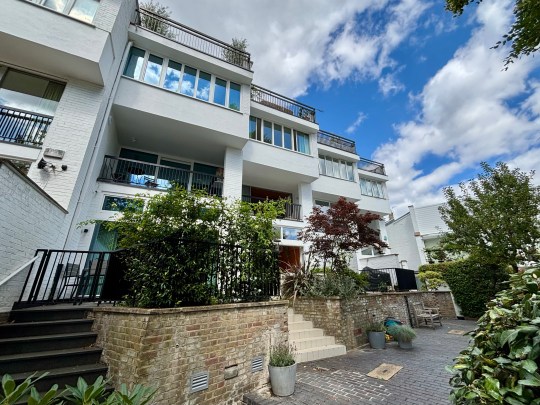
Just west of Hampstead Heath, within the Hampstead Conservation Area, Pine Heath had originally been a nursery garden until 1967, after which twelve modernist houses were built around a communal green.
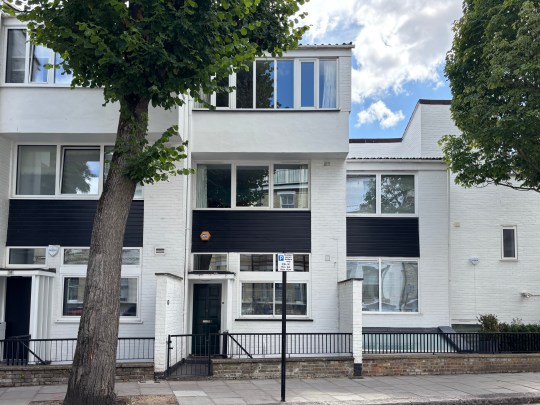
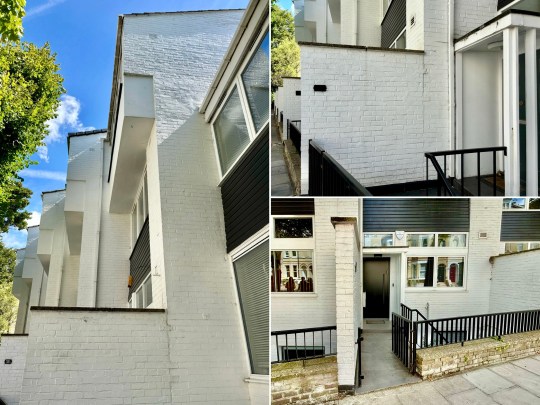
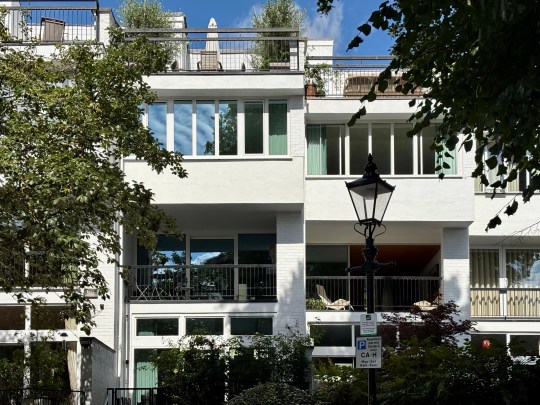
Work began on Pine Heath in 1968 and finished in 1970. Designed by Ted Levy, Benjamin & Partners, the houses were arranged not squarely to the street but subtly shifted off the perpendicular, allowing southerly light to filter into the long, narrow plots. Each terrace was designed to feel private rather than repetitively lined up with the shift in axis creating oblique views and protecting sightlines. The architecture combined concrete and brick in a hybrid construction with raking pitched roofs and double-height spaces. Five principal townhouses were mirrored on the corner, accompanied by a band of studio flats.
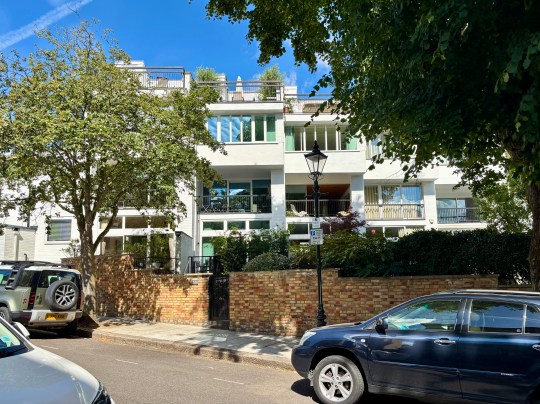
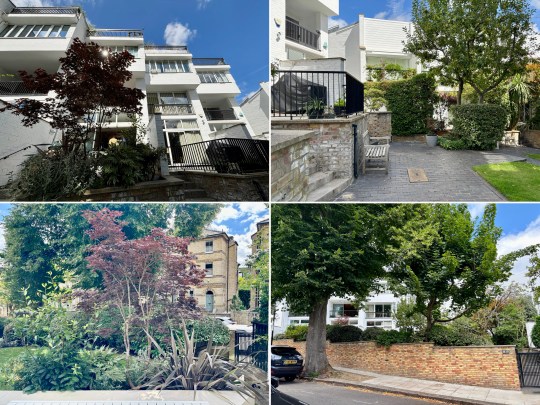
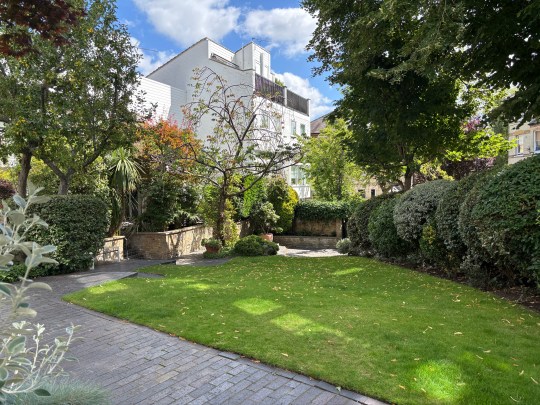
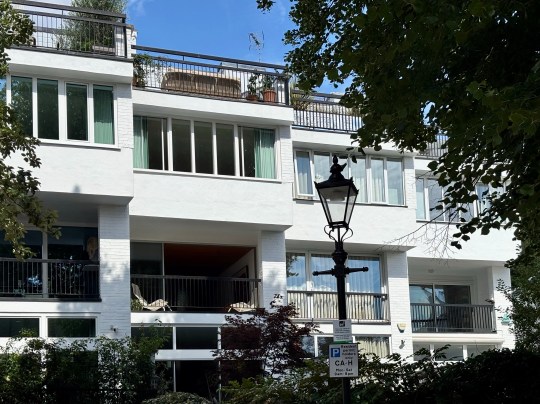
Although Pine Heath sits within a conservation area, the houses were not listed (none of Levy’s work was) partly because of later alterations and partly because architecture of the late 1960s and early 1970s had often slipped through the net of heritage recognition. In practice, however, a vigilant “council of elders” among the residents ensured that no one makes drastic external changes.
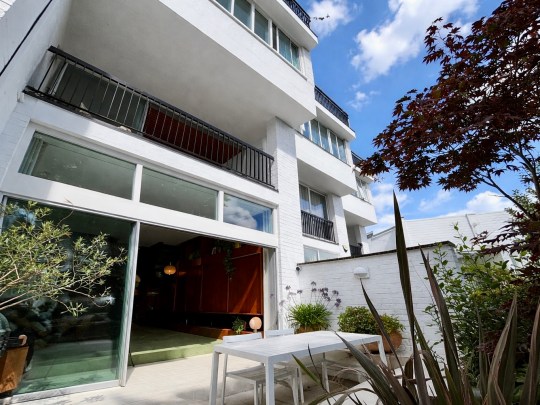
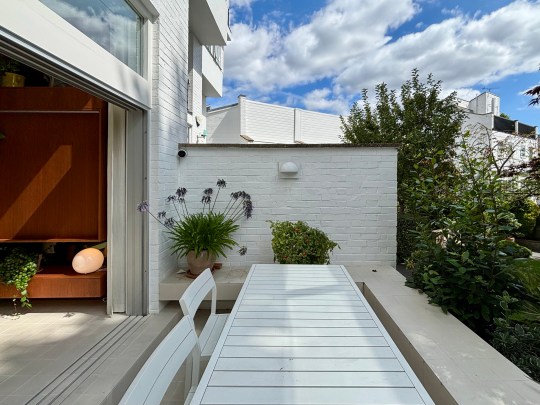
The house I visited had been occupied by its previous owner since 1970 and had been renovated by the new owners and architect firm Studio Hagen Hall. When the new owners first approached the architects, the brief had been for a light upgrade but the project quickly evolved into a comprehensive refurbishment: reconfiguring layouts, crafting bespoke joinery, upgrading the building envelope, and implementing a renewable energy strategy.
Entrance and Ground Floor
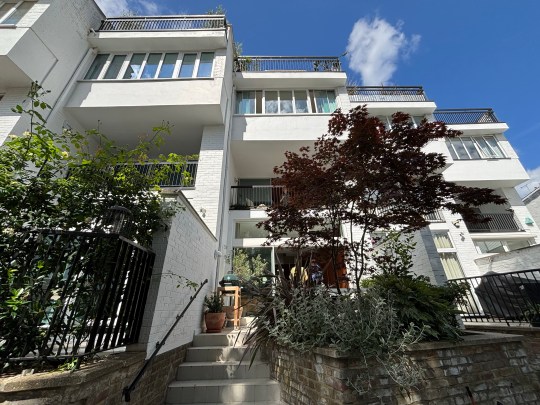
Compared to the rear of the estate, where you could see the pattern of the slightly staggered townhouses clearly, the front of the terrace was unassuming.
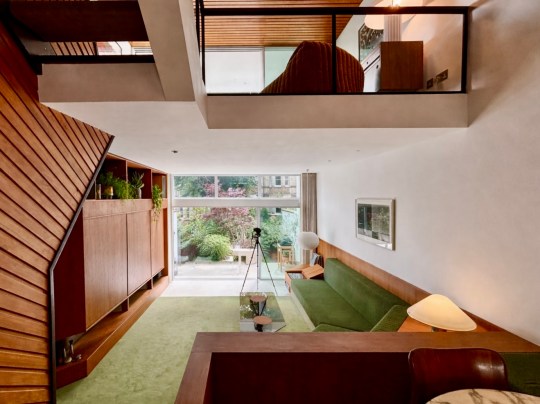
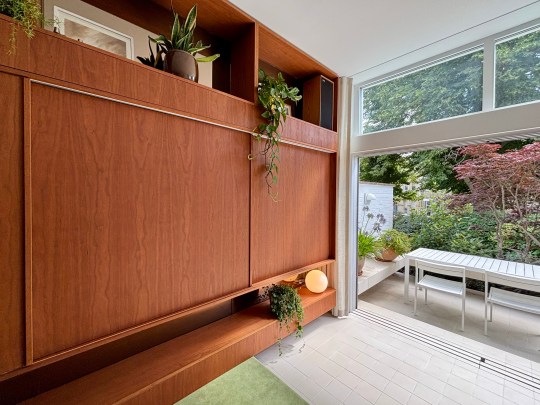
The main entrance opened onto the ground floor principal living zone of the house. The house had originally been arranged as a series of smaller rooms rather than open plan and although Studio Hagen Hall hadn’t fully reconfigured the layout, it had improved sightlines, making it possible to see through most of the house.
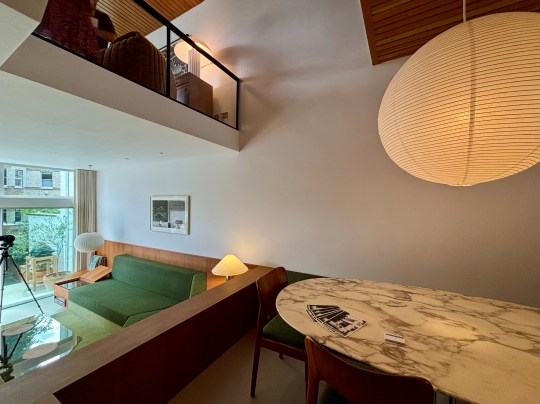
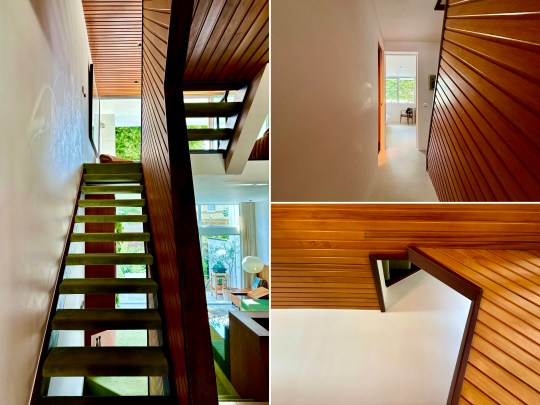
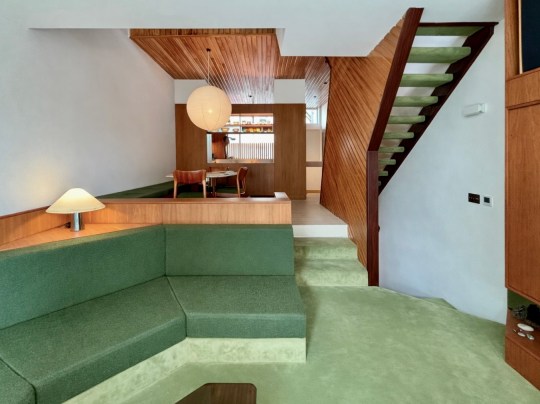
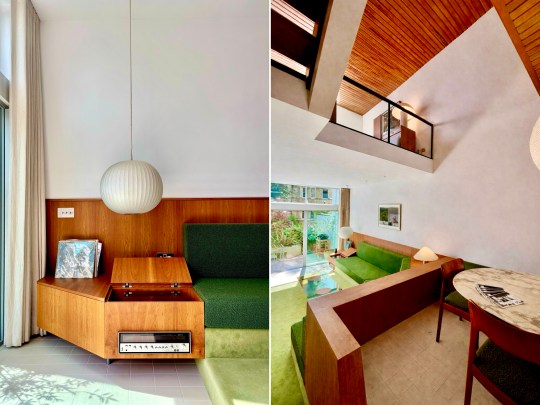
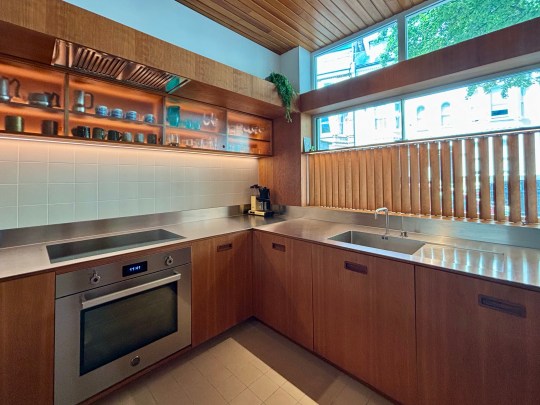
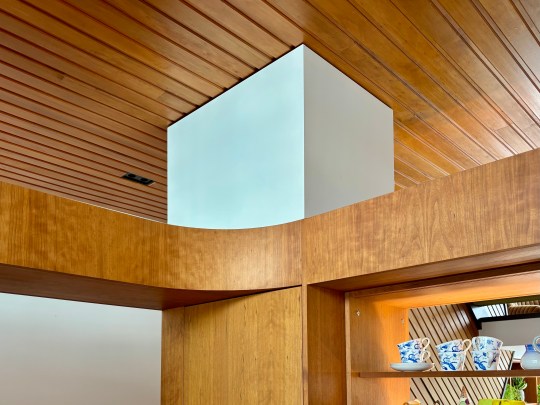
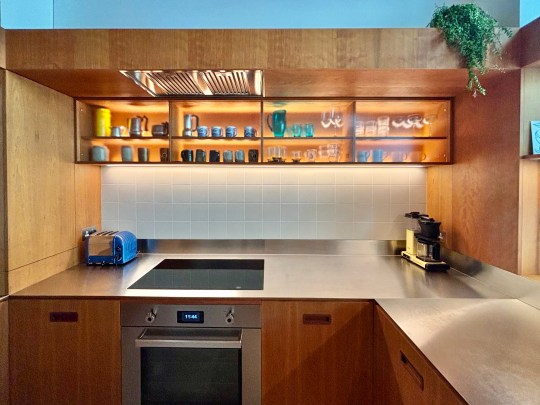
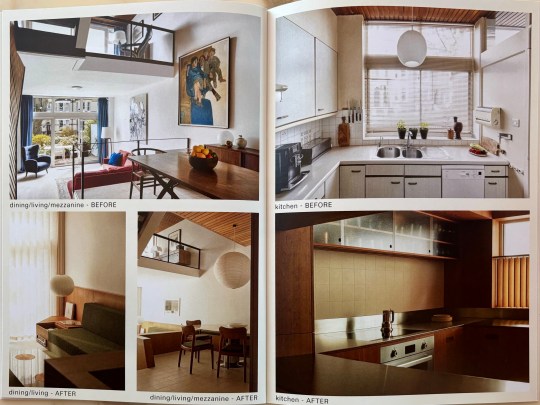
The kitchen to the right of the entrance had been reworked but tastefully and sensitively. The vertical line of the original window mullions had been mirrored in a line running around the top of the kitchen joinery and a sweeping timber curve served to soften the geometry and the former 1960s serving hatch had been enlarged rather than removed entirely, acknowledging the original layout.
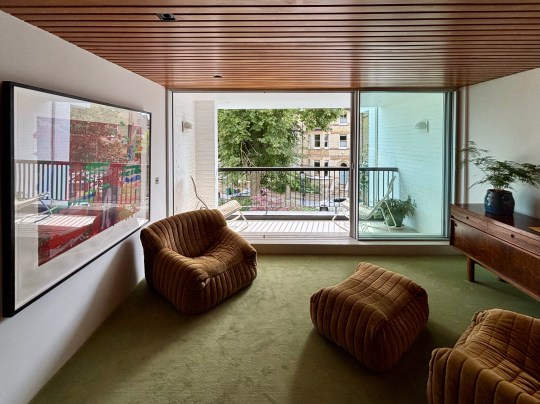
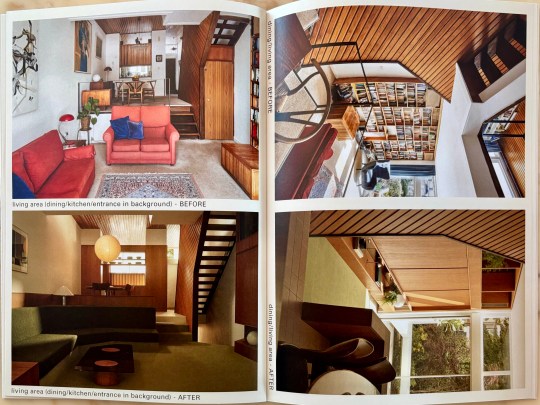
Further into the house was the living area, a sunken, carpeted seating zone which had the feel of a conversation pit. An angled built-in sofa ran around a bespoke coffee table had been designed to offset the geometry of the sofa.
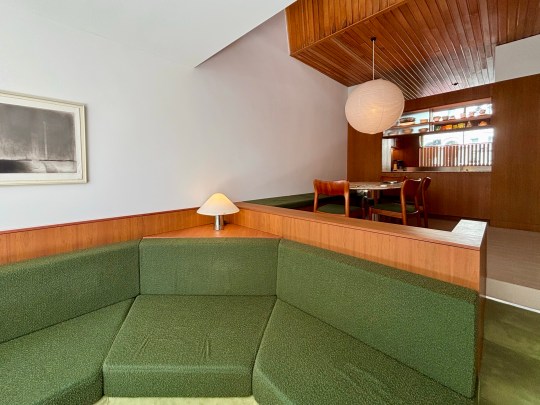
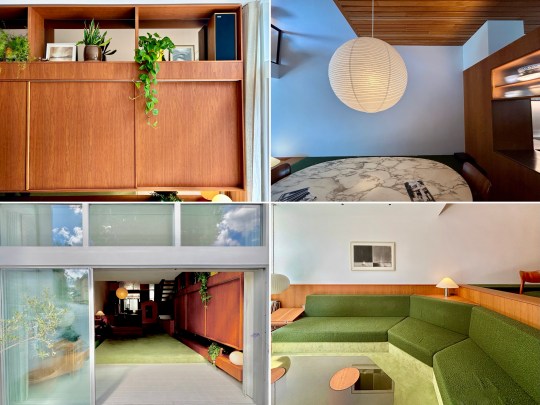
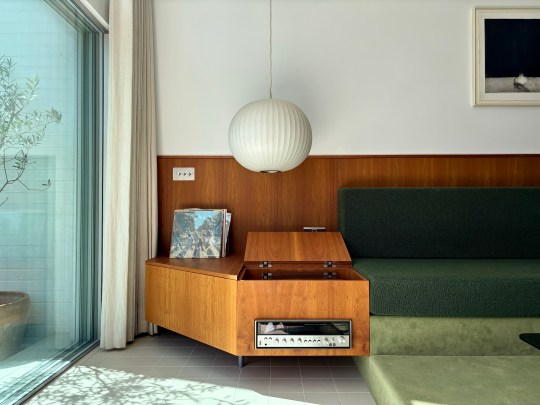
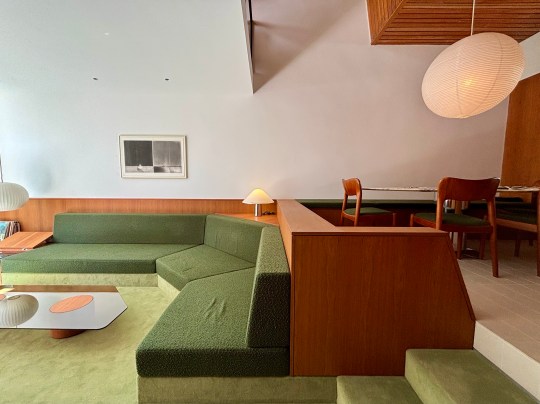
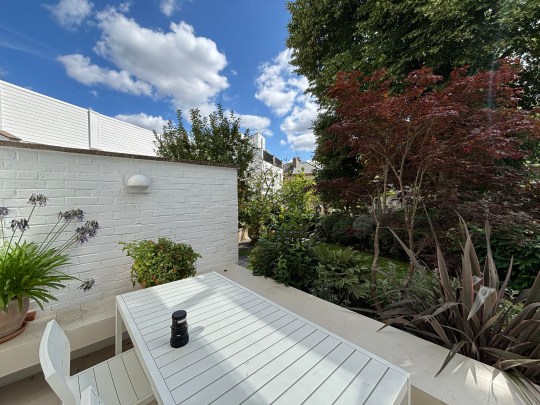
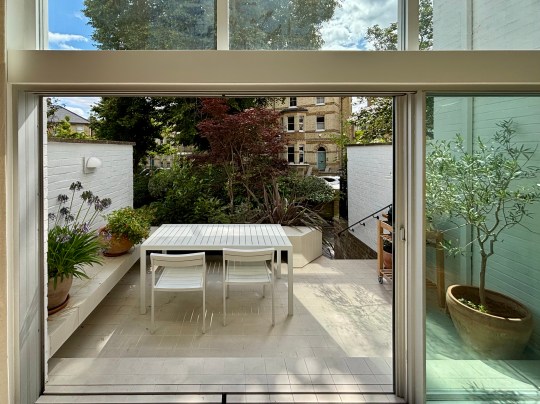
The architects had gained additional ceiling height below by raising sections of the floor, subtly zoning the space without losing continuity. Flooring extended seamlessly out to the terrace patio, which backed onto a communal garden.
Basement Level
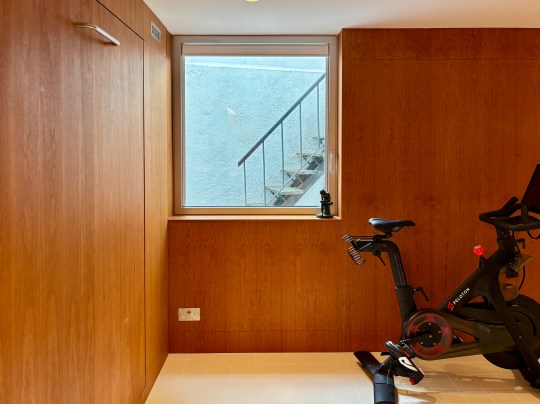
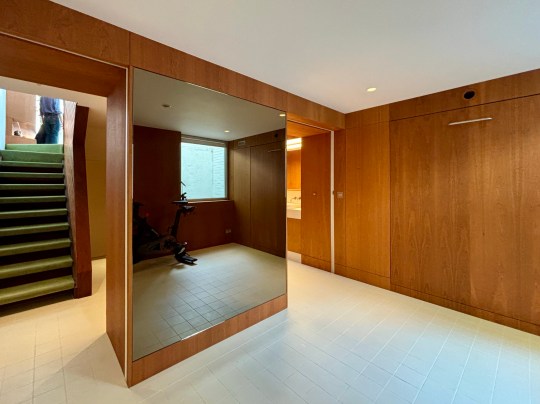
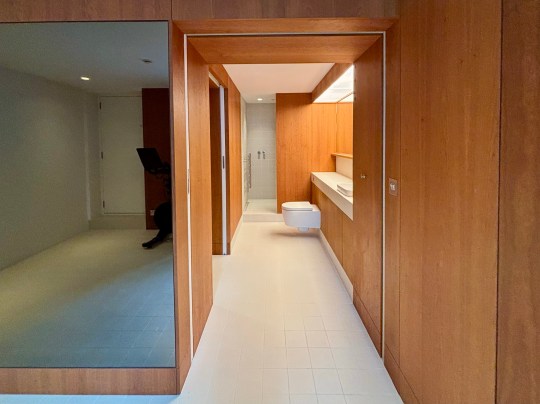
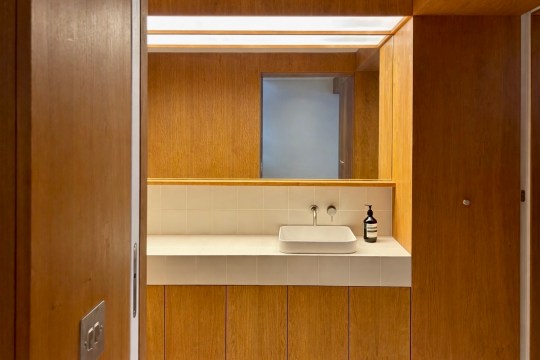
The basement level was accessed by a staircase leading down from the living room area (Studio Hagen had removed the original door blocking this off) and functioned almost as a self-contained suite, with its own exit directly to the street. The rooms (a living space/gym, bathroom and utility room) were all timber lined to match the original piranha pine – a rare South American timber now endangered – that had been preserved upstairs.
First and Second Floors
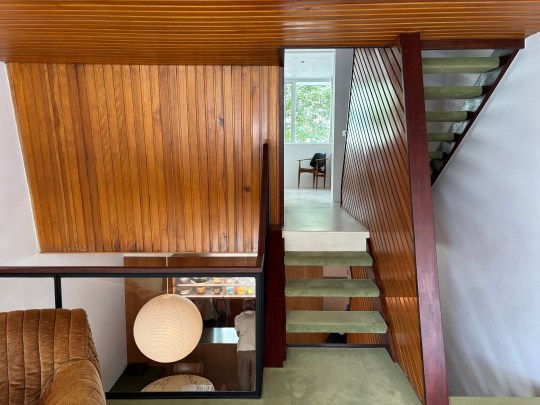
The house was larger than it appeared from the outside, unfolding vertically across five stepped levels, each slightly offset from the next. On the first floor was a sitting room which looked down onto the dining area below.
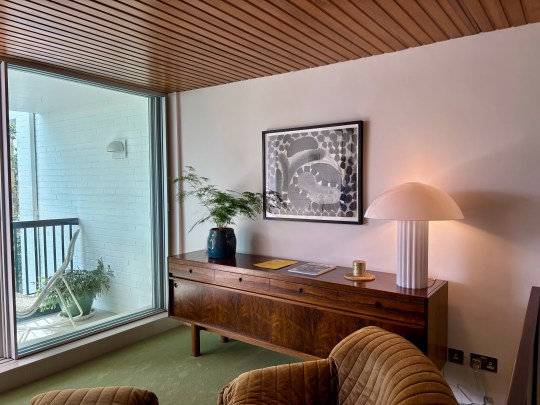
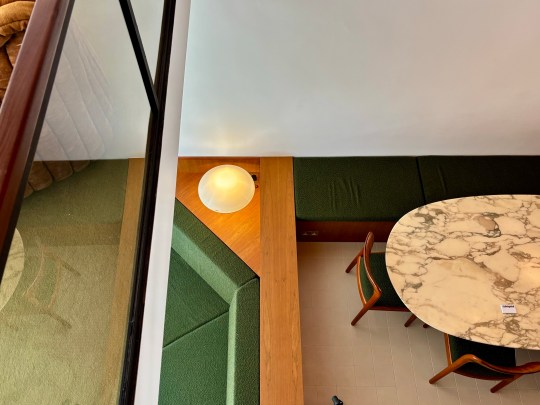
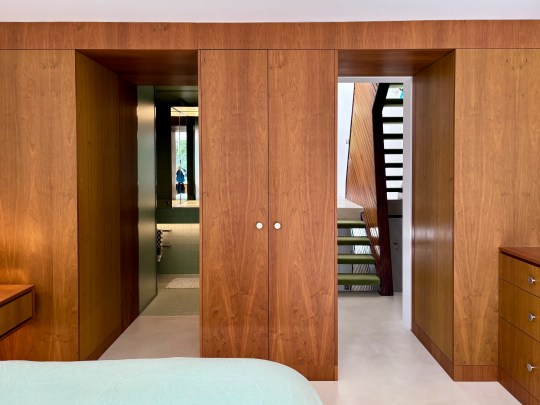
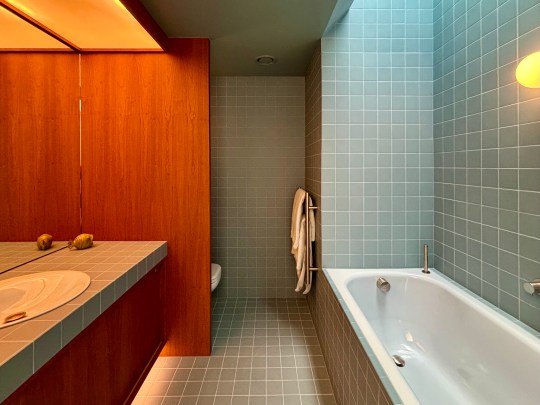
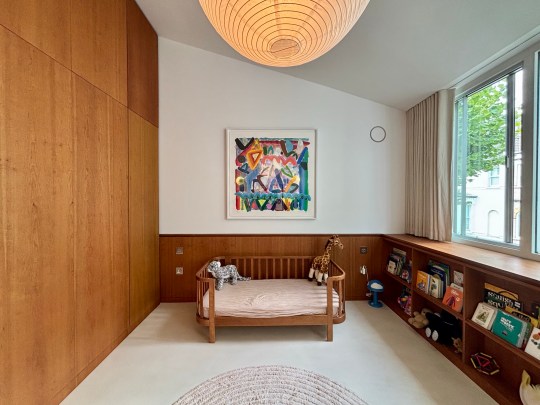
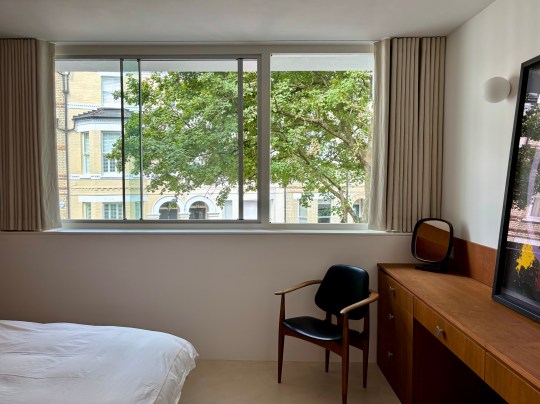
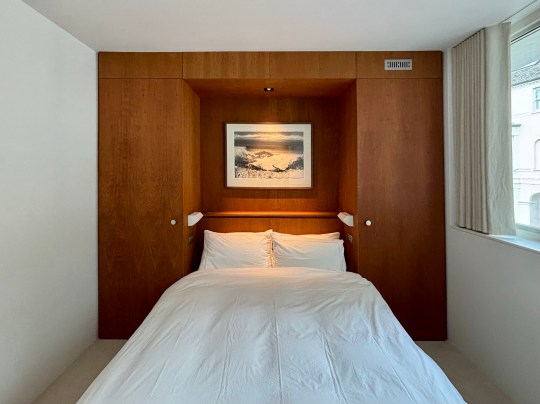
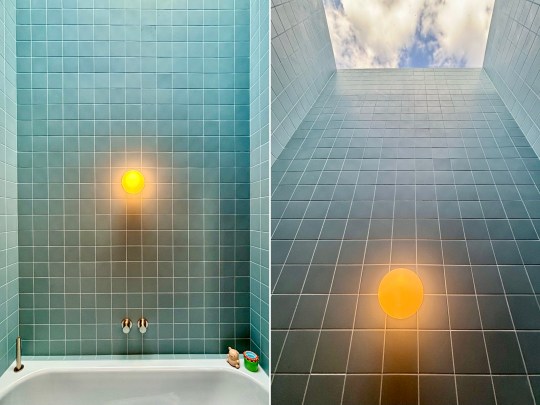
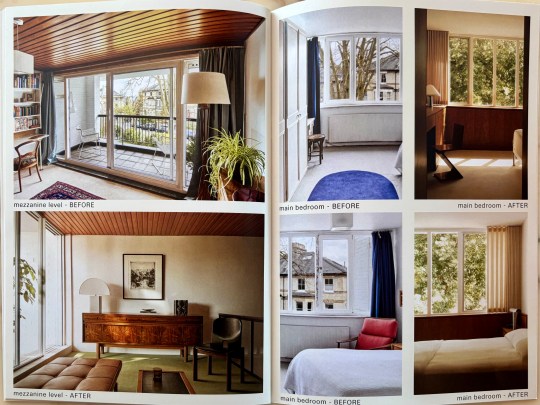
Bedrooms occupied the second and third floors, each accompanied by its own bathroom (each with a distinct tile choice), an unusually generous provision for a British modernist house of the period. Though the original layout had been for three bedrooms, the refurbishment had converted it into a four-bedroom setup.
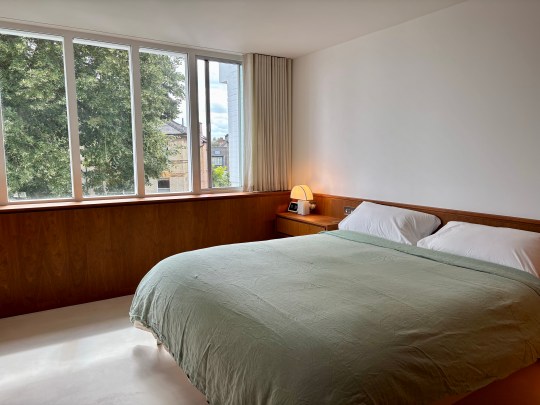
Vacuum glazing replaced the original windows, maintaining the pattern and proportions of Levy’s design while improving thermal performance.
Top Floor
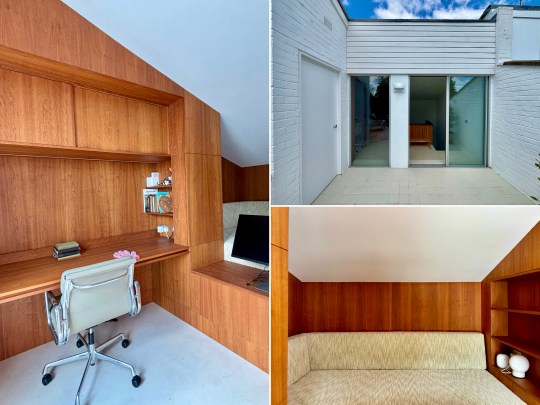
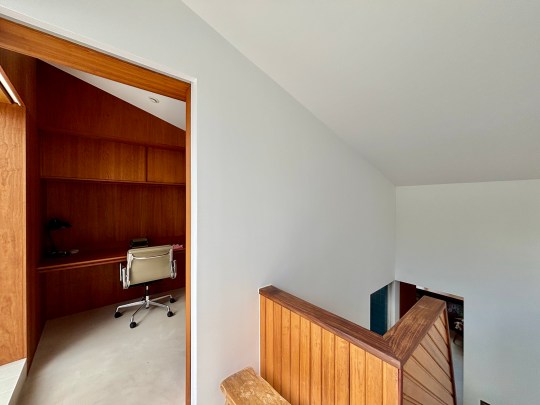
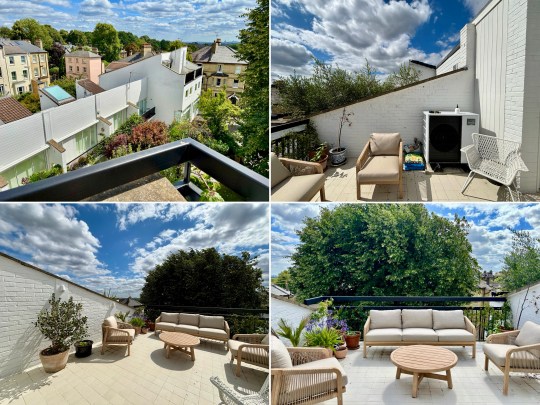
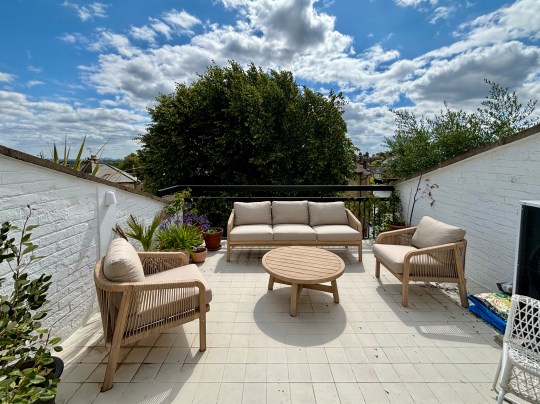
At the top of the house was a study/spare room with a built-in daybed tucked into the raking roof. The space felt almost nautical, ship-like in its proportions, with the angled ceiling pressing gently downward. This room was accompanied by a paved roof terrace overlooking the communal garden.
Photos published by Studio Hagen Hall showed the house in the original form alongside its current modernised state.
 Modernist Pilgrimage