Woodhall Drive, Dulwich SE21
If we were ever to move on from Great Brownings, it would likely be to Woodhall Drive, another Austin Vernon and Partners estate just down the road. I’ve admired it for some time and sometimes cycle through it – I suspect that this isn’t especially appreciated by its residents – just to admire how the American-style suburbia of it all.

Built between 1959 and 1966 by Austin Vernon and Partners for the Dulwich Estate, Woodhall Drive was conceived as a kind of architectural experiment – a low-density, American-inspired enclave of ranch-style houses, arranged around winding unadopted roads and open lawns.


The 42 houses were individually designed (most by Victor Knight with later contributions from Manfred Bresgen, and executed by Wates) and the development won the Ministry of Housing Award for Good Design in 1967, praised for its sensitivity to the sloping site, its long low rooflines and restrained use of materials – grey slate, brick, and painted boarding.
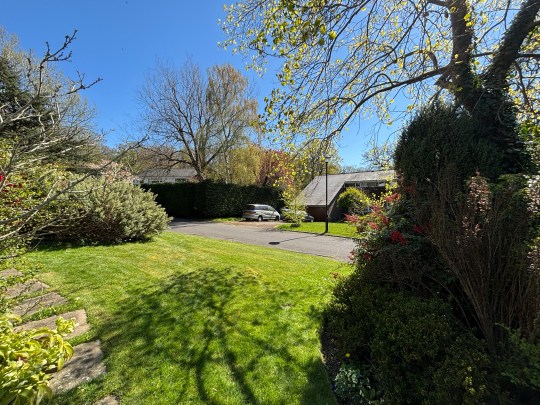
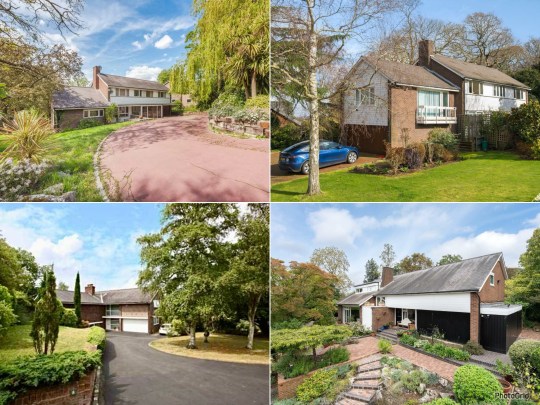

More than half a century later, the landscaping by Derek Lovejoy & Associates, which features rolling lawns merging into one another and trees framing each house, remains pretty much intact. The same can’t be said for a lot of the houses, however – it seems that the Dulwich Estate has been quite relaxed about allowing extensions and alterations on the estate and quite a few owners have turned their houses into sleek, glassy mansions. Still, enough of the original architecture survives for the estate’s character to be felt.
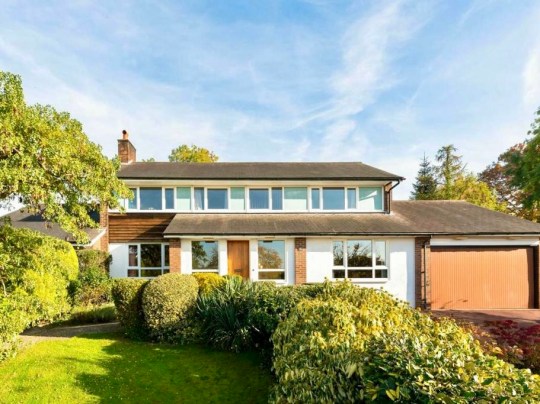
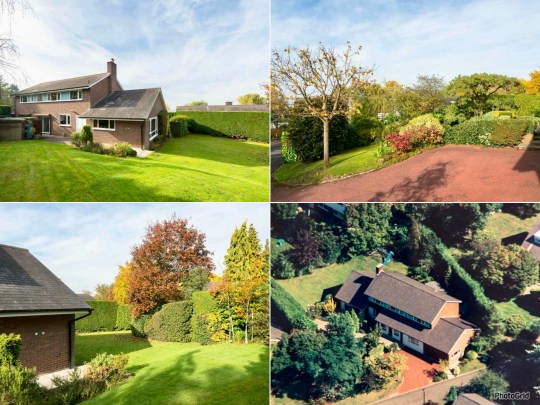

As far as I’m aware, there were around five different types of house on the estate of varying sizes and with range of different floorplans.


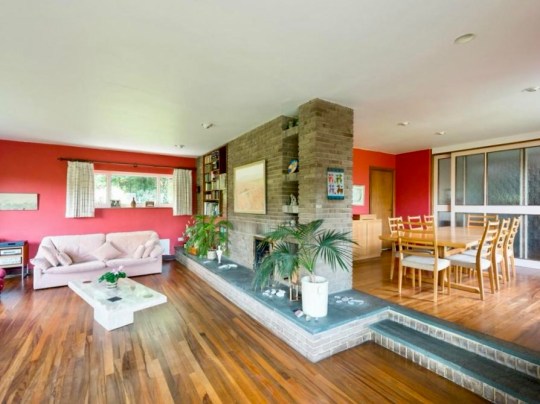
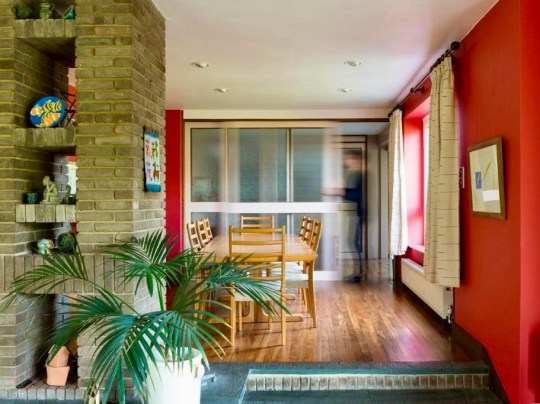
My favourite of the house types that I’ve seen (Type A, an example of which is pictured in these photos of a house previously listed by The Modern House) has a double height staircase and a split level living room with a chunky brick fireplace that acts a room divider between living and dining rooms.

I had the opportunity to look around one of the other house types on the estate earlier this year. This was one of the smaller type D houses (at least I think so, based on the limited amount of information about Woodhall Drive available online) and in relatively unaltered condition. The asking price reflected this: fair, and a bit lower than all of the figures I’ve seen other houses on the estate go for in the past.
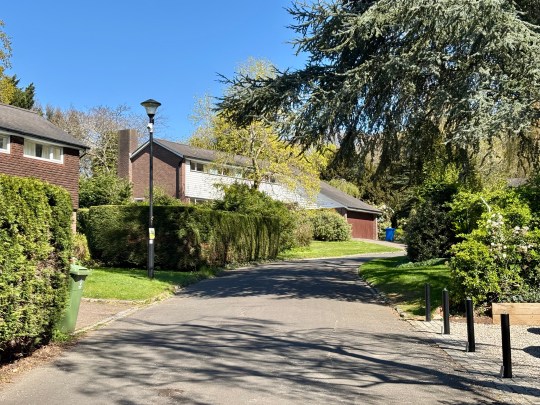
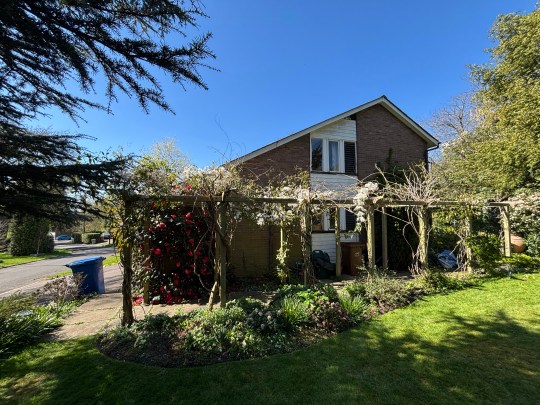

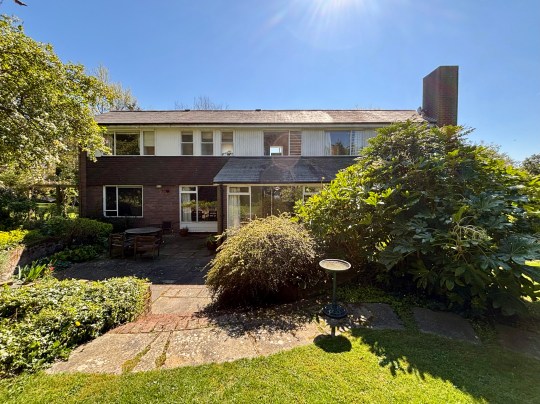
I thought that the front of the house was attractive on first impressions: the façade featured a mix of brick and timber cladding, a low-pitched gable roof, narrow clerestory windows and an integrated double garage. The garden, which wrapped around the house, was beautifully kept but almost too large for someone with my level of gardening ability.


Inside, a central hallway with an open-tread staircase (though not the dramatic double-height kind found in some of the other house types pictured above) led to the kitchen, dining room and living room on one side of the house and study, bathroom/utility and garage on the other.


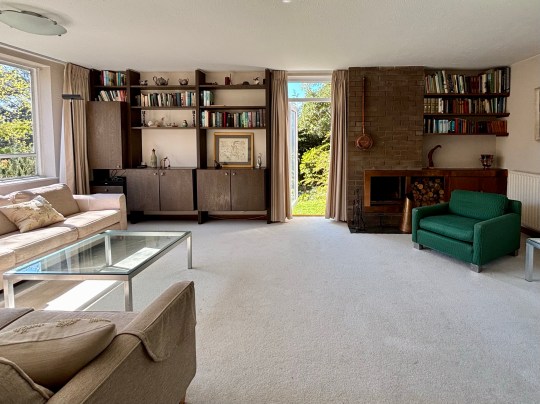
The living room was bright and well-proportioned with direct access to the garden and the separate dining room, probably my favourite room in this house, was light-filled and overlooked the garden – I would have asked the sellers to include the mid century furniture in this room as part of the sale.


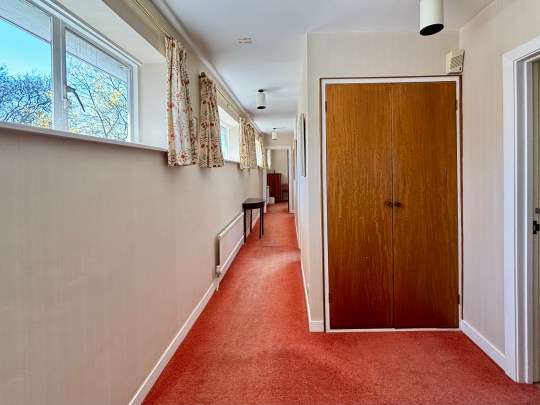
Upstairs, a long corridor ran the length of the house, connecting two large double bedrooms (the master bedroom was an extremely large sea of green with an ensuite) at either end, with two smaller single rooms and a family bathroom between them.


Walking through the house and garden, I was struck by its potential and so was someone else as it sold quickly after my viewing.
 Modernist Pilgrimage