Tagged: Eric Lyons
Open House 2023
For last September’s Open House Festival, I visited three rather lovely houses – one on a development I’ve previously visited, one on a development that I’ve passed but not taken a proper look at and one on a development that was completely new to me.
Mallard Place
Having attended a very comprehensive C20 tour of the Span estates of Blackheath in 2018, I was keen to see Mallard Place in Twickenham, Eric Lyons’ final project that was initiated in the mid-1970s and completed posthumously after his death in 1982.

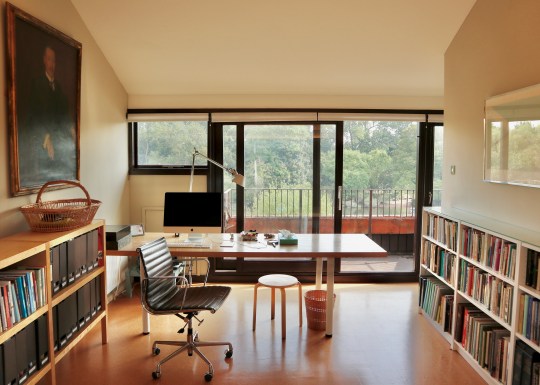
Mallard Place was a very distinctive estate, comprising large split-level apartments and generously proportioned townhouses on a significant riverside plot.

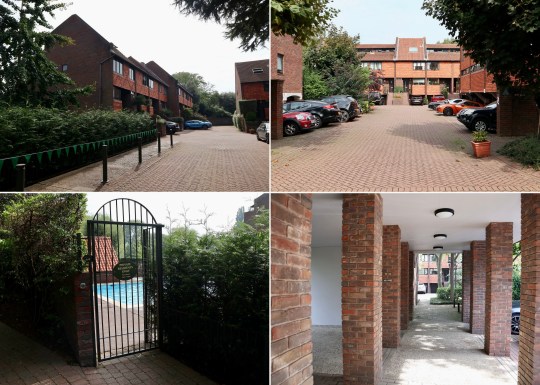

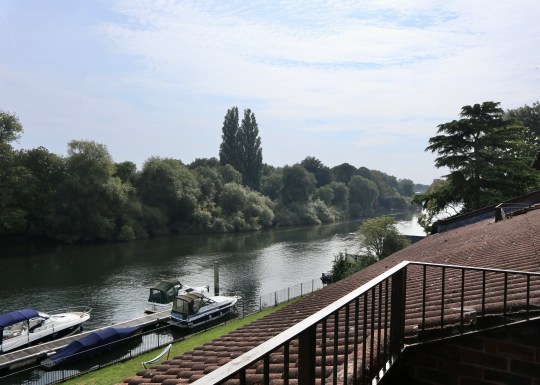
The estate backed onto a communal bank with spectacular river views from the townhouses that lined the edge of the water. The estate also had a communal swimming pool.
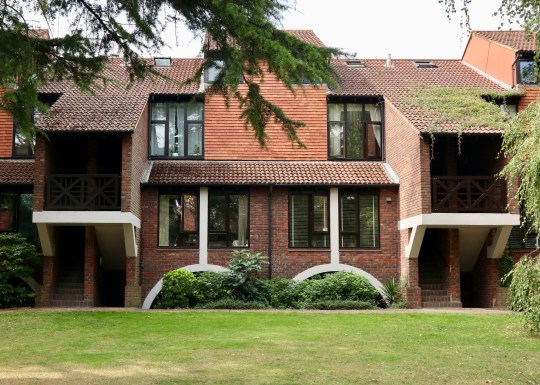
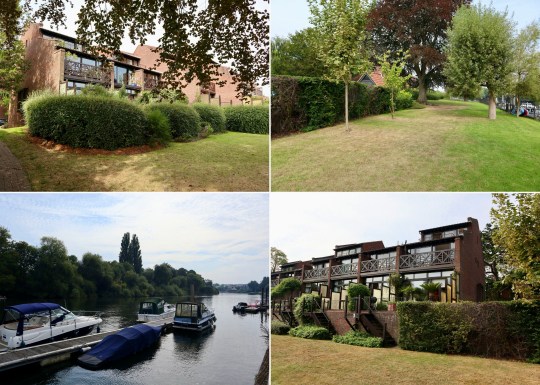

Having dabbled with a more postmodernist style (e.g. the controversial and as yet unlisted Streetfield Mews (1984) and Birchmere (1982) in Blackheath with their odd 1980s details), Eric Lyons returned to his earlier, more modernist style with Mallard Place. With their clean lines and extensive glazing, Mallard Place’s terraced houses and apartment blocks clad in hung terracotta tiling evoked Eric Lyons’ first (and listed) estate – Parkleys in Ham, Richmond (1954). The only concessions to a more decorative 1980s style were some curved archways, brown window frames and slightly fussy balcony balustrades.


The house itself was split over three storeys (four including the basement utility room and integrated garage). The ground floor consisted of a handsome split level living area with the kitchen at the front and the living room at the back opening onto a small patio which backed onto the communal river bank. The patio looked rather alarmingly close to the water but the owner explained that effective measures had been implemented to prevent the water from reaching the house.


The first floor contained the original avocado bathroom suite and three bedrooms, the largest of which had a balcony looking out over the river.


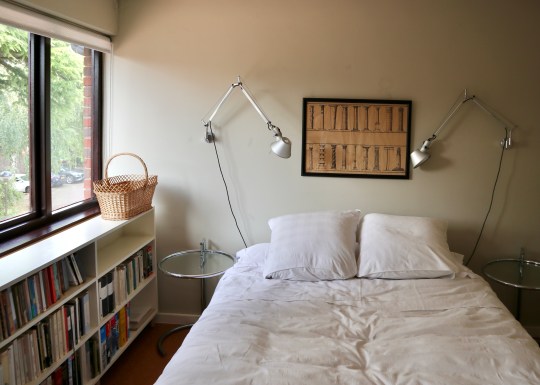
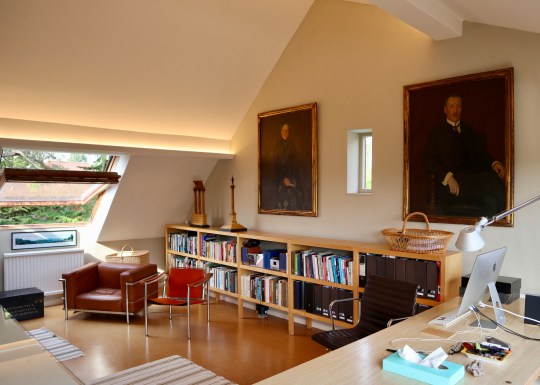
The top floor was a large fourth bedroom with a vaulted ceiling and another terrace, also facing out over the river.
Oakfield Gardens
The exterior of Oakfield Gardens formed part of Ian McInnes’ 20th Century Society tour of the Dulwich Estate but I’d never been inside one of the houses until this year’s Open House.
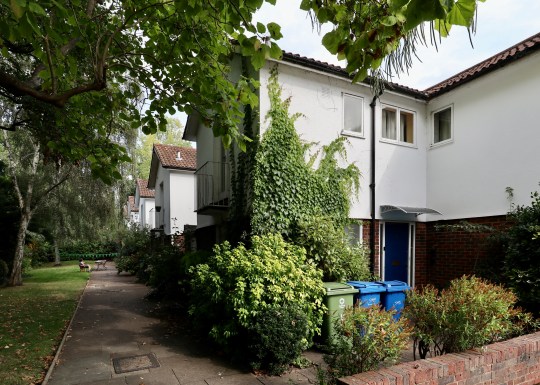
Designed by Austin Vernon and Partners and built by Wates, the first of the 14 houses that make up Oakfield Gardens was completed in 1958 and marked Wates’ debut in the area.

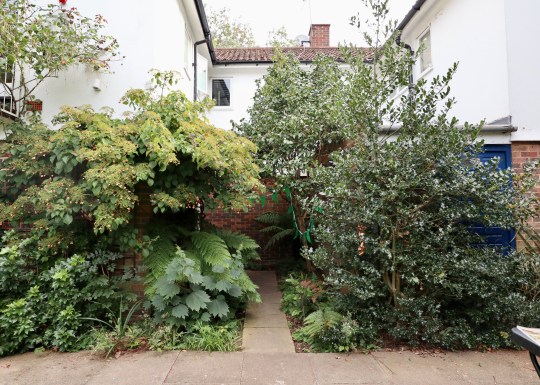

The two storey houses were L-shaped and arranged in short terraces perpendicular to the road. The original layout of the house incorporated the kitchen and living room on the ground floor and three bedrooms upstairs.
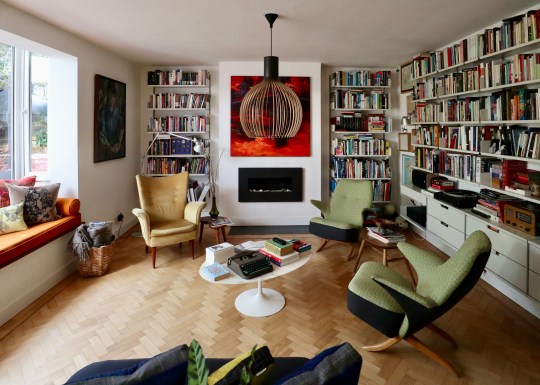


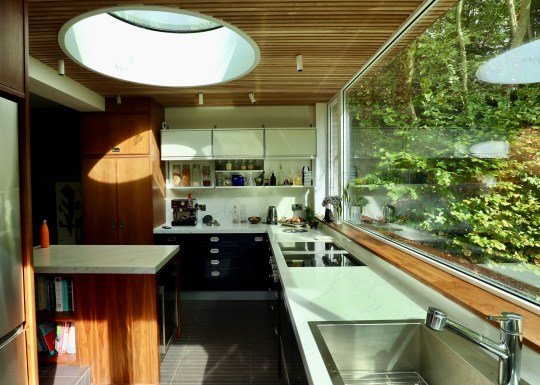
The owner of this particular house had wanted to add a fourth bedroom to the house but wasn’t able to extend upwards due to conservation area rules imposed by the Dulwich Estate. As such, they relocated the kitchen from the front of the house to a rectangular extension connecting to the living room at the back, overlooking the garden. The old kitchen was turned into a further bedroom.


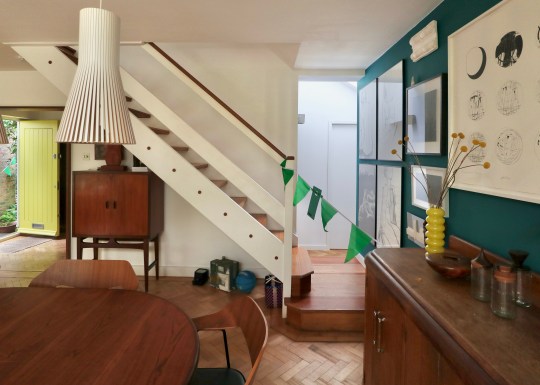
Other familiar features typical of an Austin Vernon and Partners house included the open tread staircase, large plate glass windows and woodblock parquet flooring. The owner had, however, replaced the traditional warm air heating system with something equally unobtrusive: slimline radiators built into the skirting boards – apparently, popular in hospitals but still fairly unusual for residential properties. I would definitely have done this in our house if I’d known it was an option!


Tollgate Drive
The final property was a single storey ranch bungalow on Tollgate Drive (also known as Ferrings), which I had previously visited as part of Ian McInness’ Dulwich Estate tour in 2021.

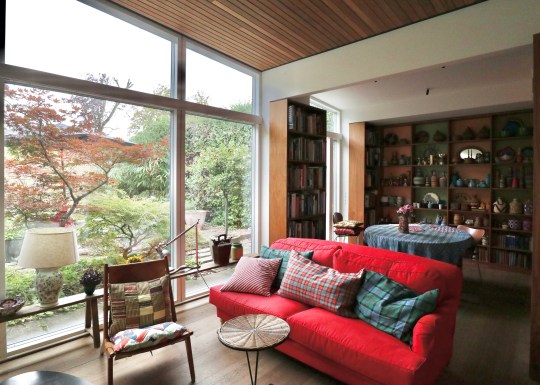
This particular example of a ranch bungalow had been extended in the 1980s to build more living space in the courtyard front garden between the house and the garage. The house was further extended in 2008 to incorporate a below ground extension with a south-facing light well at the entrance to let natural light into the lower ground floor. The basement extension housed a reception room, bathroom and a very organised storeroom.
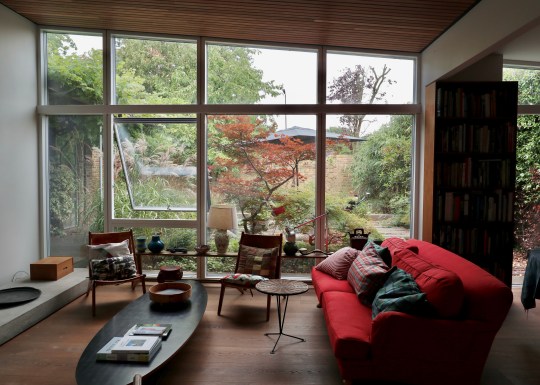
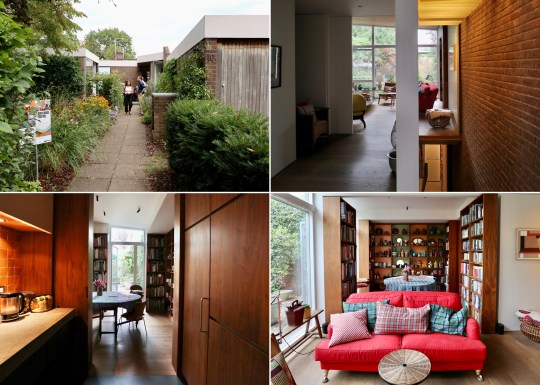

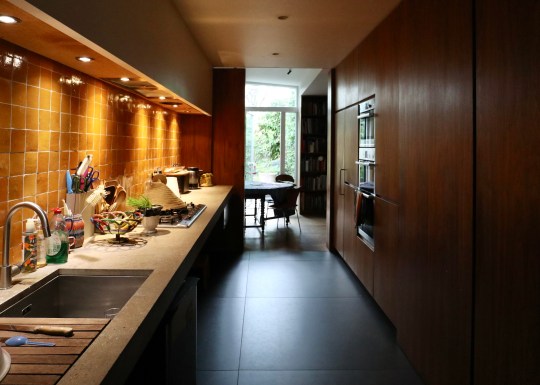
This house had been extensively refurbished, the walnut kitchen being of particular note – it had a nifty moving shelving unit which could be used to close off the kitchen from the dining area.

 Modernist Pilgrimage