Hatfield 20th Century Society Tour
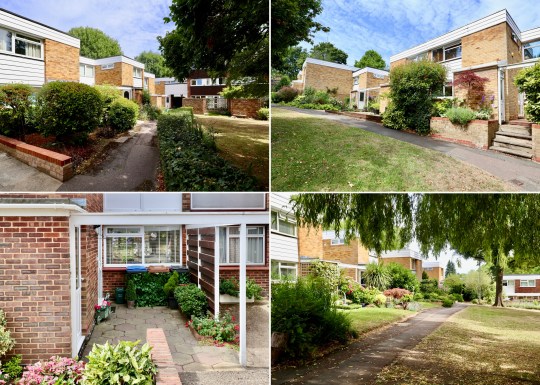
The highlight of a recent C20 tour to Hatfield in Hertfordshire was the opportunity to visit the Grade II-listed Cockaigne Housing Group development.

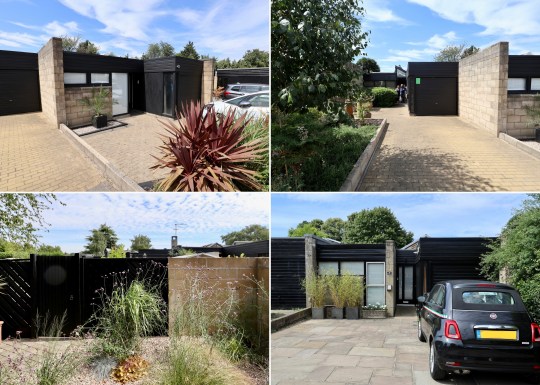

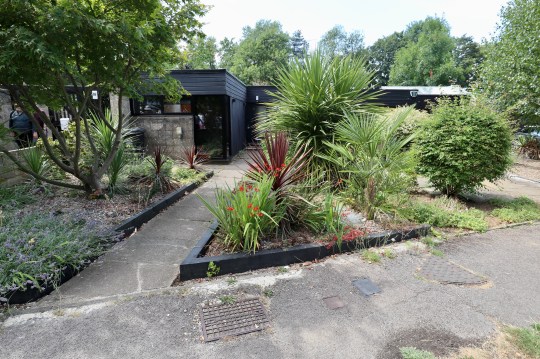

With the name deriving from the Middle English word ‘cokaygne’ (meaning land of plenty) and designed by architects Peter Phippen, Peter Randall and David Parkes in the mid-1960s, the 2.8 acre development was inspired by communal housing projects created in Scandinavia and consisted of a staggered terrace of 28 houses built around communal gardens containing a tennis court, a children’s play area and a community house with a self-contained guest flat for visitors.

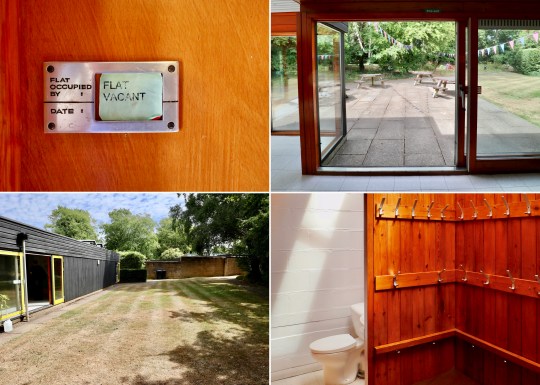

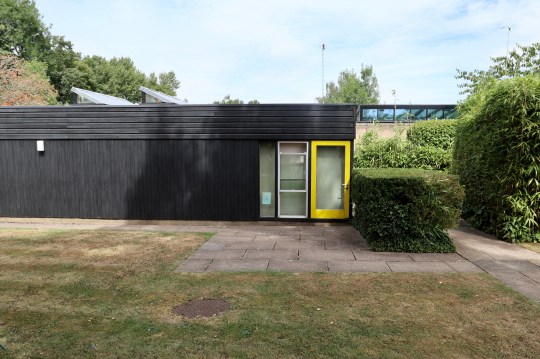

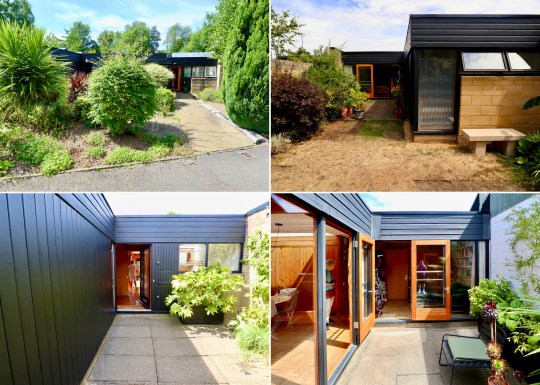
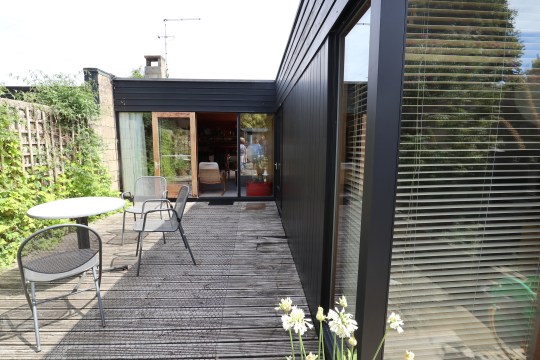
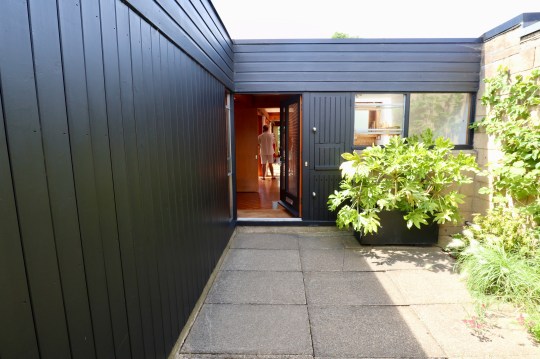
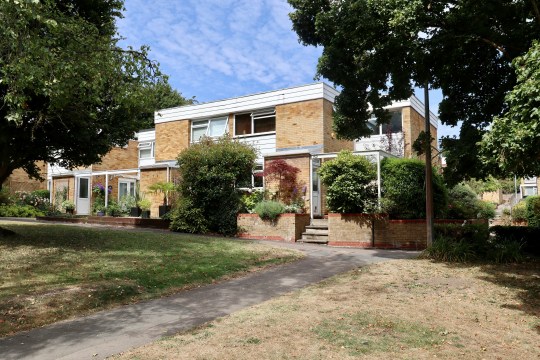
Each of the the houses (which appeared relatively narrow from the street) were built with a deep plan with accommodation arranged around a series of enclosed courtyards designed to allow sunlight to flow through the interior spaces, assisted by full height glazing throughout.
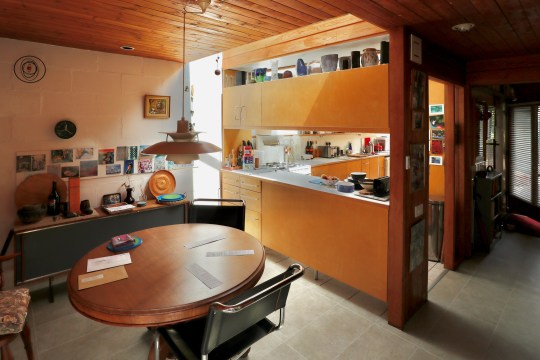


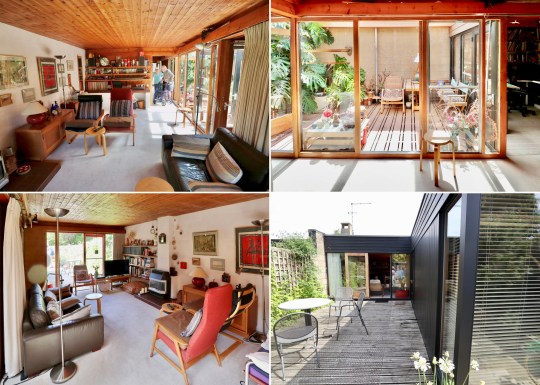
The development has been described by English Heritage as “the leading English manifestation of the courtyard house” and the houses as “consisting of a perfectly judged series of interlinked spaces which flow naturally one into another”. These spaces consisted of a front courtyard, hallway, kitchen and bedroom at the front, the dining area, living area and internal courtyard garden in the middle of the house and then further bedrooms, the bathroom and back garden at the rear.
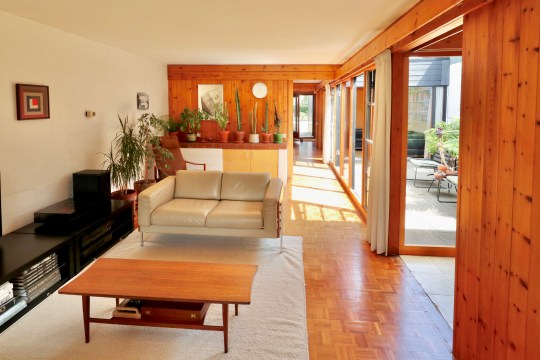


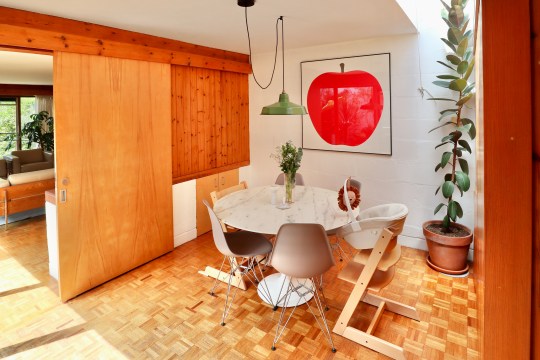
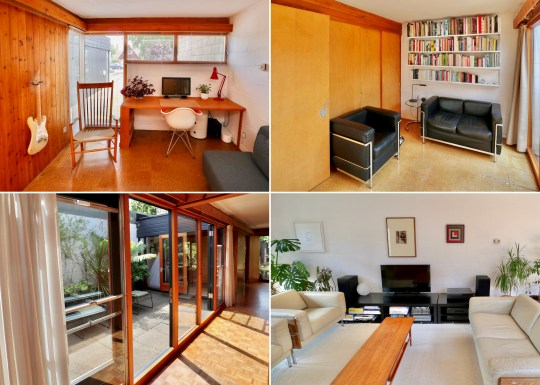
We were fortunate to be shown around four versions of the same house, which had each been altered and renovated to varying degrees over the years. Two were in relatively original condition (houses 1 and 4 pictured) while two of the others had been sensitively restored into modern homes (houses 2 and 3 pictured).


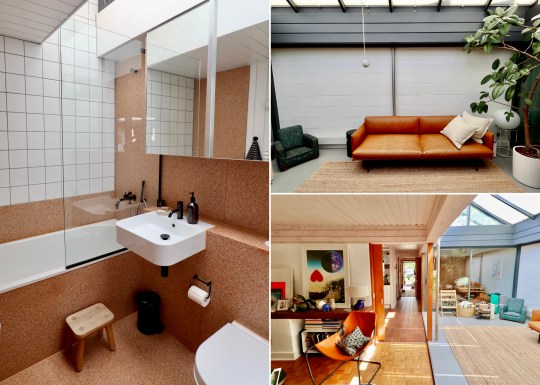
Only one of the four (house 2 pictured) had the original internal courtyard in its original uncovered form – the others (houses 1, 3 and 4 pictured) had been converted into additional indoor living/dining rooms. I understood the rationale for converting this space but personally thought that the internal outdoor courtyard worked best.
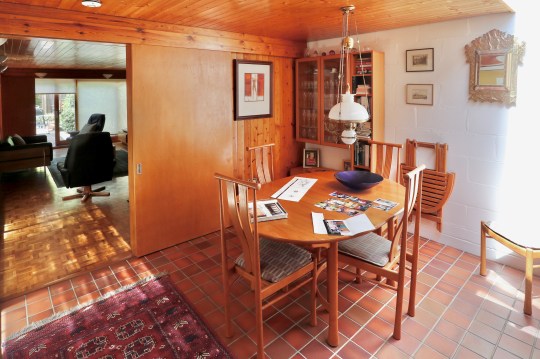


The houses were unusual and definitely did flow well from one living space to another. Residents described the development as an enjoyable place to live with a great sense of community but complained of issues with the flat rooves (prone to leaks) and how the houses feel the weather (hot in summer and cold in winter). A recently renovated example of a Cockaigne house is currently for sale via The Modern House.
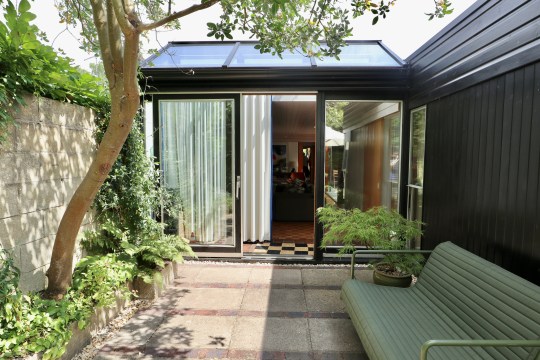

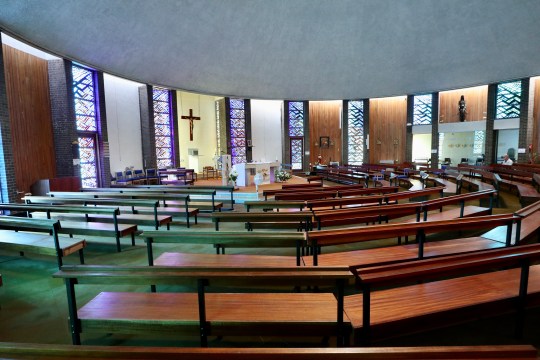
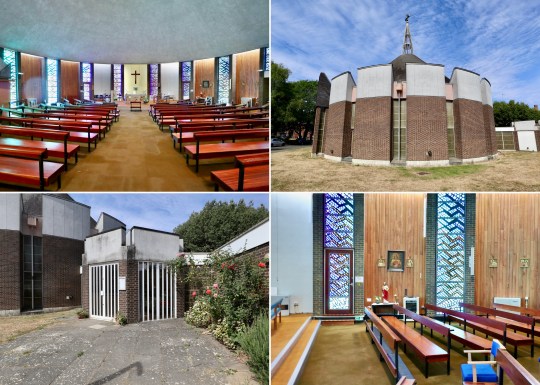
Other sights on the C20 tour of Hatfield included a number of other 1960s housing developments and the Marychurch Roman Catholic Church.

 Modernist Pilgrimage