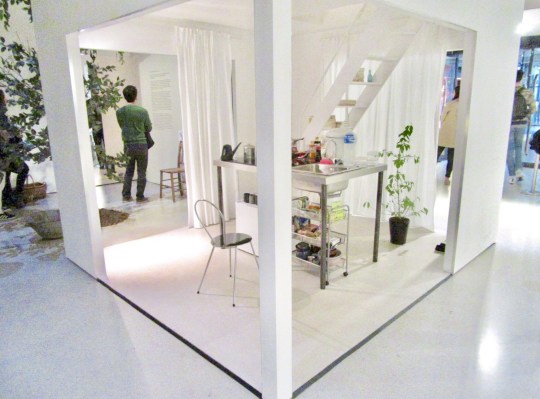
Modernist pilgrimage to Helsinki

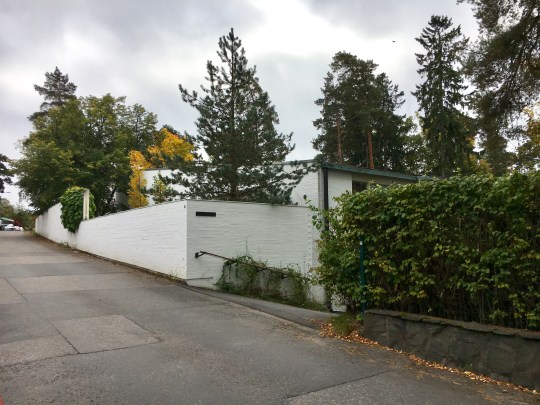
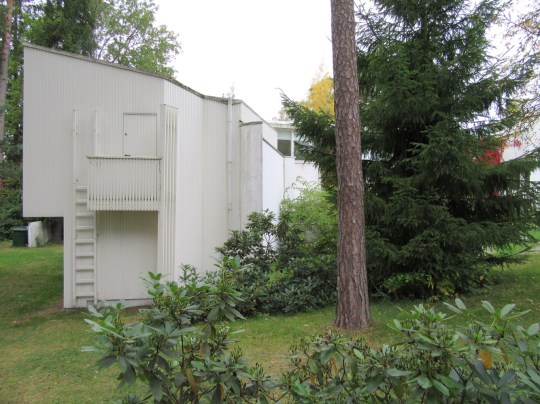
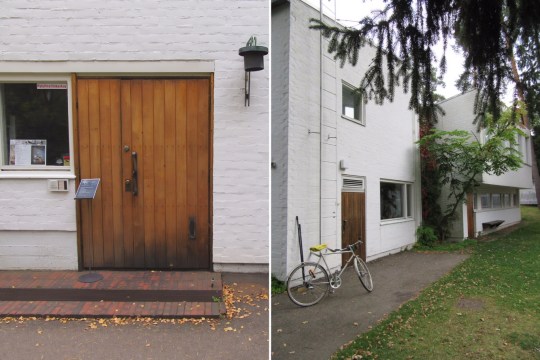
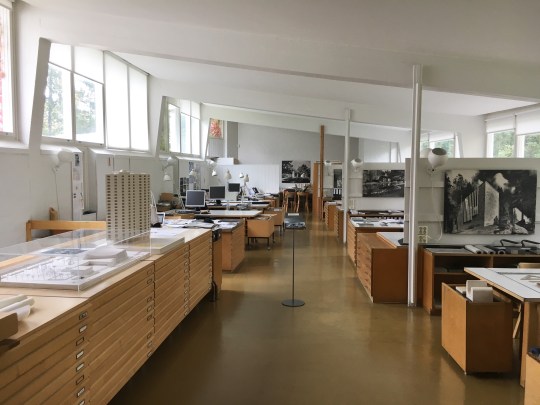
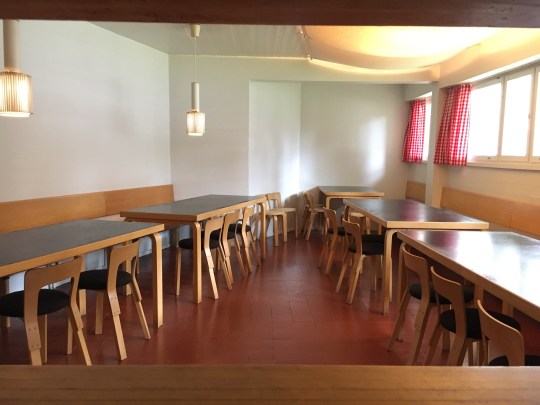
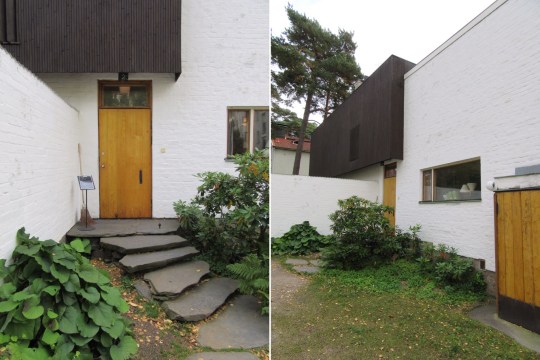
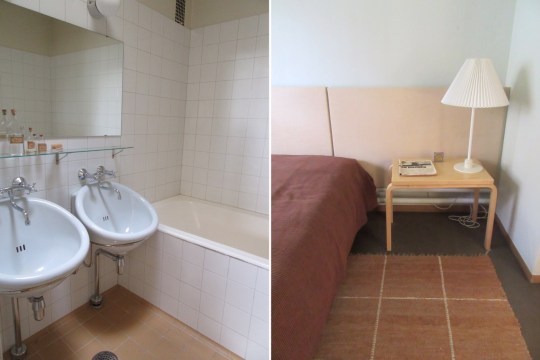
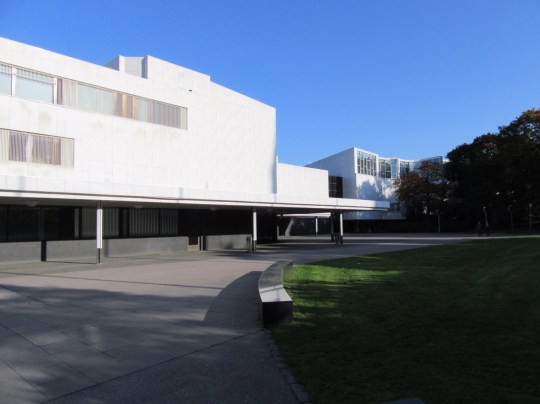
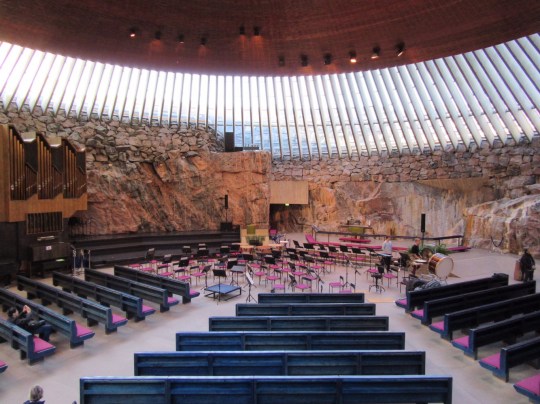
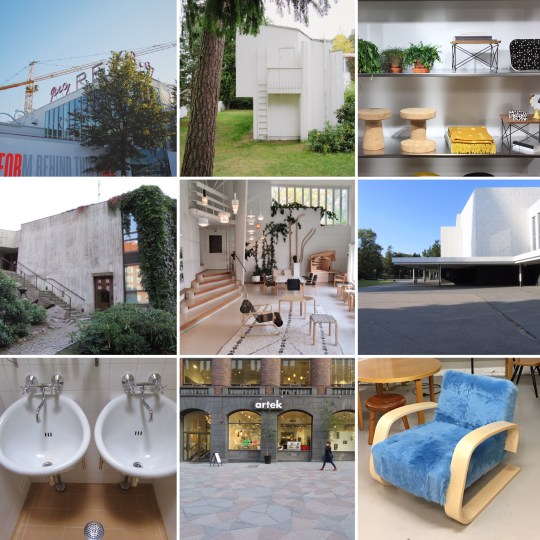
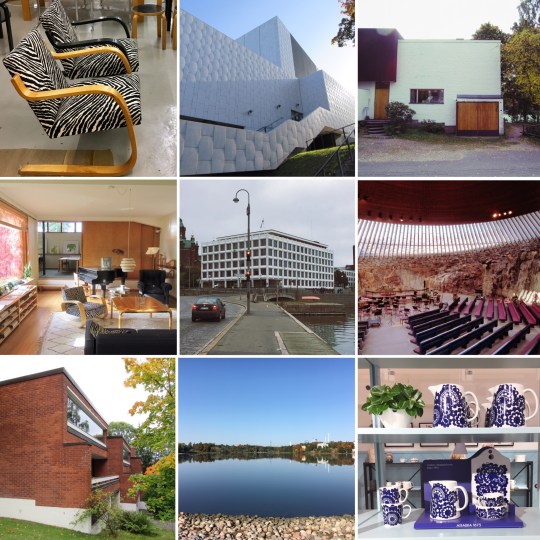
Though I found it to be rather small and underpopulated, I greatly enjoyed my time in Helsinki, home to stunning Alvar Aalto-designed architecture (including the house that he lived in) and various design stores from which I bought yet more tasteful Nordic tat for my flat. Blog entries on Helsinki’s architecture and shopping to follow.

img_8085

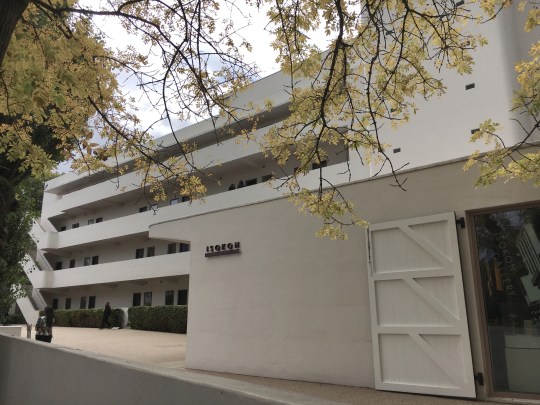
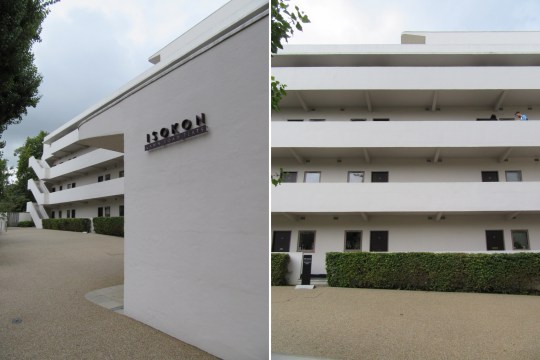
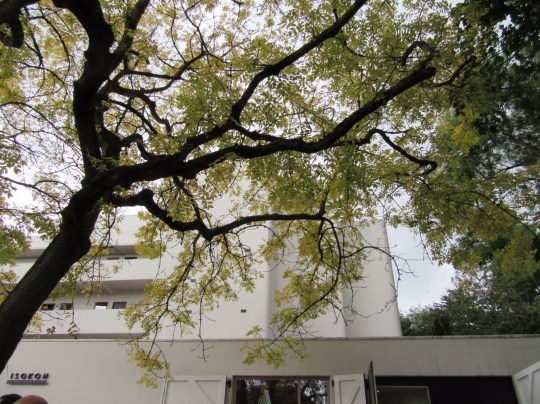
Isokon Lawn Road Flats, NW3

Isokon Lawn Road Flats
London NW3
Architect: Wells Coates
Grade I listed modernist apartment block designed as a progressive experiment in new ways of urban living
Year Built: 1934

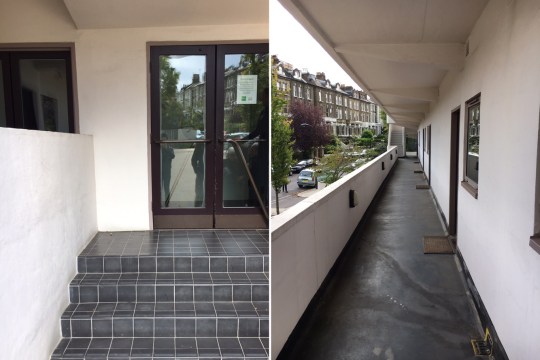
I previously visited the Isokon building and mini museum when I started doing this blog. I didn’t have access to the interior of the building so all I came away with were some rather lame iPhone 4s-quality photos of the exterior and the recreation of the kitchen and bathroom in the museum. My more recent trip as part of London’s Open House weekend, which involved a tour of the communal areas and a selection of the different types of flat in the building, was far more fruitful.

img_6901

As I described in my previous blog entry, the building was designed by architect Wells Coates for Molly and Jack Pritchard as an experiment in minimalist urban living and consisted of 24 tiny standard-sizes studio flats, 8 one bedroom flats, a (now closed) kitchen and staff quarters and a large garage. The Pritchards lived in a one bedroom penthouse flat at the top with their two sons next door in a studio flat.
28066352_unknownimg_7742

As part of the Open House tour, we were showed inside two examples of the standard studio flat and excitingly, the slightly larger-than-standard studio and penthouse on the top floor.

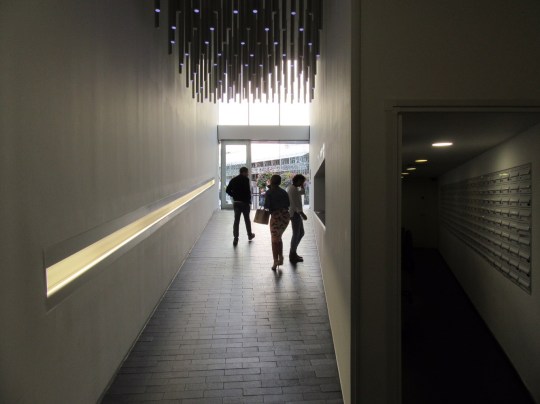
Upon entry into the building, I was struck by the elegantly modernist communal areas decorated with a cool grey, white and wooden colour scheme. The two standard-sized studios that we were shown were accessed via open walkways.
img_7731-128066864_unknown

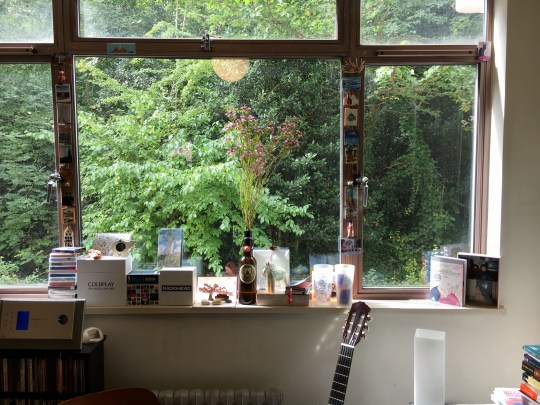
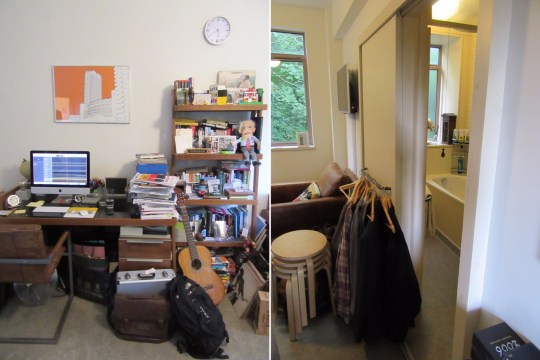
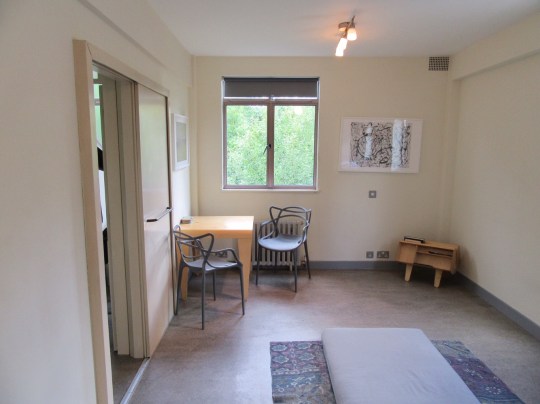
The standard-sized studio flats were very small indeed (we were told that current regulations would prohibit flats of that size being built nowadays) but were well designed, with their original built-in and cordoned off kitchen and bathroom areas intact. We were told that these flats were sold on a shared ownership basis for £95k in 2003.

img_7729img_6909img_773028066640_unknown

The studio flat on the top floor (originally inhabited by the Pritchards’ sons but now owned by someone capable of living a very minimalist lifestyle with almost no possessions) was more generously proportioned.

28067216_unknown28067200_unknown

However, it was the penthouse which had (for want of a better expression) the wow factor. Clad almost entirely in plywood (both the walls and the floor), it had a separate bedroom and large living room which opened out onto an enormous terrace.

img_6940img_7740img_6951

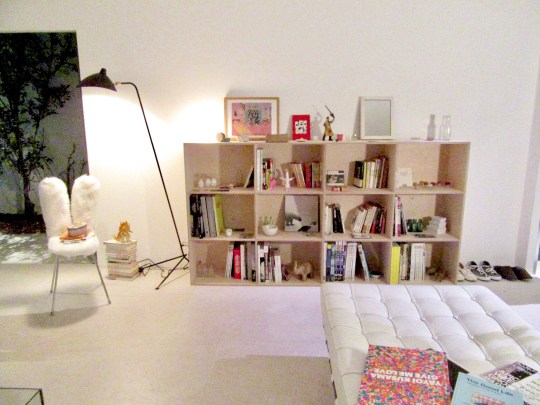
The penthouse, which I’d previously seen featured in the Evening Standard, is currently owned by the founder of aspirational Scandi furniture store Skandium and so was beautifully furnished with a mixture of furnishings and design objects appropriate to the era of the building.

img_6944img_7732img_6930img_7739

I have no idea how much something as special as the penthouse would cost but one bedroom flats and studios have come onto the market before and sold for between £500-600k, which I think is a fair price for living in such a stunning Grade I-listed piece of architectural history in a very nice area of North London.

28066240_unknown

Lambert Jones Mews, The Barbican EC2

Lambert Jones Mews, The Barbican EC2
Four bedroom family home on the Barbican Estate
Architect: Chamberlain Powell & Bon
Year built: 1974

I have come to terms with the fact that I am very unlikely to fulfil my dream of living on the Barbican estate in my lifetime: given my current situation, the studios and one bedroom flats are too small and anything larger than that is either bad value for money (the average price for a two bedroom flat appears to be around £850-900k) or just completely unaffordable.

The Lambert Jones mews houses are definitely an example of the latter so when I saw that one of the houses was open to the public as part of Open House this year, I seized the chance to have a nose around a house completely out of my reach.

28065248_unknown-1img_7244

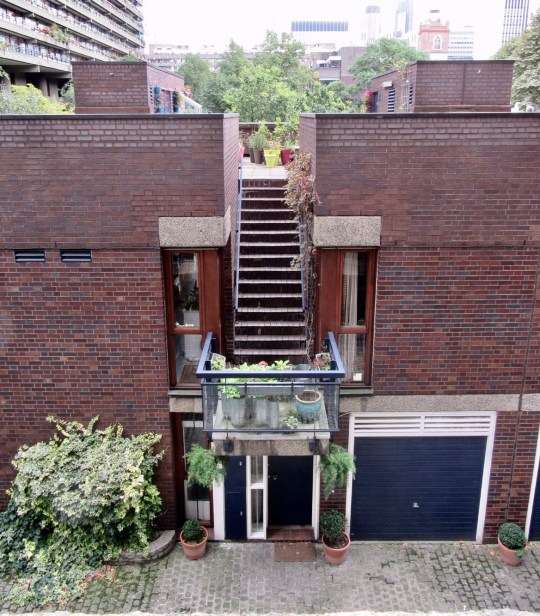
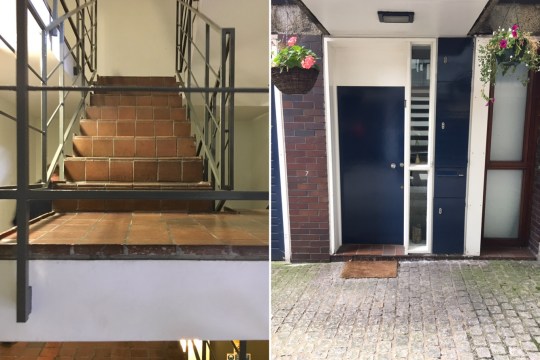
The house, one of only eight on the entire estate, was accessed via a residents’ stairwell and private cobbled street (apparently designed to resemble fashionable West End mews housing) usually sealed off to members of the public.

28065280_unknownimg_7246

The ground floor contained two bedrooms, one of which had direct access to the residents’ gardens, a bathroom, the integral garage which the owners had converted into a further bedroom and the main reception room which had a double height ceiling and window overlooking the gardens.

28065920_unknownimg_7250

An open tread iroko staircase led upstairs to a galleried dining area (from which you could look down over the main reception room), a second bathroom, the master bedroom with some nice views over the gardens, the kitchen and another bedroom, both of which had double height ceilings and led out onto a small balcony. From here, a further flight of external steps led up to a private roof terrace which was connected by a communal walkway to the roof terraces of the neighbouring houses and looked out over the residents’ gardens and the Barbican Centre.

28065856_unknownimg_724928065840_unknown

The house was full of the details associated with Barbican properties: sliding partition doors separating living and sleeping areas, strategically placed windows, exposed concrete and brickwork, that handy cupboard by the front door for storage, postal deliveries and rubbish collection and all of the original plug, light and switch fittings. While there was a lack of light (perhaps due to these houses being slightly walled in by the rest of the estate?), this was a very special, rare house and clearly one of the most prestigious residences on the estate.

As one of the owners put it, Barbican residents often progress through a “Barbican food chain” from studio flat to one-bedroom flat to two-bedroom flat to three-bedroom flat in one of the towers and then if really fortunate, to one of these four bedroom mews houses at the very top of the chain (!).

28065712_unknownimg_7251

The Lambert Jones mews houses do occasionally come up for sale. This more neutrally decorated example was sold for £2.5 million earlier this year.

28065488_unknown

The Rotunda, Birmingham B2

The Rotunda, Birmingham B2
Grade II converted apartment block
Architect: James A Roberts
Year built: 1965

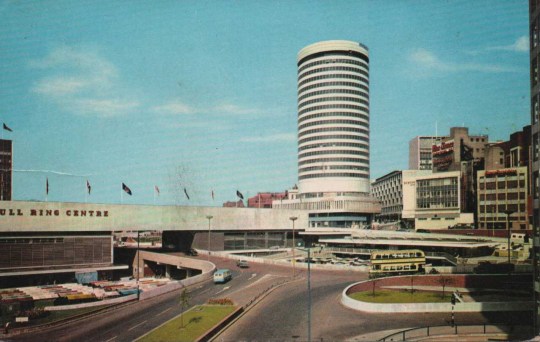
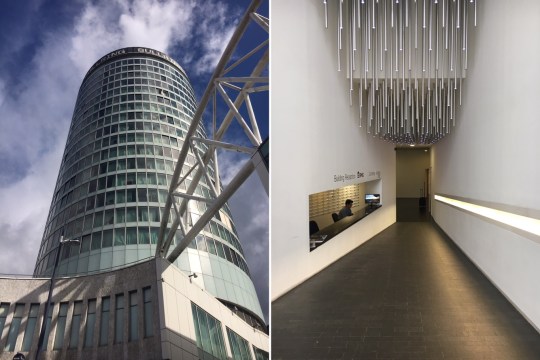
Completed in 1965 as a mixed-use office block as part of the James A. Roberts-designed post-war Bull Ring Shopping Centre development, the Rotunda is one of the few mid-century buildings left standing in Birmingham after years of regeneration which has seen the 1960s station, shopping centre and numerous John Marin brutalist buildings demolished to make way for glass and steel replacements.

img_6817

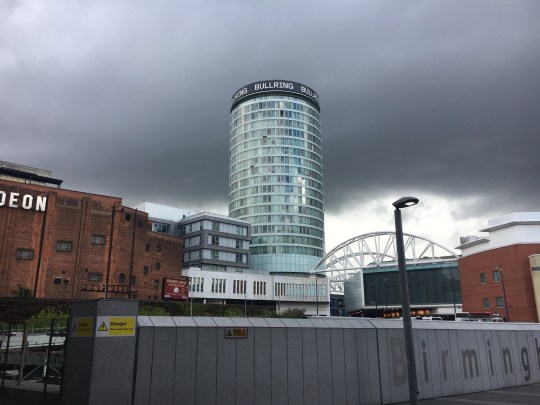
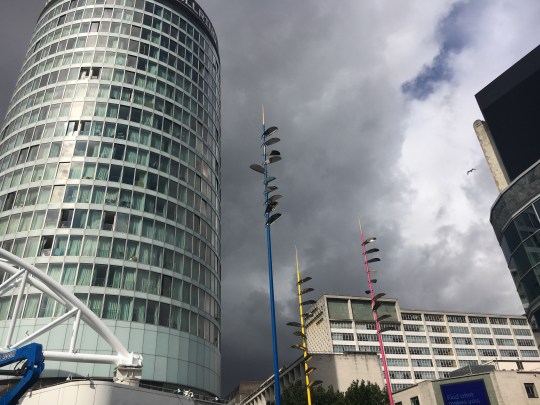
The Rotunda almost met the same fate when it was threatened with demolition in 1993 but was saved by English Heritage and was given a Grade II listing in 2000. It sat empty for a number of years before being refurbished and partially converted for residential use by developer Urban Splash and Glenn Howells Architects. The refurbishment involved updating the façade by fitting 72 floor-to-ceiling height glass panes, each placed at 5° to the neighbouring window and carving the internal space up into 232 luxury apartments. All of the flats except those on the top floors, which are let out as serviced apartments, were bought up by eager buyers (most of them buy-to-let investors) in just three hours at the height of the market in 2005 – these buyers were to end up losing out in spectacular fashion when the credit crunch hit in 2008.

img_6735img_7001

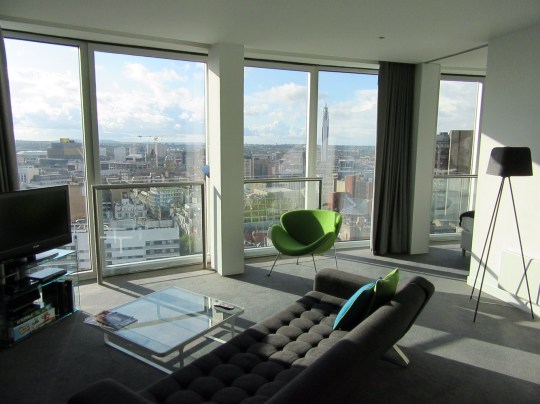
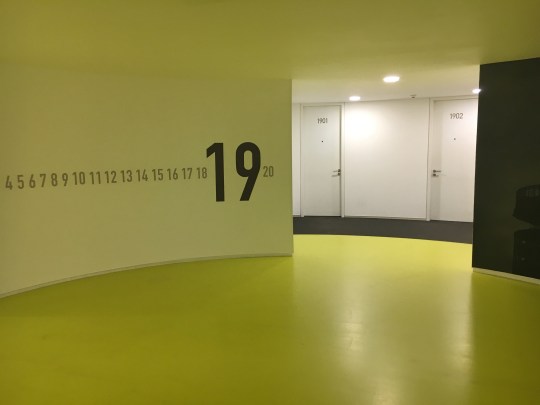
A trip to visit friends in Birmingham last weekend provided us with the perfect opportunity to stay in one of the serviced apartments on the 19th floor of the tower. The building looked almost completely contemporary in person, perhaps due in part to its new glass facade and renovated lobby area, a gently sloping stone ramp with a rather busy light display overhead.

28064912_unknownimg_6811

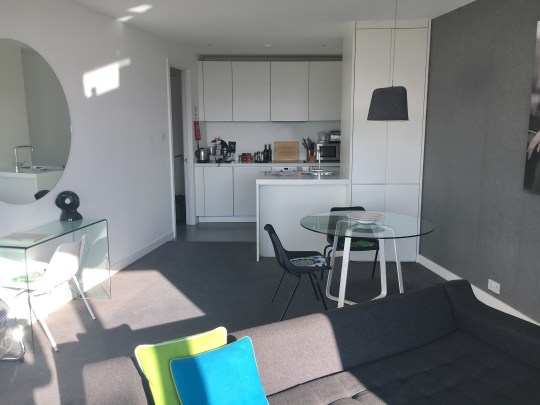
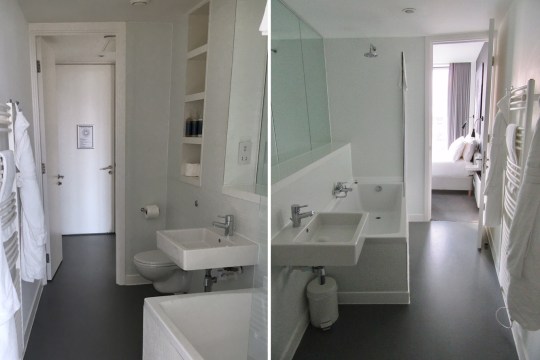
The flat itself consisted of a large open plan living area and sleeping area separated by a sliding wall. A “jack and Jill” bathroom (i.e. with a door at each end) ran down the side of the flat, providing a direct route to the sleeping area from the front door.

28064640_unknownimg_7002img_6792

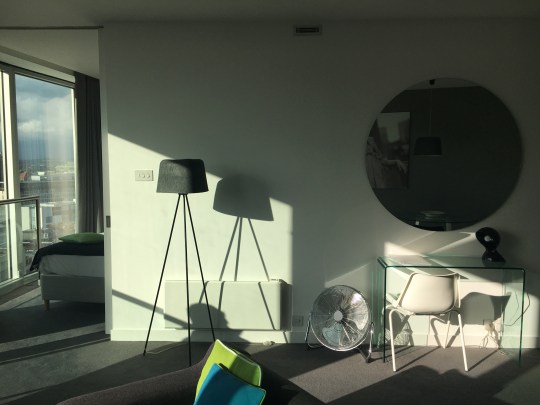
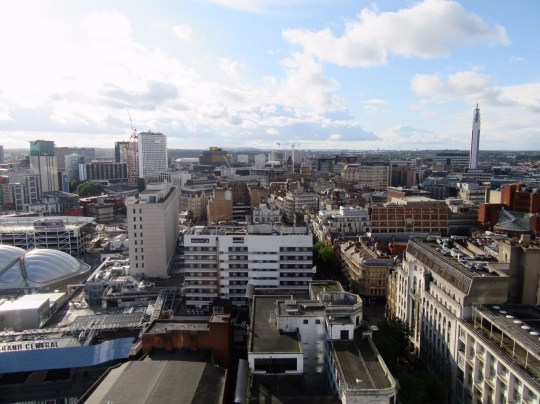
This space-optimising layout together with the sparse yet tasteful furnishings (slightly naff colour scheme and artwork aside) and curved floor-to-ceiling windows made the flat seem a lot larger than it actually was. The views over Birmingham city centre were fantastic as well.

img_6770img_700428064864_unknown-2

Flats in the building occasionally come up for sale. Even post financial crash, they’ve been pretty expensive for Birmingham (£350,000 for a two bedroom flat – this would buy you a sizeable semi-detached house elsewhere in the city). That said, if I were to move to Birmingham, I certainly wouldn’t mind living here.

img_6741


Hoover Building, Perivale UB6

Hoover Building, Perivale UB6
Converted Grade II* listed Art Deco factory building
Architect: Wallis, Gilbert and Partners
Year built: 1933-1938

Despite not being a particular fan of Art Deco and having no particular desire to relocate to Perivale, West London, I was sufficiently convinced by the slick marketing materials for flats in the converted Gilbert and Partners-designed Hoover Building to trek across London to attend the open day.

27536224_unknown27536352_unknown

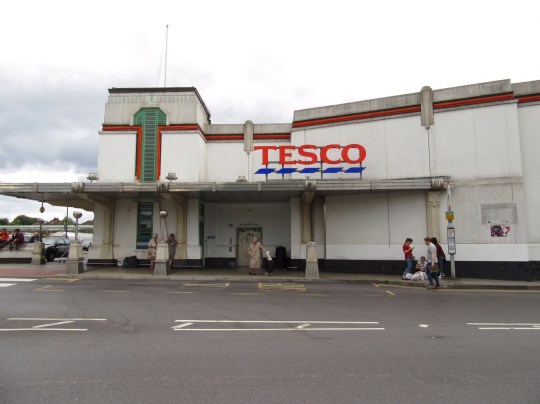
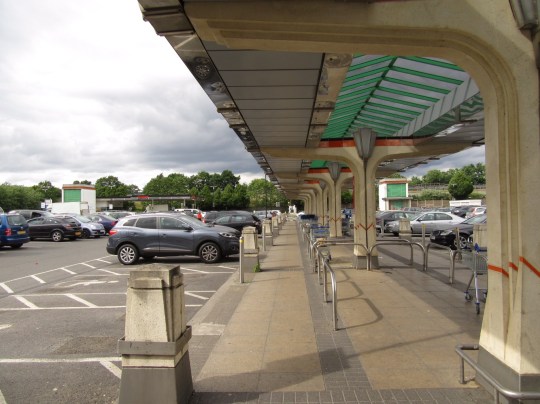
The Hoover building was built for the Hoover Company in 1933 and was used as a factory until the 1980s at which point it was sold on (though thankfully not before receiving a Grade II* listing), some of it to Tesco, which explains why there’s an unusually Art Deco-styled Tesco superstore and car park to the rear of the site.

27537072_unknown27536368_unknown27537040_unknown

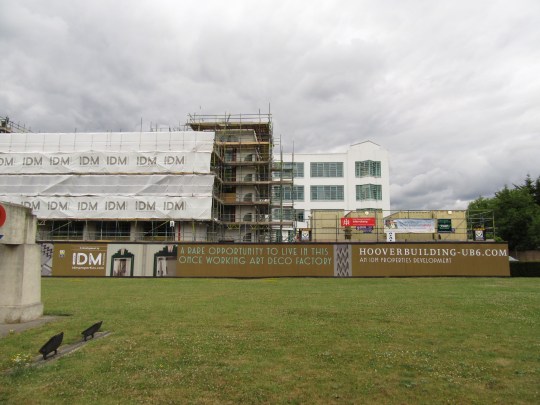
Come 2017, IDM bought up the front section of the main building to convert into “luxury” flats with the intention of salvaging and reusing as many of the original Art Deco features as possible throughout the building in order to retain the ‘full glory of the stunning architectural treasure’ (to quote the marketing materials).

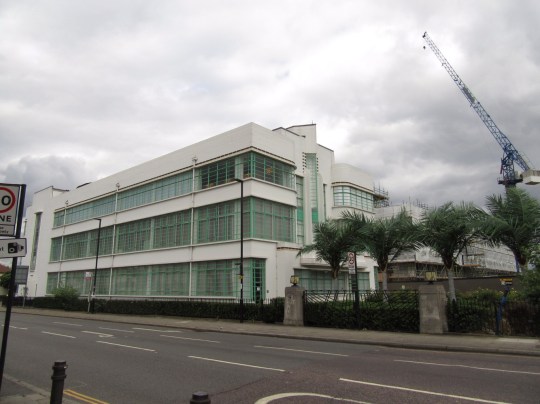
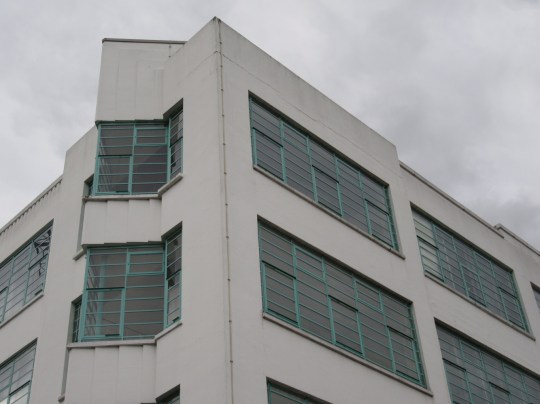
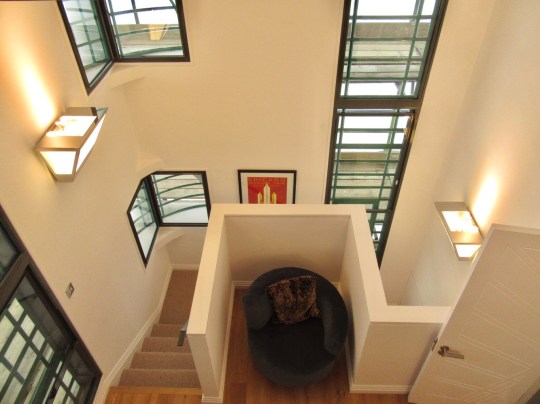
The redevelopment was only partially complete on the open day. The exterior of the building was a striking Art Deco fortress of white walls and green-framed Crittall windows – as were the communal areas and rather dramatic staircases.

27536304_unknown27536944_unknown

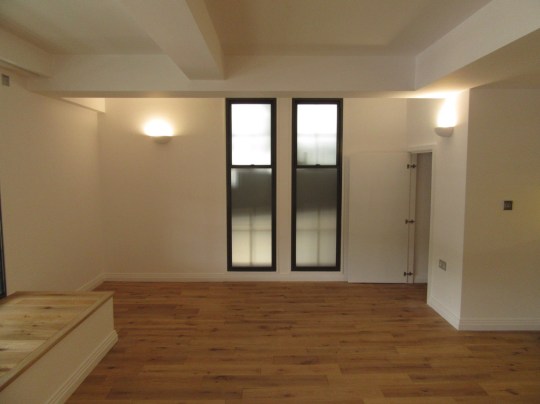
The flats themselves were a mixed bag. One of the main problems that I usually have with conversions of any kind is the tendency for them to have irregular floorplans, oddly placed/sized windows and weirdly proportioned rooms. The first flat featured all of these pet peeves: it had two bedrooms (one with a high window which looked out onto nothing and so had been fitted with an frosted pane) and an irregularly shaped open plan living area with yet more completely frosted windows and a random raised area (probably housing some pipes or something) by an actual window which looked out onto that busy road.

27536448_unknown

The second flat was much more attractive but this too had a strange layout. Upon entering, you ascended a flight of stairs to a landing area which led to one of the bedrooms, the bathroom and the living room (which opened out onto a generously sized terrace).

27536736_unknownimg_673227536816_unknown

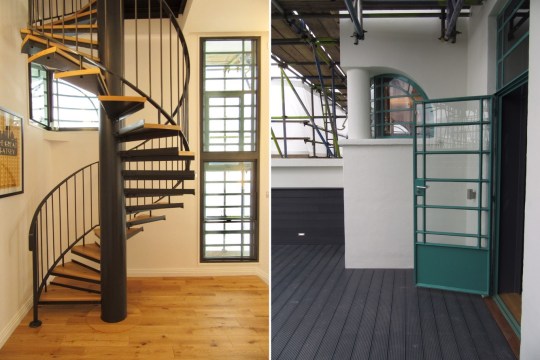
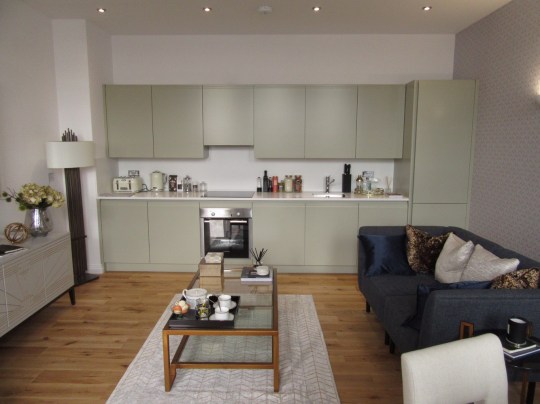
The second bedroom was accessed via a spiral staircase in the middle of the landing area. This bedroom had its own ensuite and a second terrace which could only be accessed by crawling through a waist-height window. This particular flat had been dressed to the nines in a sort of old Hollywood Art Deco style which gave me American Horror Story: Hotel vibes – probably not the intended effect.

27536688_unknown27536832_unknown

The flats were reasonably affordable but all of the ones with decent floorplans had already been reserved off plan (including all of the ones resembling the second show flat). As such, a move to Perivale is not on the cards.

Du Cane Court, Balham SW12

Du Cane Court, Balham SW12
Art Deco apartment block
Architect: G. Kay Green
Year built: 1935-1938

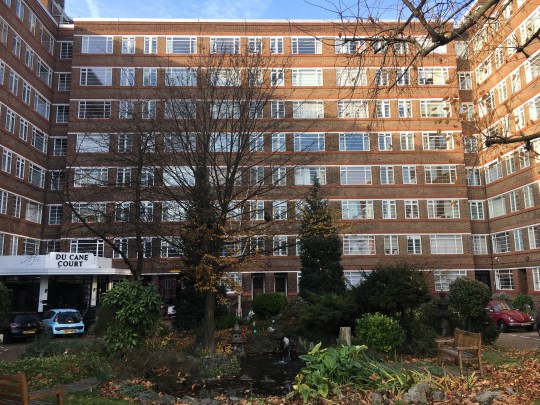
Du Cane Court is a distinctive 1930s Art Deco block on Balham High Road. Reportedly the largest privately owned block of flats under one roof in Europe, its distinctive footprint was used as a navigational landmark by German pilots bombing London during the Second World War and was also a popular place to live for many music hall stars in the 1930s and 1940s.

img_2819

I’ve never been a huge fan of Art Deco as I find the aesthetic a bit too fussy and vintagey but Du Cane Court is such an iconic block in such a convenient location that when two flats came up for sale in my price range last year, I was intrigued enough to want to view them.

img_6543img_2794

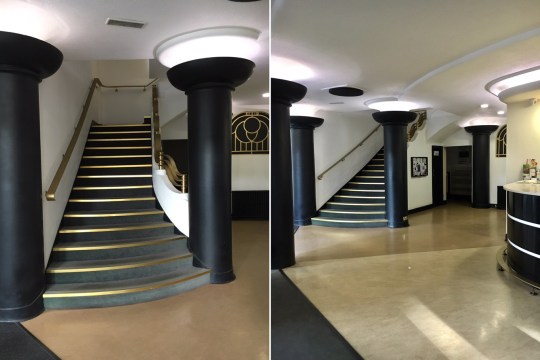
First impressions were good. The block, vast and uniform, looked imposing from the road and was complemented by some attractive Japanese-style landscaping. The glamorous if slightly kitschy communal lobby was like something out of a Agatha Christie novel set in the 1930s with period furnishings, a lot of curved surfaces, pillars and gold accents.

img_2705img_6555

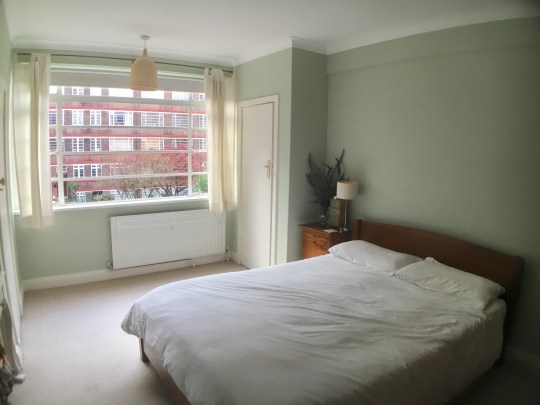
The first flat that I saw was a 2 bedroom flat on one of the lower floors of the building, accessed via a very long carpeted corridor. Like a lot of flats from this era, it had a lateral layout with all of the rooms lined up in a row, accessed via one long corridor down the side.

img_2710img_2720

The combination of layout and the fact it was on a low floor meant that the flat felt a bit dark. Looking out of the windows into the internal courtyard and the hundreds of other flats in the block (all of the rooms had the same outlook given the lateral layout) wasn’t for me.

img_6541img_2716

The other flat was a self contained split-level maisonette with its own front door accessed via the side of the block. This was better but there was something odd about the way it had been converted and renovated, particularly the downstairs kitchen and living area which was sort of open plan but sort of not. The existing owner had decorated in a way that was sympathetic to the era but the flat wasn’t quite to my taste overall.

img_2761img_6540img_2732

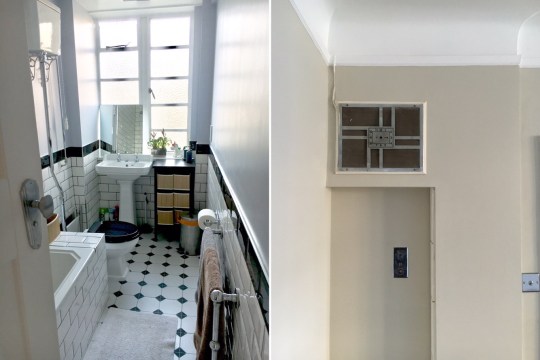
I’ve since seen a really nice example of a one bedroom flat in the block on the Modern House website. The vendor had done a very high-spec all-white renovation job, which gave the place a far more contemporary (yet still fitting) look.

img_2807

Mid-century dining table

After ten years of daily use, the faux-tulip Docksta table in my living room was starting to resemble a slightly grubby and scuffed piece of garden furniture (Ikea furniture isn’t generally built to last) so I thought it was time to invest in a replacement.

I’d long admired and lusted over that Hans Olsen dining set with the triangular-shaped chairs that slot neatly under the table, especially after having seen a beautiful white topped version in a flat in Stoneleigh Terrace on an Open House tour. However, I recall sitting on one of the chairs at a furniture fair and finding it really uncomfortable, especially across the back. I also thought that the combination of wooden Royal system and wooden dining set in my living room might be a bit much.

Retro Livingimg_6174

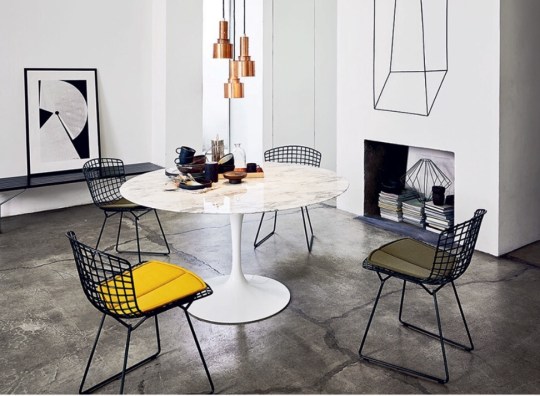
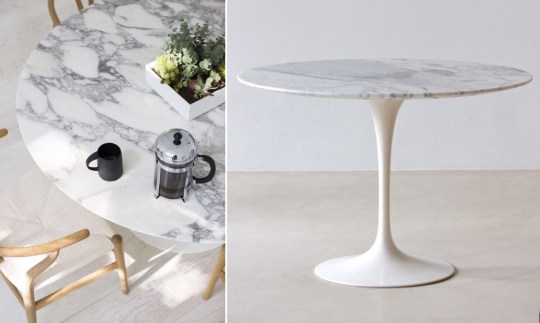
The other option was to upgrade my faux-tulip table to the genuine article in Arabescato marble, another design item that I’ve been lusting after for a long time, which would allow me to keep my hotch potch of dining chairs.

img_6163img_6181

It so happened that a really nice example of both a white-topped Hans Olsen dining set and a genuine Knoll marble-topped tulip table in exactly the right size appeared on eBay at the same time.

After a bit of pondering, I decided to maintain my current living room aesthetic and went for the tulip table, which as luck would have it, ended up being a bit of a bargain. As you can see, it looks almost exactly the same as the old one, just a bit nicer.

img_6145
27801040_unknown

At the time of writing, the Hans Olsen set is still available to buy on eBay.

Photos of Hans Olsen table above courtesy of retroliving.co.uk

The Homewood, Esher, KT10

The Homewood
National Trust modernist country house and garden
Architect: Patrick Gwynne
Year built: 1938

Built in the 1930s by architect Patrick Gwynne, the Homewood is a modernist masterpiece of a house surrounded by a picturesque woodland garden in affluent Esher, Surrey. The architect lived there on and off from its completion until his death in 2003 – his friends described the house as the great love of his life, presumably over and above his actual human partners. Sometime before he died, he bequeathed it to the National Trust on the condition that a family would live in it and that it would be open to the public for one day a week for six months of the year.

27273408_unknown

I’d wanted to visit for ages so I felt particularly aggrieved when I was struck down with some kind of mystery illness on the day of my pre-booked National Trust tour. Determined not to let a bit of nausea get in the way of my visit, I somehow managed to haul myself there and get through the majority of the very informative if rather militantly run house tour (no photography, no shoes and unfortunately for me on the day, absolutely no sitting down anywhere). Despite seeing everything through a fug of sickness, I found the house and the gardens to be absolutely breathtaking.

27273312_unknownimg_577127273568_unknown

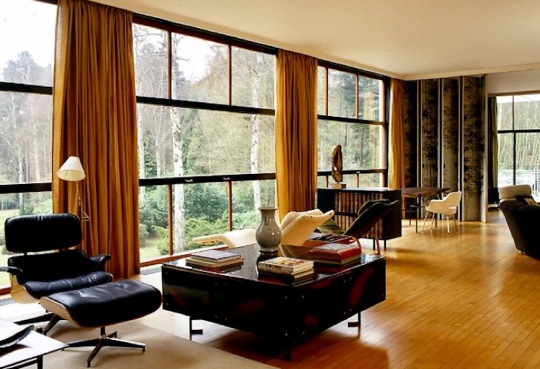
Like all great modernist architecture and design from the 1930s, the house and its furnishings seemed incredibly contemporary. The exterior was all modernist lines (the upper floor was partially supported by stilts – one of my favourite modernist design features), industrial materials and lots of glazing.

27273424_unknown27273120_unknown

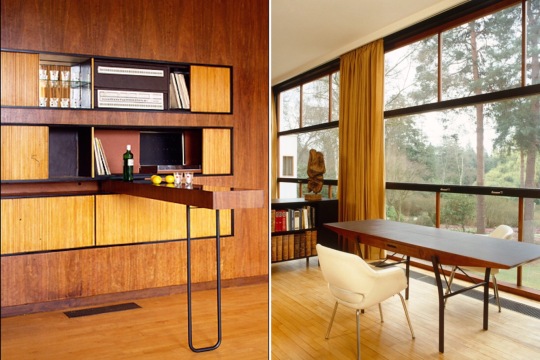
Inside, the space felt largely open plan, with living areas marked out by sliding partitions and furniture arrangement. The obvious highlight of the house was the spectacular living area on the first floor, spanning the entire length of the house and featuring floor-to-ceiling windows looking out onto that woodland garden.

img_5652img_5772img_5766

At one point during the visit, we encountered the tenant currently living in the house, as per the architect’s wishes. Though the tenant was clearly grateful for the opportunity to live somewhere so spectacular, some of his comments suggested that living in a National Trust period piece of a house had its disadvantages, namely having to keep everything exactly as is, no mod-cons, poor insulation during the winter and having complete strangers trample through your home every other weekend for a couple of months of the year.

img_5764-1img_5769

Unfortunately, that was the point that I had to bail, my nausea depriving me of the opportunity to poke around the upstairs bedrooms, bathrooms and gardens: I will certainly be returning to complete my visit before the summer is over.

27273376_unknown

Interior photos courtesy of Dennis Gilbert/The National Trust and midcenturyhome.com

The Japanese House: Architecture and Life after 1945, Barbican art gallery

I love a good exhibition at the Barbican. The brutalist gallery space with its unusual yet logical layout has played host to a run of excellent, sometimes outlandish shows over the years – the sex one and the Viktor and Rolf one with all of the creepy dollies spring to mind as being particularly memorable.

The current exhibition, a Japanese-themed extravaganza focusing on architecture and Life after 1945, was just as good as its predecessors and is likely to be remembered as the one with the Japanese house in the middle of it.

27007808_unknownimg_564927007968_unknown

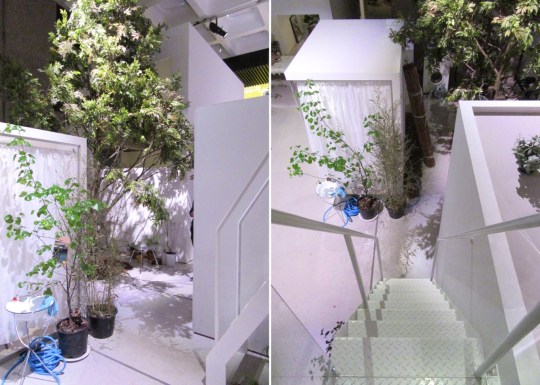
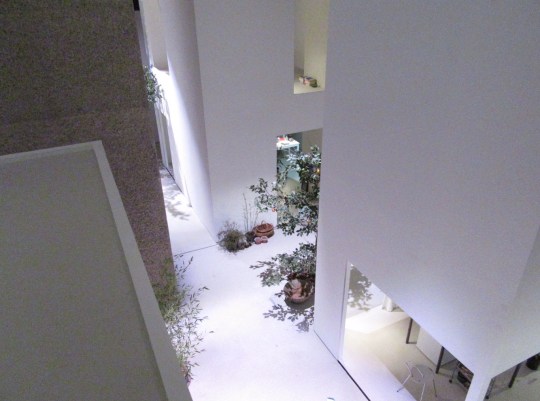
Said house was a fully furnished 1:1 scale replica of the Moriyama House by Pritzker-prize winning architect Ryue Nishizawa from 2005. The house consisted of ten white-coloured individual units, strikingly intertwined with the brutalist architecture of the Barbican gallery space. Where the gallery obstructed the architecture of the house, the structure was sliced open to expose the domestic interior in section.

27009312_unknownimg_5646img_5373

Most of the house was fully accessible: you could amble in and out of the units and garden and the lighting of the gallery was adjusted every hour to quite convincingly mimic dawn to dusk.

img_564727008944_unknownimg_5645

As well as the house, there were loads of interesting images, smaller scale models and videos of equally striking postwar Japanese architecture and design on display. The exhibition is on until 25 June 2017 and is well worth a visit.


Hyndewood, Forest Hill, SE23 

Hyndewood, Forest Hill, SE23
Mid-century extended end of terrace house
Architect: Norman Starrett
Year built: 1950s-1960s

Due to a happy change of circumstances, I’ve changed the focus of my longstanding property search from a modernist property for one to a modernist property for two.

I’ve always quite liked Forest Hill as an area – it’s commutable into the city, it has nice green spaces (including the Horniman Museum gardens with that fantastic view across to the city and Dawsons Heights), the amenities are decent with a nice mix of pointless artisan and essential shops and most importantly, it has a fair amount of nice mid century modern housing stock, including one of those Austin Vernon and partners blocks that I went to see last year and rows of less well known but still interesting-looking terraced houses.

27010832_unknownimg_5609

This house was at the end of a Norman Starrett-designed terrace down a very quiet little close containing a cluster of mid century houses and flats. It looked enormous from the floorplan due to a ground floor extension on the side of the house and appeared to have retained a lot of original 1960s features, including a very stylised kitchen and a lot of wood panelling.

27010608_unknown27010256_unknown

In person, the house was even perhaps bigger than I was expecting it to be. The amount of floor space on the ground floor alone was probably bigger than a lot of two bedroom flats in London that I’ve seen, containing two adjoining reception rooms (both with original parquet flooring), that very retro kitchen, a utility room and a downstairs bathroom. Patio doors led out onto a small paved garden.

27010688_unknownimg_561027010672_unknown

Upstairs were three bedrooms (two double, one single) and a further bathroom (this one with a very period avocado suite) and another bedroom up a further flight of stairs at the top of the house.

27010080_unknown27010016_unknown

The seller was an elderly lady who had lived in the flat for over thirty years and while she clearly hadn’t updated anything during that period, she had maintained everything pretty well, which meant that the house was a nicely preserved time capsule. With a small amount of cosmetic updating (repainting the walls, replacing the carpets upstairs and probably that avocado bathroom) and a bit of good mid century furniture, the house would have been absolutely beautiful.

27009952_unknownimg_561127009984_unknown

The house was also quite keenly priced at £600k, a decision on the seller and agent’s part to get as many offers as possible (most likely over the asking price), allowing for the property to be sold as soon as possible. We didn’t end up putting in an offer as the timing wasn’t quite right (and we had a fair amount of competition from other buyers) but this house will certainly serve as a benchmark for the purposes of our property search going forward.