Garden Royal / Heath Royal, Putney

Garden Royal / Heath Royal, Putney
Architect: Unknown
Year built: 1960s

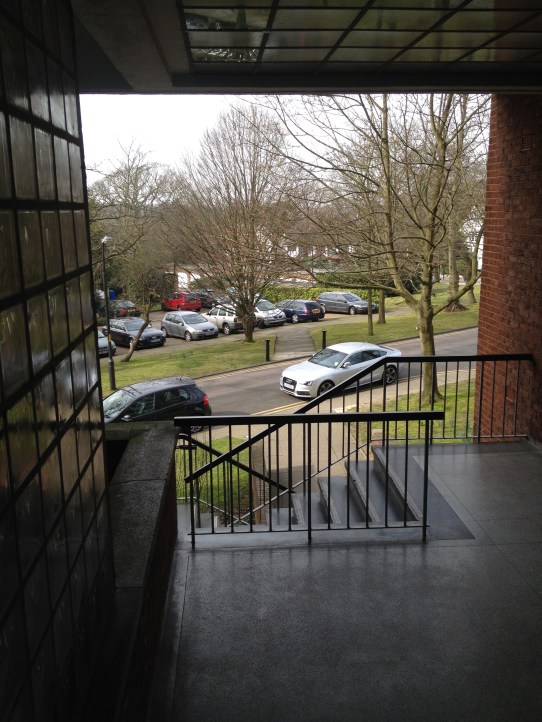
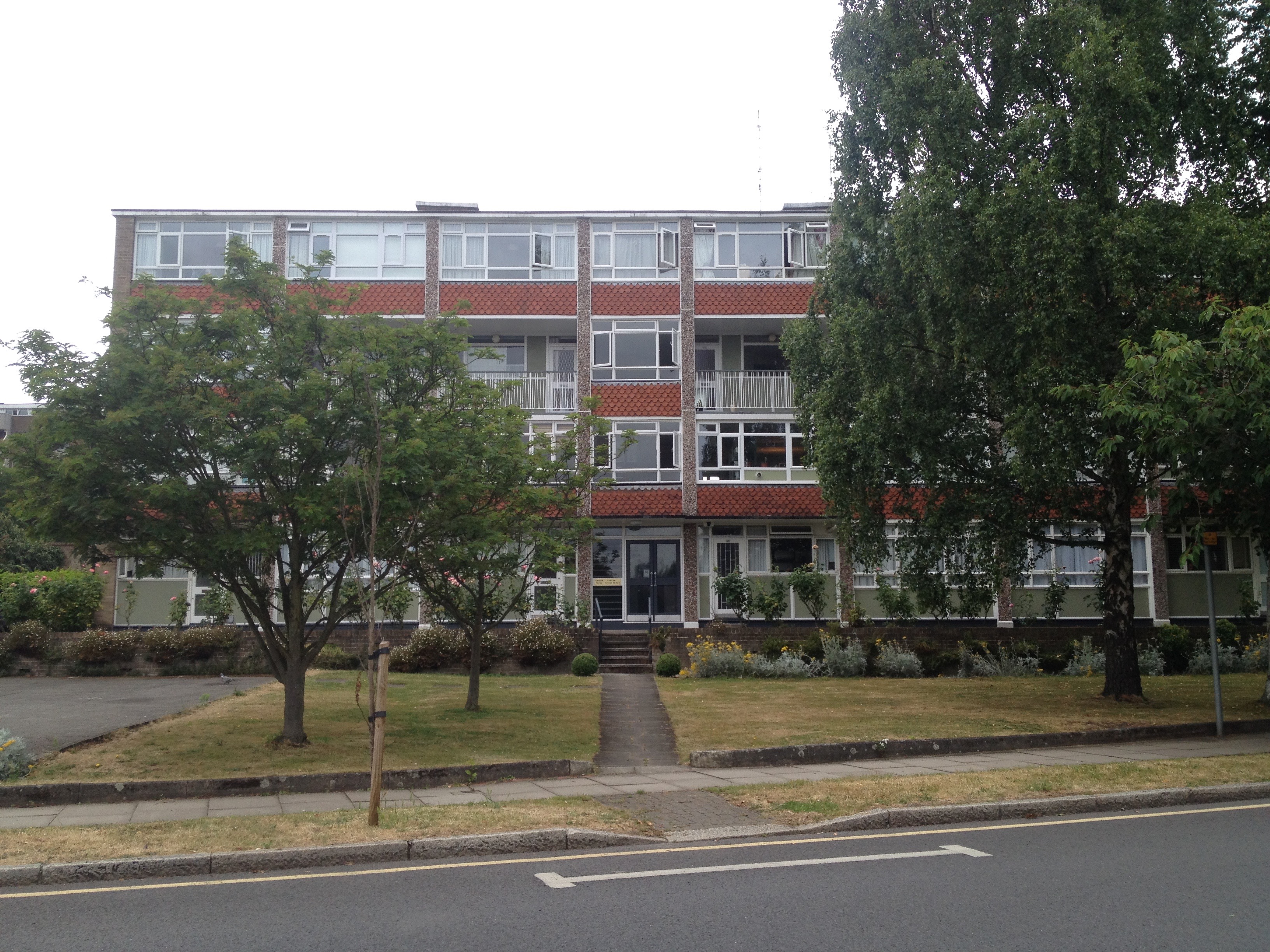
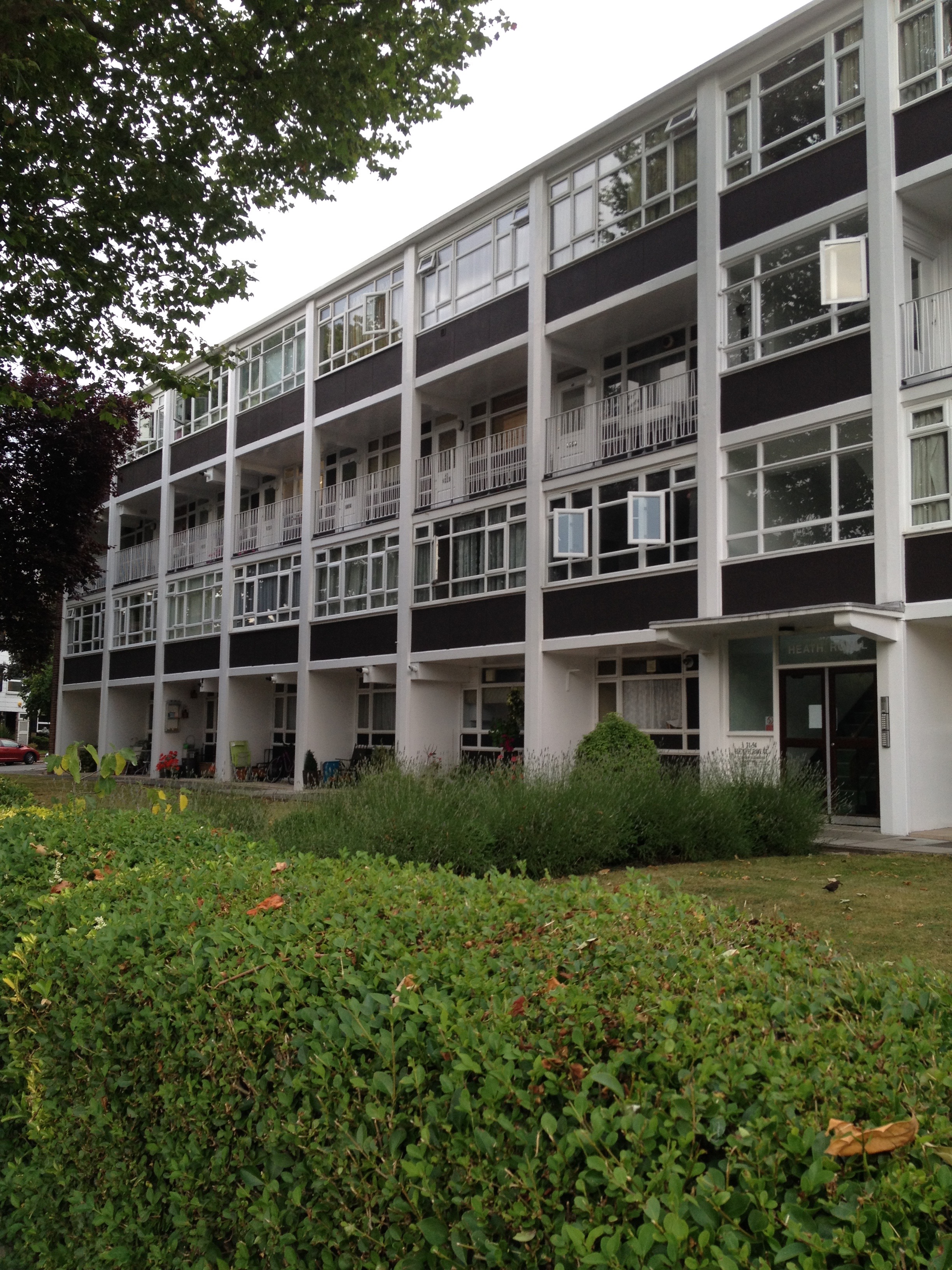
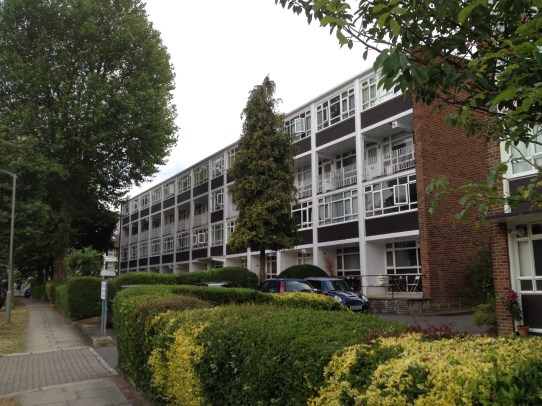
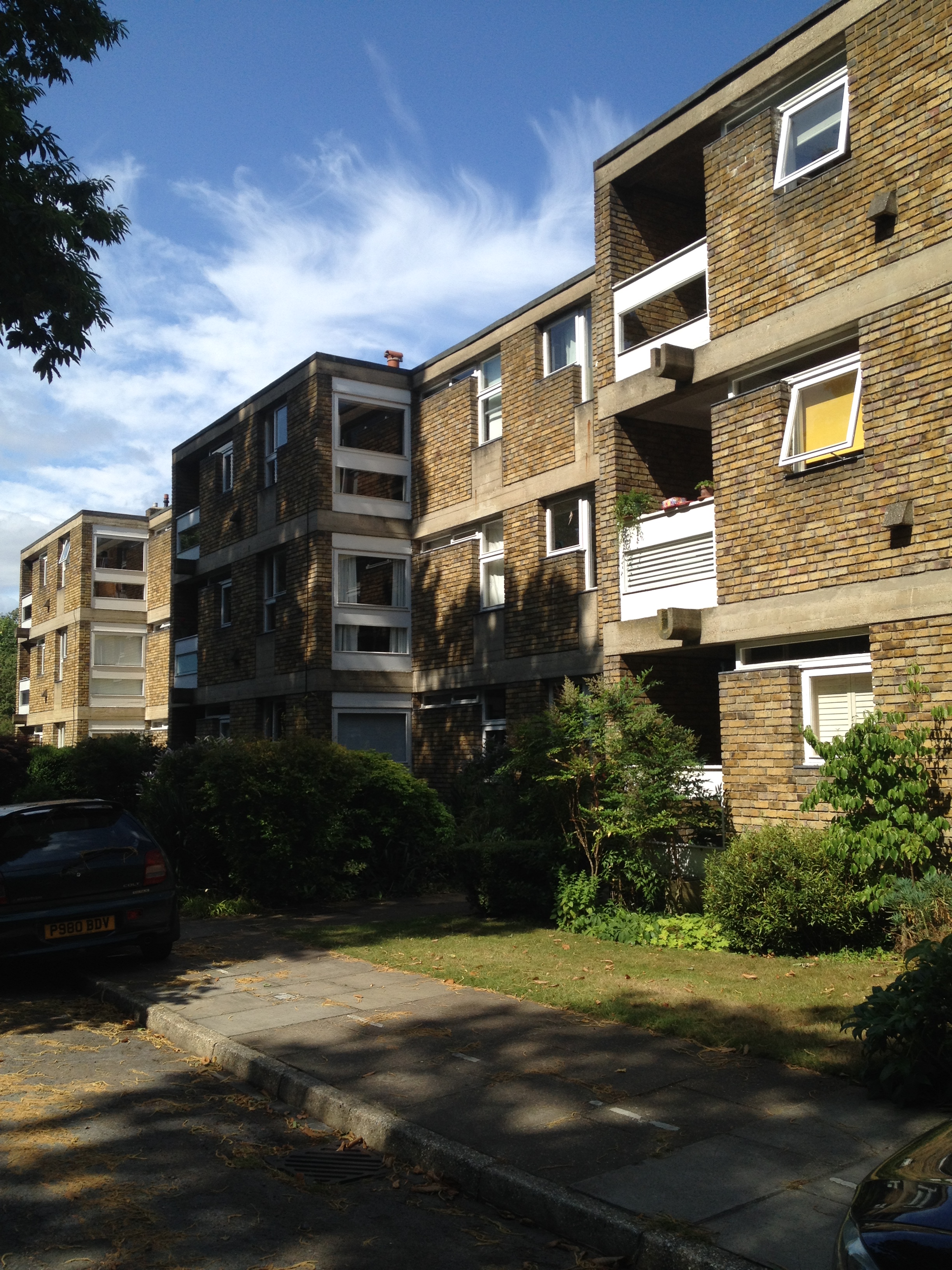
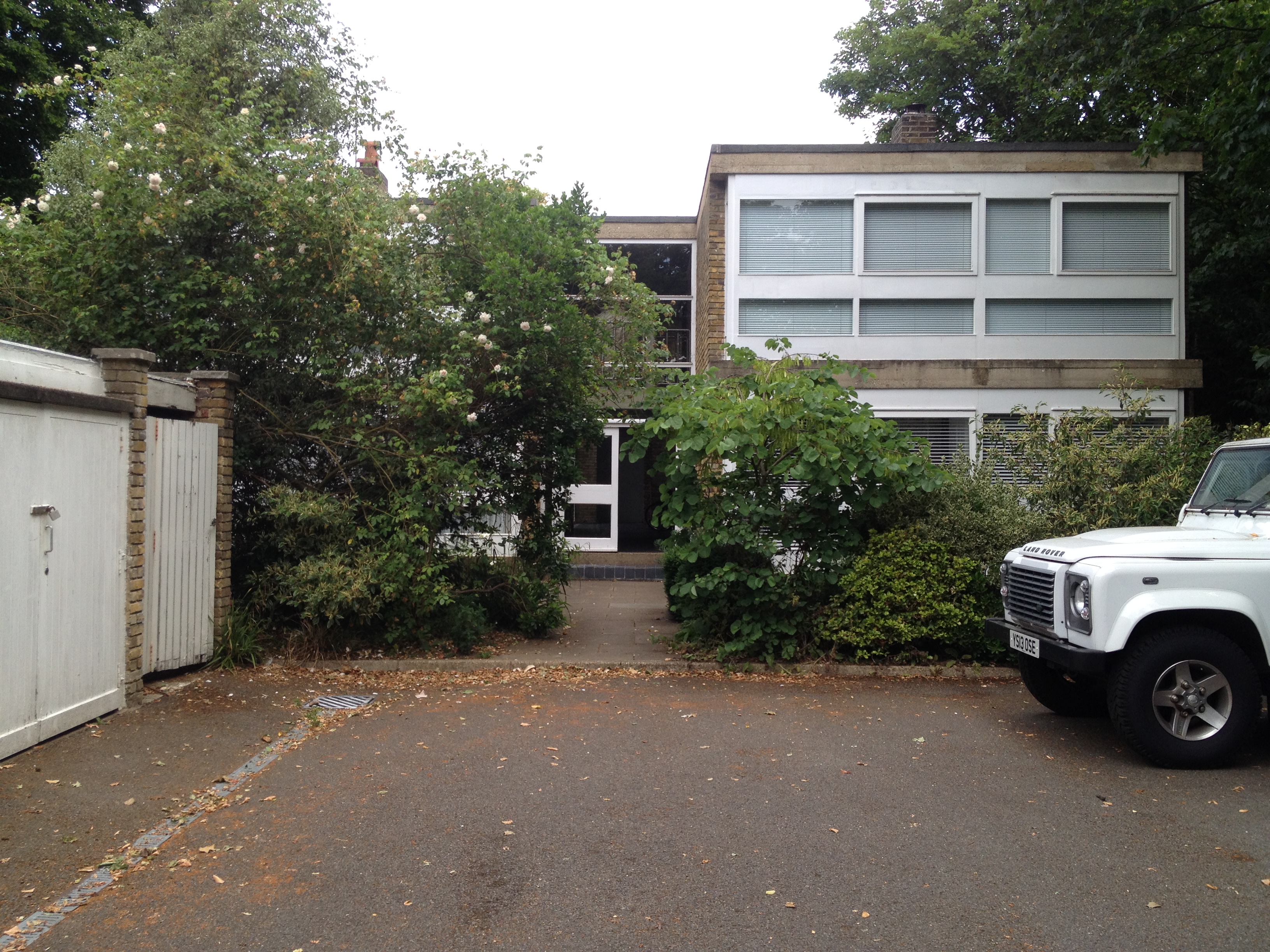
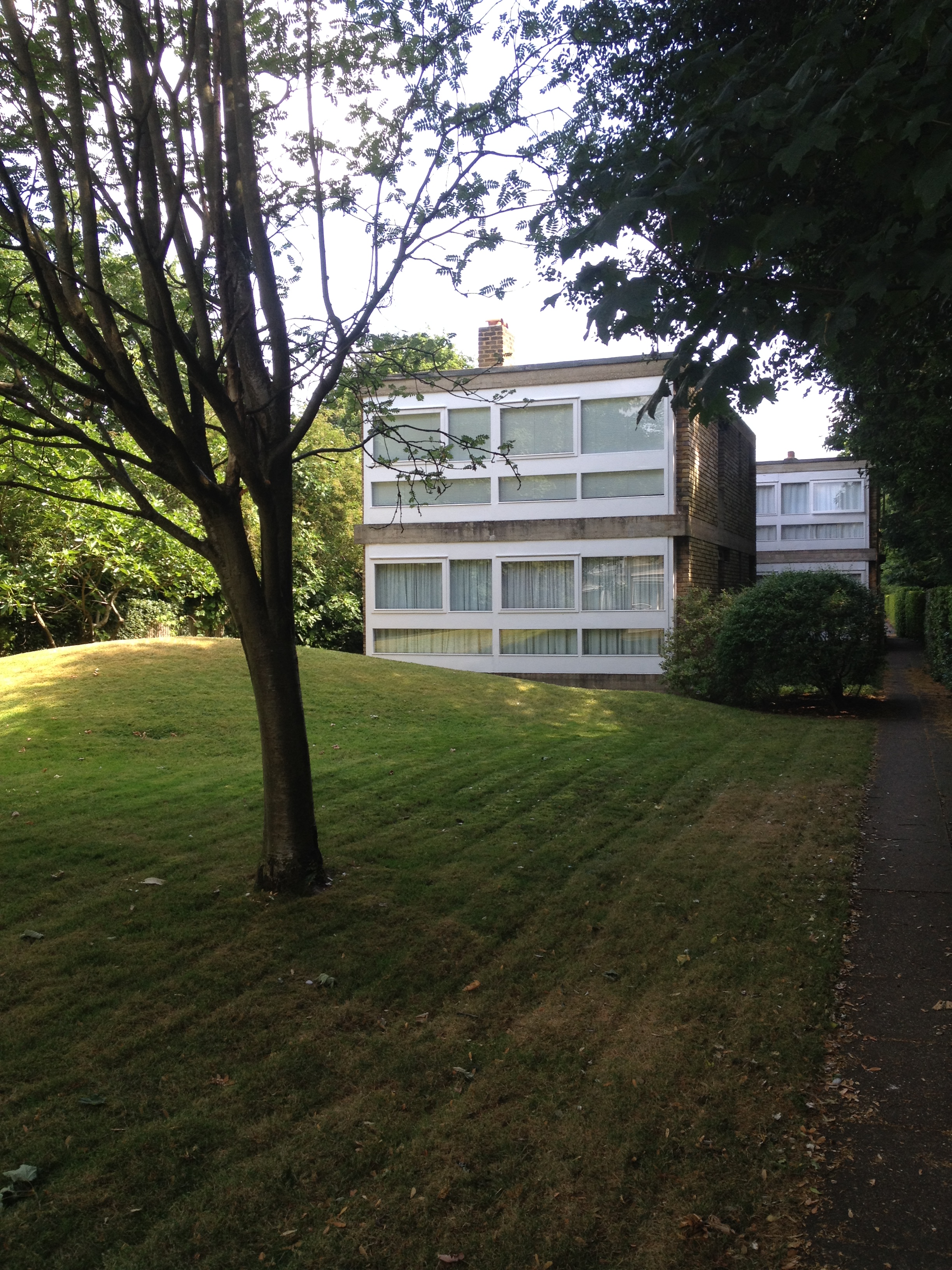
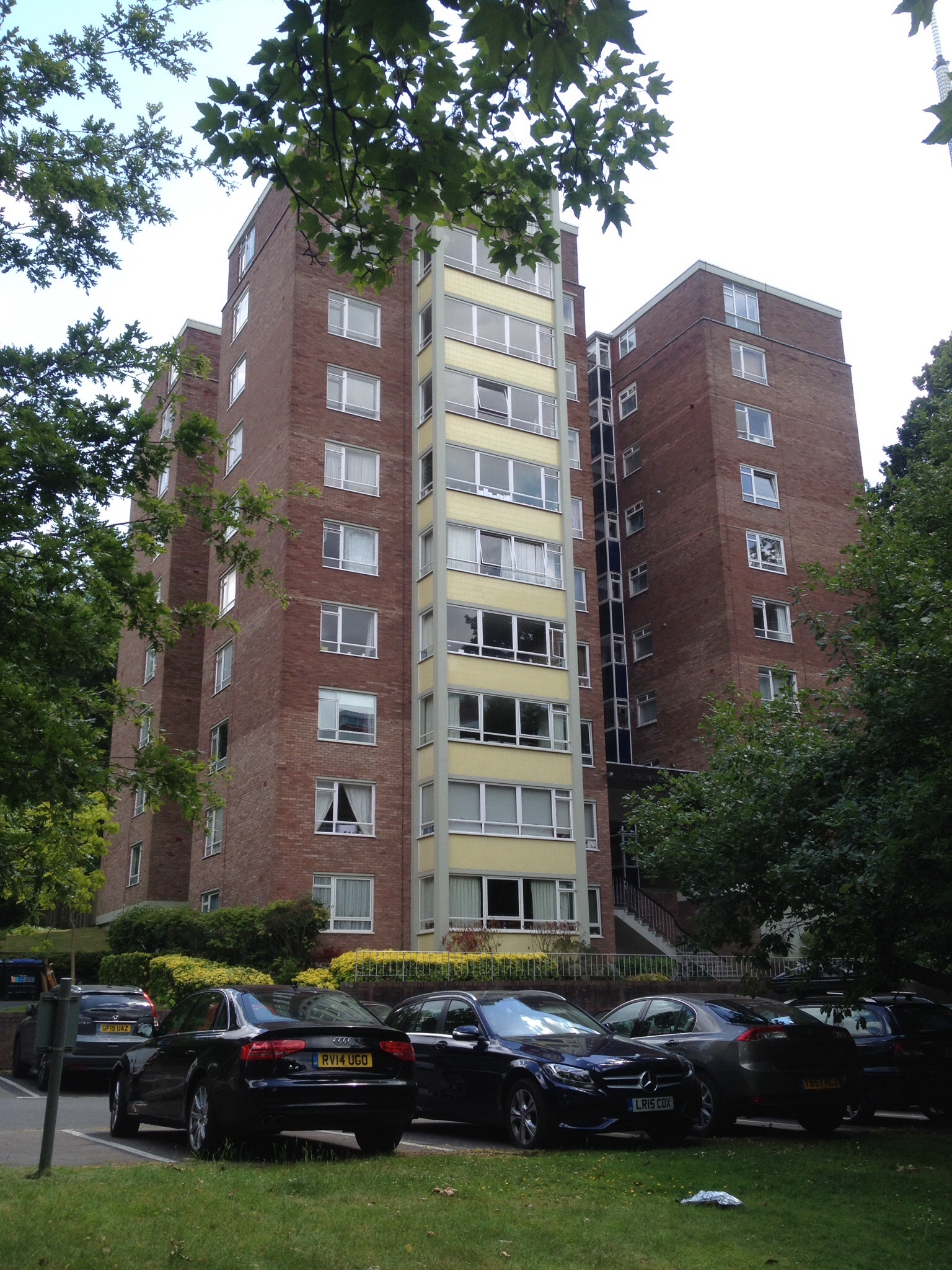
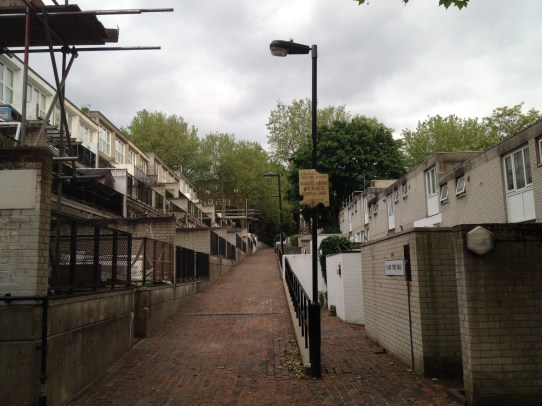
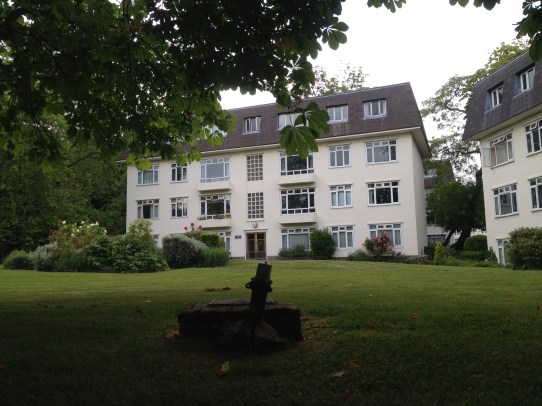
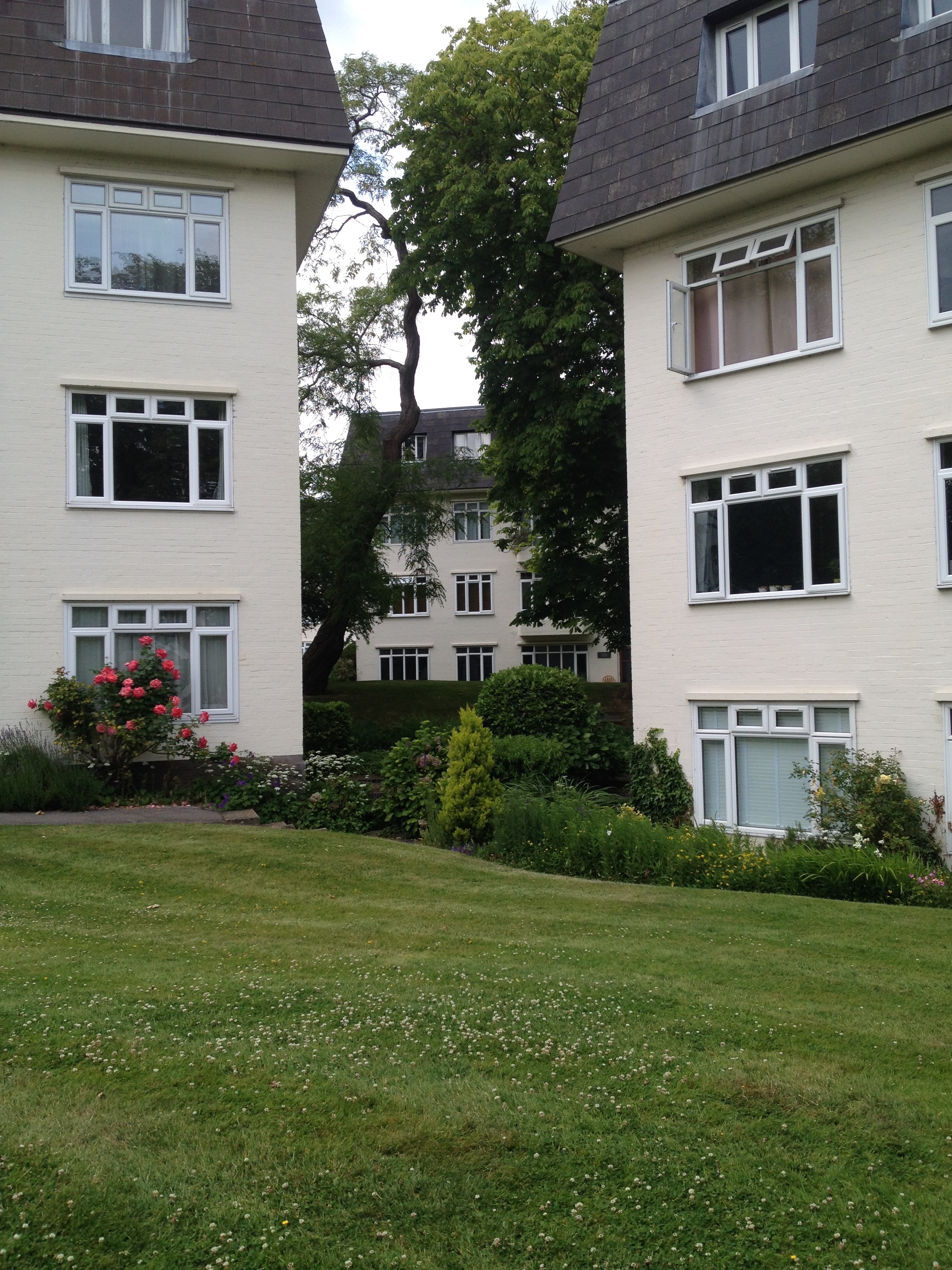
I don’t know much about the history of these two developments in Putney other than that they look, to my untrained eye, a bit 1960s. Given the similarities between the two blocks – Garden Royal (orange frontage) and Heath Royal (dark grey frontage) – I assume that they were built as two phases of the same development at around the same time.

IMG_3019IMG_3017IMG_3091IMG_3090

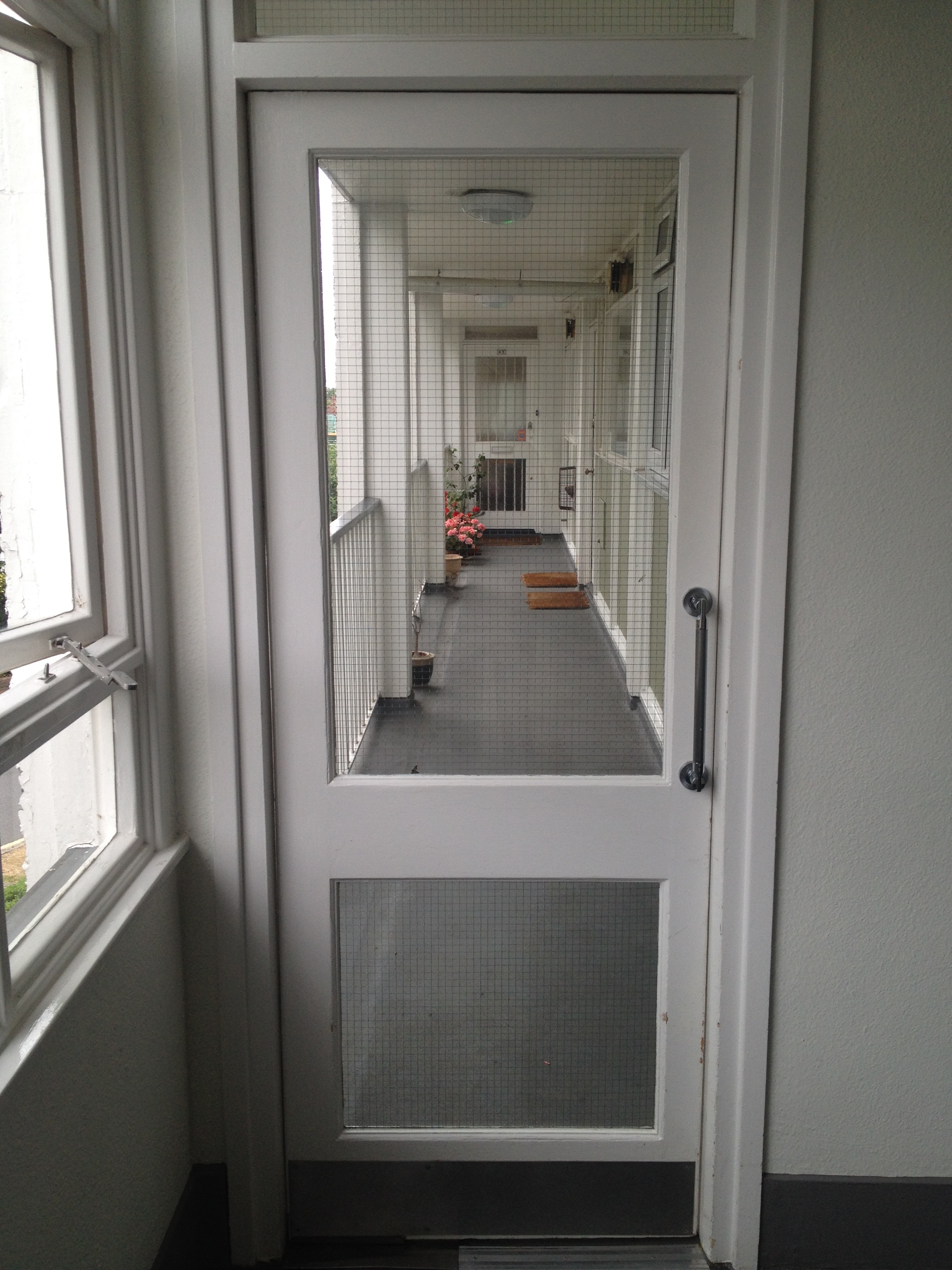
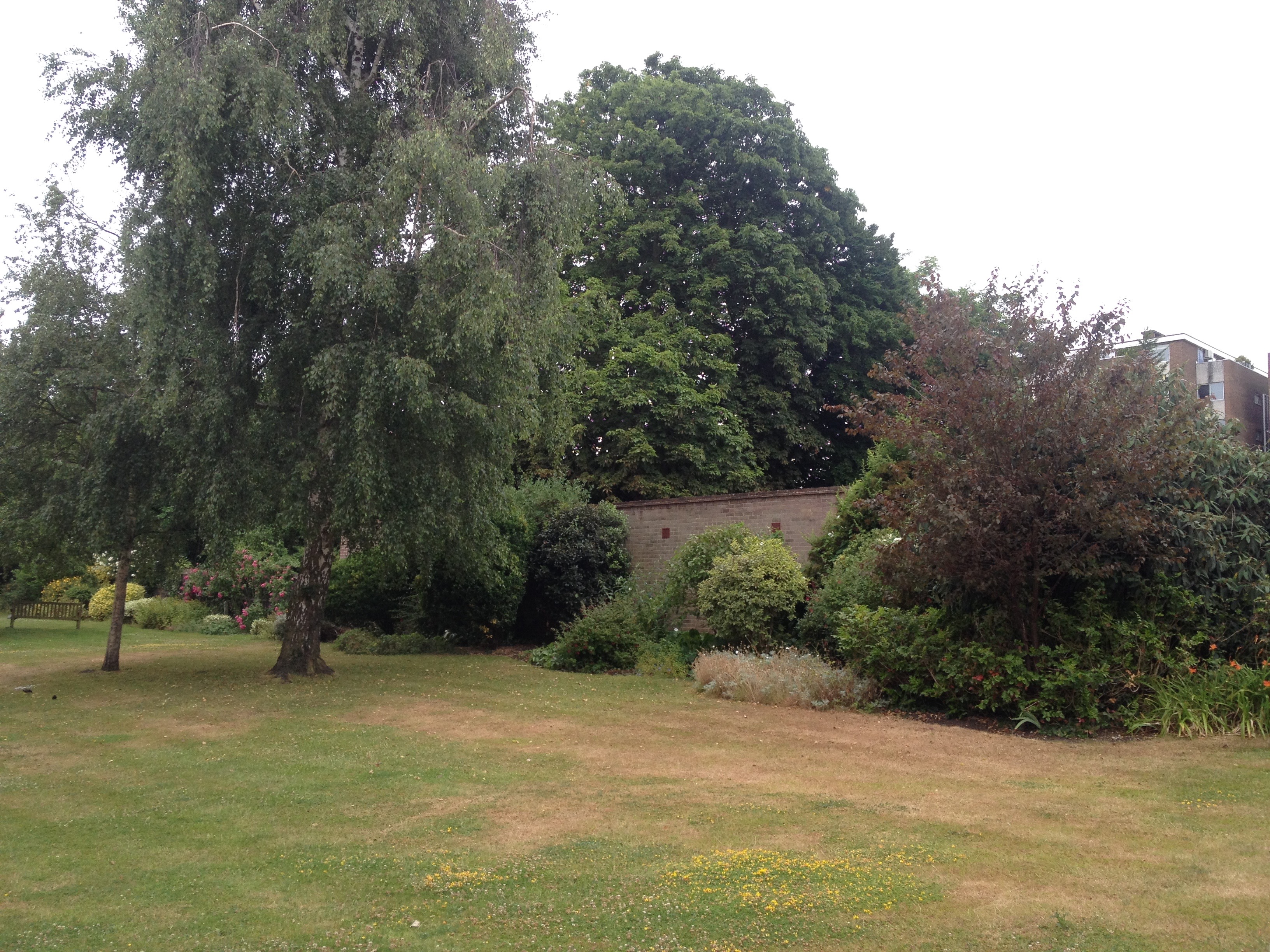
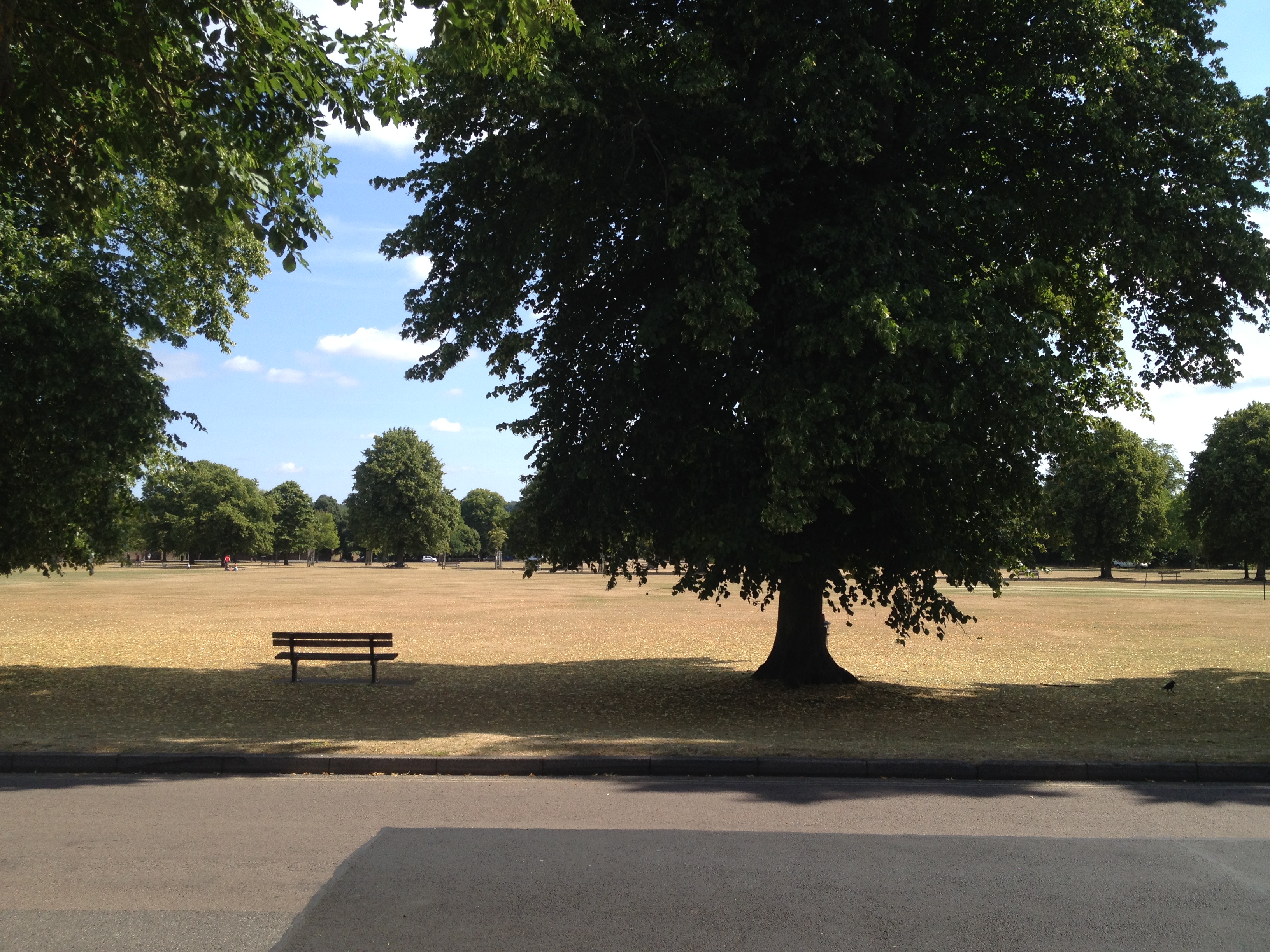
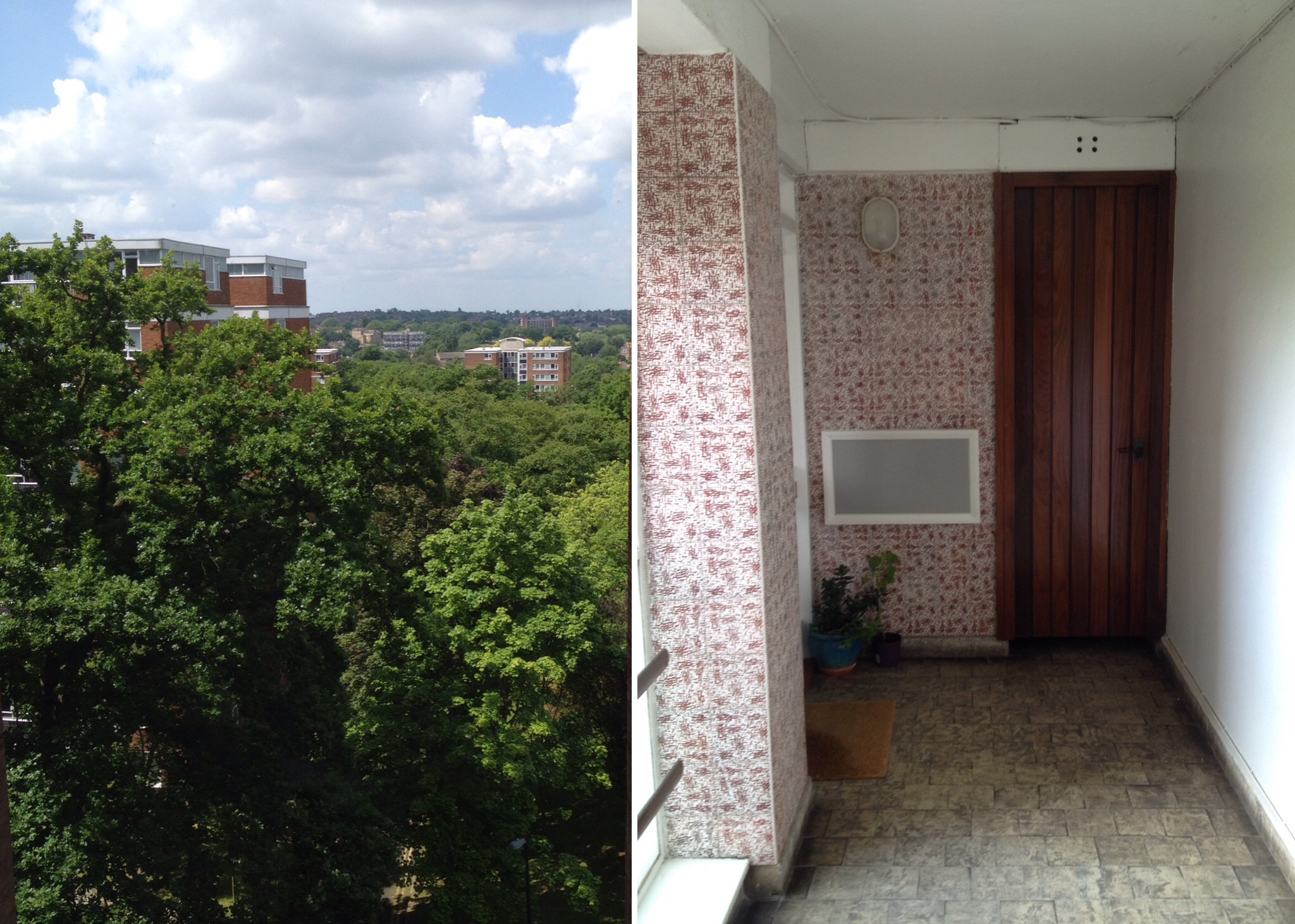
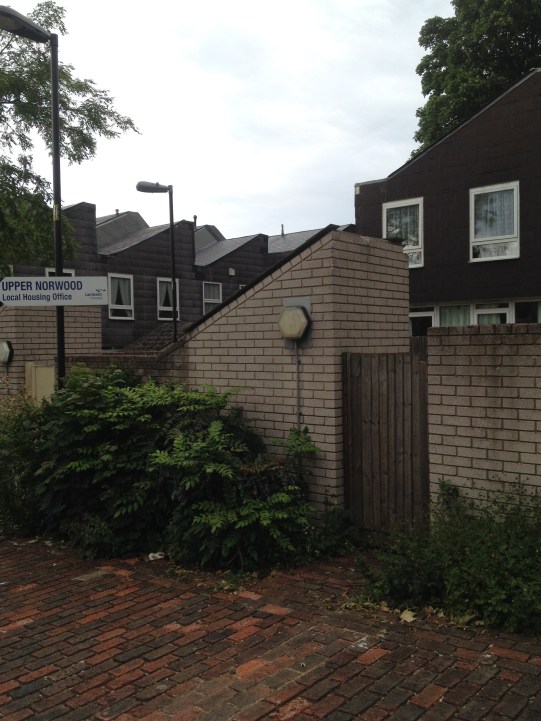
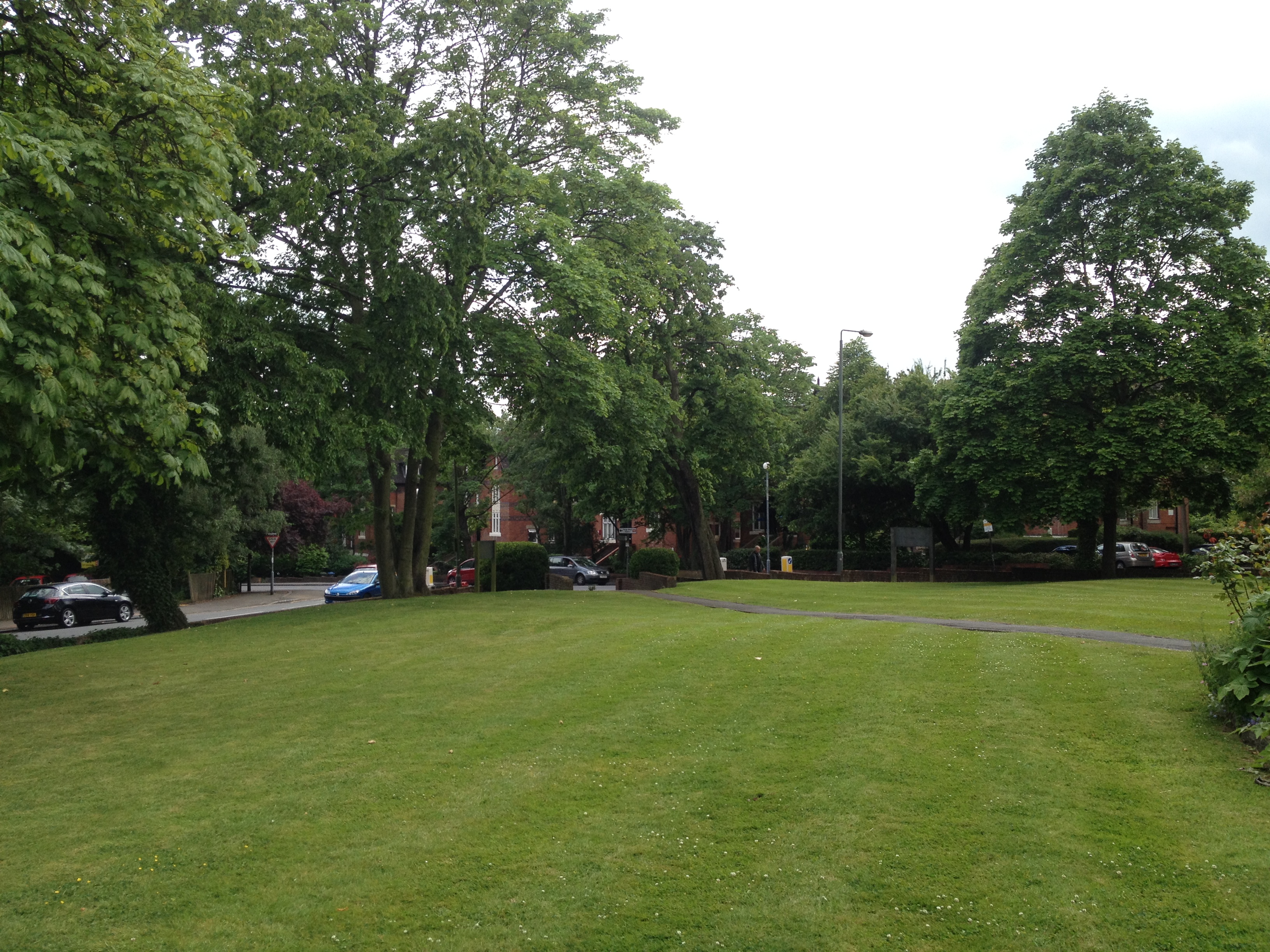
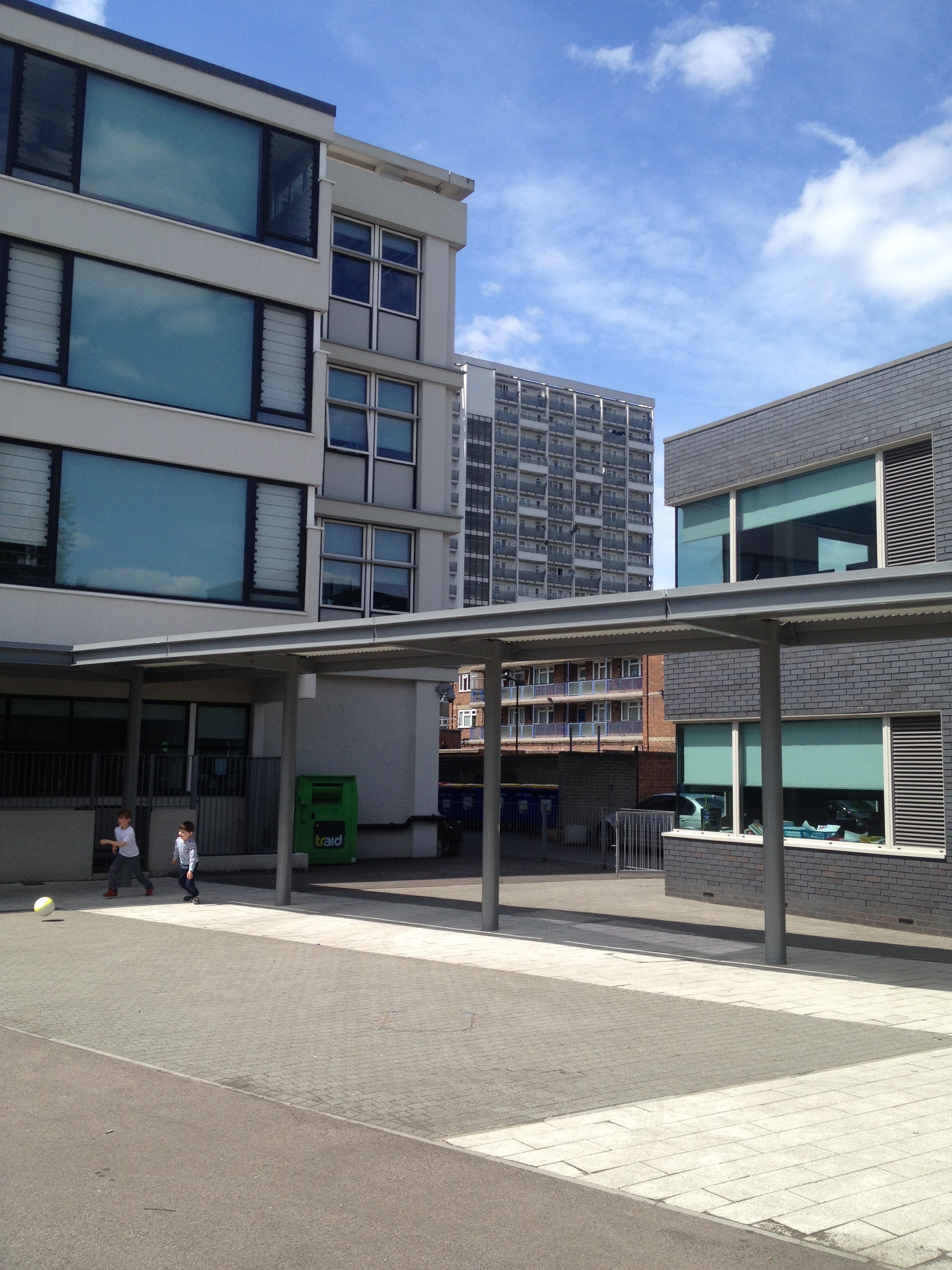
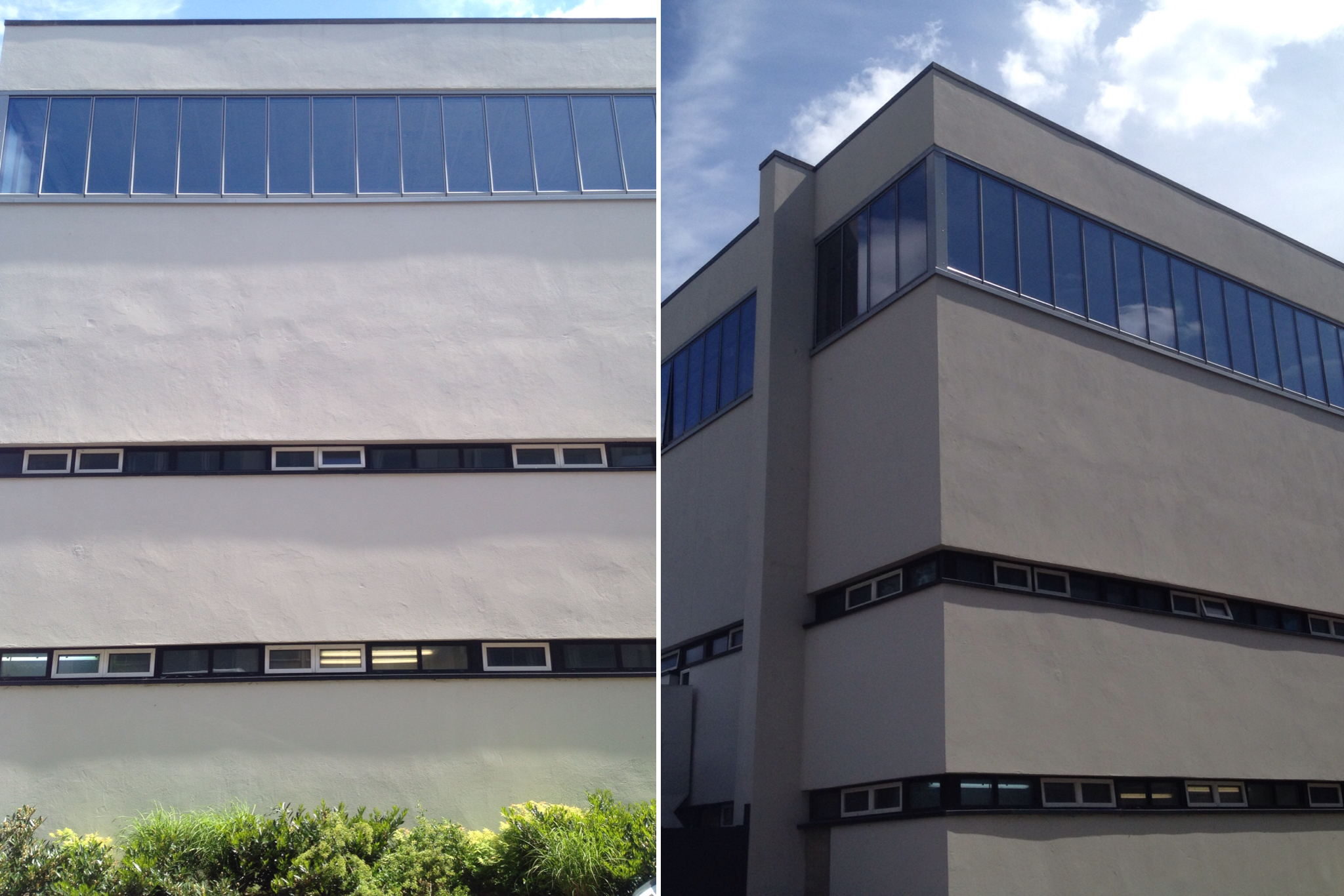
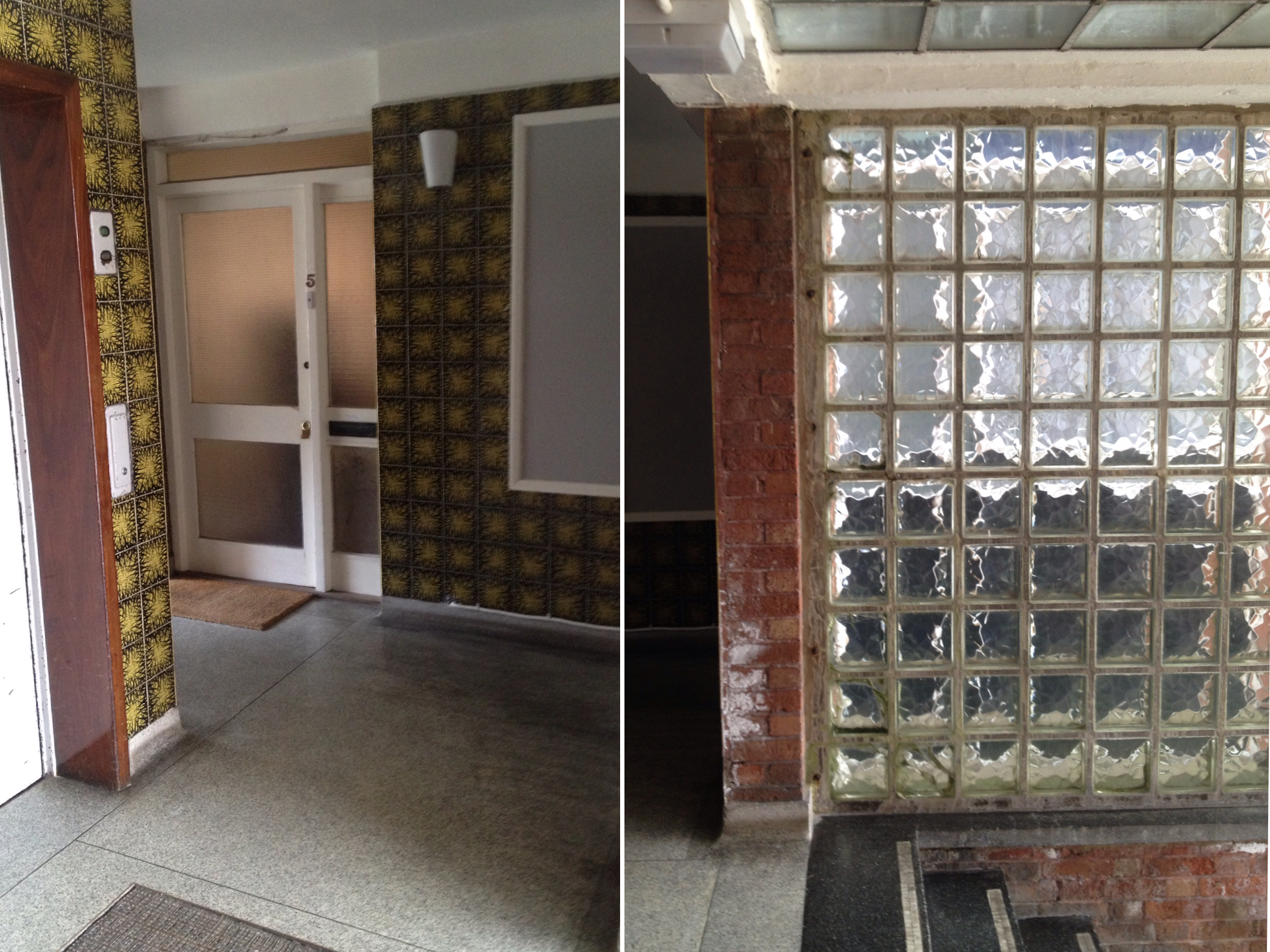
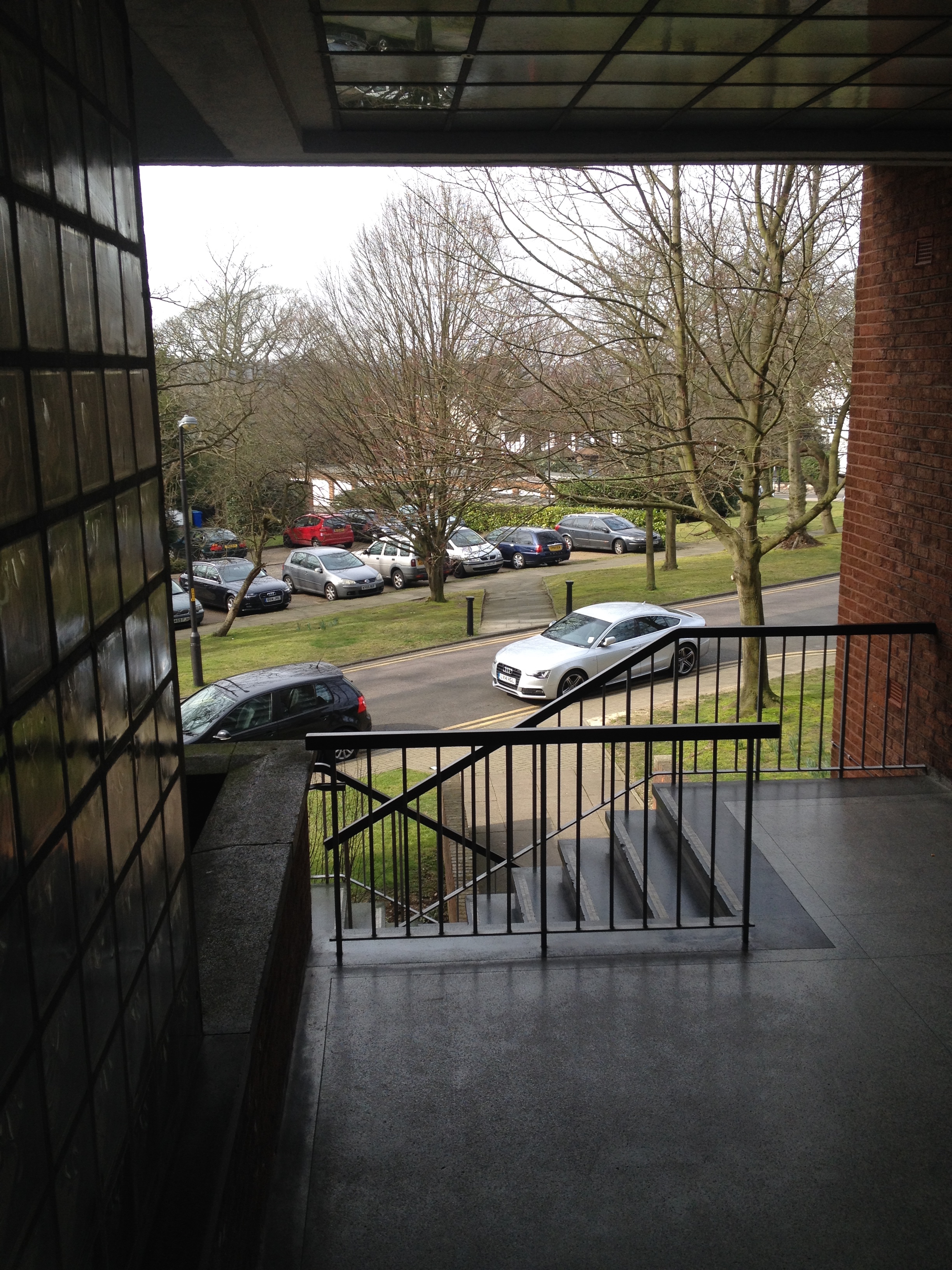
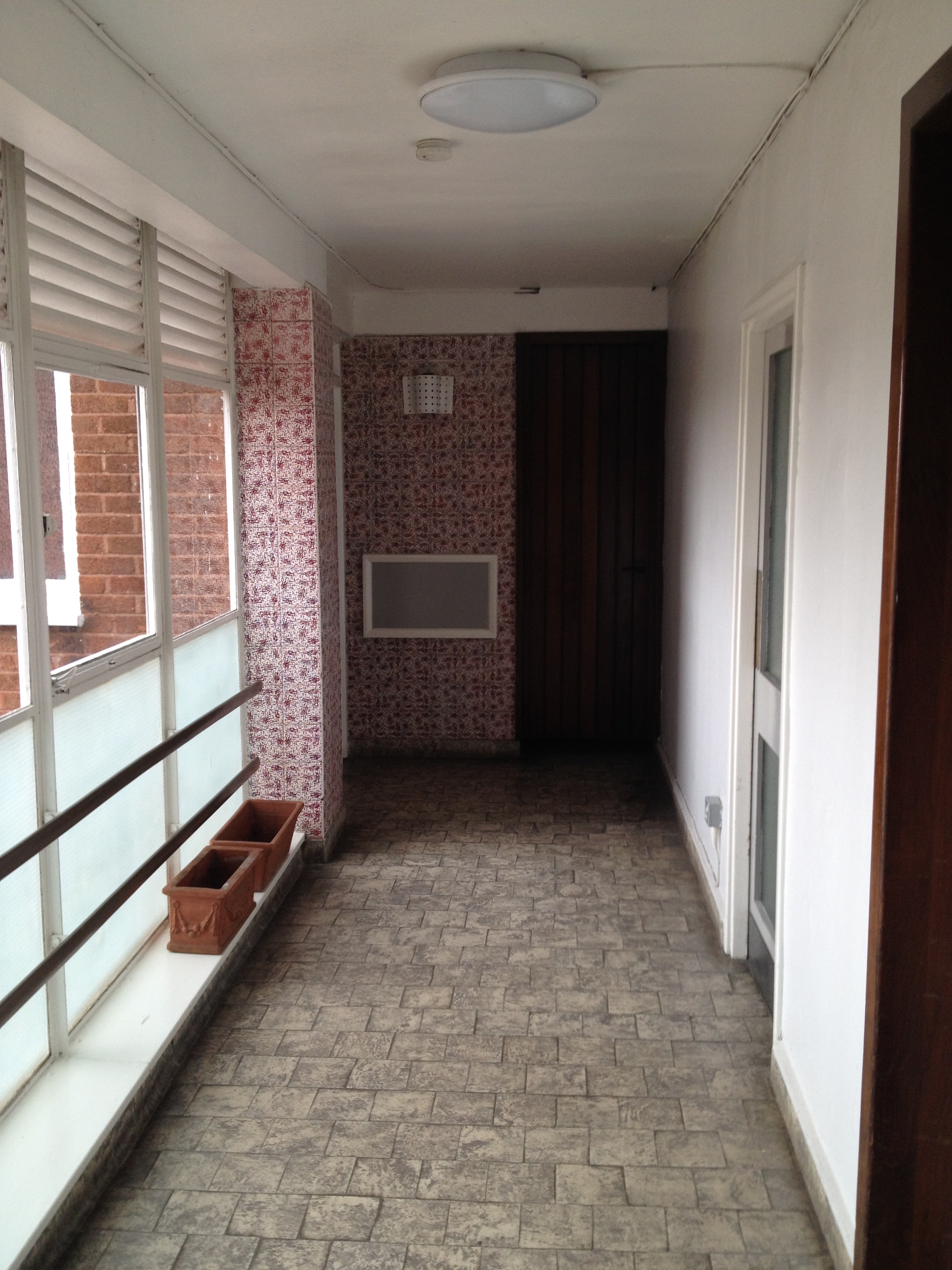
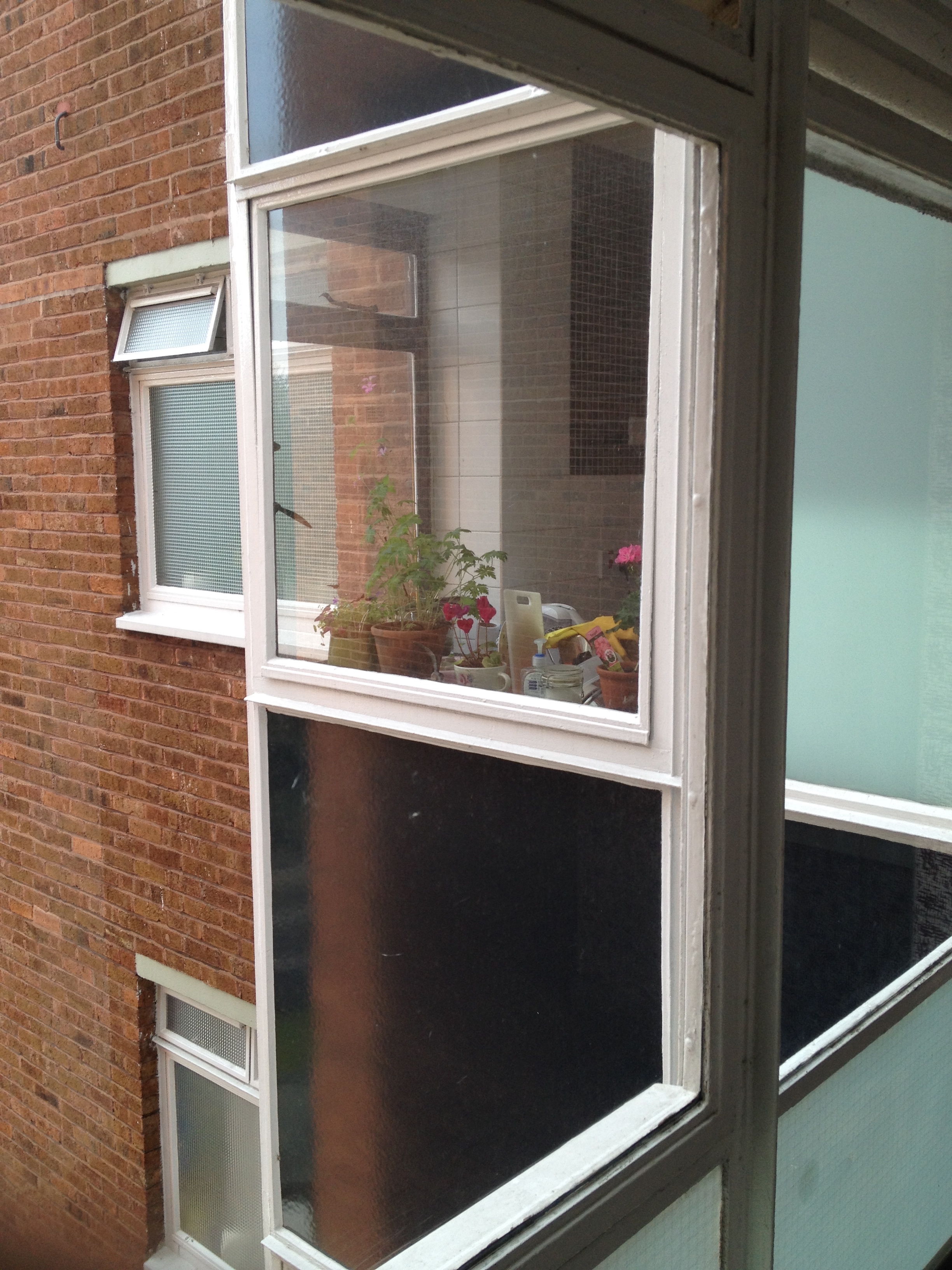
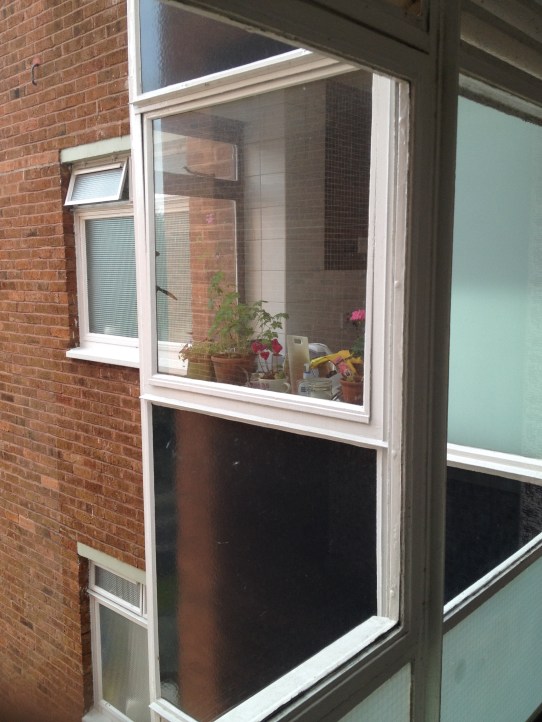
Each of Garden Royal and Heath Royal consist of three perfectly cuboid four-storey blocks angled around some nicely kept gardens and rather suburban-looking garages. Whilst the development is evidently a 1960s build with vaguely retro stylings, there is a distinct absence of design flourishes or interest: I don’t think either block would warrant being part of the Open House scheme, for instance.

IMG_2994IMG_2991IMG_3004

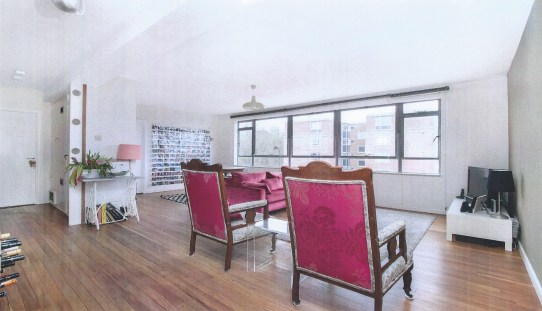
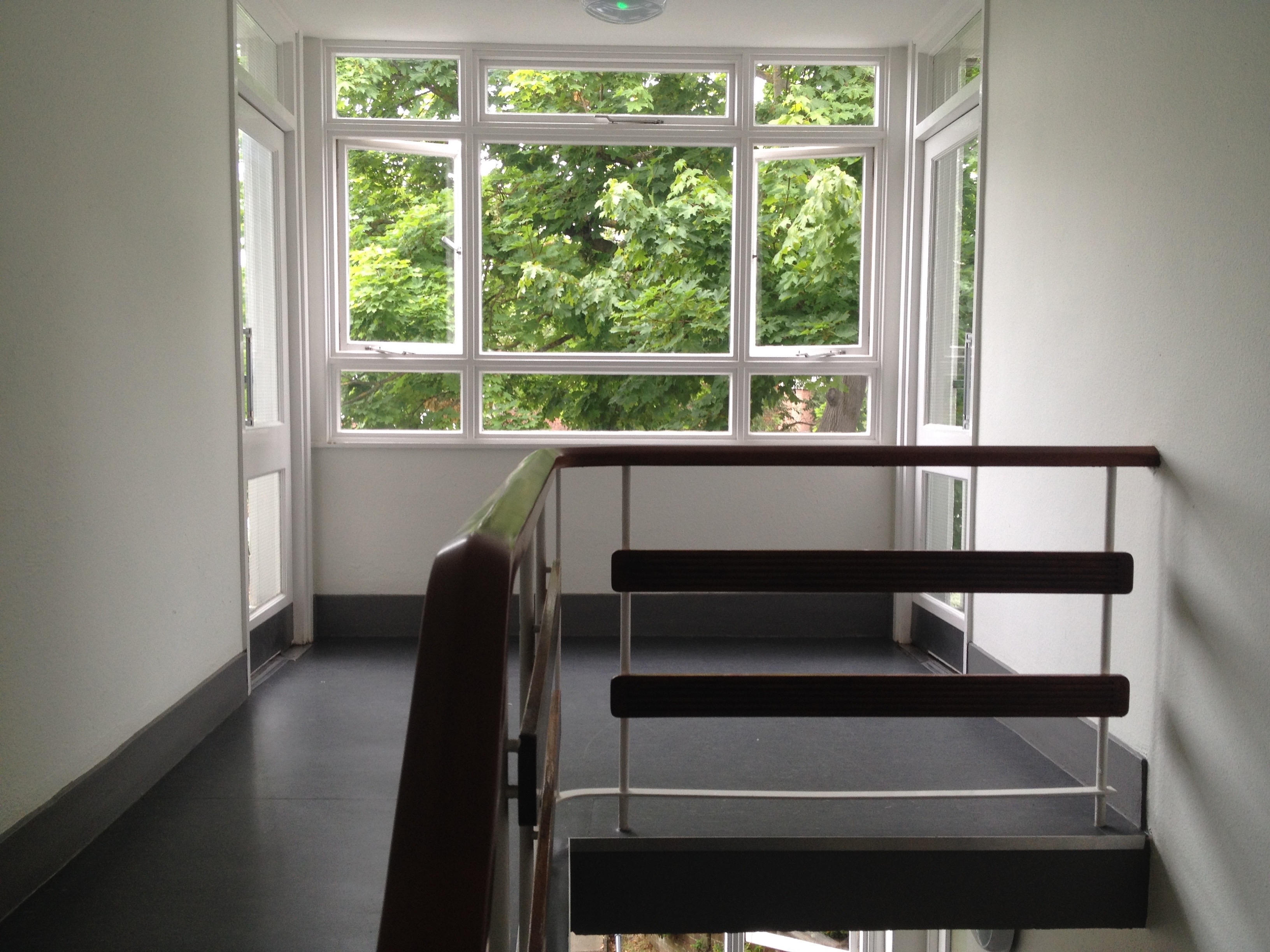
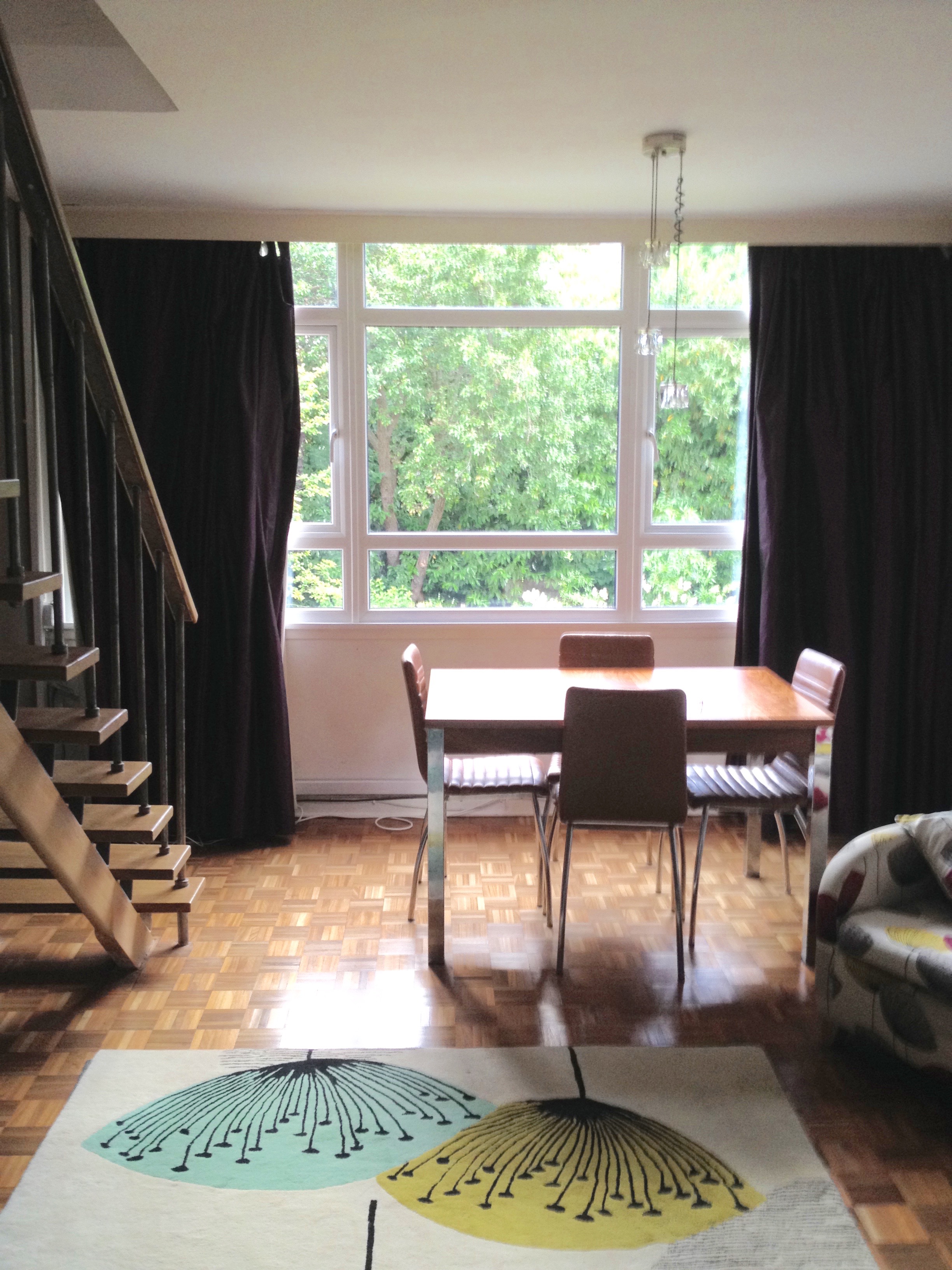
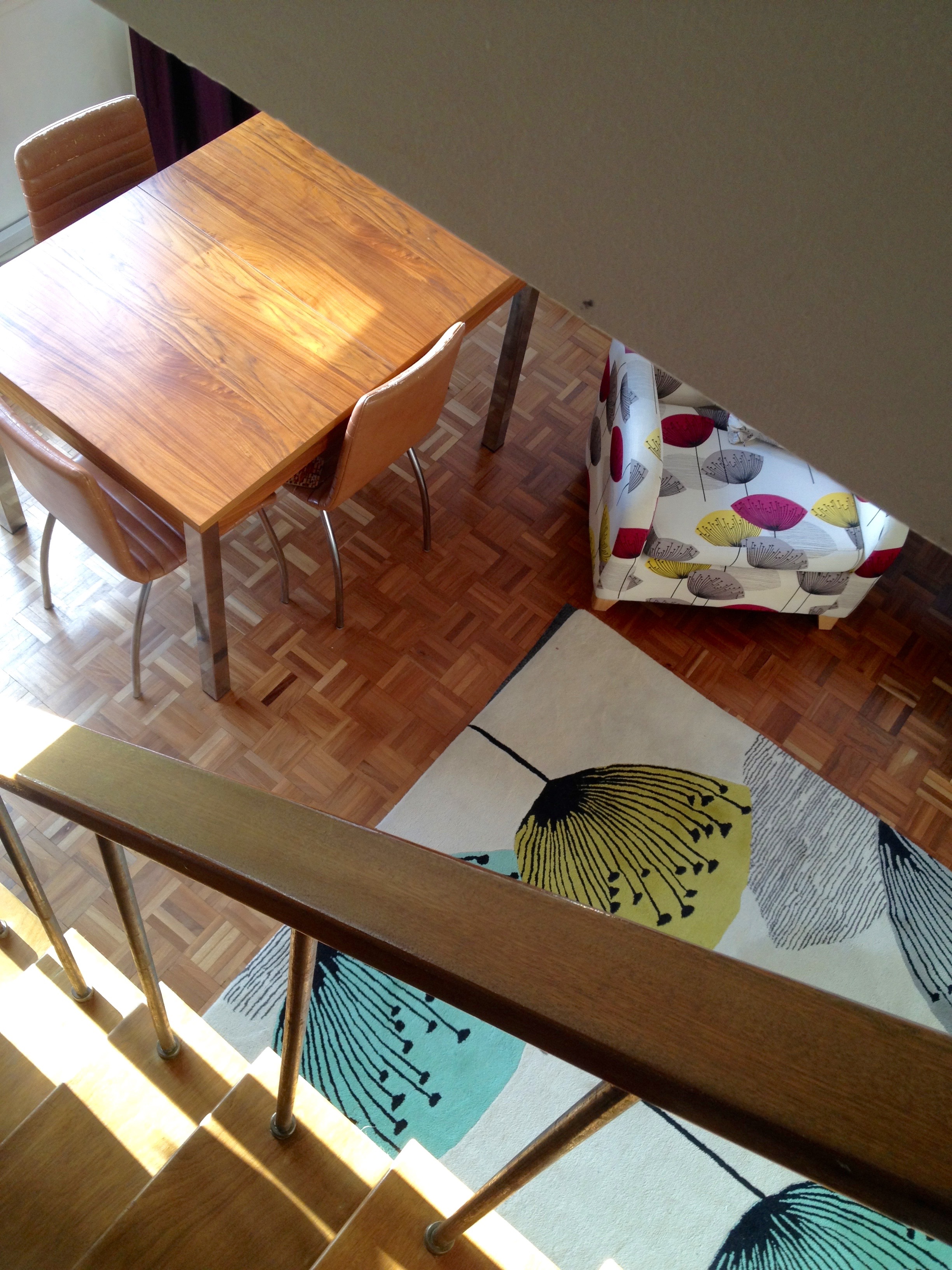
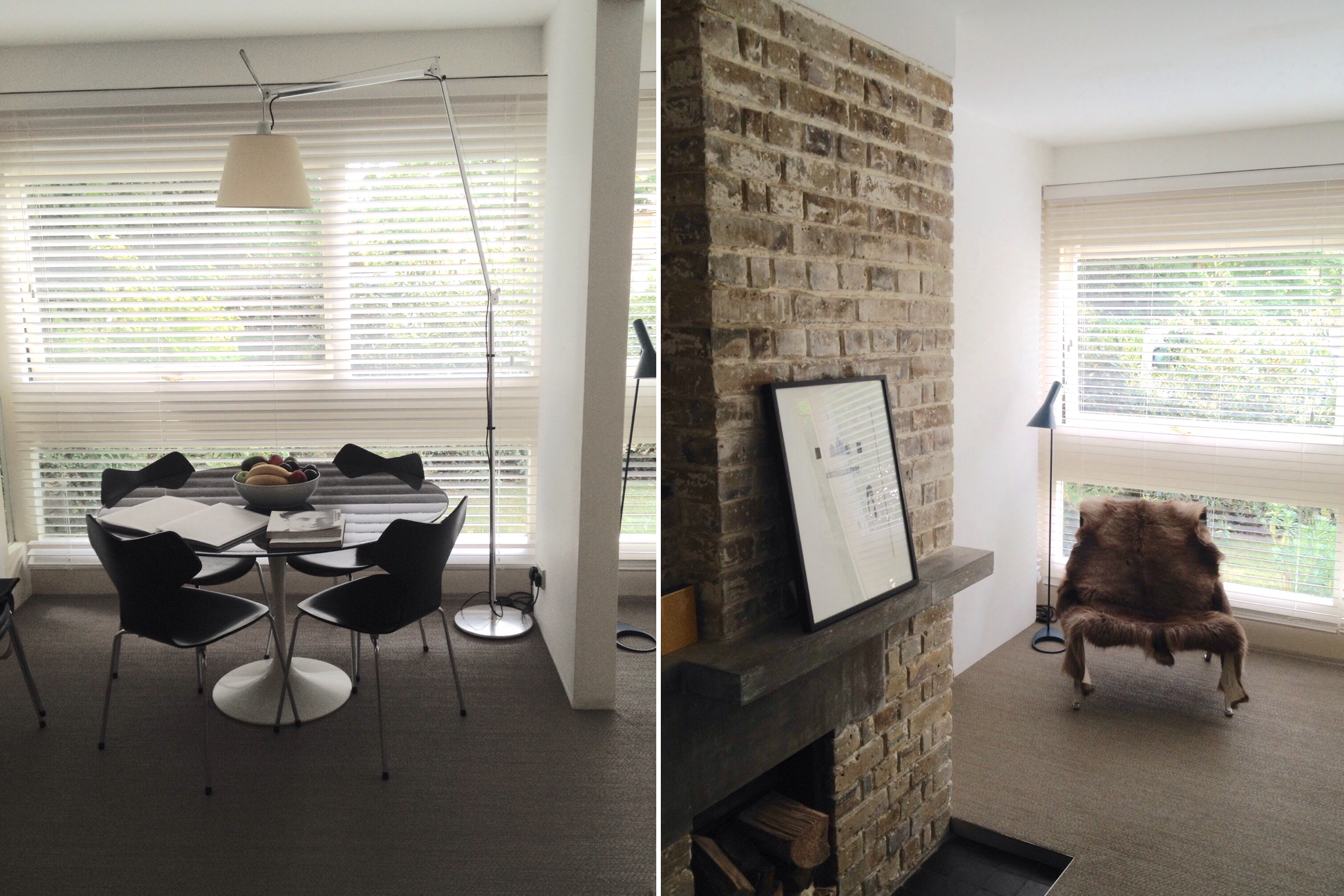
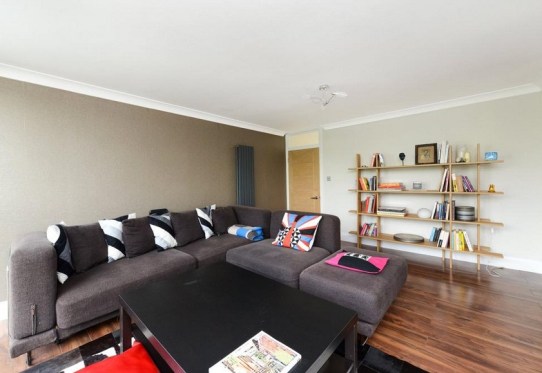
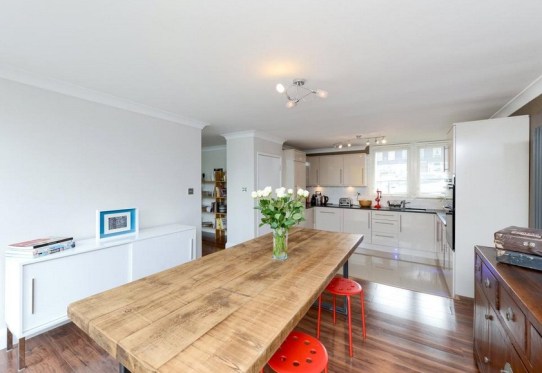
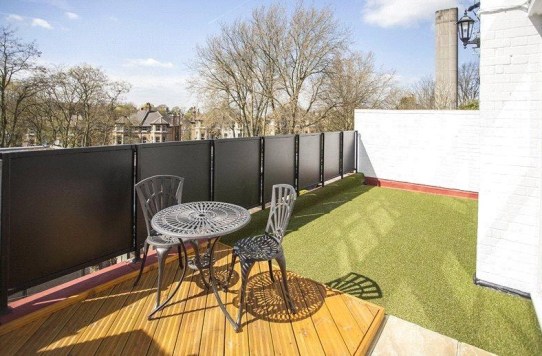
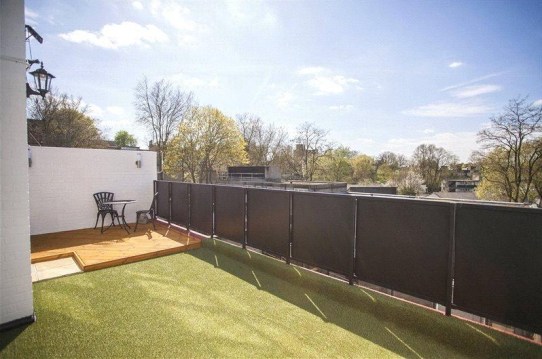
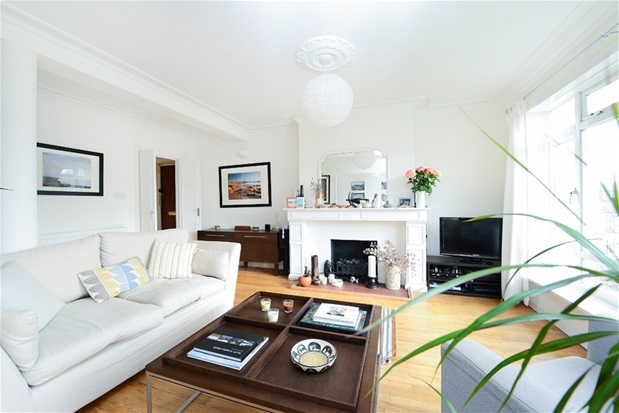
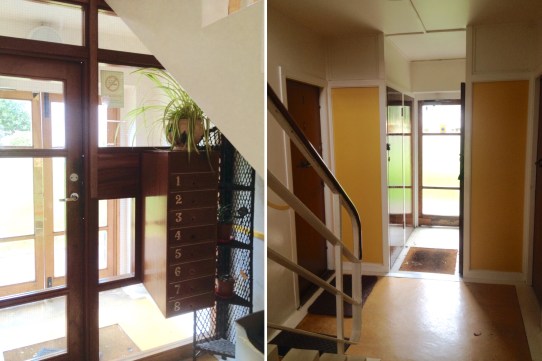
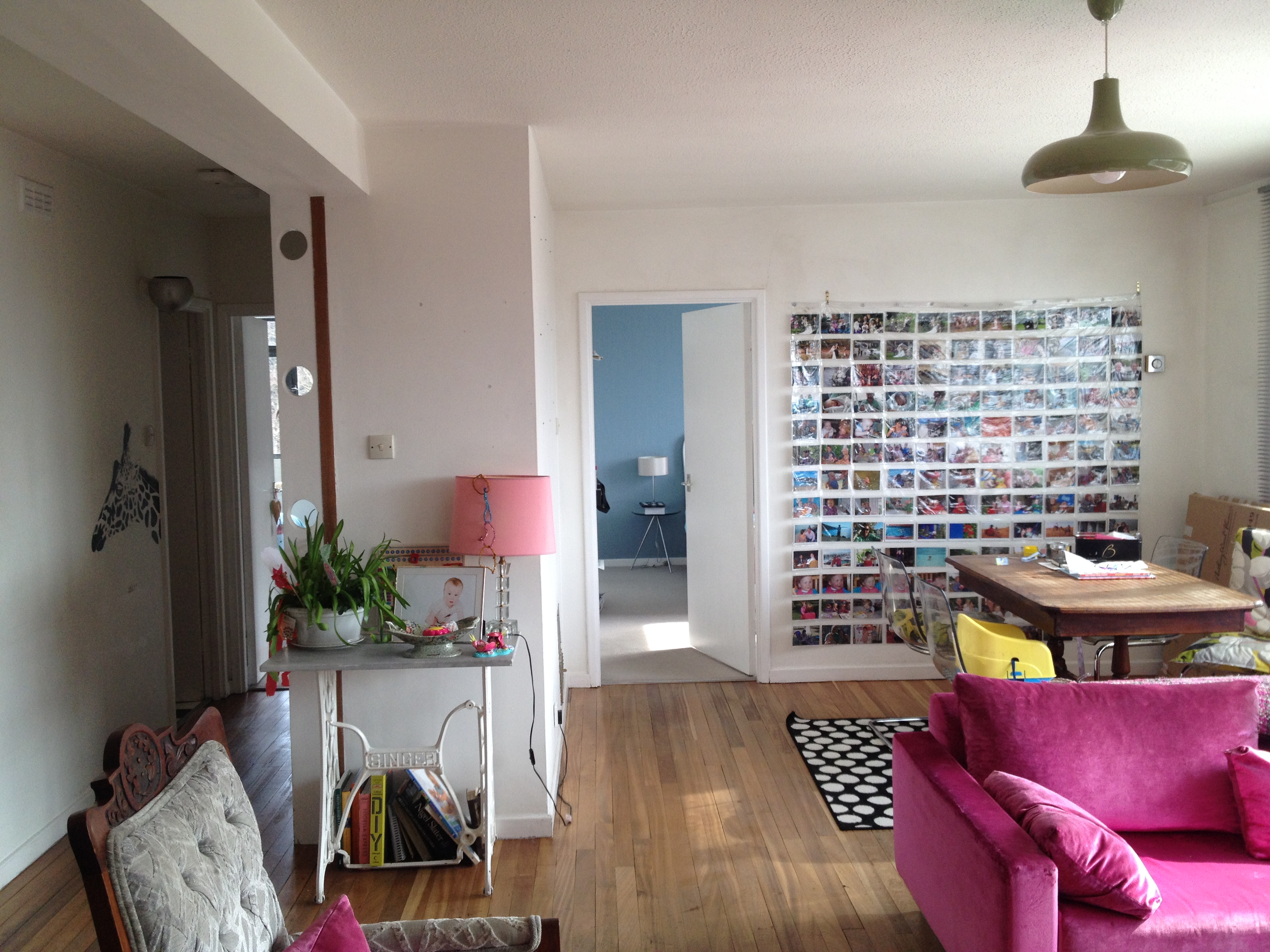
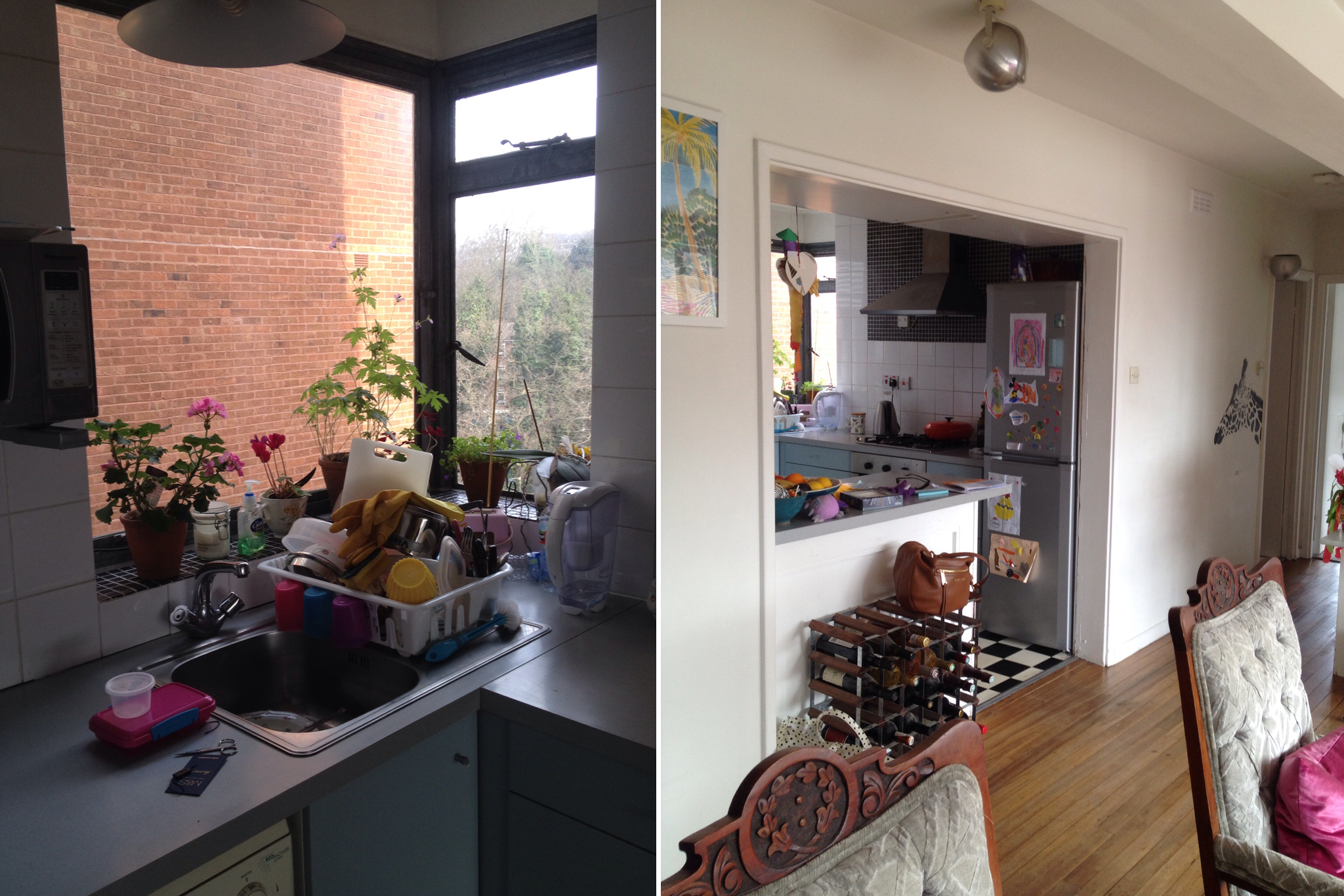
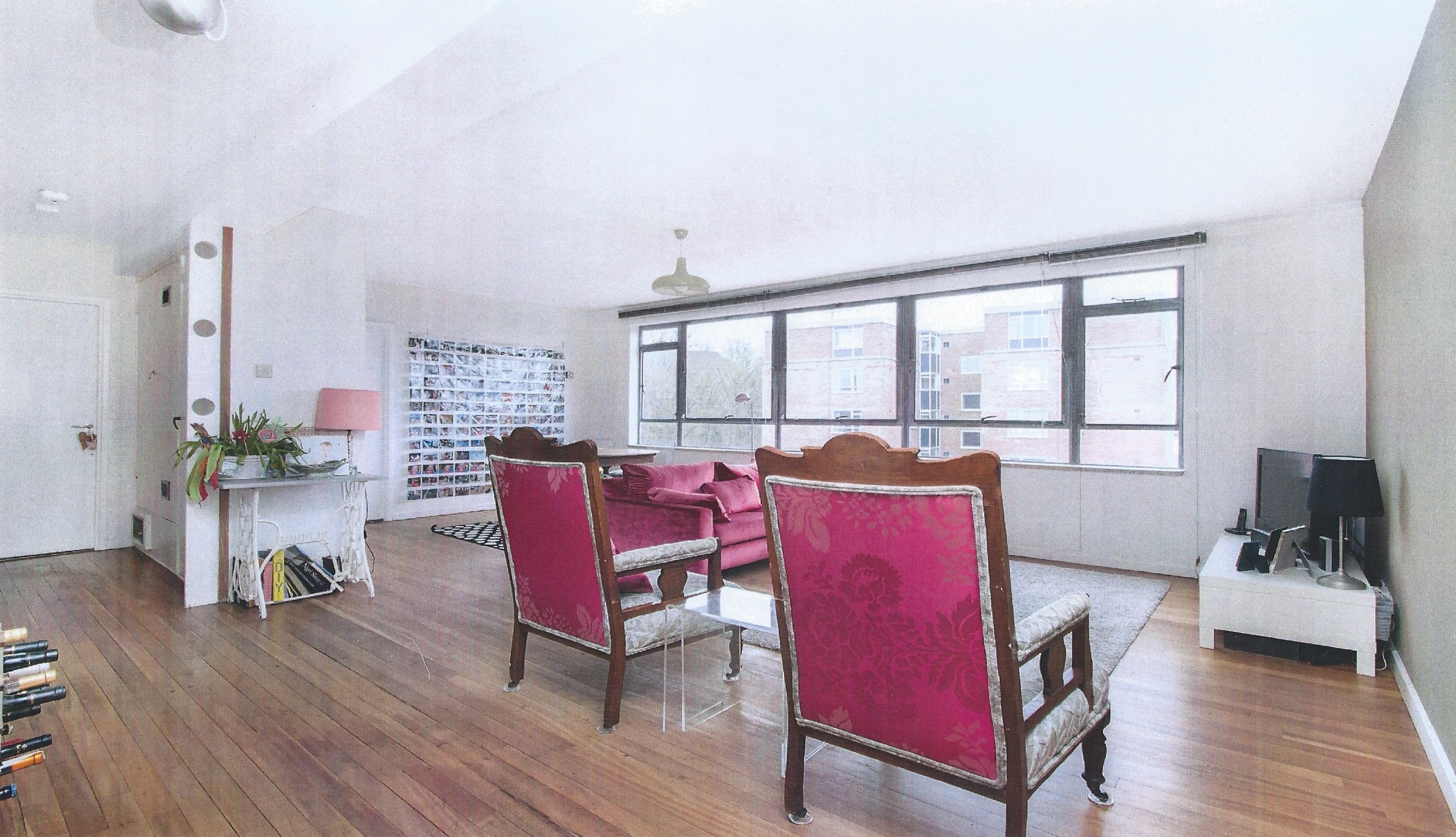
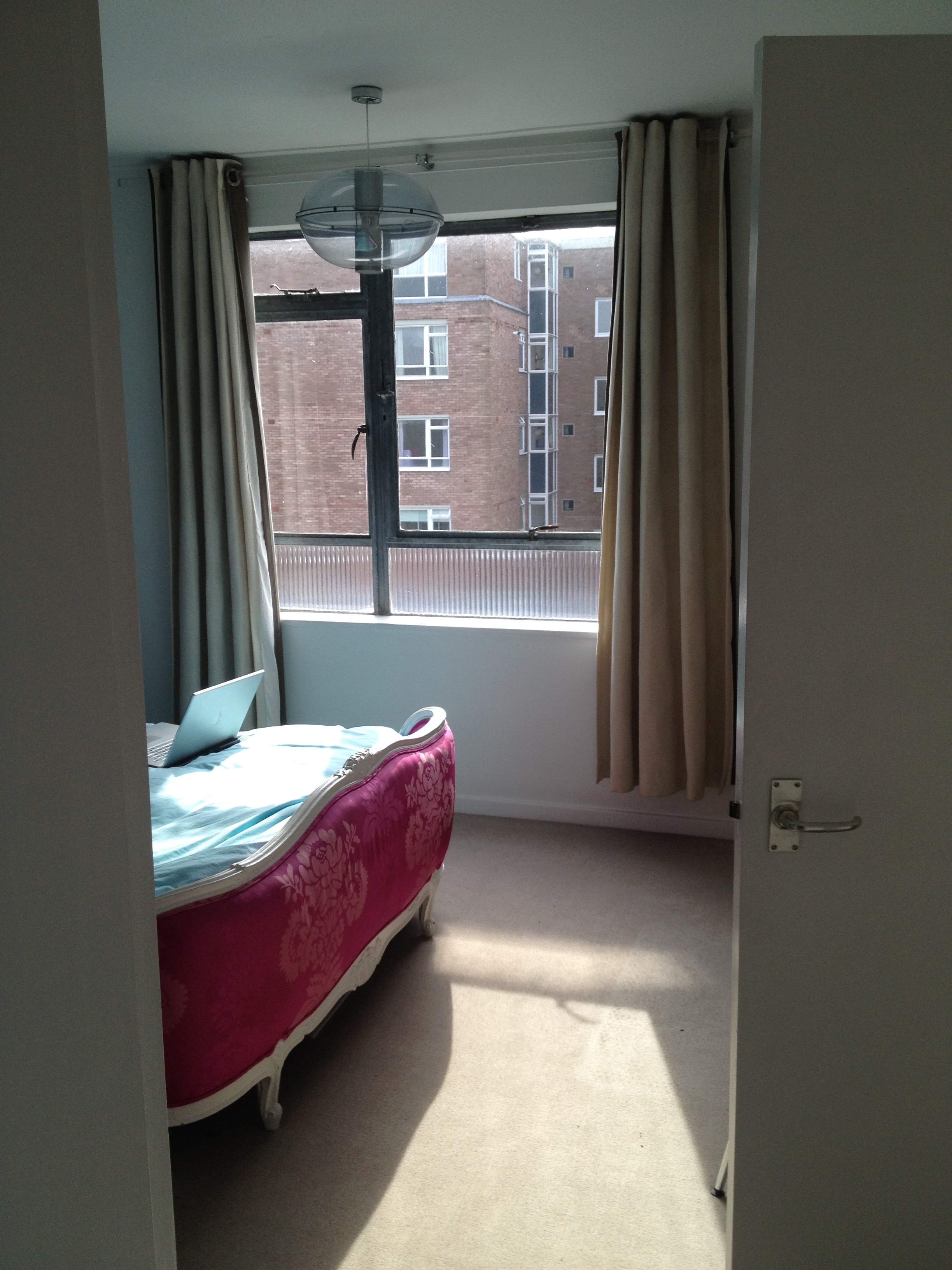
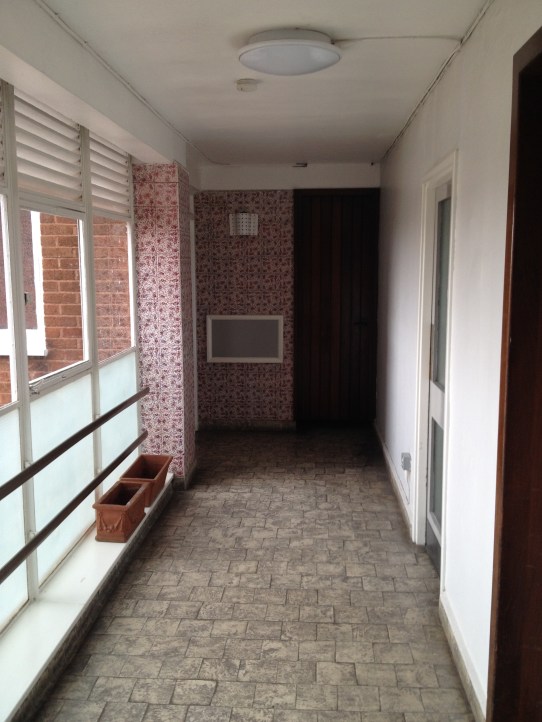
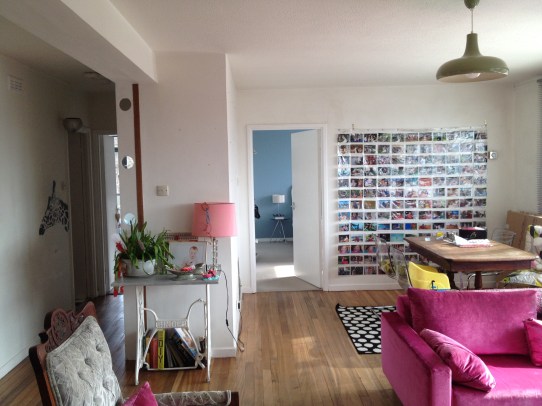
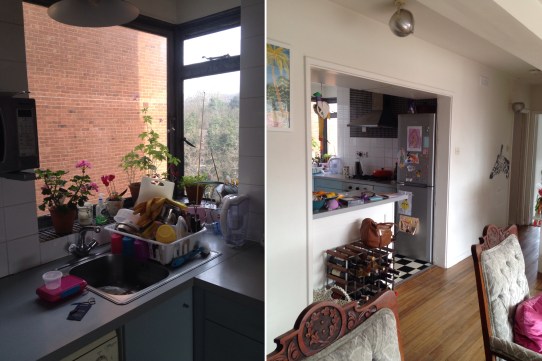
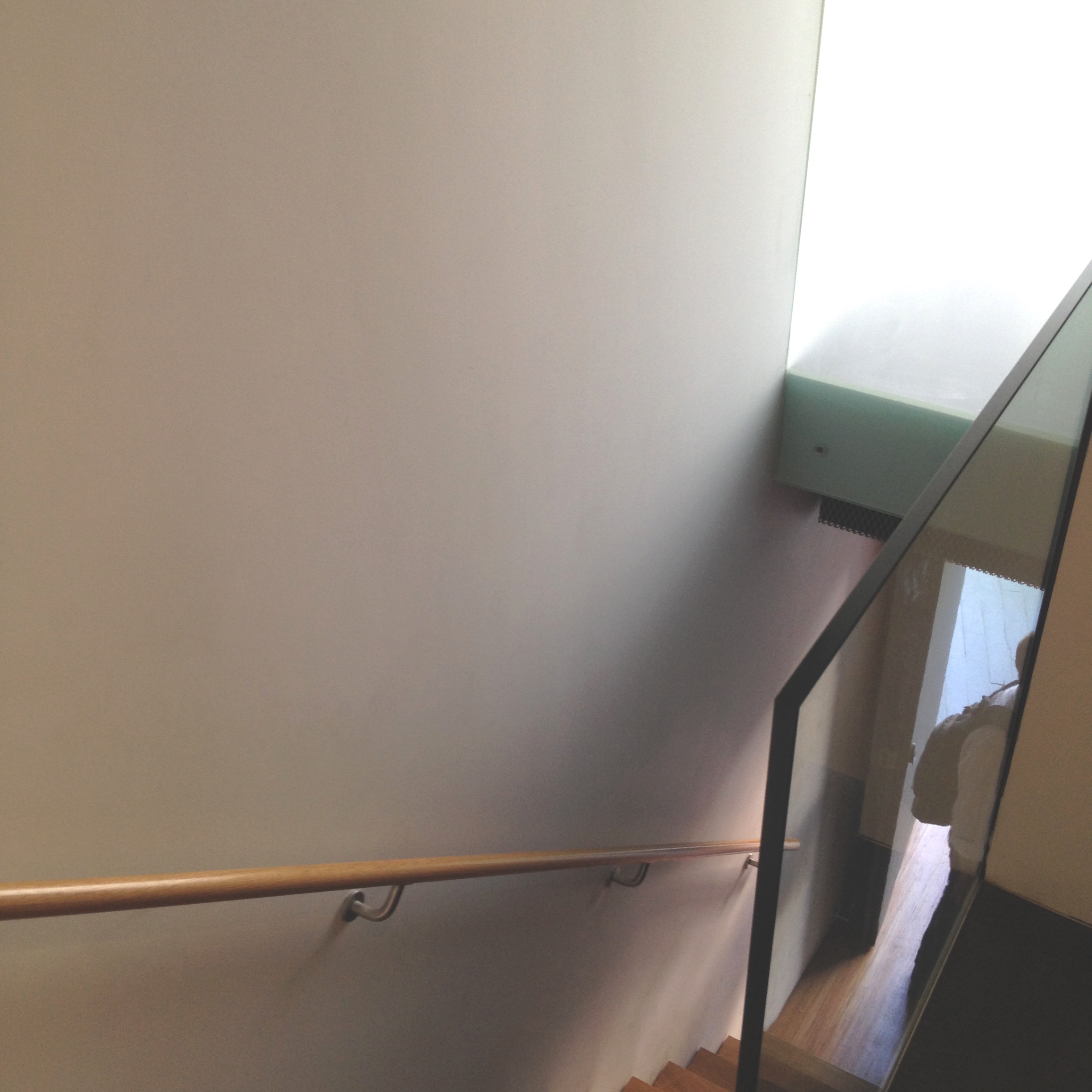
Each flat within Garden Royal and Heat Royal is a split level duplex spanning either the ground and first or second and third floors with a layout reminiscent of the dream flat that I visited in the Golden Lane Estate last year (kitchen and living room downstairs, open staircase in living room leading to two bedrooms and the bathroom upstairs). I viewed two flats with exactly this layout: one in Garden Royal and another in Heath Royal.

IMG_3079IMG_3037 (1)IMG_3042

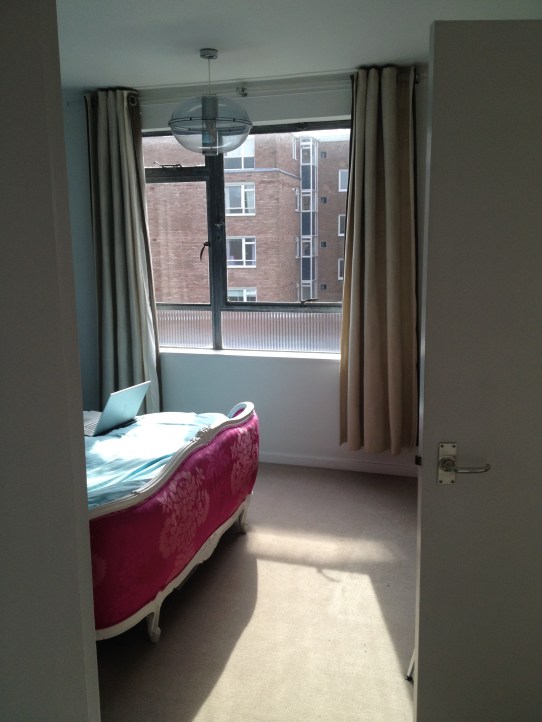
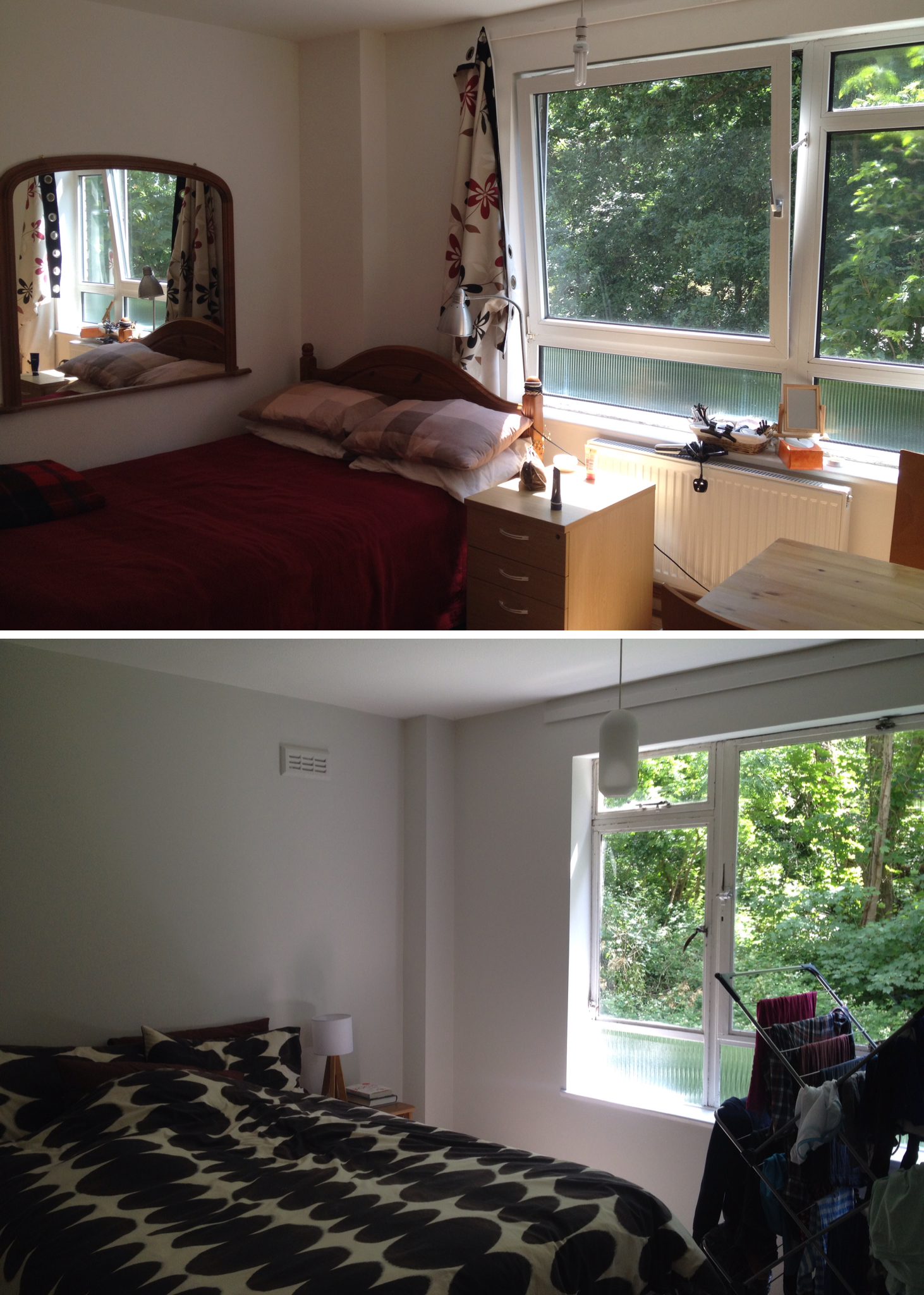
Both flats were attractive and bright, with the original parquet flooring in the living rooms and the open staircase providing an element of architectural interest. I liked the flats enough to put an offer in on one of them but ended up having to withdraw for reasons that I won’t go into here. As far as I’m aware, at least one of the two flats is still on the market for £475,000.

Langham House Close, Ham, Richmond-upon-Thames

Langham House Close, Ham, Richmond-upon-Thames
Architect: Stirling & Gowan
Year built: 1957-58

Like the Parkleys development that I visited earlier this year, Langham House Close is a spectacular Grade II listed modernist apartment block situated in the ridiculously inaccessible Ham.

IMG_3123IMG_0944 (1)IMG_3119

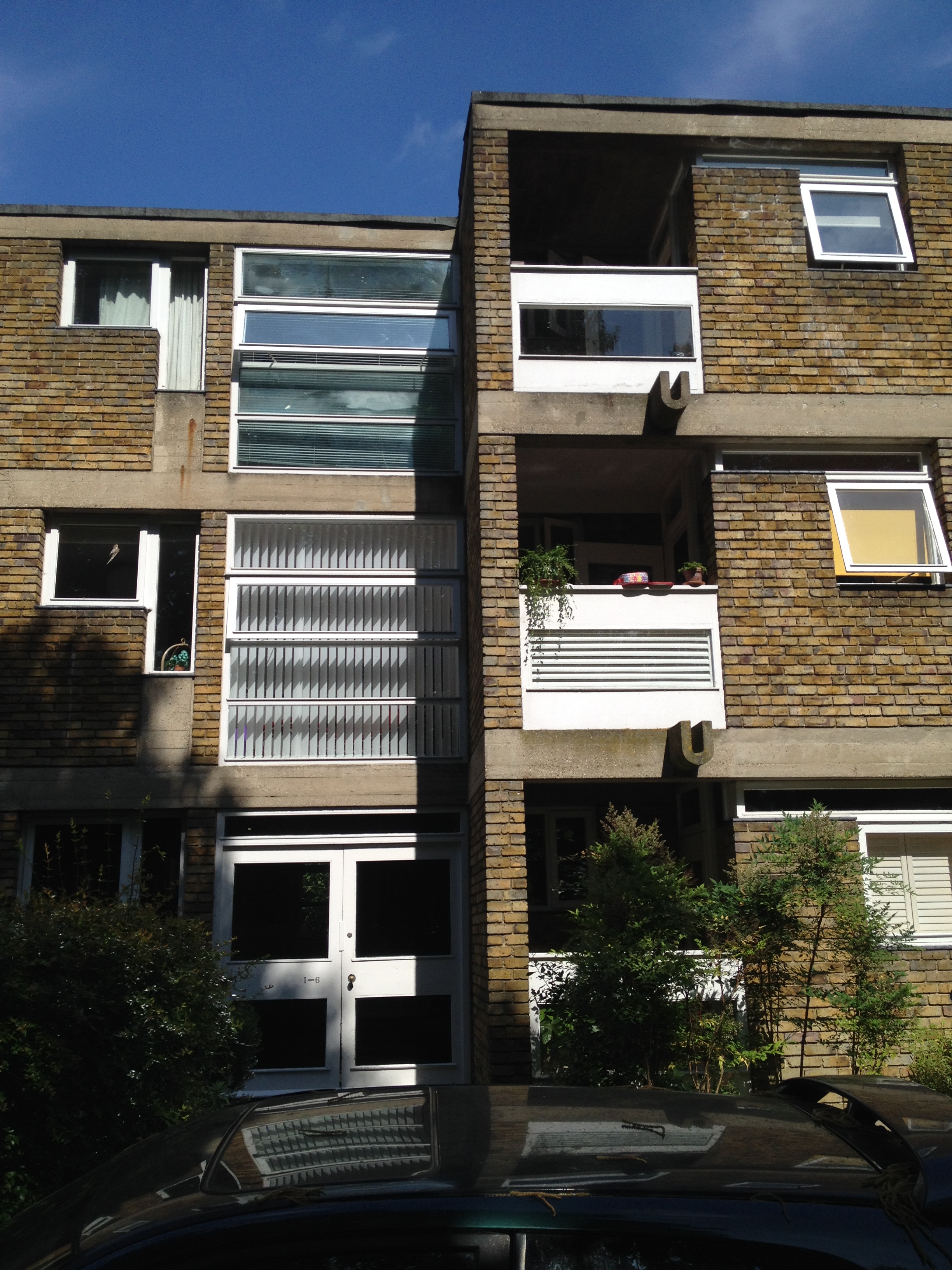
The low-rise development is comprised of a cluster of small, boxy two-storey blocks and a larger, three-storey block surrounded by mature, gently sloping gardens. The buildings have been beautifully maintained and contain a lot of features of architectural interest: the communal hallways, for instance, feature pre-cast shuttered concrete, curved steel handrails and elevated walkways.

IMG_3167IMG_3136IMG_0943 (1)

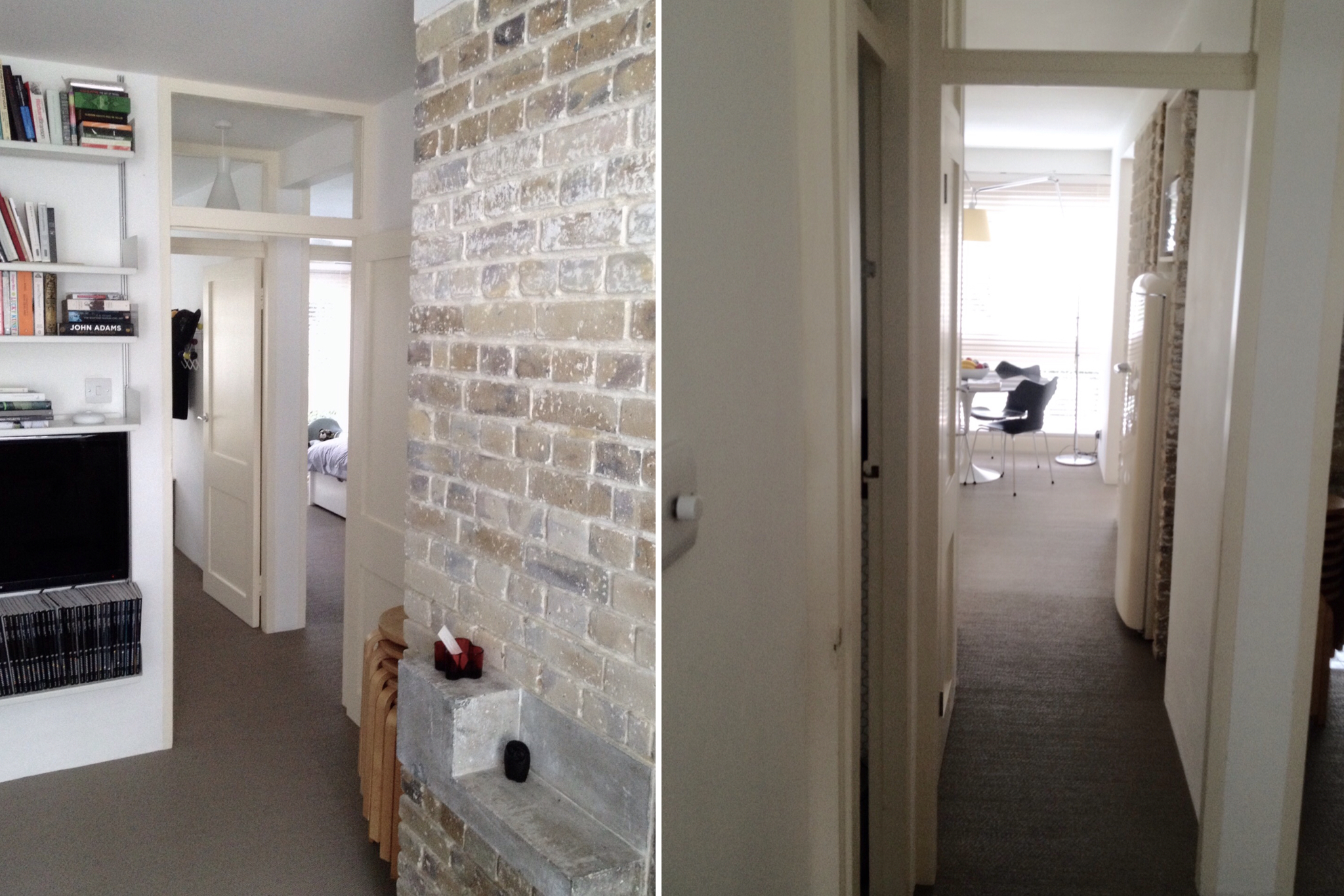
The flat that I viewed was on the ground floor of one of the two storey “garden pavilion” blocks. I would usually dismiss a ground floor flat out of hand but the design and construction of the flat (extensive glazing, flowing open plan layout) meant there were fine views from all of the rooms out onto the gardens and not, notably into any of the other flats.

The flat contained two bedrooms, a bathroom and a main reception room divided by a floating internal wall (featuring a fireplace with exposed concrete mantelpiece) into kitchen/dining and living areas. The flat was not by any means large but felt reasonably spacious, again due to its design and layout.

IMG_0938FullSizeRender (3)IMG_0941FullSizeRender (1)

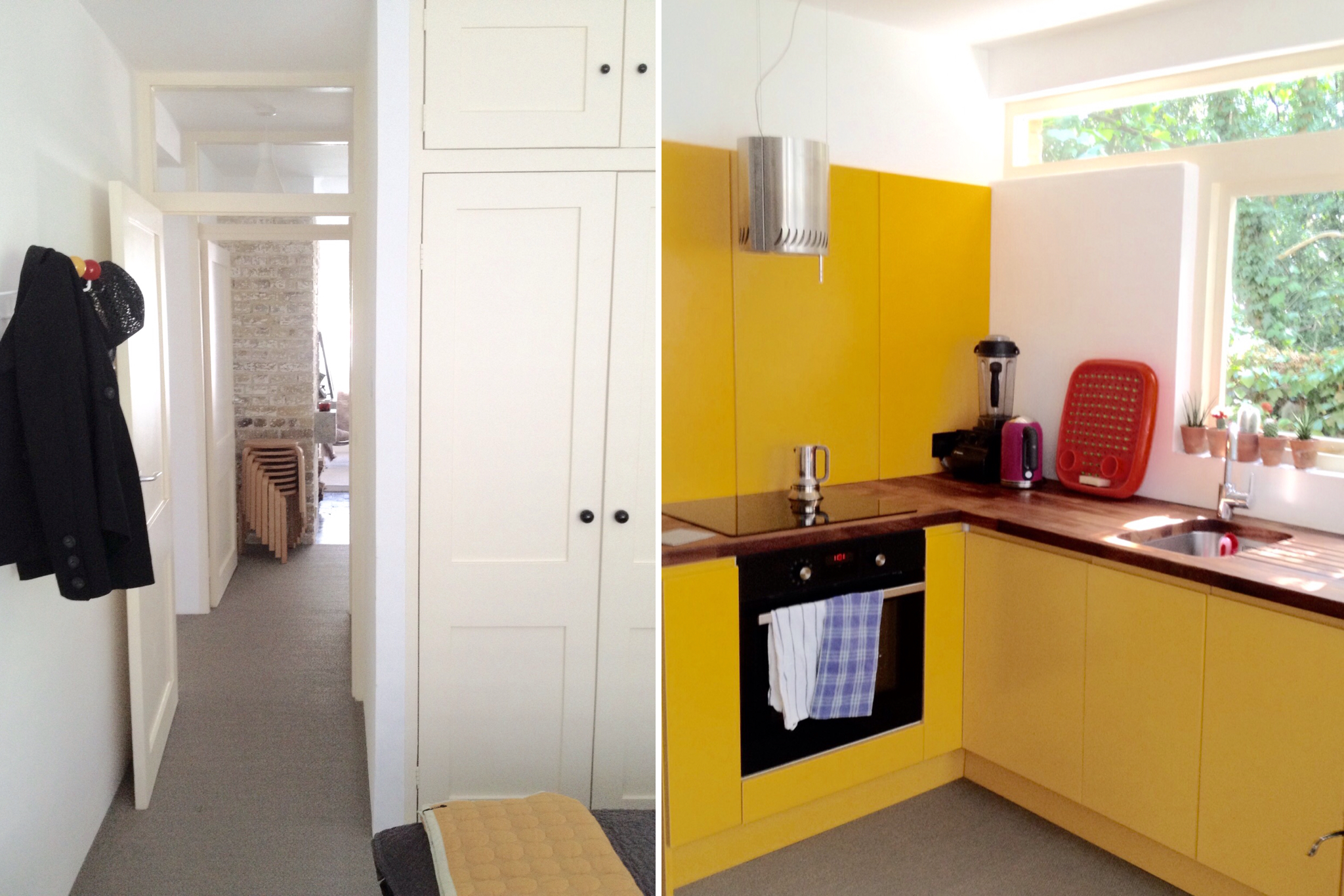
The flat had been decorated in a somewhat futuristic-looking mid century modern style. The overall colour palette was pale (white walls, faded exposed brick and concrete, light grey sisal flooring) with occasional dashes of colour (those kitchen cabinets in a primary yellow, for instance).  The furnishings were a mixture of very expensive Danish design classics and IKEA. Every single item in the flat had clearly been carefully chosen with a view to achieving a certain look: even the toys in the children’s bedroom were aesthetically pleasing.

IMG_0940FullSizeRender (6)IMG_0942

I loved this development and this particular flat (though I’d probably prefer one of the larger flats with a balcony in the three storey block given the choice) but Ham’s  inaccessibility took this place out of the running. It seems like other prospective buyers share my concerns: the flat has been on the market for a while and has been recently reduced from £475k to £450k.

IMG_3124

DKH building, Dog Kennel Hill SE19

DKH building, Dog Kennel Hill SE19
Winner of the RIBA Award for Best New Housing in London
Architect: John Smart Architects
Year built: 2008

I had no intention of viewing any newly built properties as part of my search but the estate agent photos of a flat in this Grand Designs-style modern building really sold the idea of living in an architect-designed glass-filled, semi-industrial looking space so I went along to the open day with an open mind.

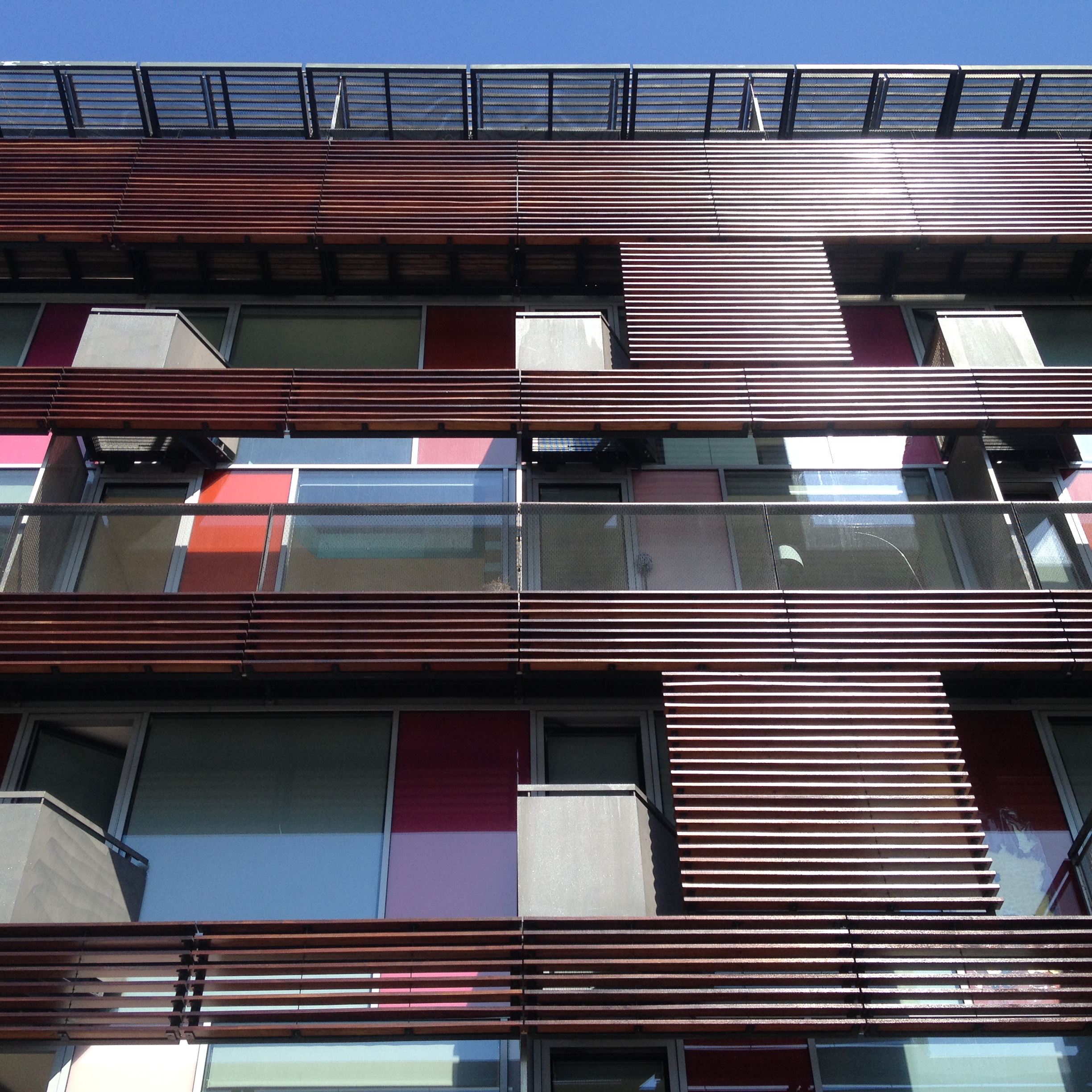
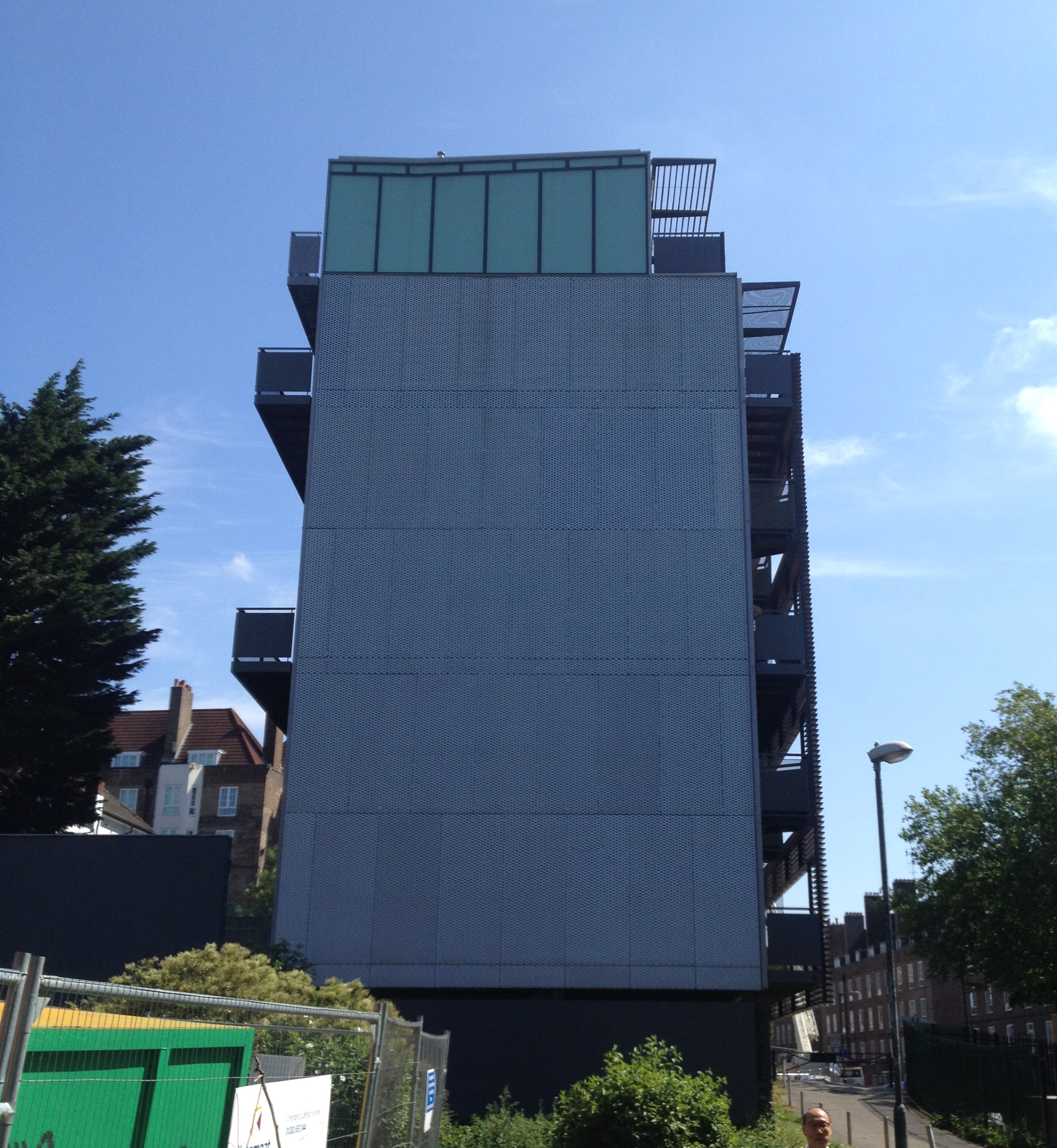
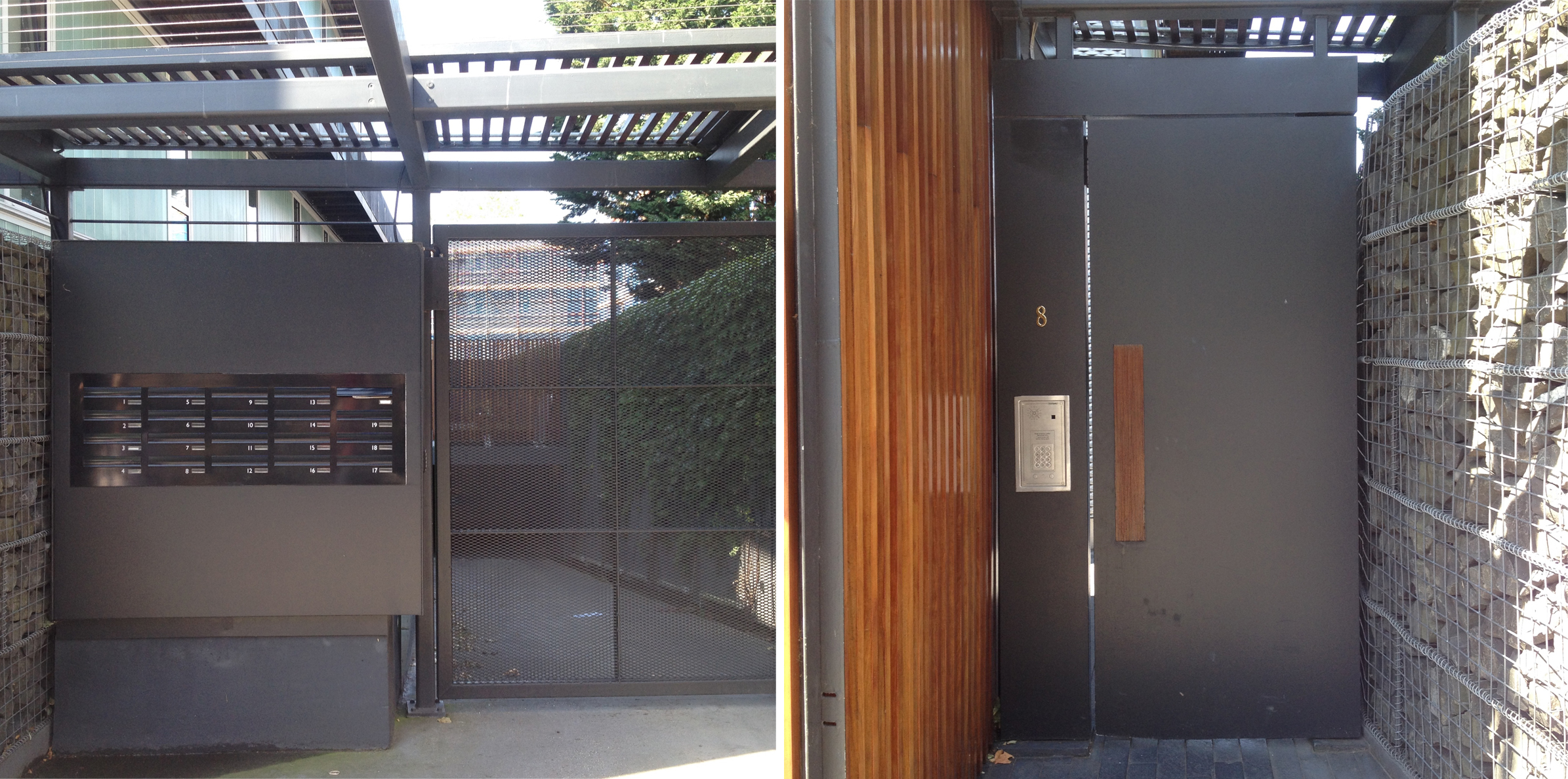
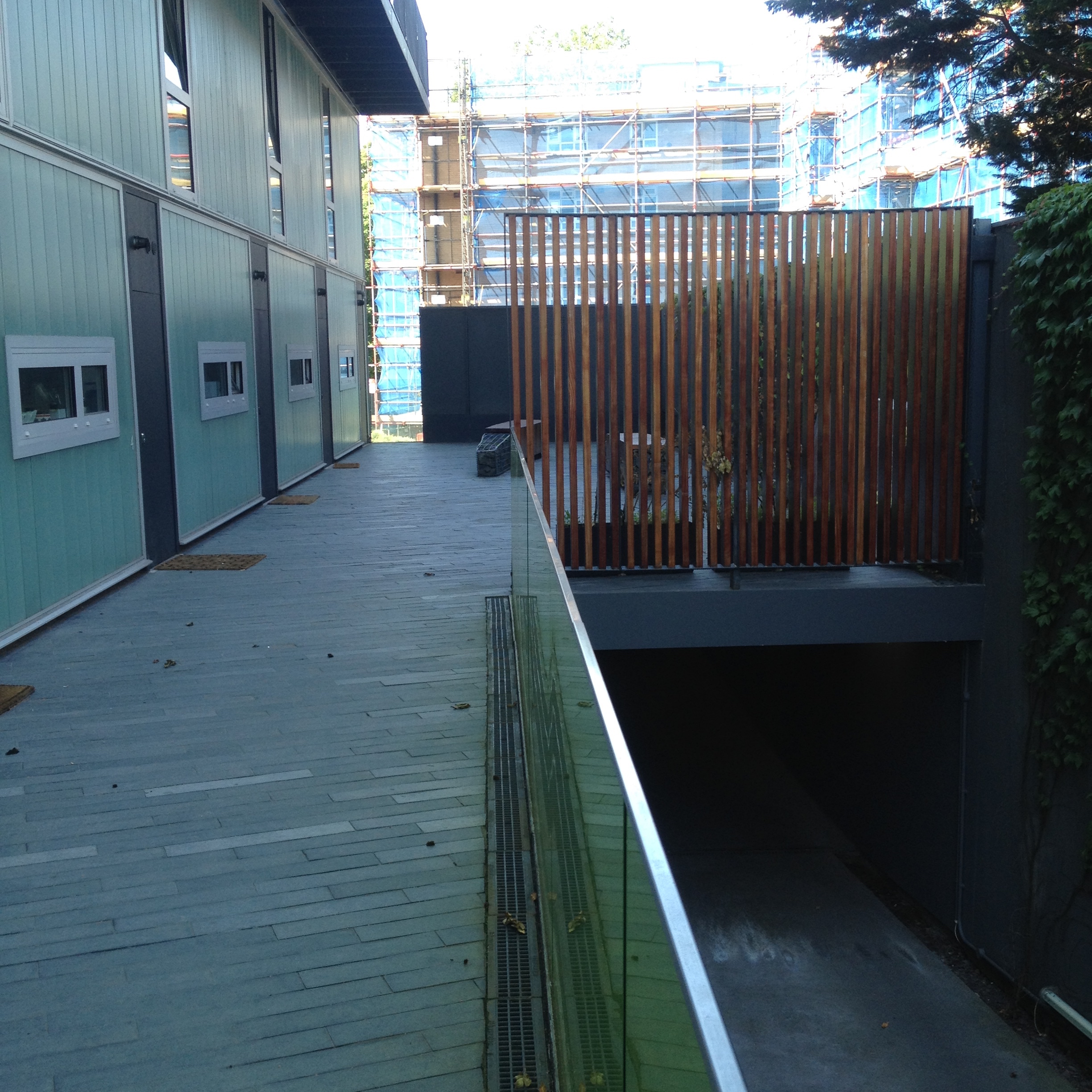
First impressions weren’t great: whilst the exterior of the building was striking (an imaginative mix of glass, timber louvers, mesh panelling, stone gabions and coloured panels), the dried up plants, peeling panels, clearly vacant units and shabby surrounding area gave the whole development a slightly down-at-heel feel.

IMG_2954IMG_2966IMG_2962IMG_2963IMG_2957IMG_2970

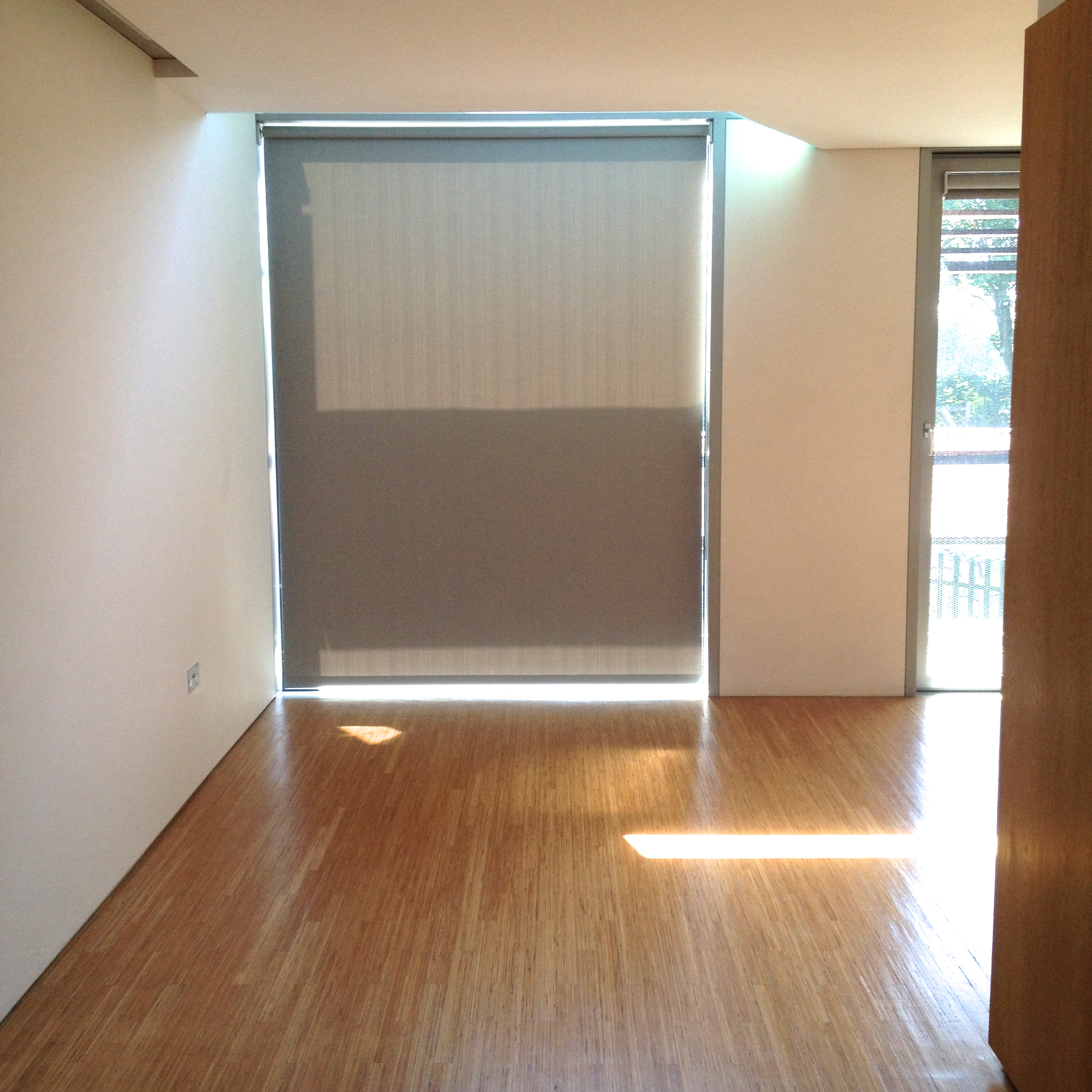
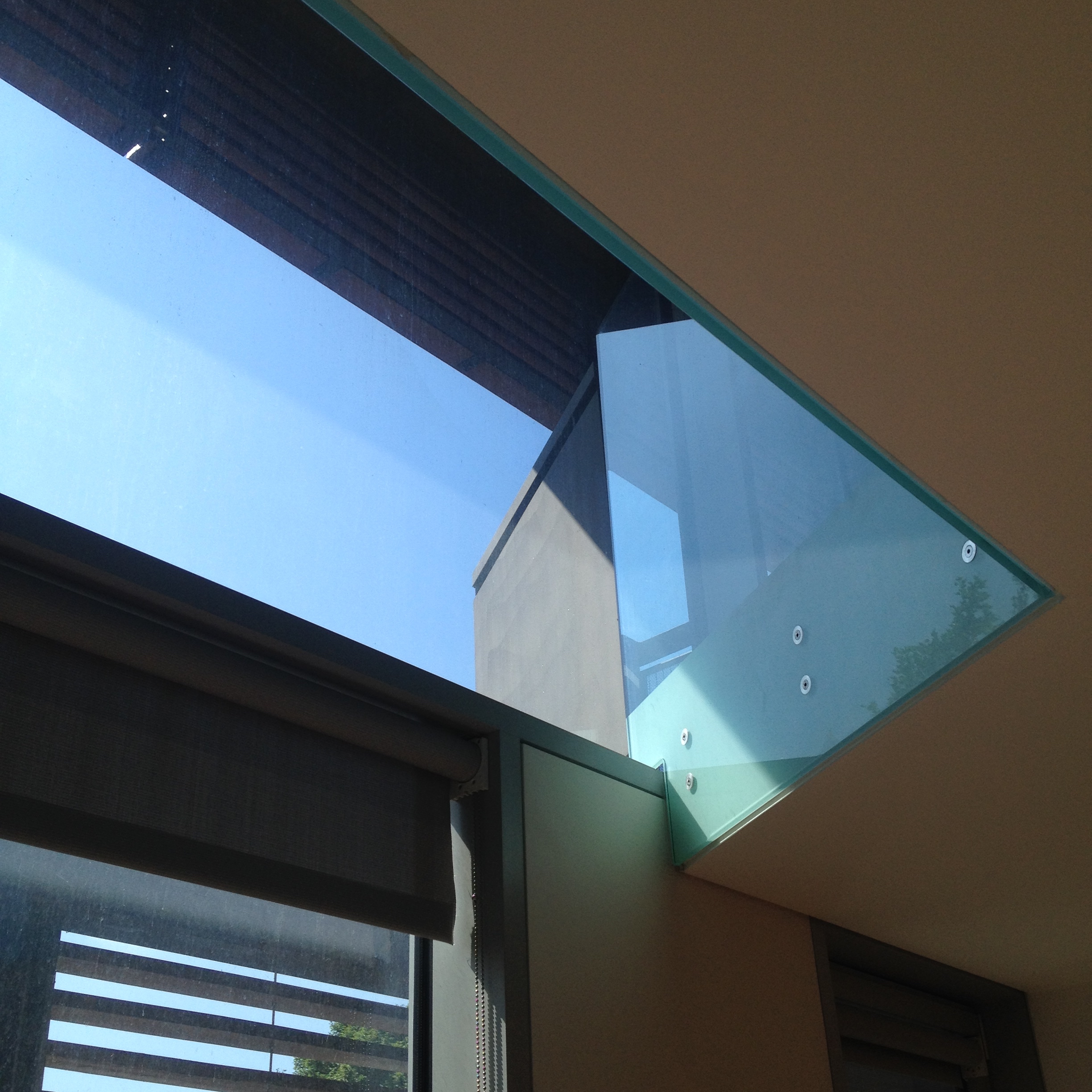
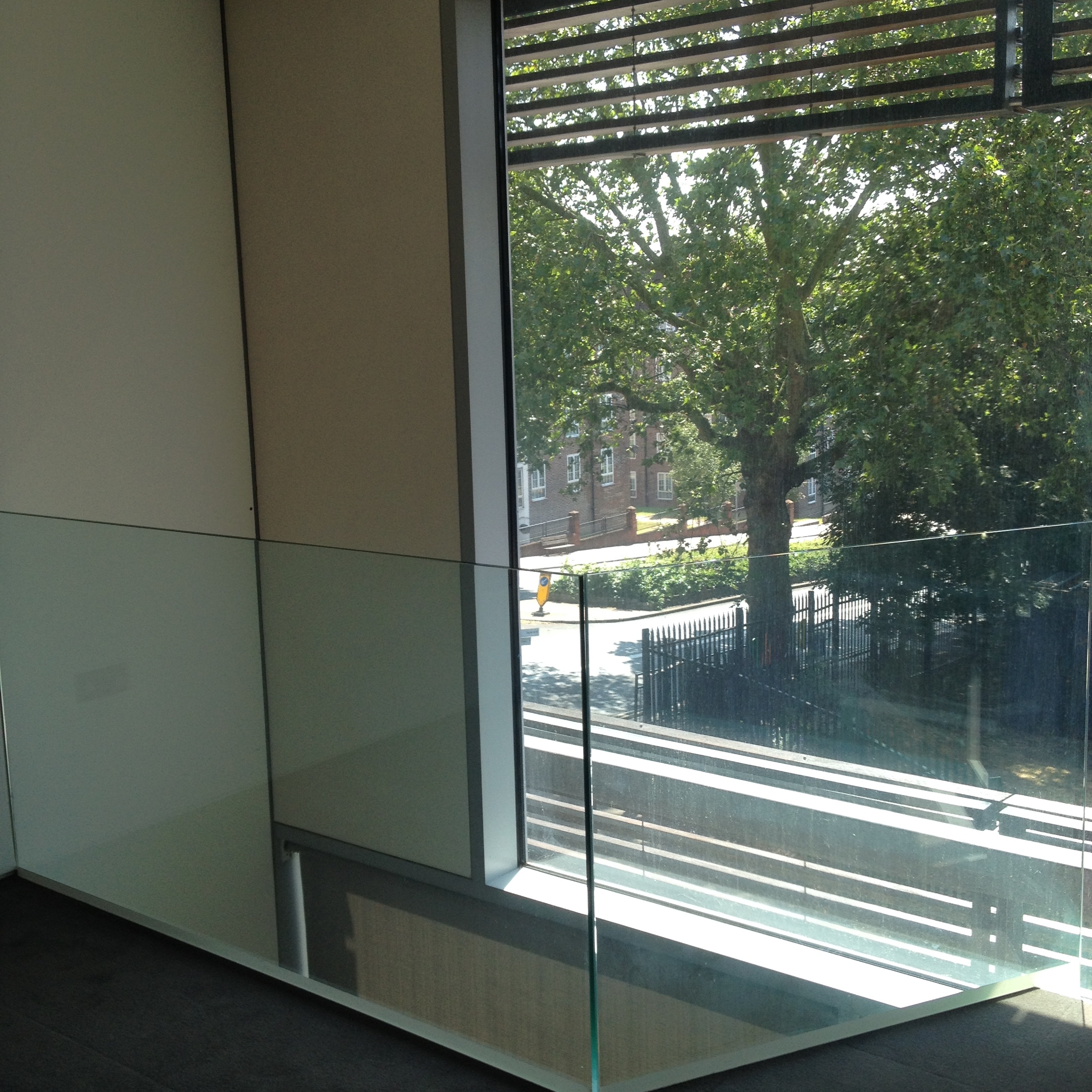
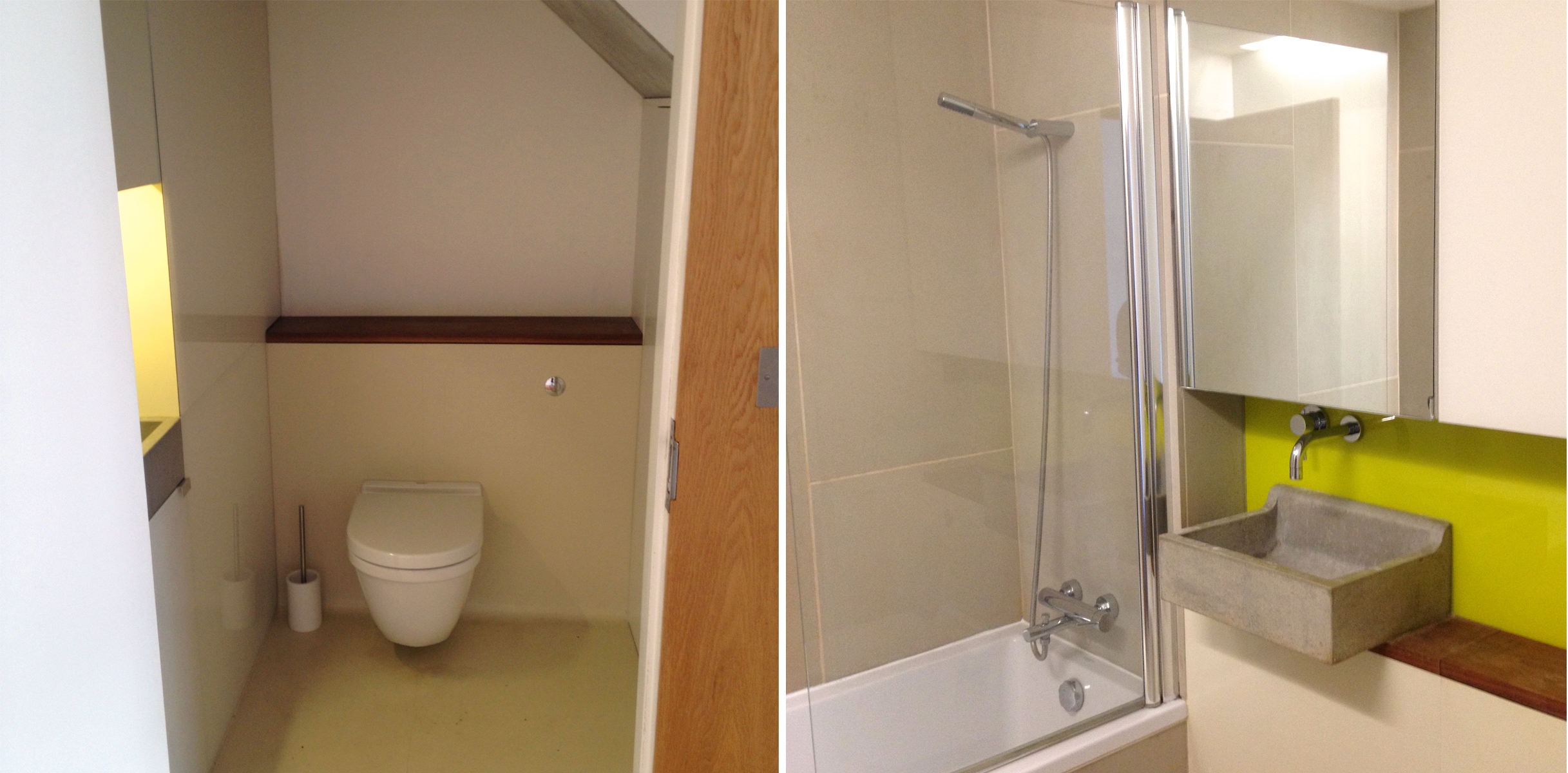
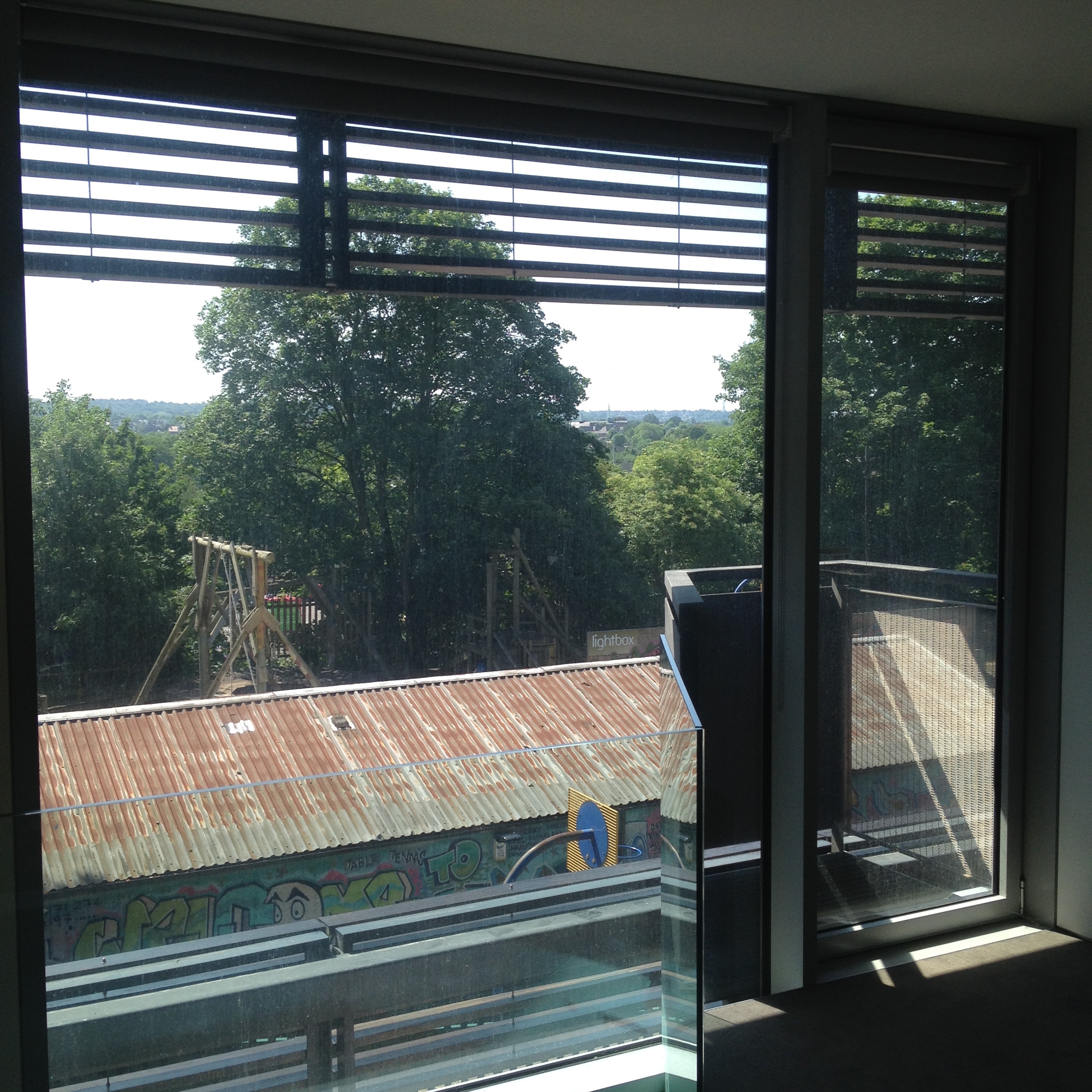
Things slightly improved once inside. The lower floor contained a compact reception room comprising open-plan kitchen, living and dining areas, opening onto a balcony (albeit one that looked out onto the basketball court of the local comp). A narrow slither of the room was double-height, with glazing extending up onto the upper floor, meaning that one of the bedrooms on the upper floor had a void overlooking the reception room – a nice design feature. Up the glass and wooden stairs were two smallish bedrooms (one with that void taking up valuable floorspace an a further balcony) and a bathroom with what appeared to be a concrete basin. It was all quite high-spec and the use of materials was interesting but the small room sizes and complete absence of built-in storage meant that it was difficult to actually imagine living in it.

IMG_2987IMG_2973IMG_2975IMG_2978IMG_2974IMG_2976IMG_2984

I can see why the building won several awards when it was completed in 2008. It’s a striking piece of architecture, especially when considered as a complete unit. The fact that the rear elevation is made almost entirely from opaque glass means that the whole thing apparently lights up like a magic lantern at night. However, a magic lantern does not necessarily a suitable home make so I passed on making an offer.

Claudia Place, Southfields SW19

Claudia Place, Southfields SW19
Three blocks of flats and maisonettes linked together with curved stair towers. Horizontal profiled metal cladding.
Architect: Farrell Grimshaw
Year built: 1973

I’d never heard of this unusual 1970s modernist development in Southfields until I stumbled upon it during a Rightmove browsing session.

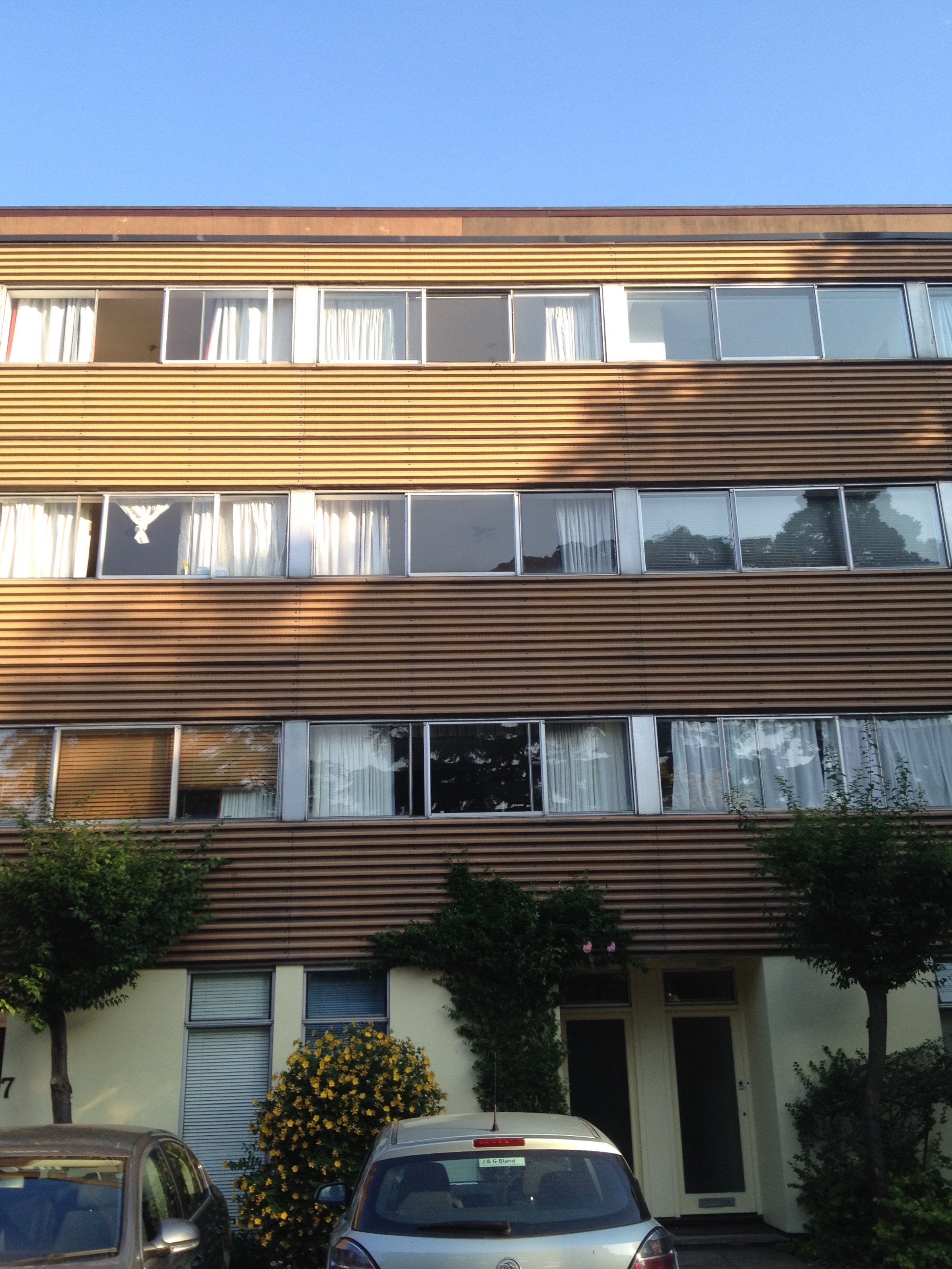
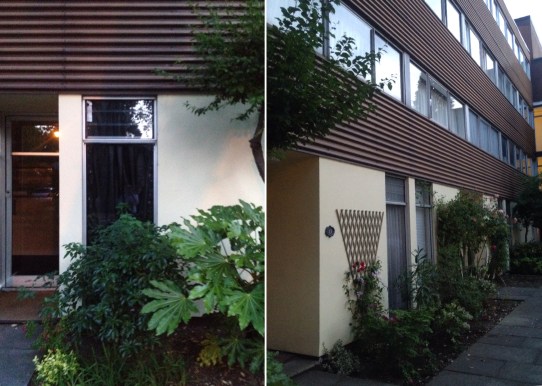
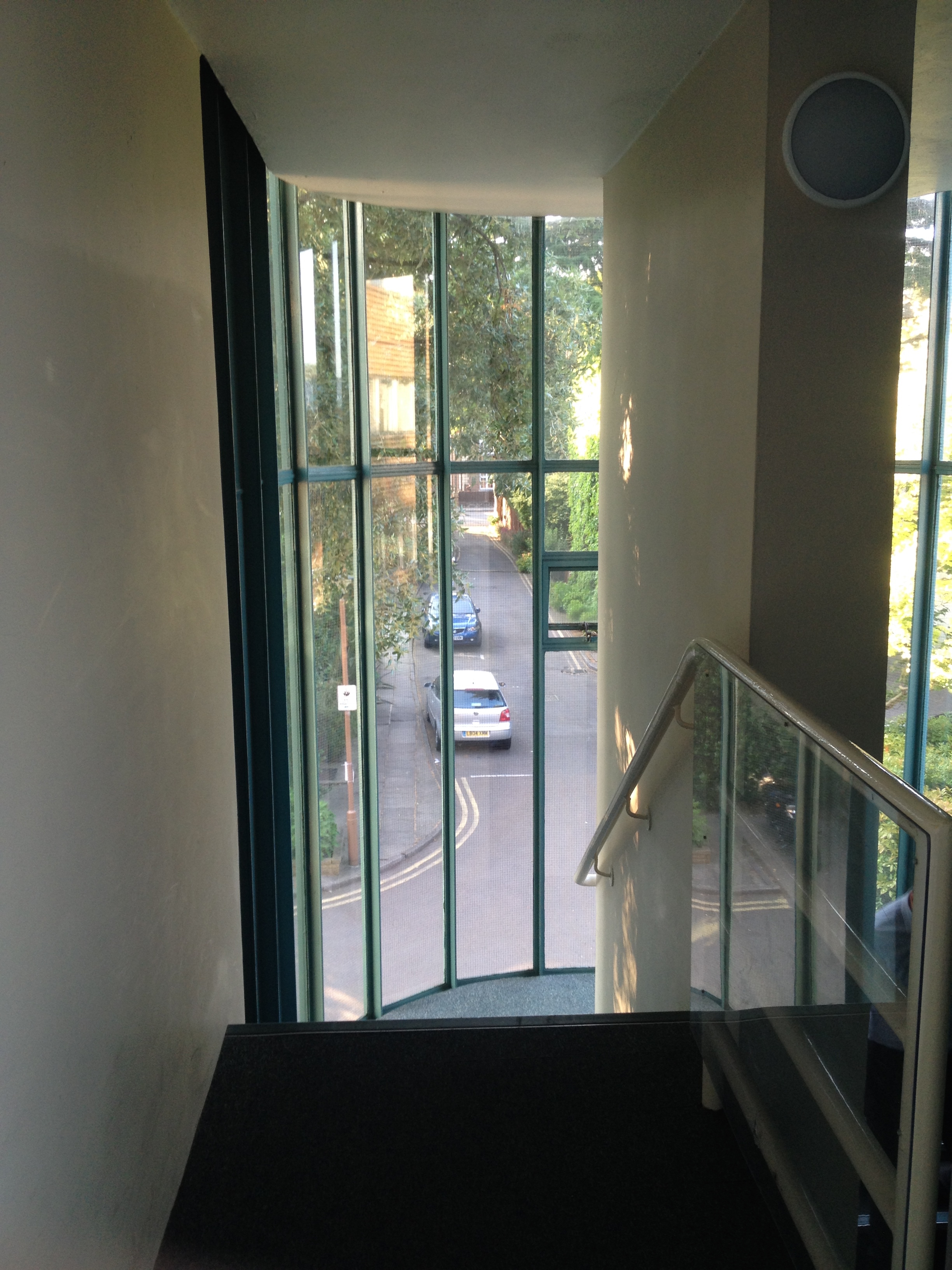
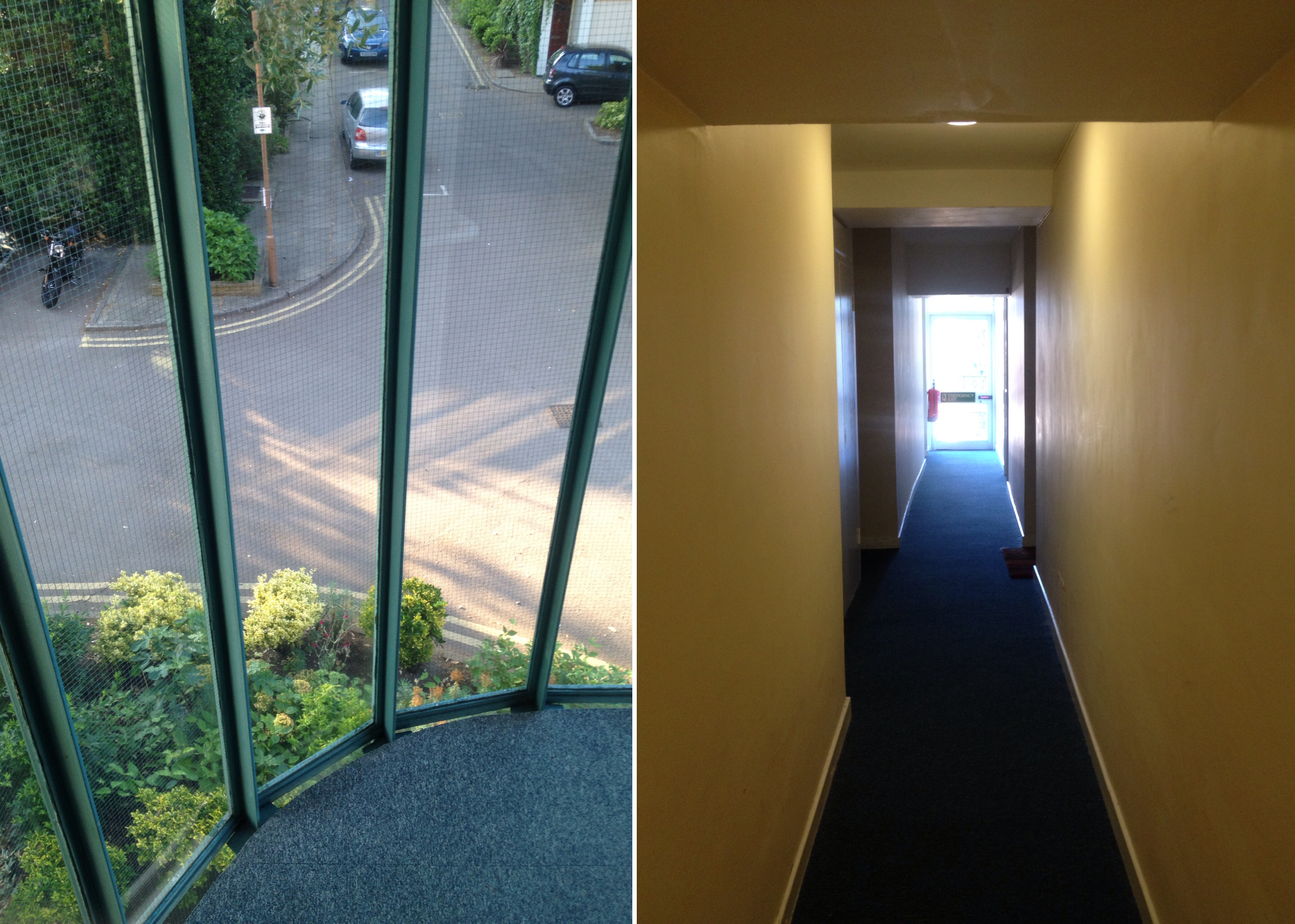
Tucked away in a quiet cul de sac up the hill from Southfields station, the development comprises three adjoining blocks of flats, maisonettes and townhouses linked together with unusual greenhouse-like stair towers. The facade of the building looks like it is made up of wooden slats but it is apparently metal cladding.

IMG_2945IMG_2943IMG_0906IMG_2940IMG_0905

I viewed a 2-bedroom split-level flat in the development a couple of weeks ago. Upon arrival, first impressions were very positive: the grounds were beautifully landscaped (I particularly liked the ivy covering the entire side of the row of townhouses) and the striking external facade of the building looked immaculately maintained. Unfortunately, the interior communal areas weren’t nearly as impressive (dimly lit with walls painted in an insipid shade of cream and that thin blue carpet often used in offices).

IMG_2933IMG_0907

The flat itself had an interesting layout split over three floors: bedroom 1 and the bathroom were on the second floor, bedroom 2 and the open plan kitchen/living area were on the third and a large roof terrace occupied the fourth. There was quite a lot of floorspace but the odd proportions of some of the rooms (the kitchen/living area was unusually long and narrow) and the split-level layout with three floors of rooms stacked on top of each other gave the flat an oddly claustrophobic and disorienting feel overall. The pink, red and green colour scheme and furnishings did not help matters.

IMG_0911IMG_2911IMG_0910

The outlook was also mixed: the views from the rooms facing out onto the nicely landscaped cul de sac (the two bedrooms) were pleasant whilst the views from the living area and terrace, which backed quite closely onto an enormous, rather depressing housing estate, were not.

IMG_2914 IMG_2895

I’m sure that with enough money (probably about £20k), the flat could be made to look pretty good. I was also informed that the terrace could be converted into an additional room. Unfortunately, this wasn’t a project that I felt motivated to take on.

Grenville Court, Crystal Palace SE19

Grenville Court, Crystal Palace SE19
Apartment block forming part of Dulwich Wood Park estate; winner of Civic Trust Award 1964
Architect: Austin Vernon & Partners
Year built: 1959

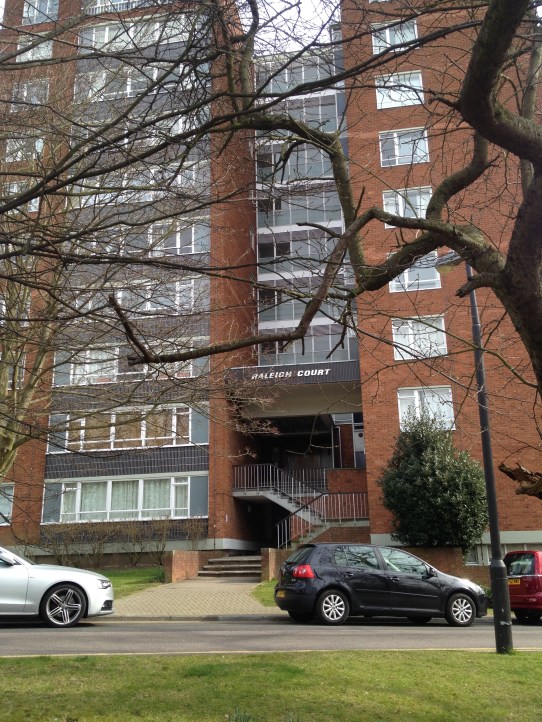
My search for a modernist property in the Crystal Palace area inevitably brought me back to the Dulwich Wood Park estate that I last visited a couple of months ago. This time I viewed two flats on the first and sixth floors of Grenville Court, Raleigh Court’s paler-coloured neighbour.

imageimage

The two flats were identical in layout to one another and the flat I viewed in Raleigh Court last time: two decent-sized adjoining bedrooms, lengthy open plan living area with a steel-framed window spanning the length of the space, kitchen, bathroom. The only difference from the flat in Raleigh Court was the addition of a glazed partition separating the living area from the hall which was a nice design feature but made the space feel a bit more hemmed in.

IMG_2861IMG_2858IMG_2859

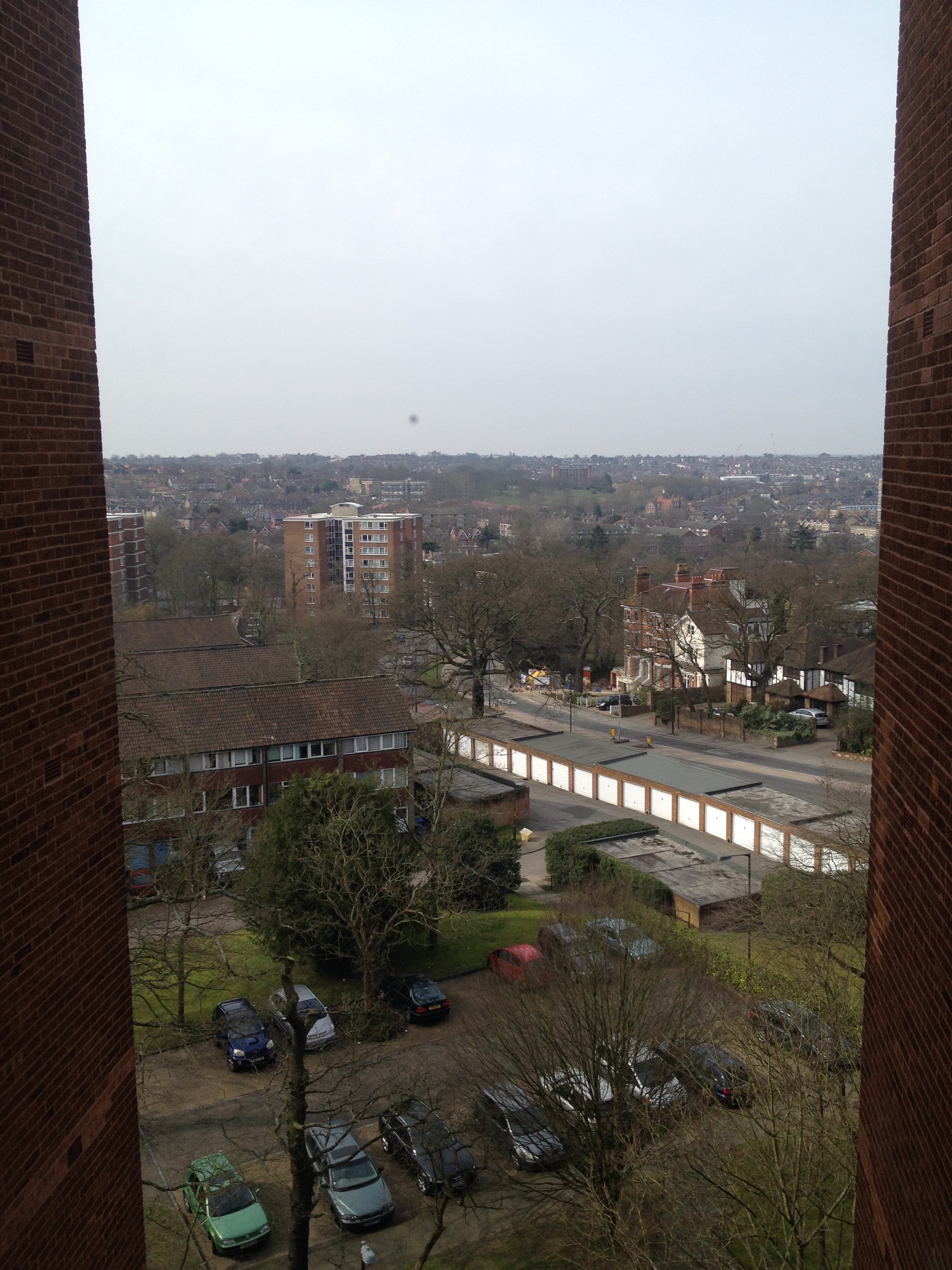
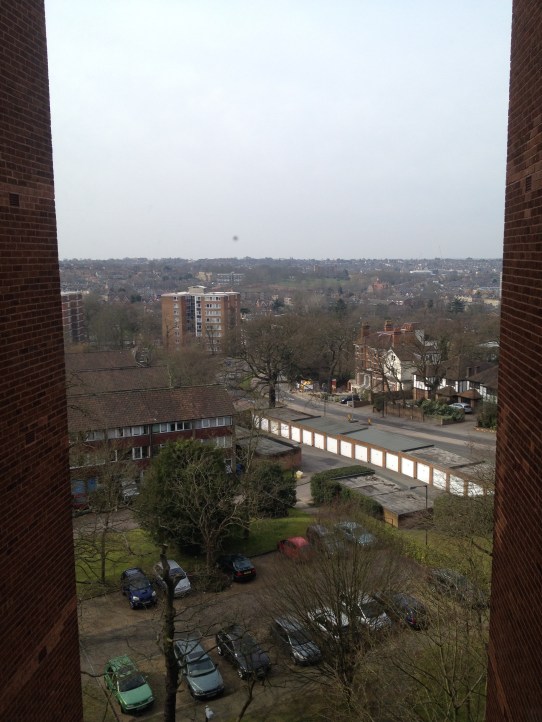
Unlike the flat I saw last time in Raleigh Court, both of these flats had decent views facing out onto woodland rather than other blocks in the estate. The flat on the sixth floor obviously had the advantage of a high vantage point but the views from the windows of the first floor flat weren’t bad either.

IMG_2862IMG_2860

In terms of decor, both flats had most of the original features intact (cupboard doors, window frames etc.) but the first floor had been given a recent mid century modern makeover, which made it the more appealing flat of the two despite being on a lower floor.

I put in an offer on the first floor flat for the asking price but was promptly outbid, which indicates competition for a flat in decent condition on this estate is rife.

More photos of the first-floor flat that wasn’t meant to be:

IMG_2805IMG_0898IMG_2801IMG_2809IMG_2798

Central Hill Estate, Crystal Palace SE19

Central Hill Estate
Crystal Palace SE19
Major Ted Hollamby major housing scheme
Architect: Ted Hollamby
Year Built: 1966-1974

It looks like this Ted Hollamby-designed estate is going to meet the same fate as Cressingham Gardens, which I visited last year (i.e. bulldozing is imminent). This is another great shame but having wandered around it, It’s not difficult to see why.

Architecturally, it’s interesting, with all of the hallmarks of a low-rise Ted Hollamby estate. There’s a range of dwellings, ranging from one-bedroom flats through to four-bedroom houses, constructed in variety of unusual shapes (triangular pitched roofs, stepped balconies, perfect cubes) and materials (mostly grey slate, limestone-coloured brick and concrete).

IMG_2614IMG_2630IMG_2619IMG_2857IMG_2631

Unlike Cressingham Gardens, which is built on a large, mostly flat site surrounding a low mound, the Central Hill Estate has been built on a very sloping site with pedestrianised walkways and stairways snaking up and down and between the buildings. The other difference from Cressingham Gardens is the fact that Central Hill Estate has clearly not been managed or maintained properly over the years and has descended into moderate disrepair. It all seems a bit stained and broken (some of the glass balconies were literally broken) and really could do with refurbishment.

IMG_2625IMG_2646IMG_2856IMG_2621

Unfortunately, given the prime location that the Central Hill Estate occupies (right next to the the now-trendy Crystal Palace triangle), it’s unlikely to be refurbished for the benefit of the mostly local authority tenants. Instead, it’s likely to be replaced with a bland new build development for private owners with a small wing of local authority housing tacked to the side.

Based on previous estate agent listings (and some current ones though I can’t think who would want to buy a property that has been earmarked for “regeneration”), the interiors of the flats look really quite nice. They seem to be spacious and light-filled with decent balconies or terraces. Here is an example of a four-bedroom house, which was on for something very reasonable (around £420k, if I remember correctly).

IMG_2731IMG_2723IMG_2724IMG_2727IMG_2725

Park Court, Sydenham SE26

Park Court
Sydenham SE26
Modernist 1930s private development
Architect: Frederick Gibberd
Year Built: 1930s

After thinking about moving to Crystal Palace for a while but doing very little about it, I have finally put my flat on the market and have begun hunting for a modernist flat in the Crystal Palace area in earnest.

One of my top choices is Park Court, an elegant modernist development in Sydenham, just to the east of Crystal Palace Park. Designed in the 1930s by Frederik Gibberd (best known for the beautiful Pullman Court in Streatham), the development is made up of seven low rise blocks surrounded by perfectly manicured communal gardens. The flats originally had an elegant (and quintessentially modernist) flat-roofed design but this was slightly marred by the addition of a layer of “Mansard” flats at the top of the buildings in the 1980s.

IMG_2606 IMG_2602 IMG_2600
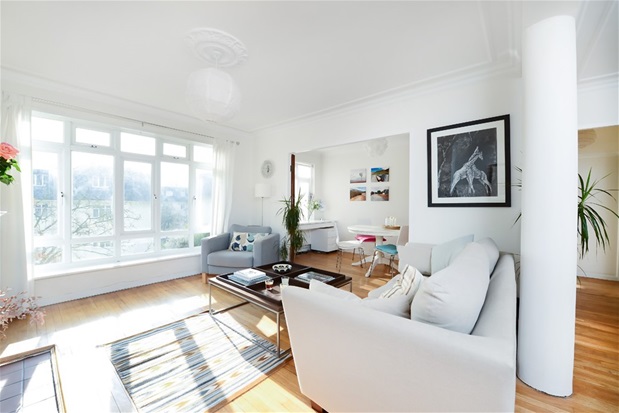
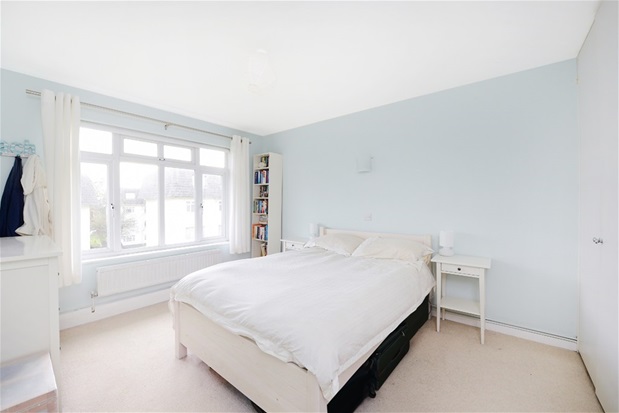
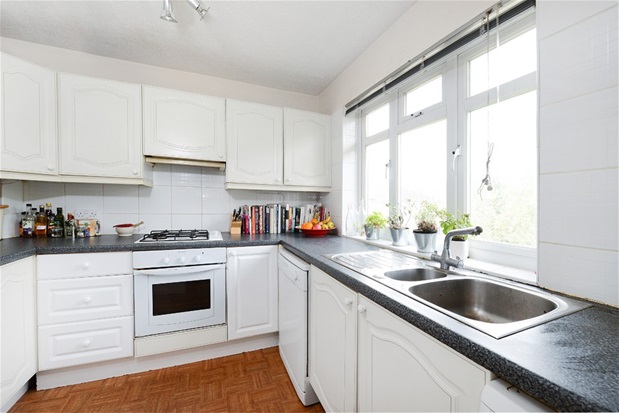
I have fantasised about living in Park Court ever since I saw this particularly attractive example of a flat in the block on Rightmove last year. This flat was on the second floor, forming part of the original development and appeared to have most of the original 1930s features intact including the original cornicing, dividing archway between living and dining areas and that beautiful pillar.

IMG_2714 IMG_2715 IMG_2717IMG_2716 IMG_2720
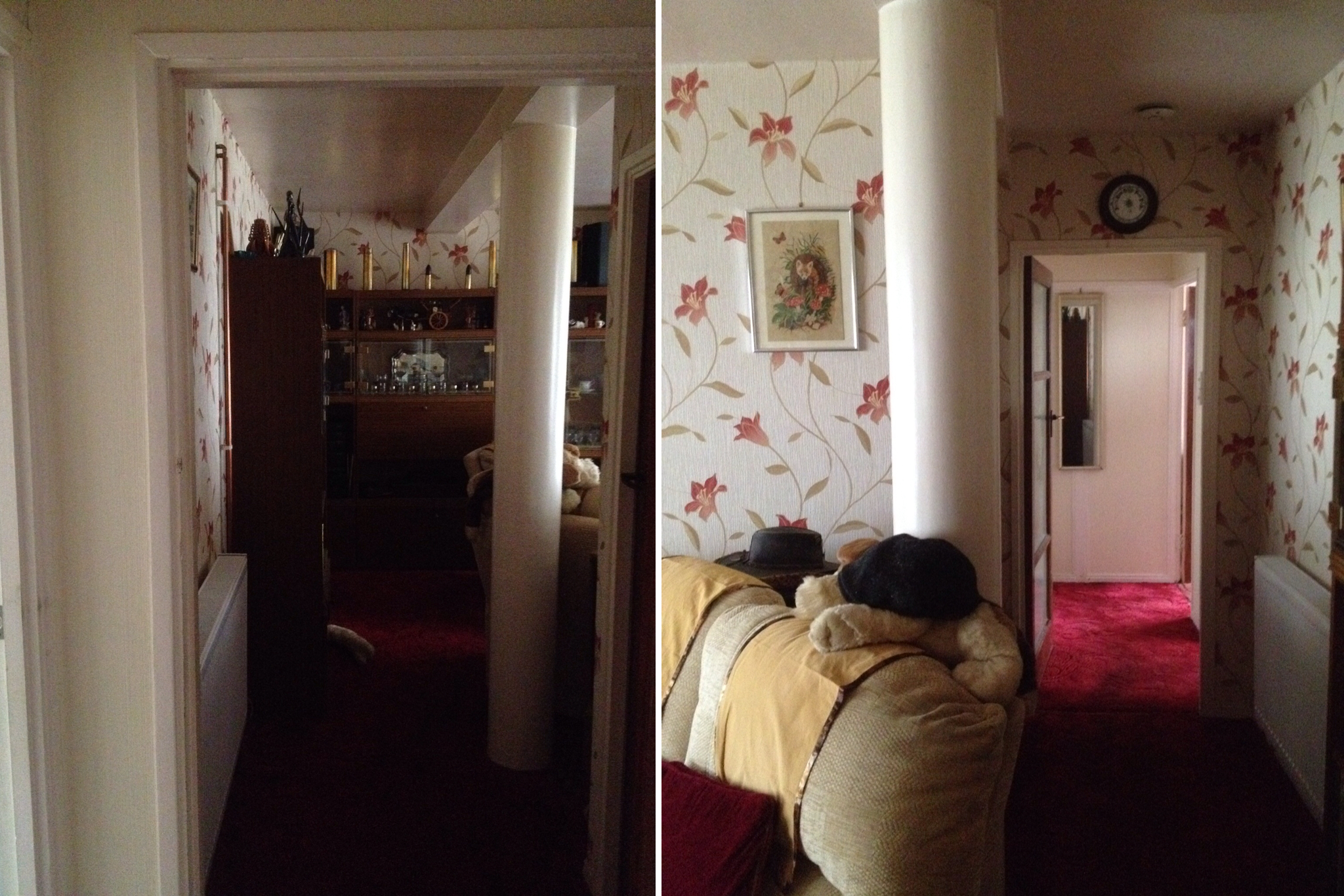
Unfortunately, the flat that I ended up viewing did not live up to the fantasy. Being on the ground floor, it was a bit dark, not helped by the fact that the existing occupant had a lot of things. Unlike the airy, whitewashed fantasy flat (which in fairness had probably been misleadingly photographed), this ground floor flat also felt quite cramped.

IMG_2685imageIMG_0895

One unappealing flat hasn’t been put off the development entirely, however. The communal hallways and grounds seemed pretty charming and the surrounding area was nice and leafy.

IMG_0894IMG_2601

Flats in the development rarely become available but if one that looks like the fantasy flat pops up for sale (on the second floor please), I will be making an offer.

Midcentury Show East at Haggerston School

Midcentury Show East at Haggerston School
Grade II-listed brutalist school building
Architect: Erno Goldfinger
Date built: 1964-1965

IMG_2410

I hope the kids that attend this inner-city secondary school realise how lucky they are to be surrounded by all of this spectacular Goldfinger-designed brutalist architecture.

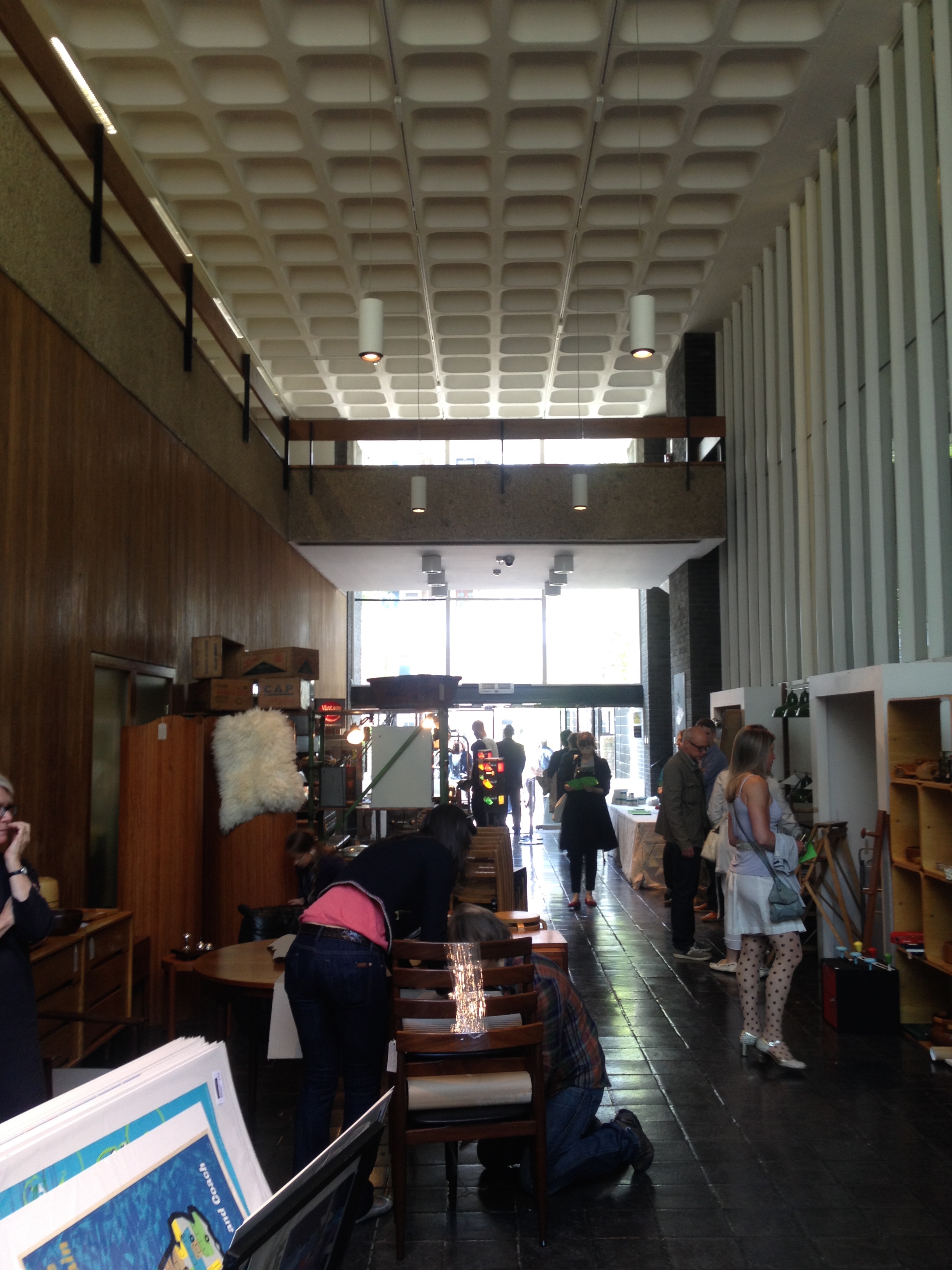
Constructed between 1964 and 1965 in Goldfinger’s signature style, the school is a key example of Goldfinger’s approach to space and his innovative use of materials (mainly grey and sludge-coloured concrete).

The school comprises three main separate but connected blocks. A two-storey, double height entrance annexe contains the assembly hall and some administrative offices, which is connected via a glazed walkway to the main teaching building, a rectangular, four-storey, concrete-frame classroom block whose facade is divided into a continuous series of four-window bays. A sports block is located at the far end of the site. A sculpturally cast spiral concrete staircase pirouetting up from the first floor of the entrance annexe and a soaring water tower shaft serve to break up the flat roofline.

IMG_2382IMG_2386IMG_0884IMG_2304IMG_2409

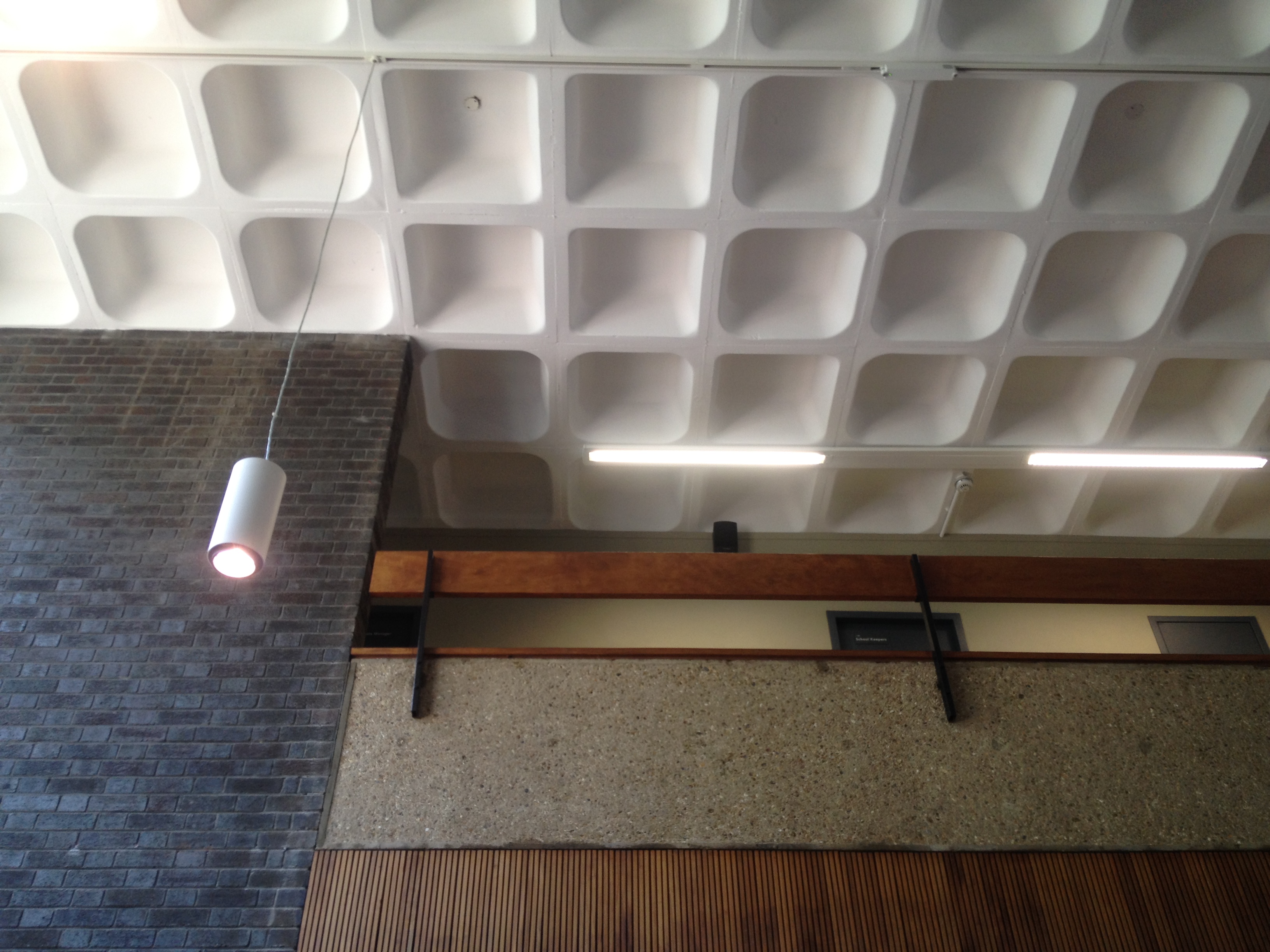
Due to a very sympathetic refurbishment in recent years, all of Goldinger’s original details, such as the recessed wall pockets for opened doors, the exposed waffle slab to the double-height lobby and the decorative carved concrete wall in the assembly hall have been retained and restored.

IMG_2378IMG_0882IMG_2376IMG_2374IMG_0883IMG_2359IMG_2354

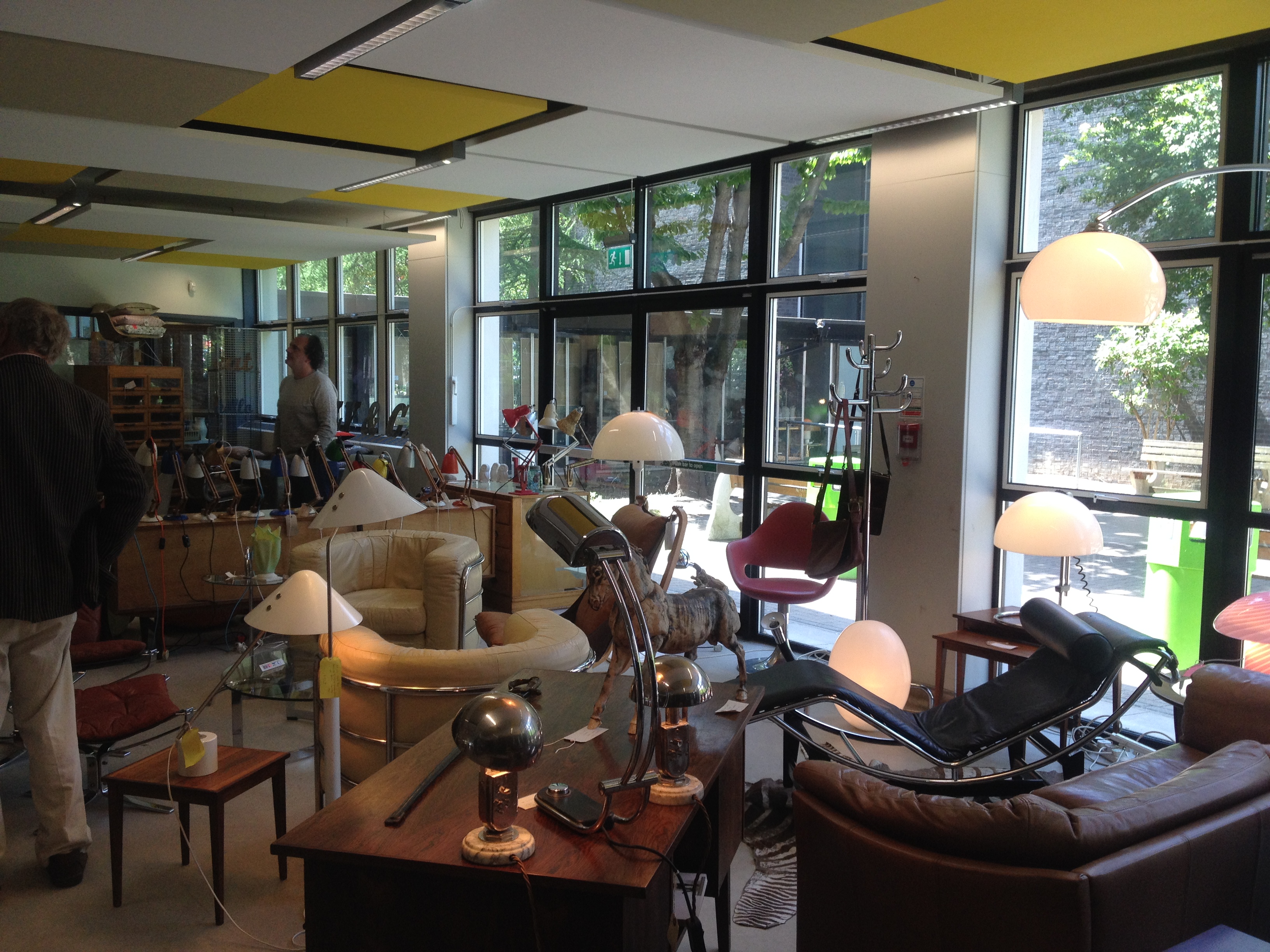
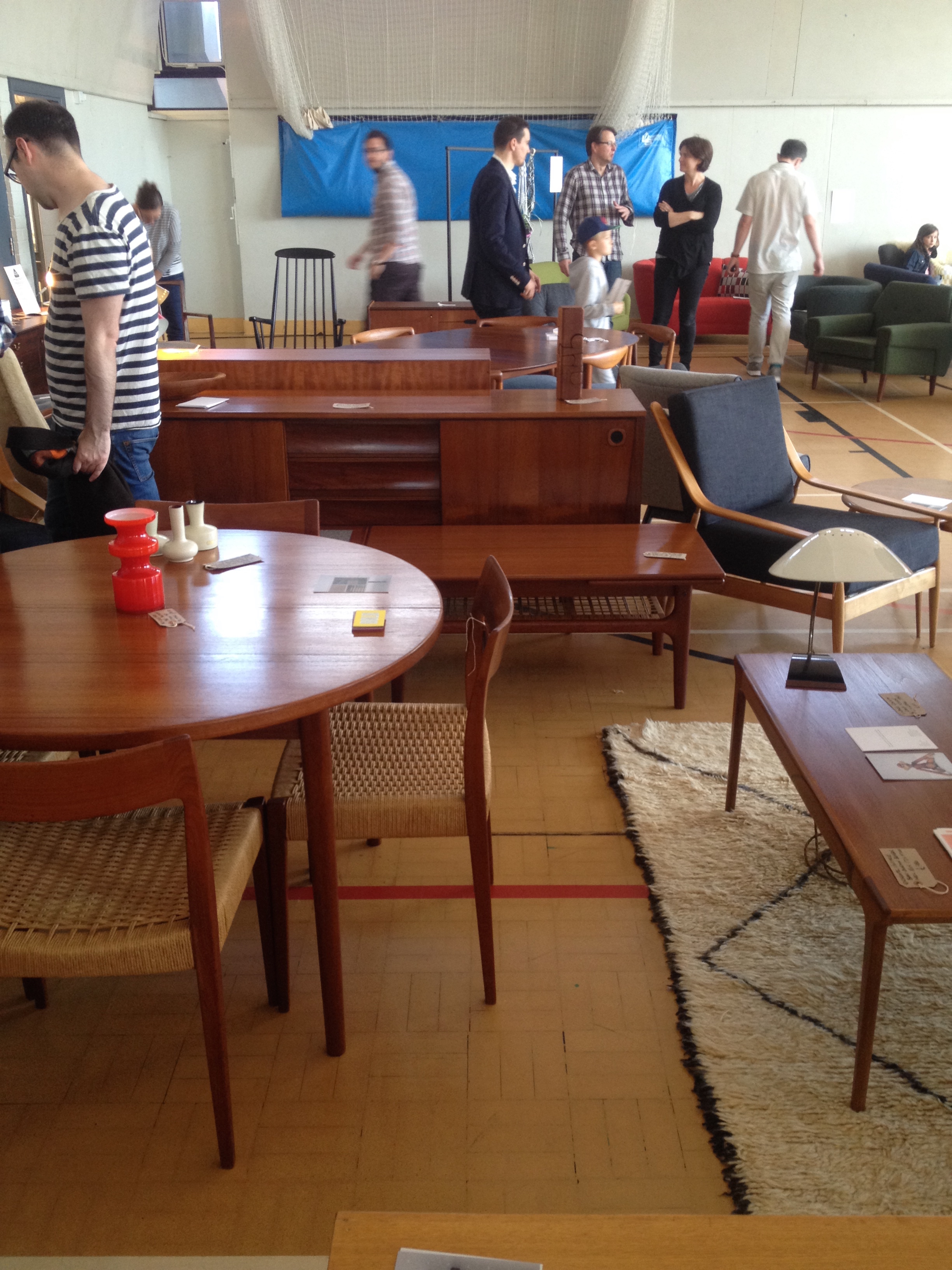
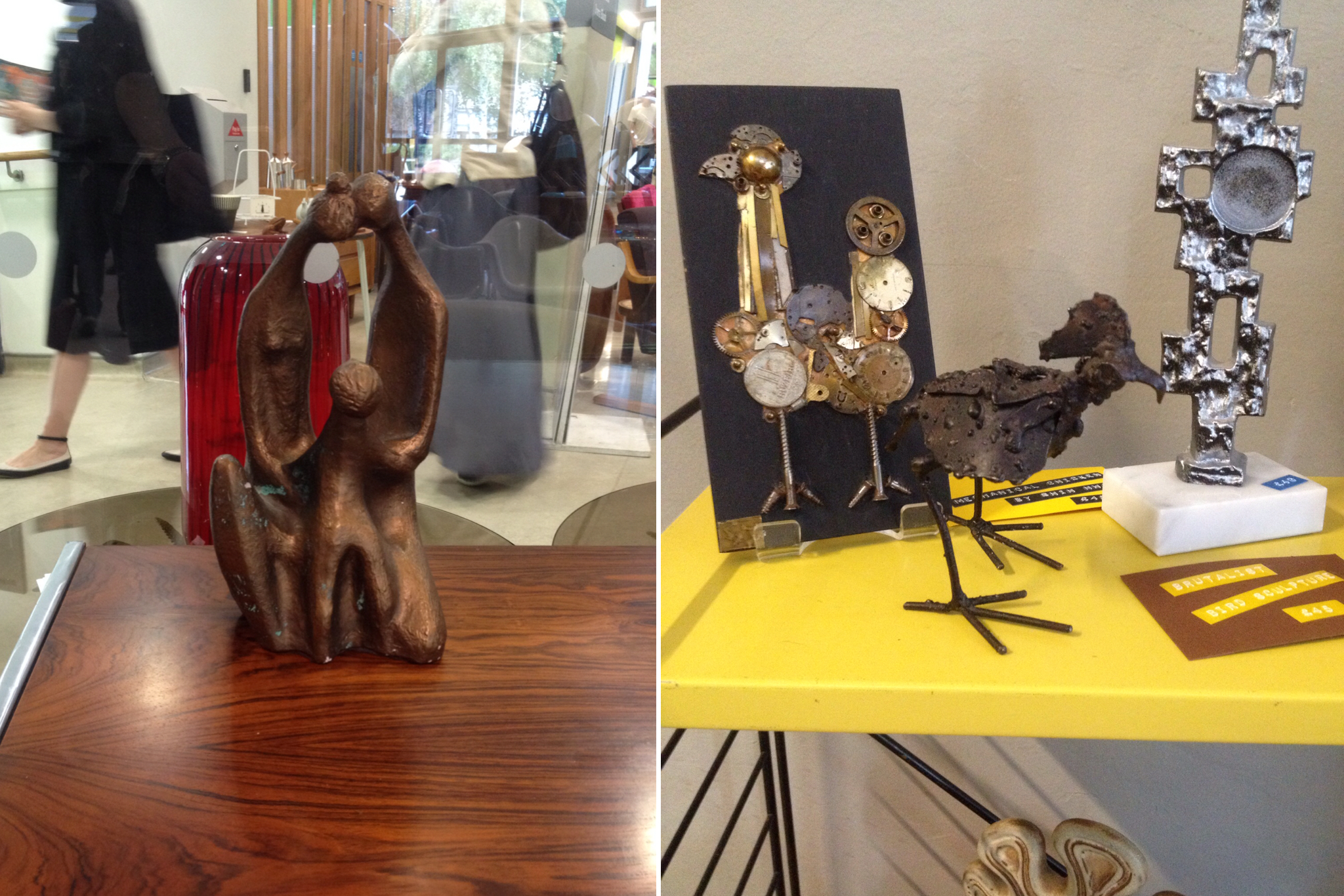
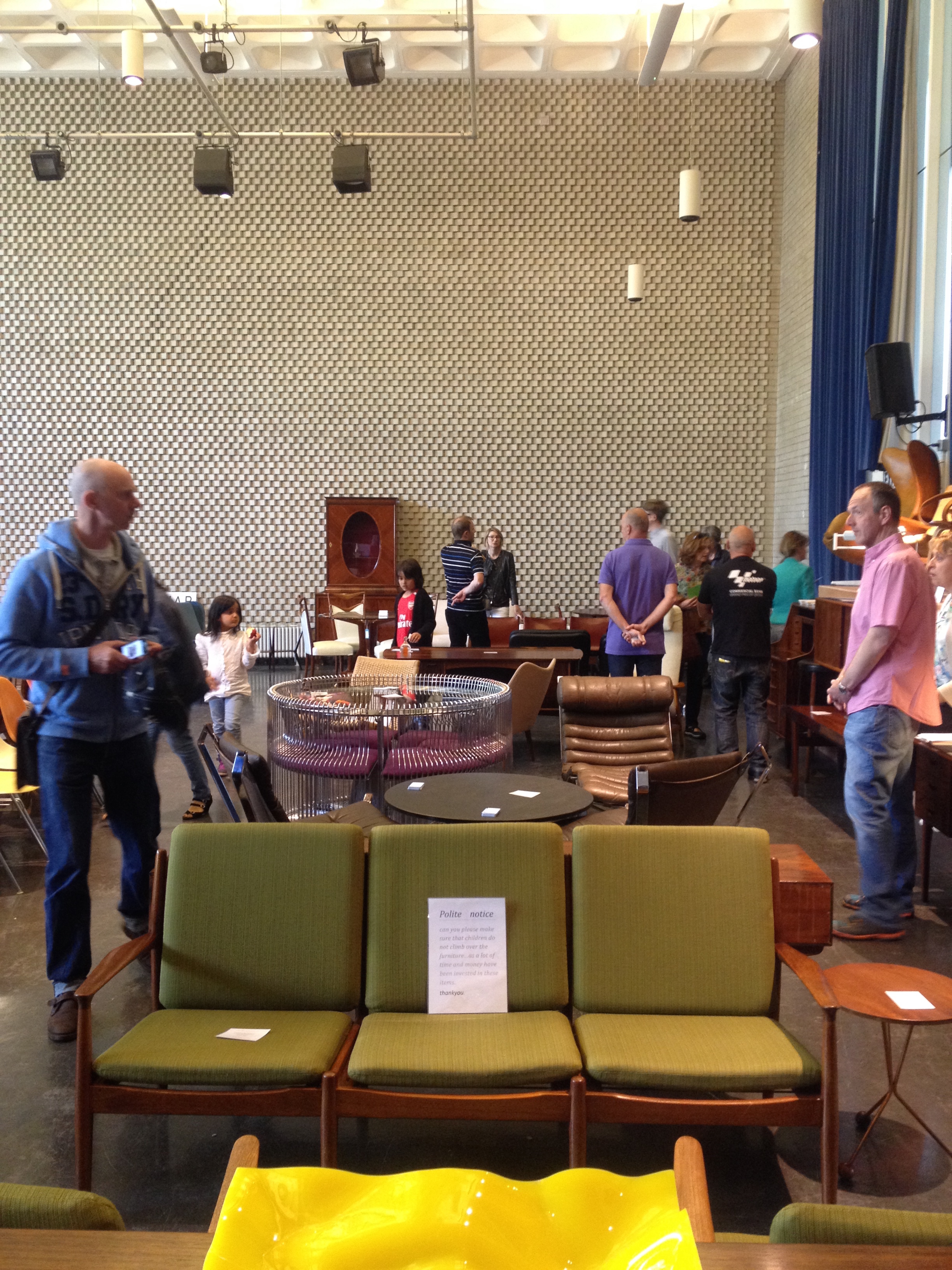
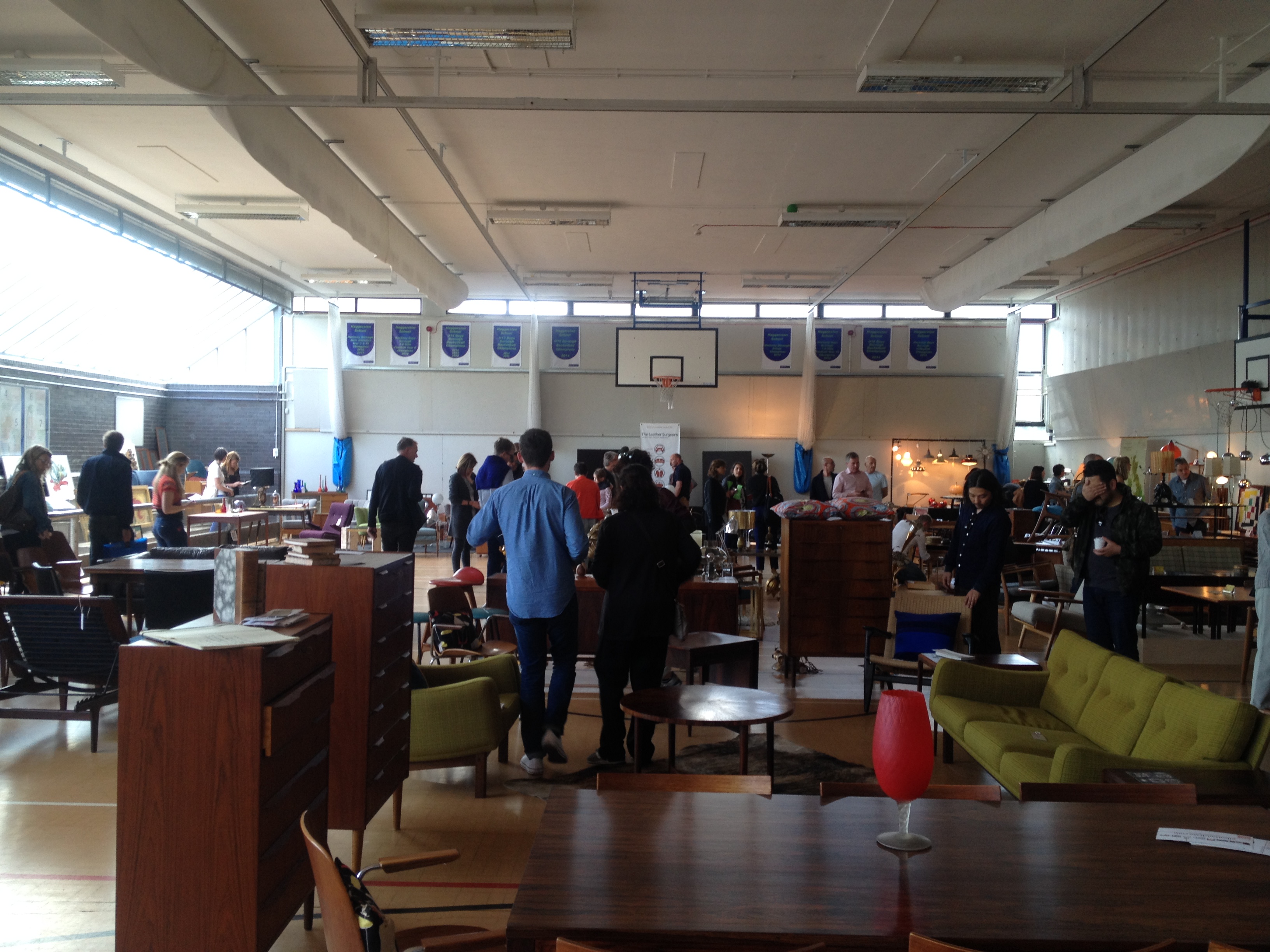
Goldfinger’s brutalist architecture provides the perfect setting for Mid Century Show East, an furniture and accessories fair held semi-regularly at the school. The calibre of stock here is at the top end both in terms of provenance and condition (definitely a step up from Judy’s Vintage Furniture Fair, which I wrote about in March) with both professional dealers and buyers in attendance. I was sadly not in a position (either logistically or financially) to buy anything.

IMG_2301IMG_0885IMG_2296IMG_2313IMG_0881IMG_2343IMG_2315IMG_0880IMG_2299IMG_0879IMG_2335

Raleigh Court, Crystal Palace SE19

Raleigh Court, Crystal Palace SE19
Apartment block forming part of Dulwich Wood Park estate; winner of Civic Trust Award 1964
Architect: Austin Vernon & Partners
Year built: 1959

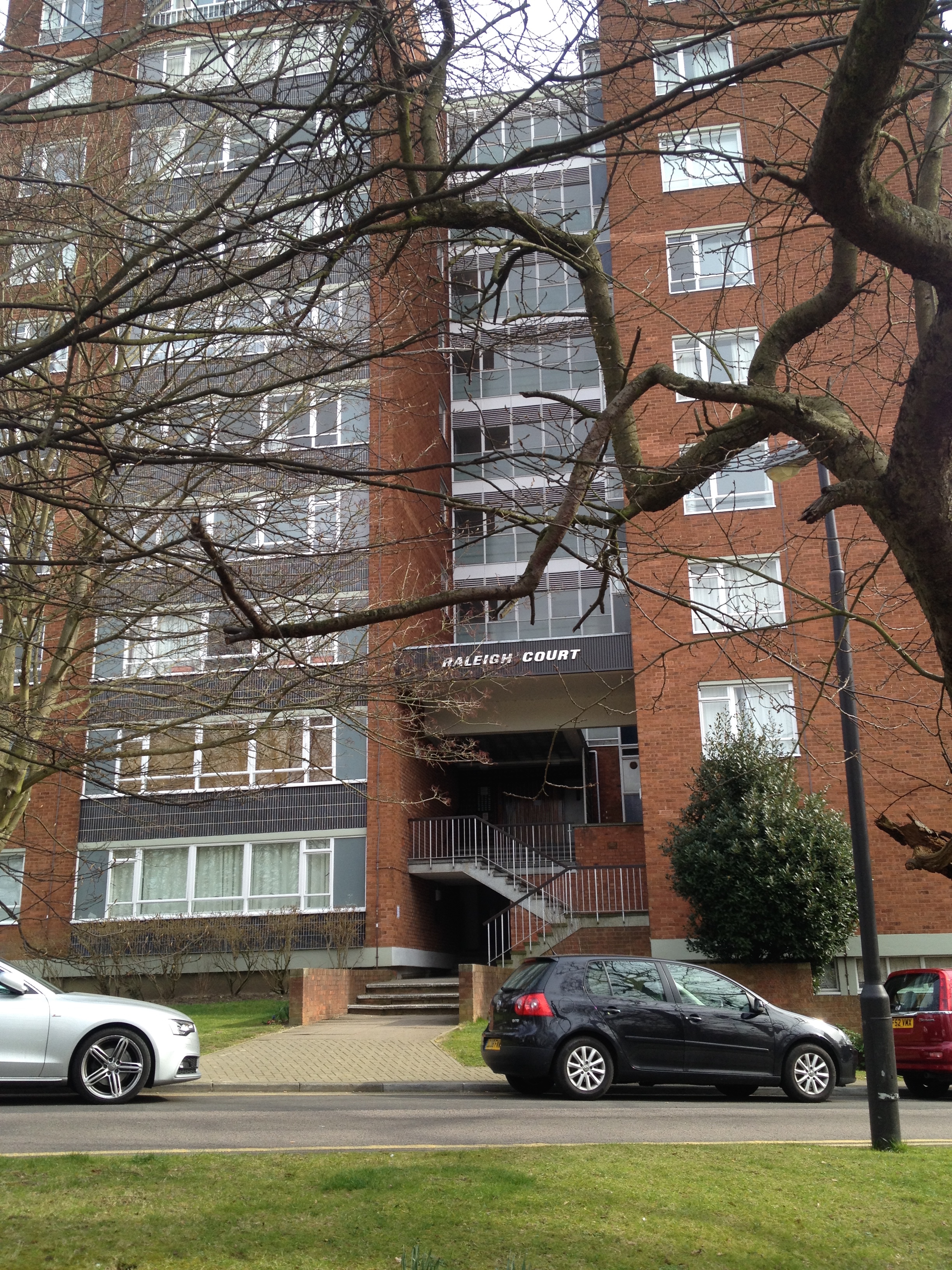
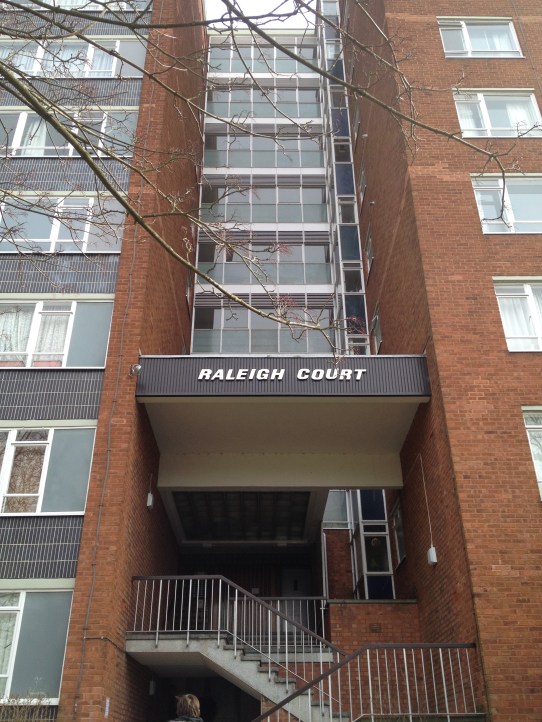
I’ve been contemplating a move to Crystal Palace for a while: it’s leafy, only half an hour from my office, relatively affordable (though probably not for long) and most importantly of all, seems to be peppered with modernist properties such as this Austin Vernon & Partners-designed estate. Raleigh Court is one of seven high-rise apartment blocks clustered on a hilly patch of land halfway between Crystal Palace and Gipsy Hill. The apartment blocks, together with some similar-looking townhouses at the foot of the hill, form part of the Dulwich Wood Park Estate, a collection of developments built in South East London in the late 1950s.
IMG_1824IMG_0859IMG_1817
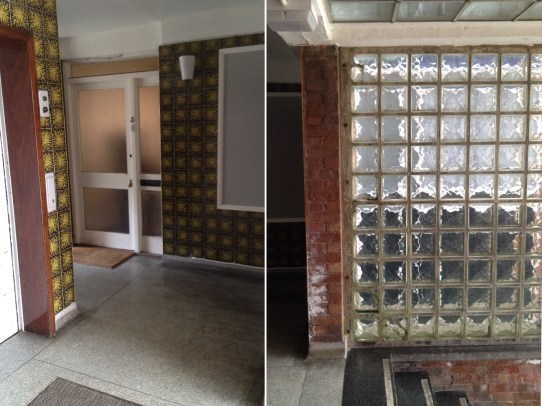
The apartment blocks are not Grade-listed but efforts seem to have been made (most likely by the Dulwich Estate which owns and maintains the Dulwich Wood Park Estate and a militant Residents’ Association) to preserve the original character of the grounds and the exterior facing elements of the flats: there’s a notable absence of uPVC windows and things like door fittings appear to be original. The heavily stylised communal areas, decorated in various shades of green, 1950s patterned tiling and teak panelling, have also been preserved but could in all honesty do with a bit of a spruce up: the overall appearance is retro and shabby rather than glamorous. The same goes for the original, slightly juddering 1950s lift.
IMG_1783IMG_1813
The flat that I viewed was a large 2-bed on the 6th floor. It was laid out in the standard configuration for 2-beds on the estate: entrance hall opening into a large open plan living/dining room with the original steel-framed window spanning almost the entire length of the long wall and bedrooms of equal size at the back of the flat. The original teak flooring and built-in storage were present and correct but the the bathroom suite looked a bit 80s and the kitchen looked a bit early 00s (neither particularly good eras for design). The high ceilings, open layout and large footprint (around 75 sq metres) contributed to an overall sense of space.
IMG_1804IMG_0858ScanIMG_1794
The views from this particular flat were a bit of a mixed bag: even though the flat was on the 6th floor and consequently pretty high up, the positioning on the estate meant that there was a direct view into more than one of the other blocks. That said, there was a pretty magnificent view of the hills of Crystal Palace (and beyond) from the living room window – but only from particular angles.
IMG_1816
The flat was tenanted at the time of the viewing and was consequently looking a bit careworn but the potential was evident. The website modernistestates.com has featured some flats on the estate with almost exactly the same layout refurbished/restored to their full potential:

http://www.modernistestates.com/post/52384497065/2-bedroom-flat-frobisher-court-sydenham-rise

http://www.modernistestates.com/post/53095857451/jim-green-marlow-court-crystal-palace-se19-we

Property values, unsurprisingly, have risen exponentially over the past few years (and certainly at a faster rate than properties in my current area). Annoyingly, I would have been able to comfortably afford a flat on the estate at the time I bought my current flat but that’s no longer the case.
IMG_1835

Isokon Lawn Road Flats, NW3

Isokon Lawn Road Flats
London NW3
Architect: Wells Coates
Grade I listed modernist apartment block designed as a progressive experiment in new ways of urban living
Year Built: 1934

This spectacular pre-war apartment block was originally built in 1934 as “an experiment in minimalism and communal living”. With its curved forms and pale render, Agatha Christie (a former resident) likened its appearance to a giant ocean liner run aground and it was the first ever apartment block to be built chiefly using reinforced concrete.
The block houses 34 apartments, most of which are relatively compact but apparently cleverly designed to make use of the available space. The architect and the couple who commissioned the building envisaged a happy community of ultra-sociable, design-conscious residents who would spend so much of their time with their neighbours in shared spaces (an in-house restaurant, bar, laundry and communal kitchen connected to the residential floors via a dumb waiter) that they would only need the smallest of private quarters to actually live in.

Apparently none of the residents really bought into the idea of communal living (they were reportedly just too British and reserved) so the shared spaces were converted over time into further flats and today, a nice little museum setting out the history of the place. Sadly, the museum does not contain a full reconstruction of a whole flat (as I half-hoped it might) but there is salvaged kitchen and bathroom to see, which are as reported, very small.  Even without the full reconstruction, the museum is well worth a visit, if only to see the building’s spectacular exterior in person.

Flats do very occasionally come up for sale. Here’s one that themodernhouse.net sold recently for about £500,000: http://www.themodernhouse.net/past-sales/isokon-building/

IMG_1761
IMG_1743IMG_1745IMG_1759IMG_1749IMG_1750IMG_1754