Linley Court, Dulwich SE19

Linley Court, Dulwich SE19
Mid-century apartment block
Architect: Unknown to me
Year built: 1950s-1960s

I went to see a flat in Linley Court last year after my third attempt at buying a flat in the Dulwich Wood Estate fell through (as an aside, that flat has just come back onto the market, now with an extended lease but £50k more expensive than the price at the time). Located just a few streets away and 1960s-looking in style, Linley Court seemed like the next best thing at the time.

img_1680img_1677

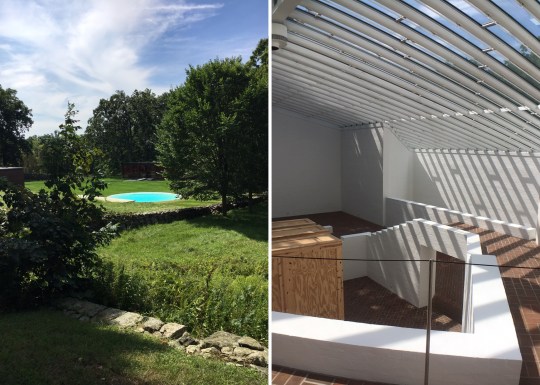
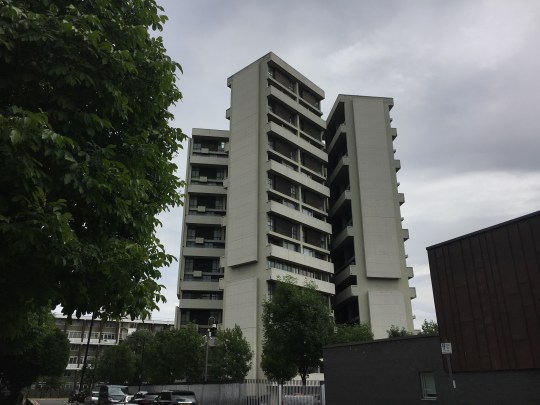
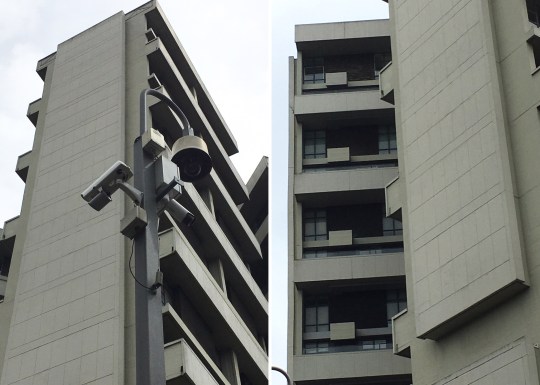
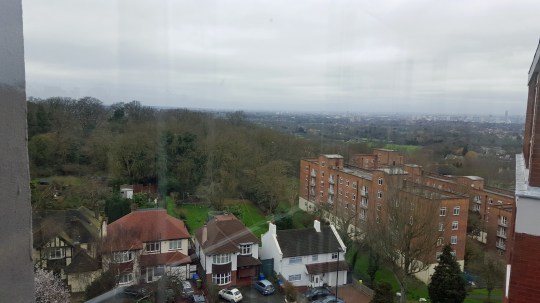
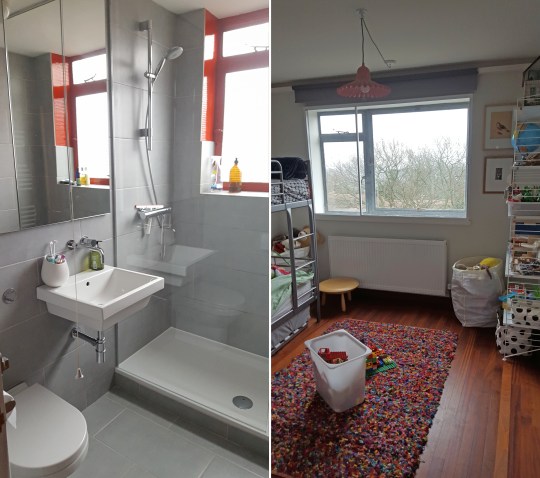
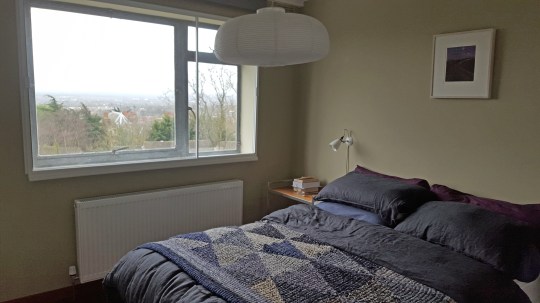
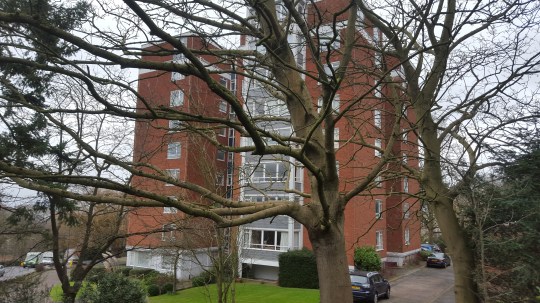
Set back from the road in a leafy close, one of the best things about Linley Court was the picturesque, almost Disney-esque setting. The block itself, which appeared to be part of a small development of flats and three-storey townhouses clad in rather Span-like terracotta tiling, was less remarkable but nice-looking enough.

img_1672img_1669

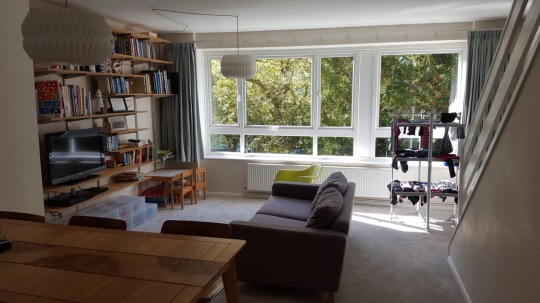
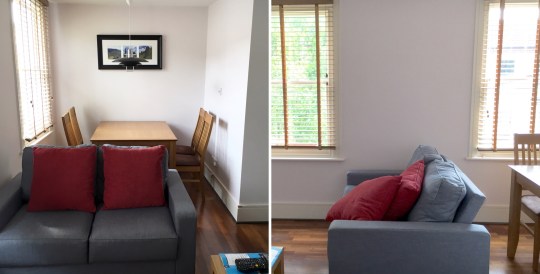
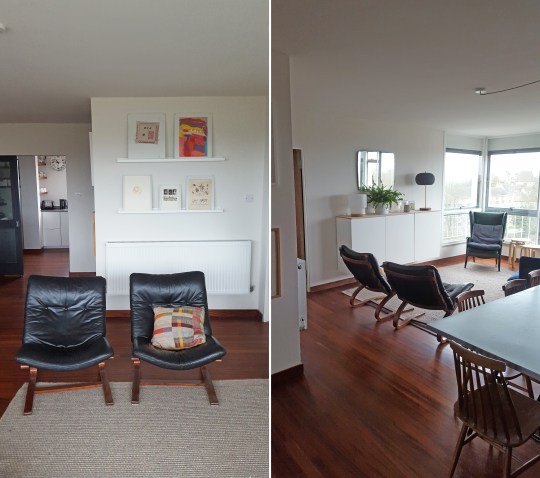
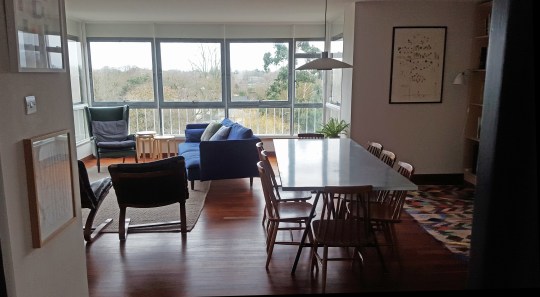
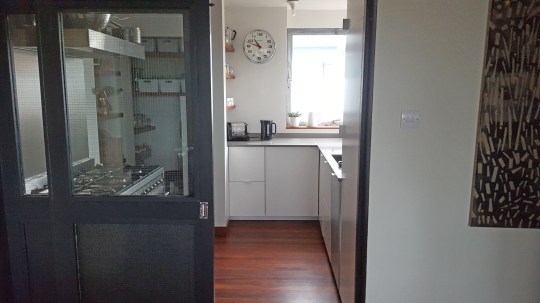
The flat was split over two floors and unusually large with three bedrooms and a separate utility room off the kitchen (a luxury almost completely unheard of in London flats). Whilst it wasn’t nearly as striking as the flat I’d attempted to buy on the Dulwich Wood Estate, the living space was generous, light-filled and dual aspect. I also liked some of some of the original features, such as the built-in wooden shelving unit separating the kitchen and living area.

img_1676img_1695

I can’t really remember why I didn’t end up making an offer on this flat. Writing about it now, I remember actually quite liking it at the time! It may have been the price, which was around £500k, which seemed like quite a lot for the area and significantly more expensive than the flat that I’d missed out on.
img_1678

Keeling House, Bethnal Green E2

Keeling House, Bethnal Green E2
Grade II listed apartment block
Architect: Denys Lasdun
Year built: 1954-1957

I’ve always liked the idea of living in Keeling House: it is, in my opinion, one of the best looking modernist tower blocks in London and handily, its Bethnal Green location would be within walking distance of the office. As a result, I jumped at the chance at viewing one of the flats when it came onto the market earlier this year as part of my ill-fated property search.

img_0080

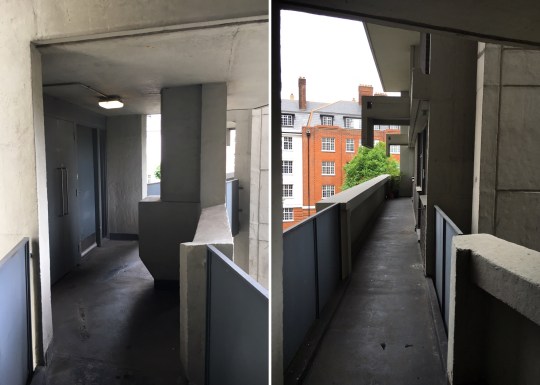
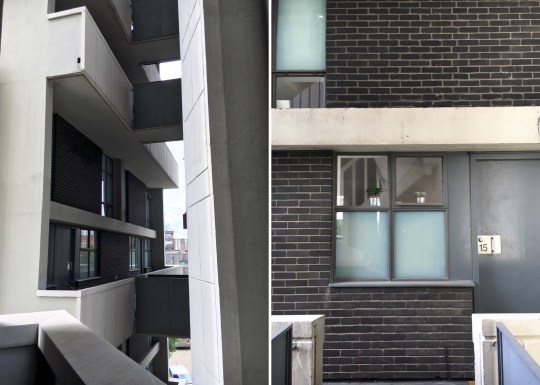
Whilst first impressions of the area immediately surrounding Keeling House weren’t overwhelmingly positive, the exterior of building did not disappoint. Originally built between 1954 and 1957, Denys Lasdun’s design for Keeling House shunned the traditional slab block in favour of an unusual winged plan (four blocks arranged around a central service tower), giving the building the appearance of a futuristic concrete windmill. The winged plan also means that there are only four flats per communal stairwell, originally designed to encourage the occupants of the flats to interact with each other.

img_0013img_1631

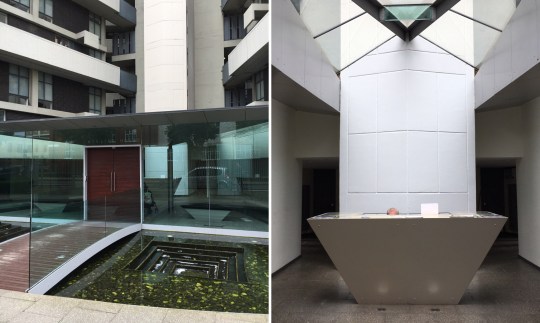
The communal areas were renovated in 2001 when the building was converted from social housing into a block of luxury flats. I think the architects, Munkenbeck + Marshall, may have gone a bit overboard with this task when it came to the downstairs lobby: the bridge, trickling water features and stone sculptures simultaneously evoke a Pierce Brosnan-era James Bond film and a corporate waiting room. I thought it was all a bit unnecessary and definitely not in keeping with the period of the original architecture.

img_1629

The flat that I was viewing was a split-level 2-bed occupying the second and third floors of the building. Apart from the ground floor flats and the penthouse that Munkenbeck + Marshall tacked onto the top of the building, I understand that all of the flats have the same layout. The lower floor of the flat consisted of an open plan living area and kitchen with a balcony and the upper floor contained the bedrooms and (very small) bathroom.

I must say I was slightly underwhelmed by the flat, which felt a little cramped and tired. The bathroom suite and admittedly well designed and attractive kitchen units (built into recesses in the walls to save space) clearly hadn’t been updated since 2001 and there was a distinct lack of storage, particularly when it came to the bedrooms. The outlook wasn’t fantastic either (other estates or the tops of other estates) though a flat on one of the higher floors would probably have been much better in this regard.

At the original £600k asking price, I wouldn’t have had any funds left to restore it to its former glory though I understand the seller may have since accepted an offer at around £580k.

LaRedoute

I’m not sure when LaRedoute branched out into selling furniture and home items – I’ve always associated it with downmarket catalogue shopping and cheap clothes – but the new “AM.PM” range on their website contains some really nice mid century-style pieces that are well worth a look.

350030361_0_cl_3_7138598

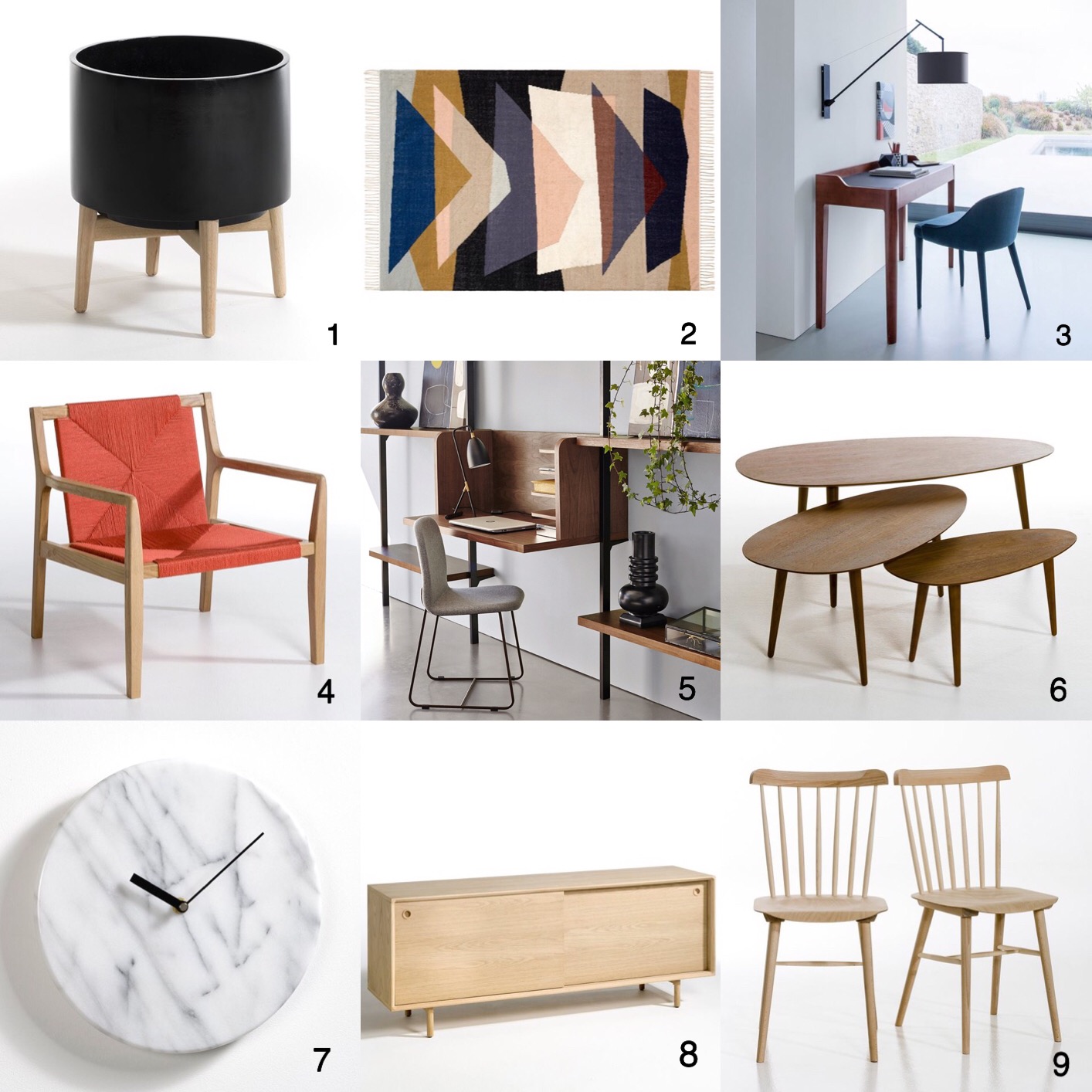
Highlights include a nest of walnut coffee tables, a wooden framed armchair with a woven seat, a 1950s-looking planter on wooden legs, some attractive textiles and LaRedoute’s very own take on a modular String/Cado shelving system, which I’ve never seen a low/mid-range retailer attempt before (it’s surprisingly classy looking).

  1. Florian planter
  2. Nova flat-woven iilim style wool rug
  3. E.gallina junius desk
  4. Solon armchair
  5. Taktik system
  6. Flashback hevea nest of coffee tables
  7. Gemma marble clock
  8. Réglisse Scandinavian sideboard
  9. Set of Ivy chairs

The catch is that it’s not cheap (back in the day, you could honestly buy an entire outfit from LaRedoute for about £10) and for every great piece, there’s something comically hideous. Who in their right mind would want to decorate their walls with these giant insect decorations?

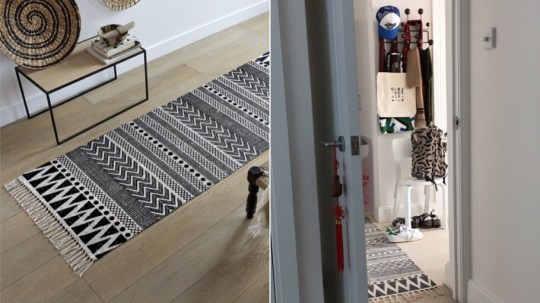
I ended up buying the (now seemingly discontinued) Doryle runner to replace the Hay paper carpet in my hall, which had become a bit grubby and despite my best efforts, refused to lie flat. Not bad for £35.

img_1623

Modernist makeover of Clapham flat

A friend recently asked me to help him give his London flat a bit of a makeover. Given that I’ve run out of things to do to my own flat, I didn’t need much persuading.

The flat is a split-level Victorian conversion. It’s a fairly neutral space: there’s not much in the way of Victorian period features (a negative to most people but a positive to me) and the ceilings and windows are of regular height given that the flat occupies the top floor and attic of the building. Some of the rooms are irregularly shaped (more on that later) but it’s a good size overall and has the potential to look good.

FullSizeRender

We’ve decided to start with the living room: due to the placement of the stairs leading up to the loft conversion, a chunk has been cut out of the corner of room, resulting in a slightly restrictive L-shape. The way the room is currently furnished isn’t making the most of the space: each item of furniture is too big for the room and there is just too much of it.

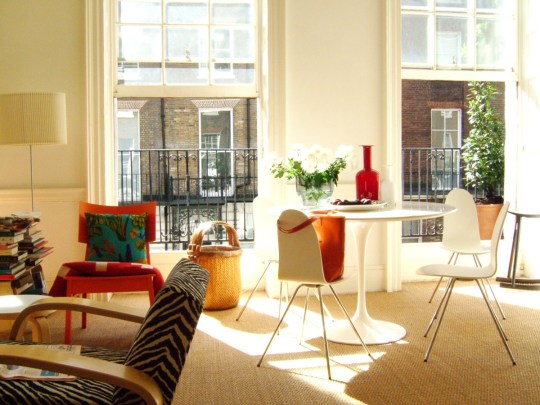
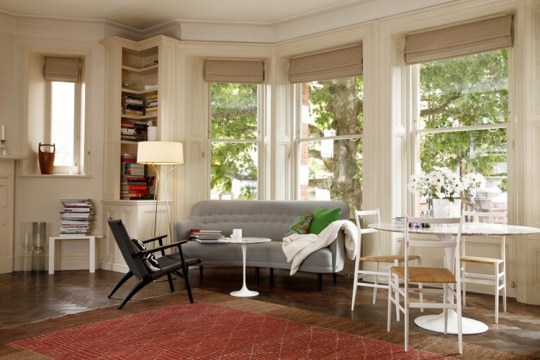
For the room’s new look, I looked to the interior design section of the Skandium website, which contains a number of period houses furnished with mid century pieces, for inspiration (let’s face it, the style was always going to be mid century modern) and decided that these rather ambitious photos were going to be my goal:

01

Sadly, we don’t quite have a Skandium budget at our disposal so I’ve sourced the furniture from various low to mid-range stores with the odd bit of Heal’s:

IMG_0833

  1. Hektar ceiling lamp, IKEA
  2. DSW Eames-style chair, Vita Interiors
  3. Suki round drop-leaf table, Habitat
  4. Yves black tripod lamp, Habitat
  5. Eclipse coffee tables, Heal’s
  6. Mistral sofa, Heal’s
  7. Vince walnut sideboard, Habitat
  8. Raskmölle flatwoven rug, IKEA

“After” photos to follow…

Modernist Pilgrimage to Singapore 

I didn’t have particularly high hopes for Singapore from an architecture and design perspective so I was pleasantly surprised by a couple of interesting places that I visited during my short time there. It turns out that there is more to Singapore than gleaming office blocks and shopping malls (though there were a lot of those as well).

St Mary Church of the Angels

Worth visiting for: the stunning prayer hall

IMG_7696IMG_7756.jpg

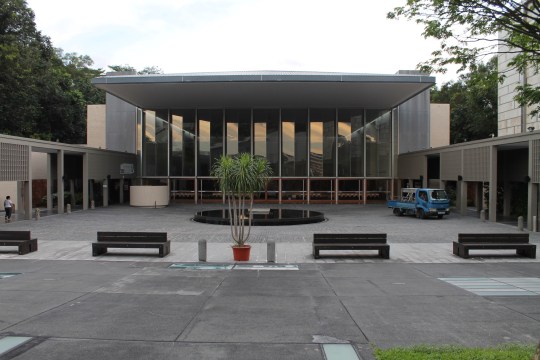
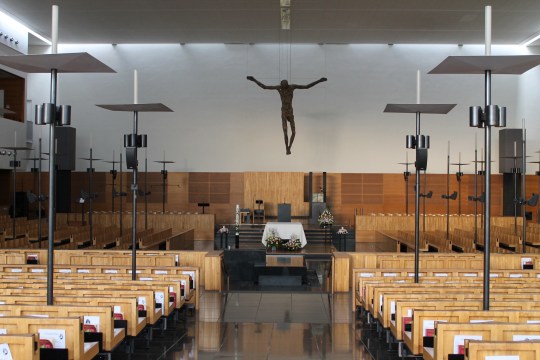
This beautiful modernist church was definitely worth the long trek out into the wooded slopes of Butik Batok.  I found the church’s design to be dramatic yet entirely fit for purpose: the main prayer hall, with its uniform stepped rows of beechwood pews and tripod-like lamps, was a surprisingly intimate space and the light-filled underground columbarium (a room with recesses in the wall in which funeral urns were kept) was stunning yet tranquil in spite of the slightly mawkish Enya-esque music that they insisted playing in the background.

IMG_7735IMG_7755IMG_7720

Singapore Design Centre

Worth visiting for: the odd mash-up of architectural styles, the shop

img_7569-2img_0549img_7580

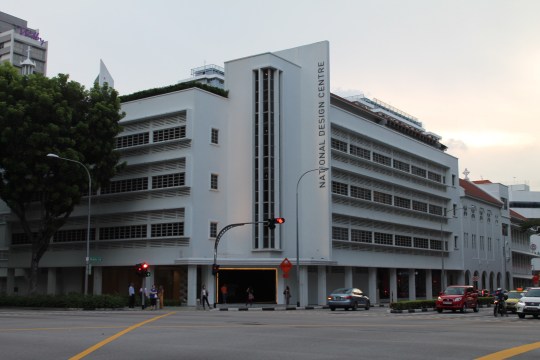
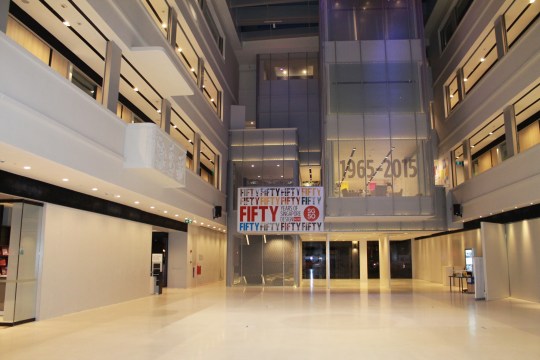
I couldn’t quite work out what was going on with the architecture of this place – the front part of the building appeared to be 1930s-era Art Deco, the back was much older (according to my guidebook, the site was an 1800s former convent) and the interiors were all brand new – but it came together into an impressive whole. The purpose of the building was equally confusing: part art gallery, part Design Council HQ, part creative office block and part retail space. The retail space housed some kind of hip eaterie and Kapok, a very good design and clothing store.

Bras Basah

Worth visiting for: the cat in Cat Socrates

I’m not sure why Timeout listed this shopping centre as one of its “must-see” places to visit in Singapore. The building was an unattractive concrete warren of shops; sort of brutalist looking but in a bad way (nondescript and dingy, with a strong resemblance to a multi-storey carpark). The shops all appeared to be art suppliers – great for artists and art students but of limited interest to everyone else – and various tat merchants. There was one store which made the trip worthwhile, however: Cat Socrates, a quirky design and gift store with a friendly ginger resident cat.

Foundry

Worth visiting for: Scandinavian design items

I don’t know anything about this building but it was architecturally up my street (sixties looking, futuristic) and it housed a nice furniture and accessories store which stocked a variety of European designs and brands, some of which I recognised (Hay, String) and others I didn’t.

Pact

Worth visiting for: a haircut, a meal and a t-shirt

IMG_7555

I only received an email today letting me know that this brand is going “online only”, which is a shame because the instore shopping experience was so pleasant. This menswear store/hairdresser/restaurant/bar formed a cluster of slightly left-field independent stores in an otherwise bland Singaporean glass and steel shopping centre on Orchard Road.

img_7552IMG_7562

Noguchi Museum

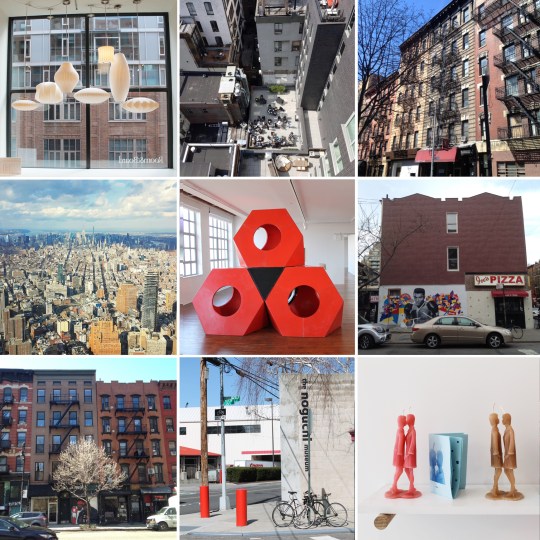
I learned two things whilst visiting this museum: (i) Isamu Noguchi designed a lot of interesting stuff in addition to that ubiquitous glass-topped coffee table now found in corporate waiting areas the world over; and (ii) there is an unexpectedly substantial amount of arts and culture to be found in Queens, New York.

IMG_7327noguchi ext

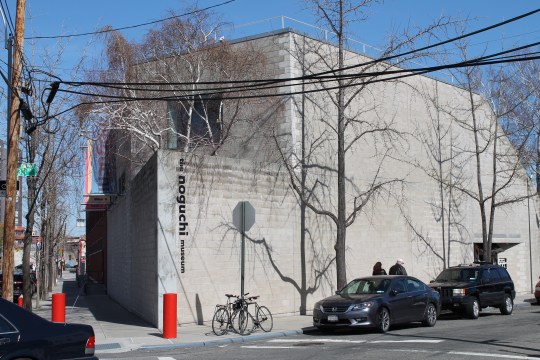
Despite being home to the Noguchi museum amongst other interesting galleries and institutions (the Museum of Moving Image is also well worth a visit), Queens is still a somewhat ungentrified neighbourhood. It is, by turns, residential and industrial, filled with uninspiring low-rise buildings and warehouse-type structures. It doesn’t help that the Noguchi museum, seemingly together with all of the other galleries and museums in Queens, are all situated a very, very long walk away from the subway.

IMG_7423IMG_7352

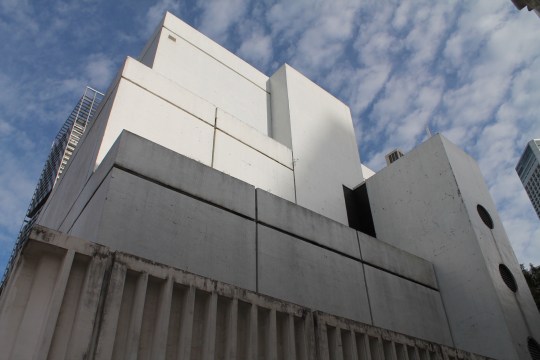
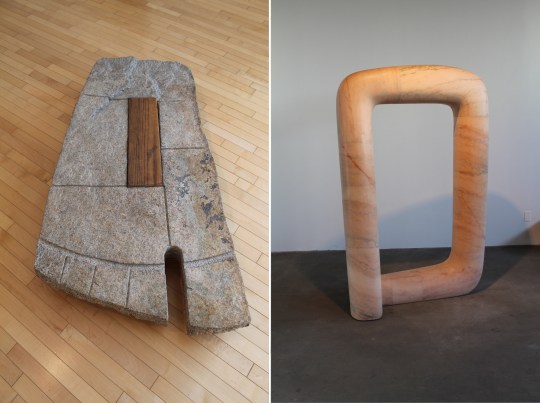
I’d say that the Noguchi museum is worth the trek though: it’s housed in an interesting converted industrial building, made up of ten galleries on different levels with an open-air sculpture garden at its centre. Its contents are intended to be a greatest hits compilation of Noguchi’s work (mainly carved blobs of marble and stone of varying sizes in aesthetically pleasing shapes and colours). That corporate coffee table inevitably features.

IMG_7377noguchiIMG_7374

The garden is filled with Noguchi’s larger, outdoor sculptures and is unsurprisingly, Japanese-themed given Noguchi’s heritage. Cherry blossom trees, lots of rocks, the sound of trickling water and very high walls mean that it’s easy to forget you’re in the middle of Queens, New York.

IMG_7350IMG_7402

The Museum Shop, where you can buy a number of Noguchi’s works (unfortunately excluding the stone blobs), is pretty good too. Featured objects include his Akari Light Sculptures, lamps first produced in Japan in the fifties, made from Japanese washi paper and bamboo ribbing; and his furniture designs, including that corporate coffee table. You can also buy other mid-century staples including George Nelson clocks and Eames chairs though I can’t think why you’d buy them here – they’re not exactly an impulse museum gallery shop buy.

IMG_7412IMG_7415

New York design stores

New York, rather like Copenhagen that I visited in 2014, is an excellent place to go shopping for overpriced design items. All tastes are catered for with lots of vintage stores in Brooklyn and the Lower East Side and higher end places in Chelsea and Soho. My pick of the most interesting stores are as follows:

The Apartment

Good for: home decor inspiration (rather than actual shopping)
Price: expensive

IMG_7301IMG_7275IMG_7297

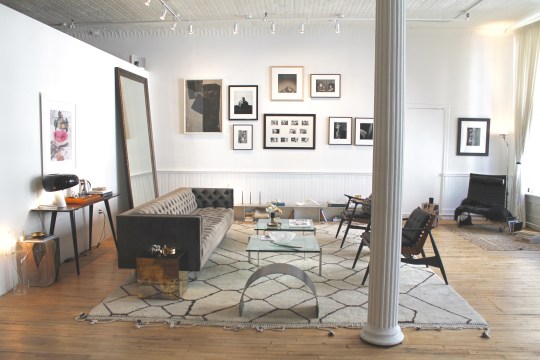
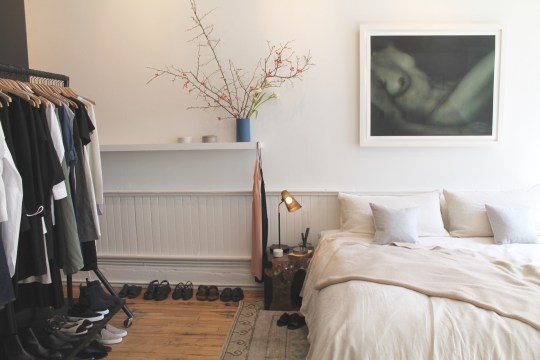
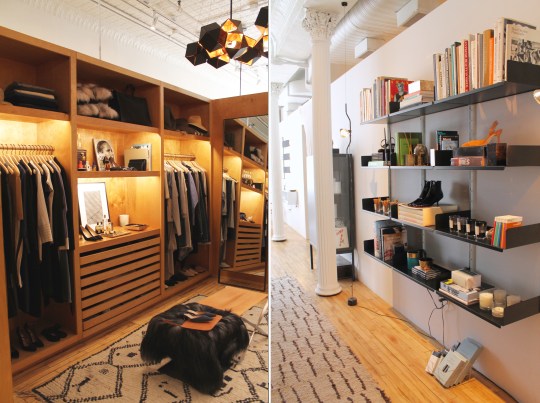
Laid out and furnished to resemble the luxurious apartment of a New York rich bitch, The Apartment is more of a “lifestyle showroom” than shop. The space, a large Soho loft, is loosely divided into living areas (including a pretend kitchen and flatteringly-lit walk-in wardrobe), and is filled with tasteful items, all of which are for sale. It’s a bit pretentious and everything is hideously expensive but it’s a novel concept and well worth a visit. That is, if you can find the very discreet entrance/lift sandwiched in between two shopfronts on Greene Street.

IMG_7257apartment shelvesIMG_7284IMG_7272

Objectify 139

Good for: hipster junk
Price: cheap to moderate

IMG_7193objectify 2IMG_7200

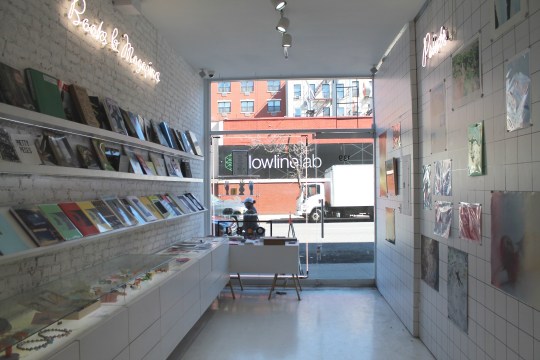
The person behind this trendy Lower East Side store would probably baulk at the comparison but if American Apparel branched out into selling artwork, records, design items and books, it would probably look a bit like this. The stock, which is appealingly laid out and quite reasonably priced, is secondary to the store’s “vibe”, which makes you feel hip just by being in there. I was so seduced by the experience that I ended up buying a print that I only realised was absolutely terrible once I’d brought it home, outside of the context of the store. Be warned.

IMG_7197Objectify 1IMG_7206

Room and Board

Good for: high quality modern American homewares
Price: Expensive

IMG_7148 (1)IMG_7136IMG_7134 (1)

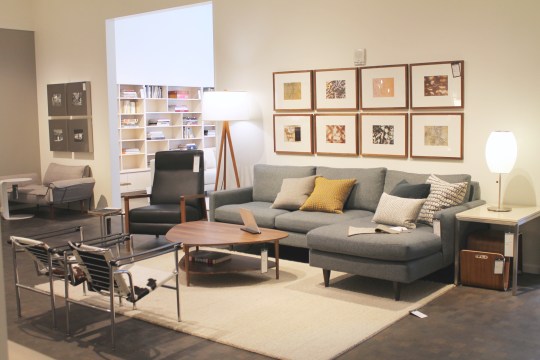
I’d never heard of this US-only furniture and homewares brand before visiting New York so I found the experience of wandering around the enormous, attractively laid-out Chelsea showroom quite exciting. The style of the furniture and homewares is a high-end, distinctly American take on mid-century modern in that everything is slightly oversized, glossy and comfortable-looking. Whilst I generally prefer a more vintage aesthetic (some of the styled room setups were a little too polished and minimalist for my taste), there’s no denying the quality of the product and design across the board – a couple of the mid century-inspired armchairs were particularly covetable.

IMG_7132 (1)room and boardIMG_7146 (1)

Atlantic Avenue vintage furniture stores

Good for: mid century originals
Price: moderate to expensive

IMG_7189IMG_7163 (1)IMG_7171 (1)

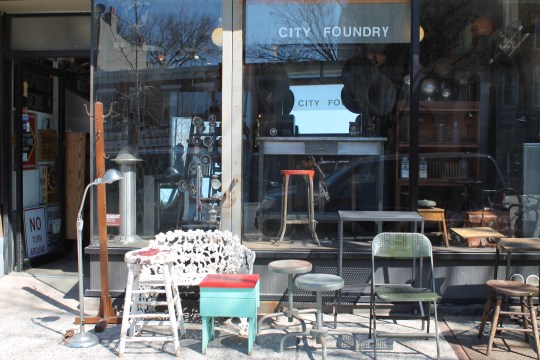
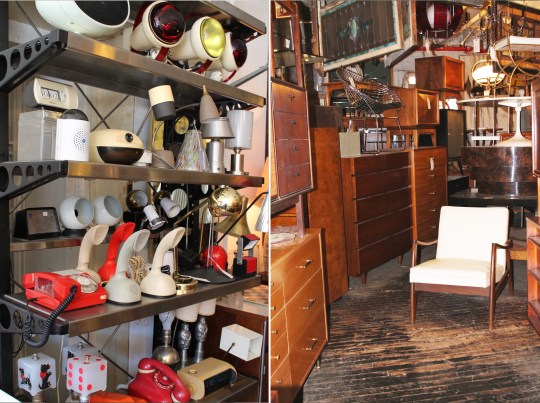
There appears to be a concentration of stores along Atlantic Avenue in Brooklyn which specialise in selling vintage mid century furniture. I visited two fairly representative examples of this kind of store – Horseman and City Foundry – and found both to be interesting if slightly overwhelming. Both stores are packed to the rafters with mid century antique cupboards, sideboards, chairs, tables, lighting and all manner of other items, all piled on top of each other. I spotted a number of beautiful pieces in amongst the organised mess that you’d be unlikely to come across in the UK but prices were relatively high so I left empty handed.

IMG_7167atlantic avIMG_7166

Steven Alan Home Shop

Good for: overpriced homewares
Price: expensive

IMG_7183 (1)IMG_7179IMG_7182 (1)

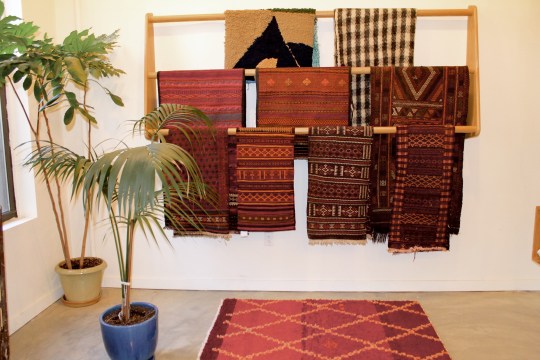
Another store I’d never heard of before visiting New York, Steve Allan appears to be a U.S. clothing brand that has branched out into attractive if slightly overpriced homewares. The delicate artwork and vaguely ethnic looking rugs and blankets at the back of the store were particular highlights.

IMG_7180 (1)IMG_7181

Other:

MoMA Design Store

IMG_7253IMG_7250

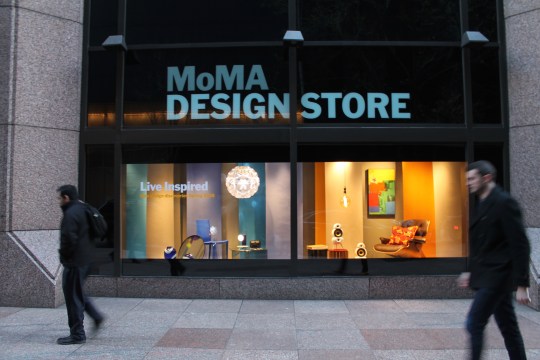
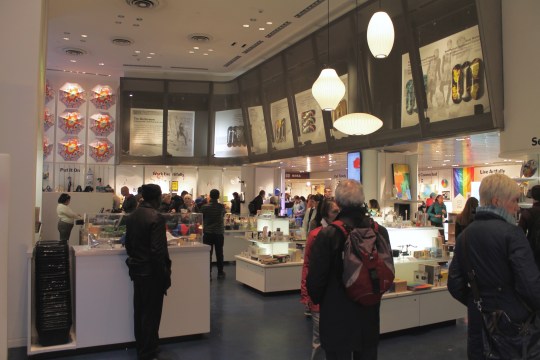
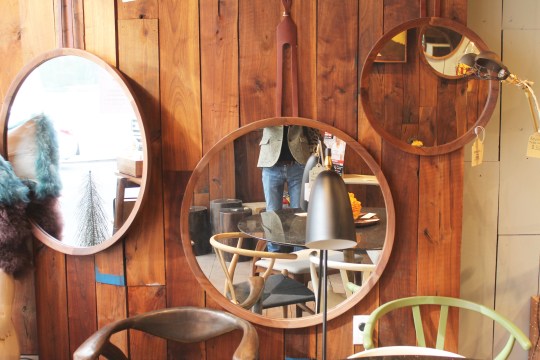
Effectively the MoMA gift shop minus the touristy tat, the MoMA Design Store (across the road from MoMA) sells slightly more substantial design objects and accessories. It’s worth popping into if you’re visiting MoMA but it doesn’t warrant a dedicated trip: there wasn’t anything for sale that I hadn’t seen in other shops or online before.

Gentry

IMG_5207IMG_5203

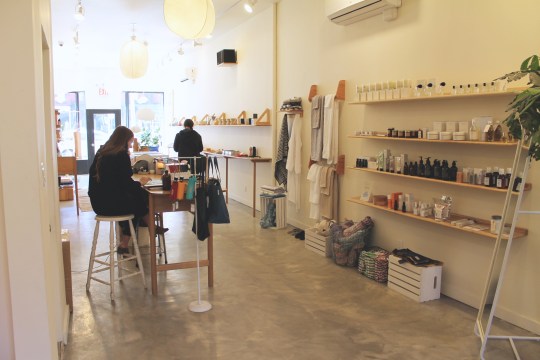
This menswear store has an unexpected living room/vintage homewares section upstairs that provides a fitting backdrop for the mens’ bespoke tailoring service.

Organic Modernism

IMG_7080IMG_7082

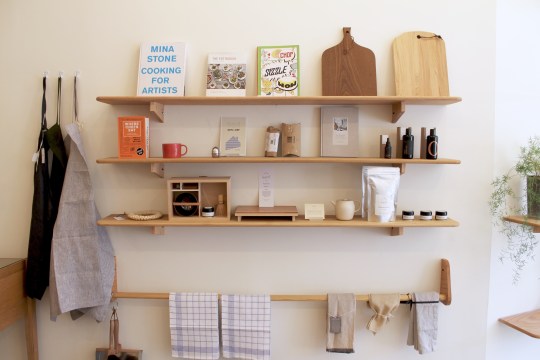
The name of this small Chelsea store describes its aesthetic pretty well. Whilst not all of the heavy wooden furniture was to my taste, there were some crude yet oddly charming  paintings and bronze pieces that I might have bought if there hadn’t been the issue of having to lug everything home to the UK.

Modernist Pilgrimage to New York

IMG_5222 finalIMG_5222 2

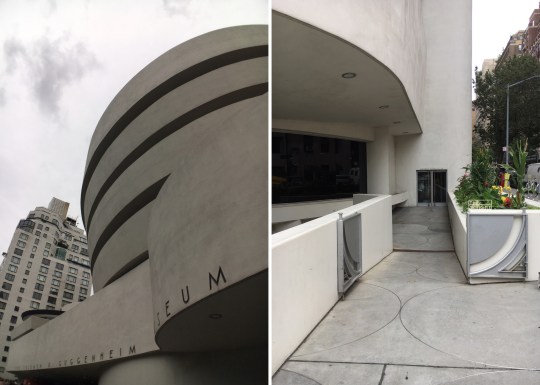
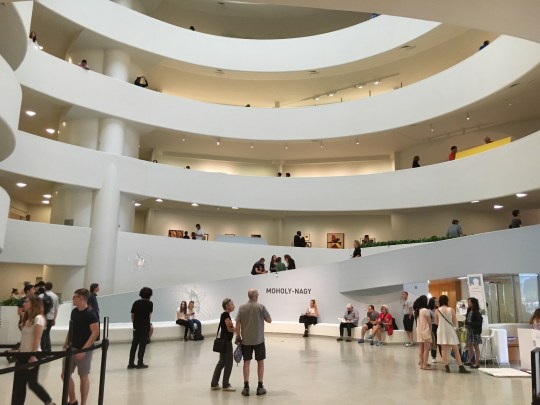
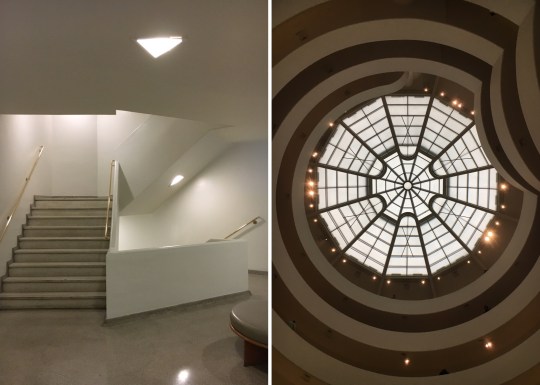
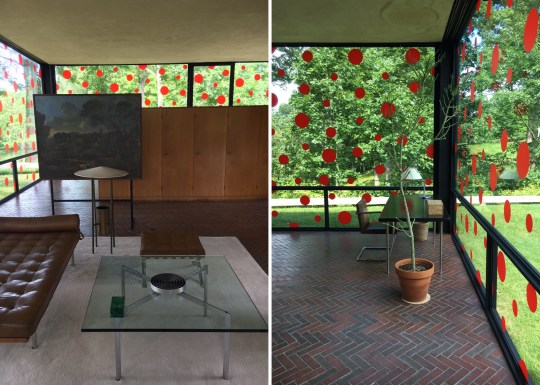
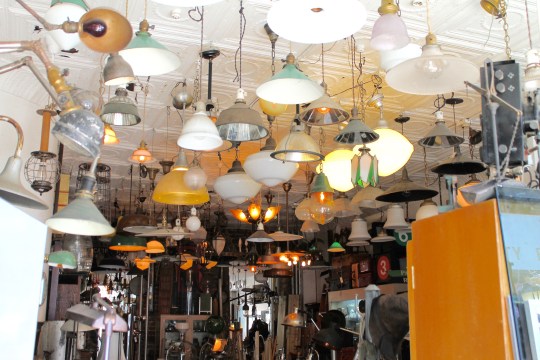
Due to a combination of bad timing and disorganisation, I didn’t actually manage to visit any modernist buildings during my recent trip to New York, including possibly one of the most famous examples of Brutalist architecture in the world. I did, however, wander around a lot of design shops and visit a couple of museums that may or not be of interest to readers of this blog – entries to follow.

Frobisher Court, Forest Hill SE23

Frobisher Court, Forest Hill SE23
Apartment block forming part of Dulwich Wood Park estate; winner of Civic Trust Award 1964
Architect: Austin Vernon & Partners
Year built: 1959

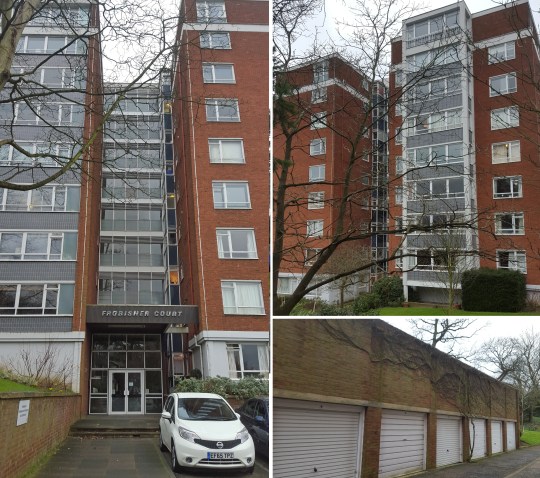
I’ve wanted to buy one of these Austin Vernon & Partners flats in the Dulwich Wood Estate ever since I went to see one in Raleigh Court last year. Even though that particular example was a bit decrepit with rubbish views into other people’s flats on the estate, the combination of the pleasant, almost wooded setting, the mid century communal areas and the spacious, open layout of the flat led me to keep an eye out for other flats on the estate coming onto the market.

20160206_11001820160206_105714frobisher ext

One year down the line, I’ve seen six other examples of the same flat, all of which have been pretty much identical in layout but have varied dramatically in condition from perfection to complete wreckage. Having had bids rejected on two of the better ones and a sale fall through on another (I’m still reeling from the sheer injustice of that experience), I decided to view a 7th floor flat in Frobisher Court that had just come on the market.

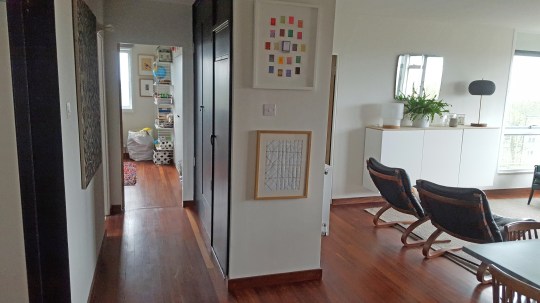
frobisher hallway20160206_105636frobisher hallway 2

Although Frobisher Court looked almost identical to all of the other blocks congregated around Gipsy Hill I’d been to see, it was actually situated a couple of miles north from the rest in the slightly more affluent Forest Hill. The facade and communal areas looked familiar with the slightly oppressive patterned sixties tiling and juddering lift present and correct but this particular building seemed particularly well kept with not a spot of peeling paint or limp indoor plant to be found.

frobisher hallway intside20160206_10460620160206_10430120160206_104257

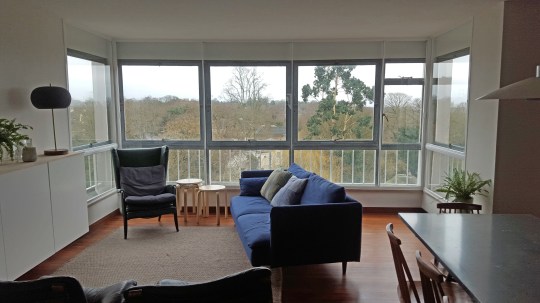
The flat itself, which was situated at the very top of the building, was pretty stunning. It had the same open plan layout of all of the others I’d seen but appeared to have an additional bay window with great, far-reaching views of the surrounding area.

frobisher living room20160206_10431220160206_104925

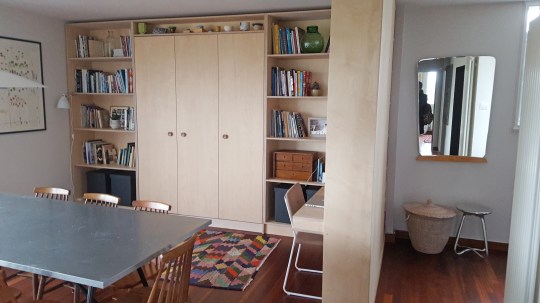
The current owners had made bold but period-appropriate design choices, including some great built-in furniture (I loved the bespoke hallway unit) and coloured feature walls. Unlike all of the other flats of this type I’d seen, the solid wood flooring continued beyond the main living areas into the bedrooms, which somehow made the flat seem more spacious.

20160206_104728frobisher bed and bath20160206_104414

The only downside to this particular flat, which I loved and could completely picture myself living in, was the asking price: it was an absolutely ridiculous £195,000 more expensive than the last one of these flats I viewed. I appreciate that you sometimes need to pay a premium for a well-presented property but in my opinion, no amount of nice built-in furniture or pretty views is worth an additional £195,000. The last time I checked, this flat was still on the market. If the owner were willing to reduce the price to something more sensible, I may well make an offer.

The Firs – one year on

My flat looks pretty much the same as it did at the end of 2014 when I last blogged about it but the combination of some sunshine and the need to test out my new camera ahead of some upcoming travels prompted me to take some new photos of the (very minor) changes and additions that I’ve made along the way.

IMG_6912firs ornamentsIMG_6917

The only changes that I’ve made to the living room are some new plants and an ever-growing collection of pointless wooden animals. I’ve been meaning to replace the rather tired looking faux-Tulip dining table and rag-tag assortment of knock-off chairs with a more sophisticated looking dining set (ideally something like the Hans Olsen piece that I once saw at the Kingston Antiques Centre) but I thought I’d wait until I’d moved before deciding. The move, however, does not look like it’s happening any time soon so I might just bite the bullet.

I was inspired to make the makeshift terrarium by this article on the Ikea website, which made it sound like: (a) I would be able to buy all of the components from a branch of Ikea; and (b) it would take less than an hour. I can confirm that Ikea misled me on both counts.

IMG_6943firs shelves

Looking back at the photos of my office from 2014, I think it’s looking a lot better and less spartan these days. The Varier rocking chair is a definite upgrade from that 90s birch Ikea job that I previously used and I’m quite pleased with the other additions, especially the Componibili unit, Uten Silo and that bizarre Flensted mobile of a pregnant chicken.

Thanks to my valiant efforts at various sample sales, I have collected enough random bits of String shelving by now to construct a system to replace that cheap Ekby Ikea unit but the sheer effort that this is likely to involve has been putting me off. I’ve also grown quite fond of the Ekby shelves: they’re quite strong and sufficiently shallow so as to be unobtrusive in what is quite a small room. I’ve grown similarly fond of the 90s John Lewis glass desk: it was always my intention to replace it but I actually think that it almost looks quite good?!

IMG_6897firs roomsIMG_6899

I have made a few green additions to the kitchen and balcony off the kitchen but my sub-par gardening skills means that I haven’t even been able to coax the potted ivy to climb the trellis that I fixed onto the balcony wall.

On the whole, my current flat is not my dream home by any stretch of the imagination (the compulsory carpeting, lack of original features and the distinctly non-central location all irk me to varying degrees) but if the move never happens, I can’t say I’ll be too devastated.