Orchard Close, Honor Oak Park, London SE3

Orchard Close, Honor Oak Park, London SE3
Seventies terraced bungalow
Architect: Unknown
Year built: Late 1970s

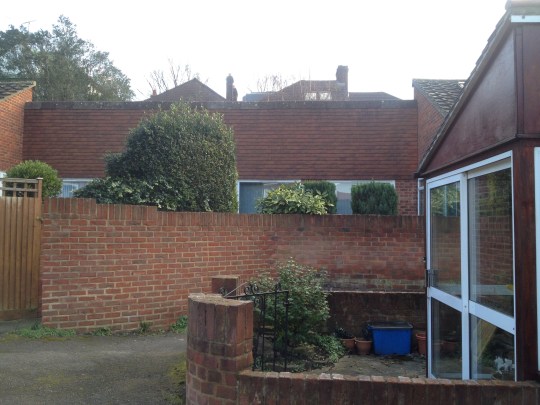
I wasn’t sure what to expect when I turned up to view this bungalow in Honor Oak Park. My hopes weren’t especially high: the estate agent’s photos were rubbish to the extent that it was impossible to tell what the bungalow looked like from the outside, it didn’t look like there was a lot of space judging from the floor plan and I knew nothing about the area. However, the blurb’s description of an “open plan living area with a vaulted ceiling” and the idea of owning a freehold property in London for under £500,000 was enough of an incentive to go and take a look.

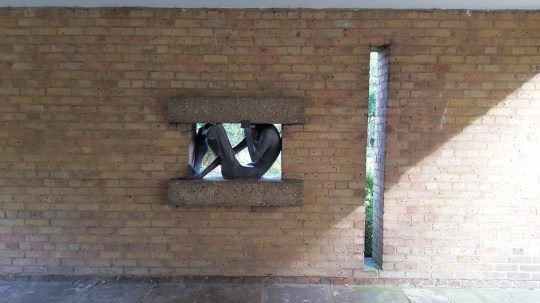
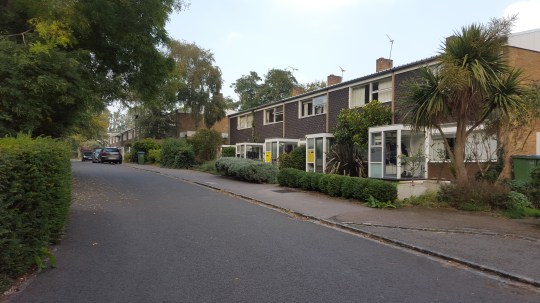
IMG_4509 (1)bungalow exteriorIMG_4518

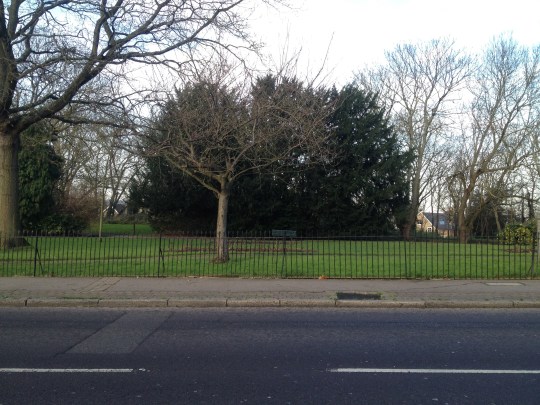
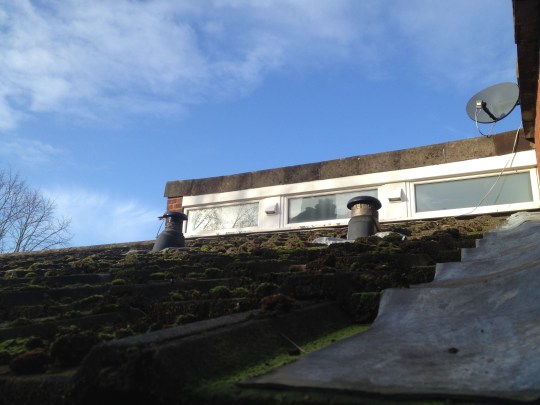
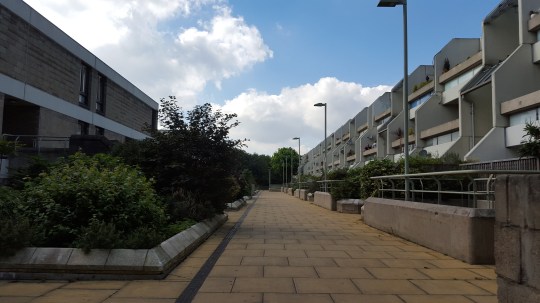
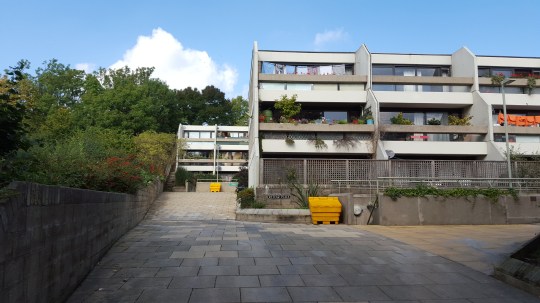
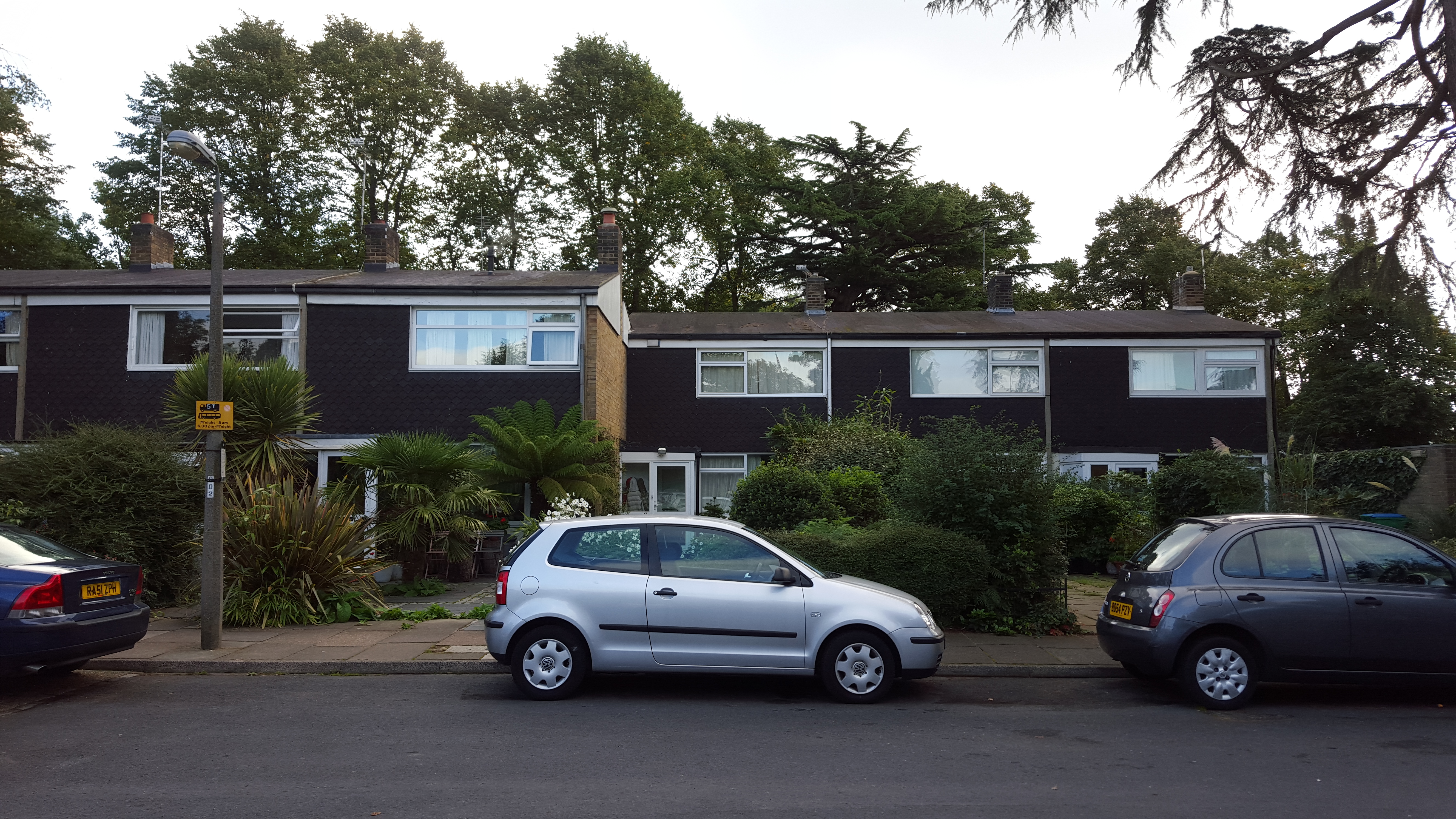
First impressions were mixed. The area seemed pleasant enough and there was a leafy park just across the road from property. Contrary to expectations, the bungalow wasn’t a detached property and was instead part of an unusual terrace of bungalows, all joined up in a slightly higgledy-piggledy manner. The triangular pitched roofs gave the development a jagged silhouette that wasn’t entirely pleasing to the eye.

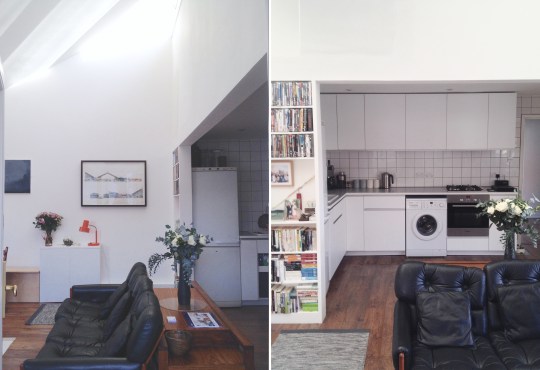
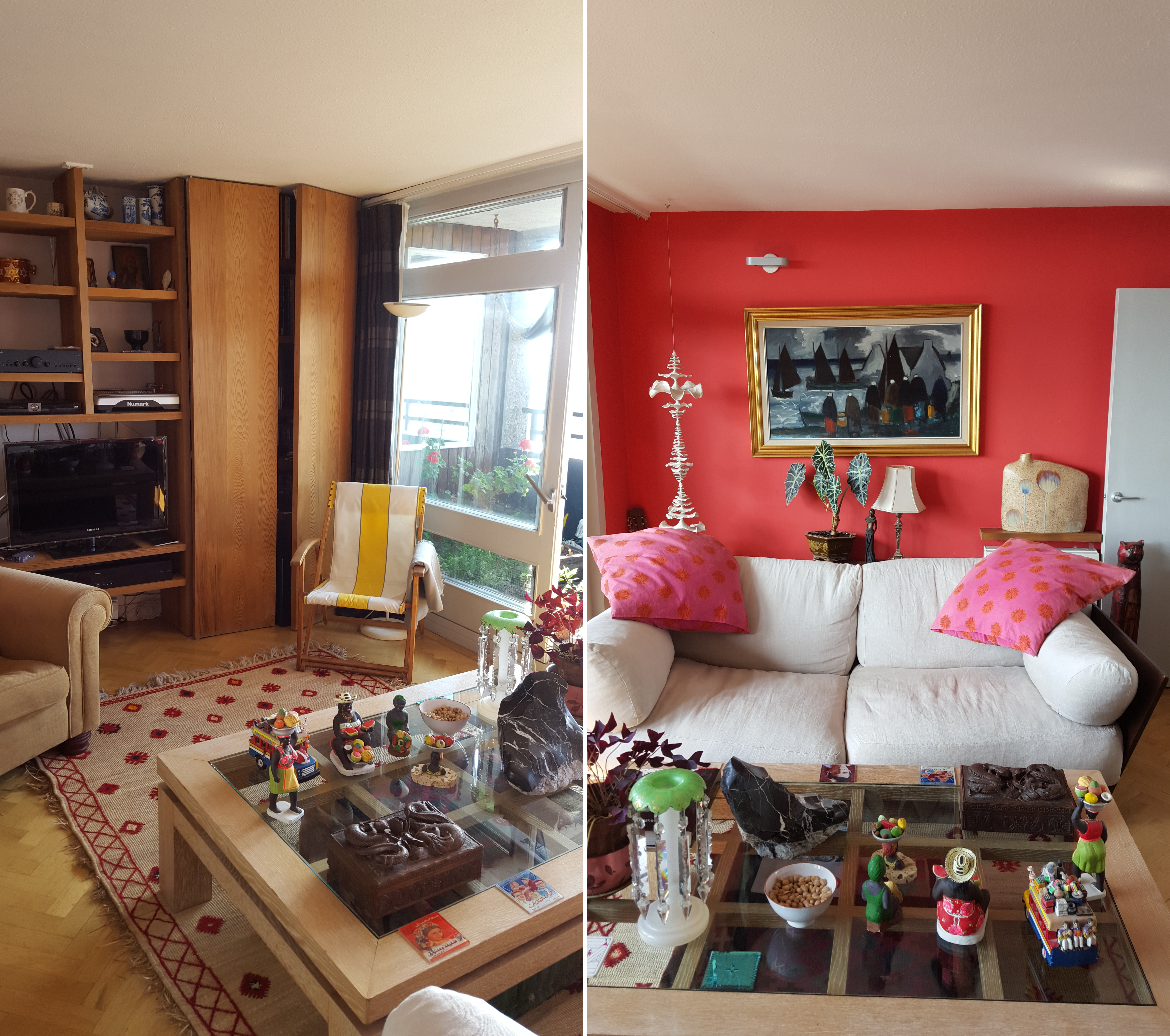
IMG_4468bungalow living roomIMG_4470

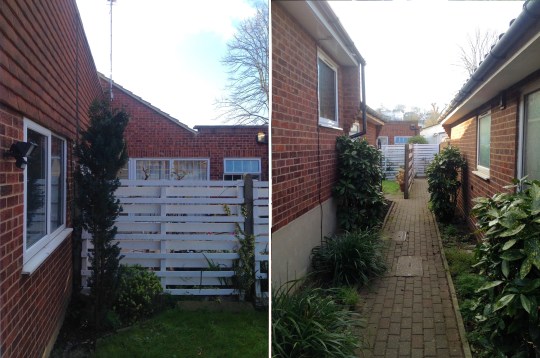
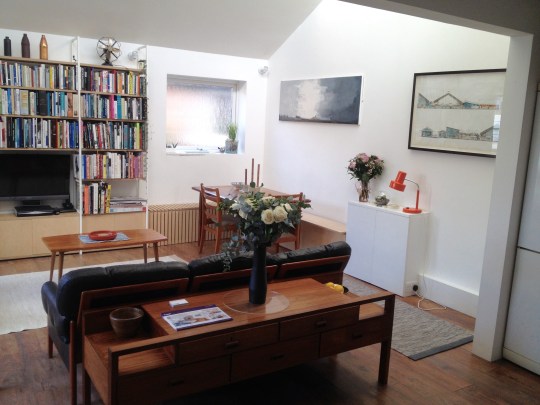
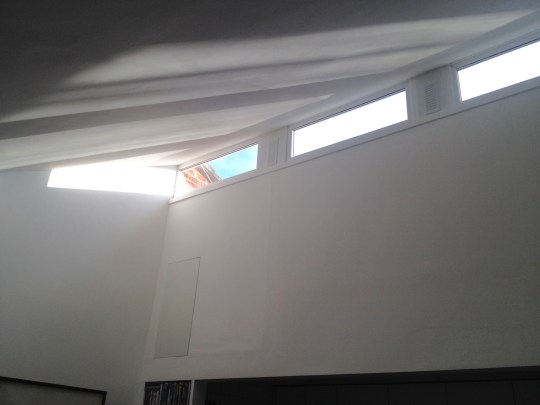
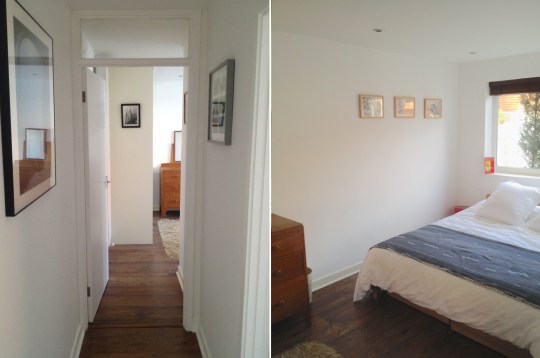
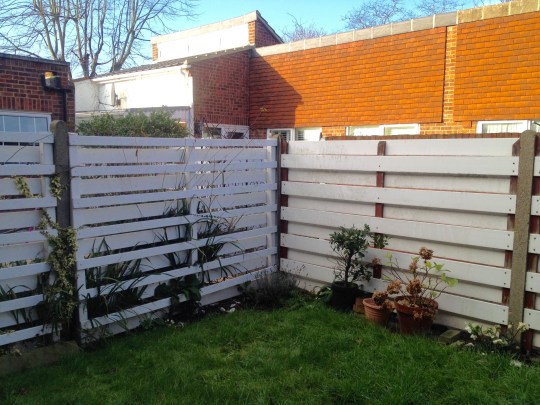
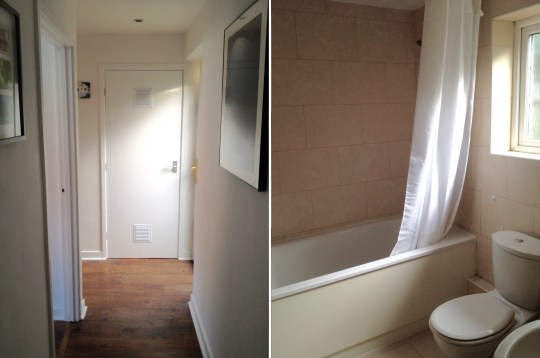
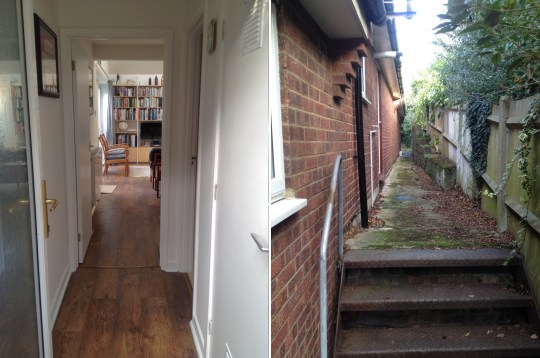
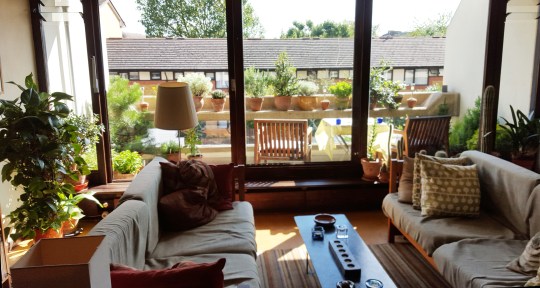
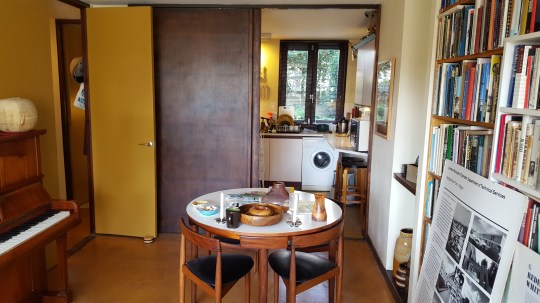
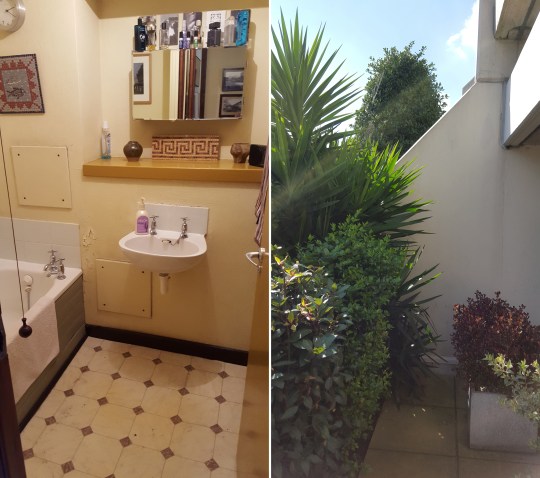
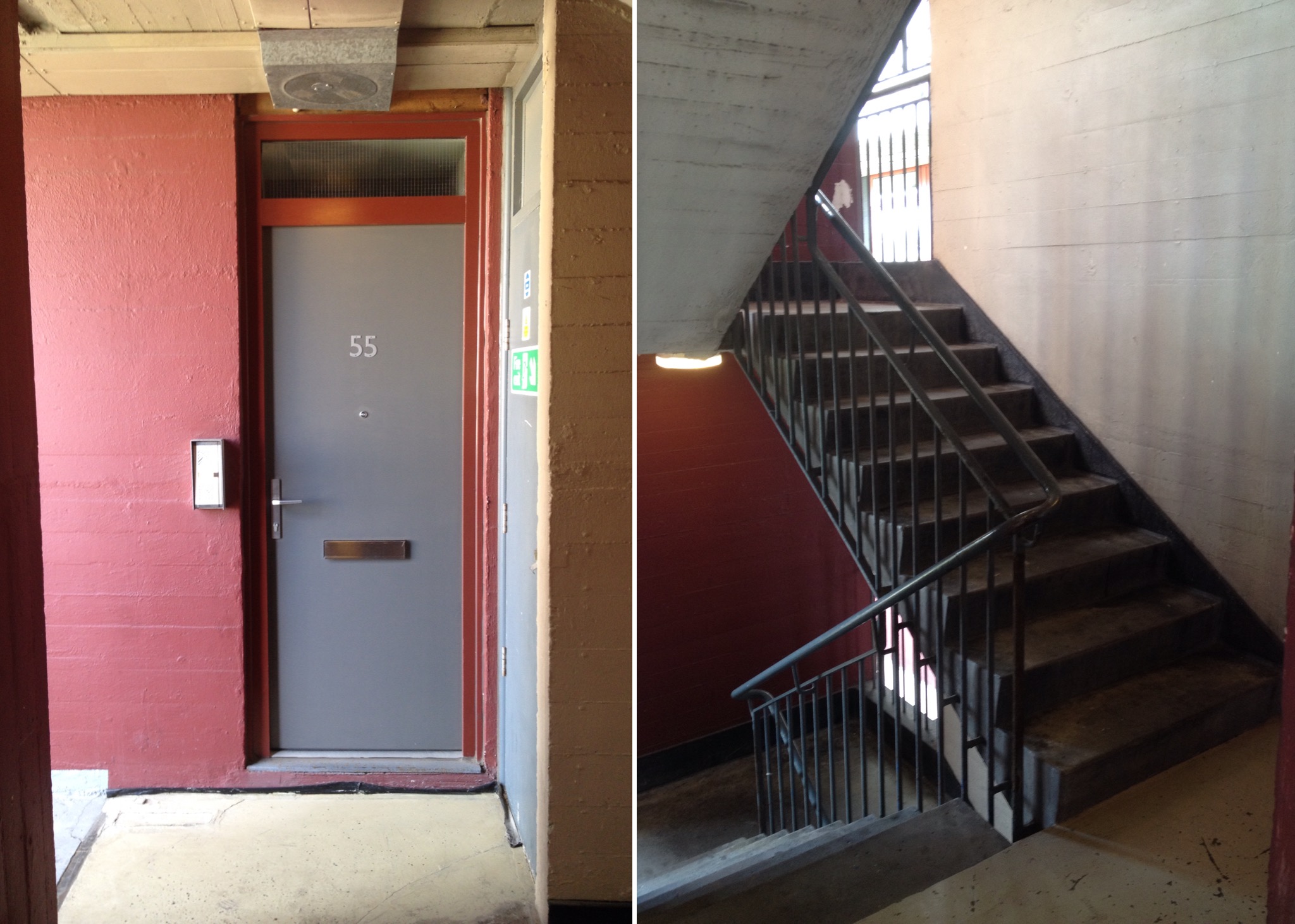
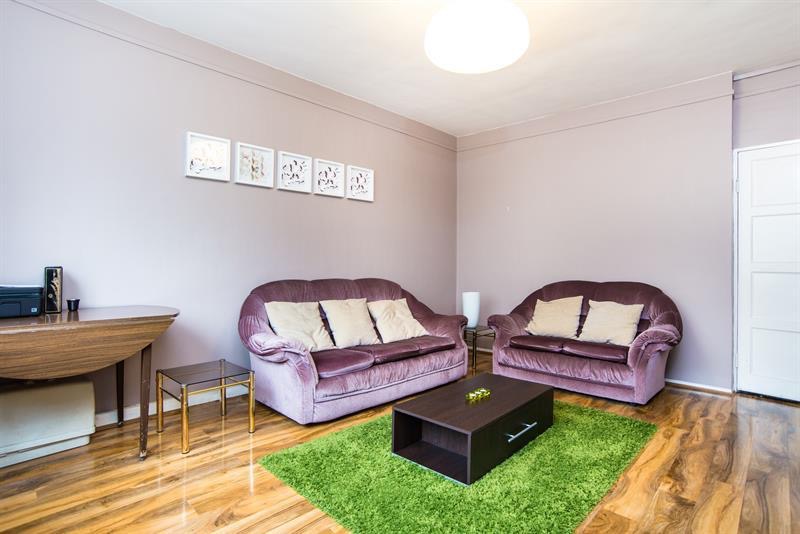
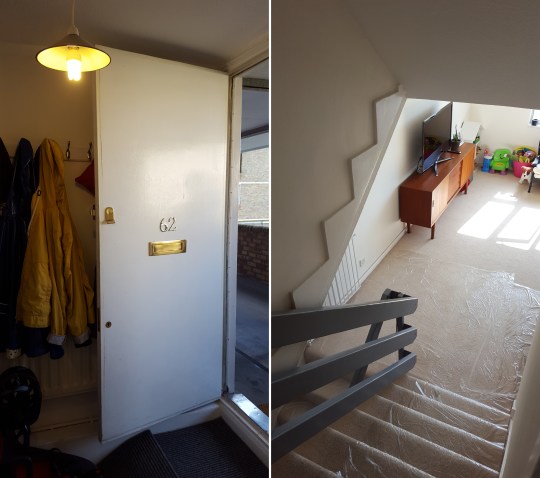
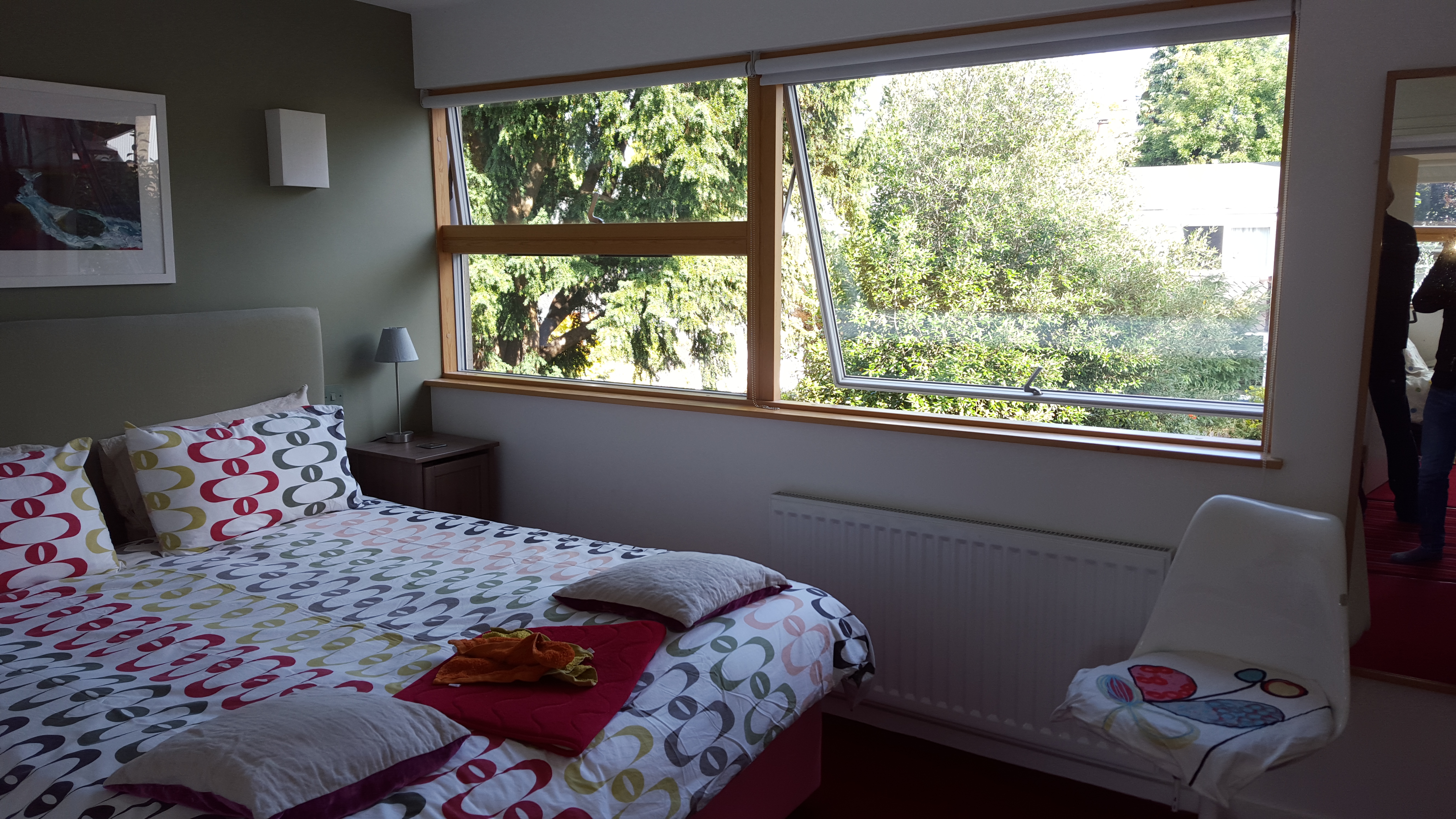
The bungalow’s main entrance was a sliding patio-type door onto which a slightly makeshift-looking porch had been built. The sliding door opened straight onto the main living area, which was actually a pretty unusual and impressive space thanks to the vaulted ceiling and the amount of natural light coming in through the patio door and skylights. The rest of the property was more standard: two smallish bedrooms, an inoffensive but slightly dated bathroom and a small walled garden. A further exit next to the bathroom opened onto a narrow passage which ran alongside the whole length of the terrace, apparently for fire safety reasons.

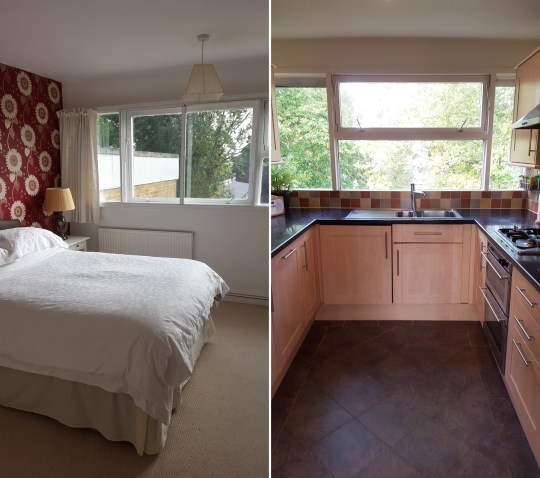
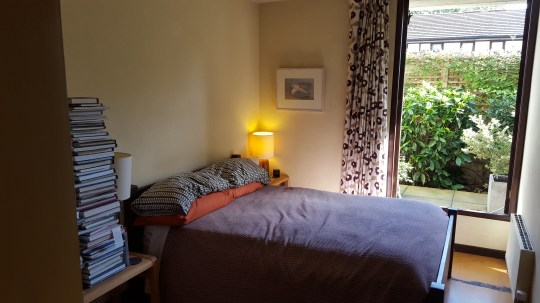
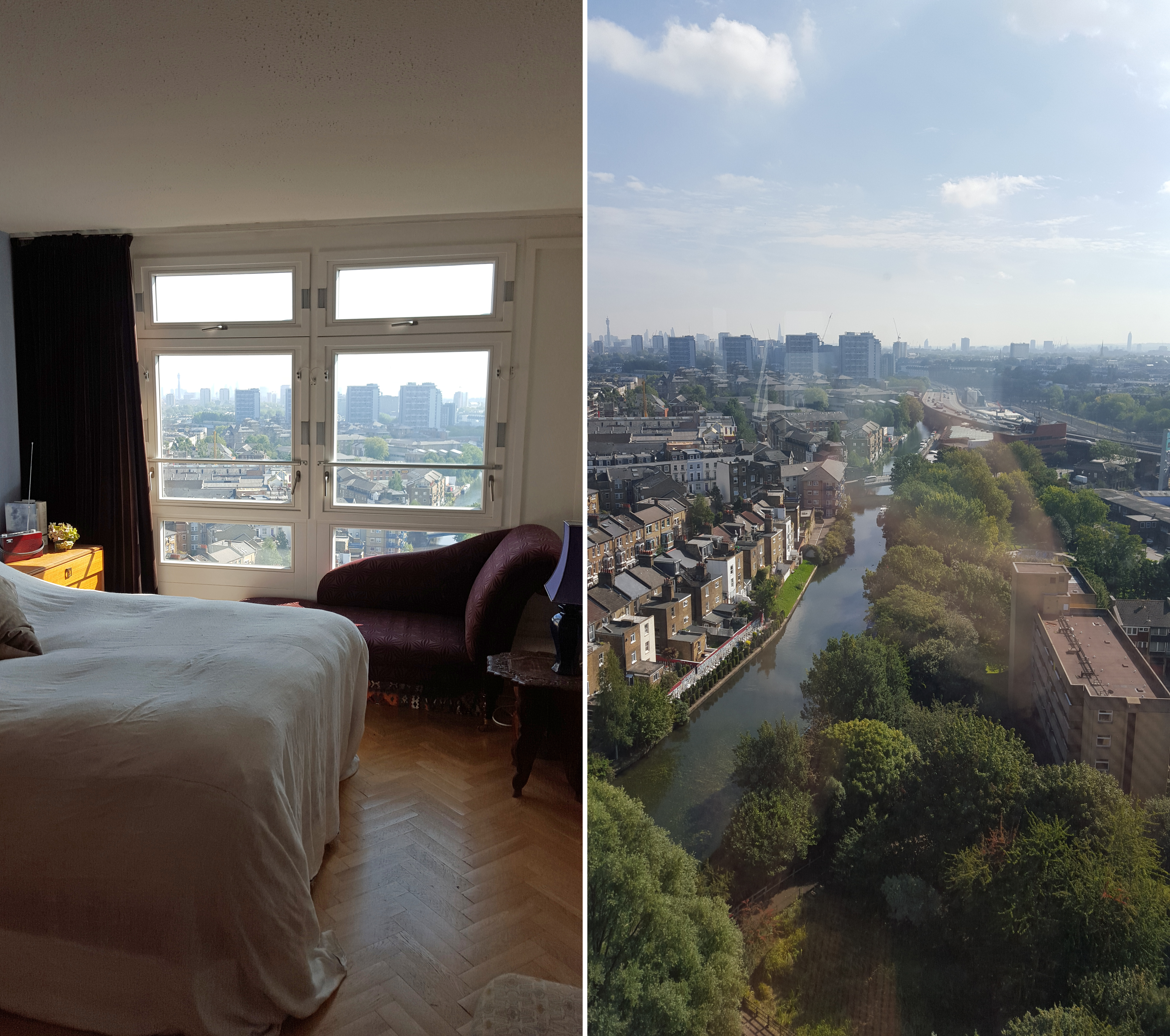
bungalow bedroomIMG_4473bungalow bathroom

I did like this property on the whole. I was quite taken by the main living area and the good decorative order overall was such that I could imagine moving straight in with all of my things without even needing to paint a wall. However, rather typically, it had been snapped up by the time I’d even thought about a second viewing.

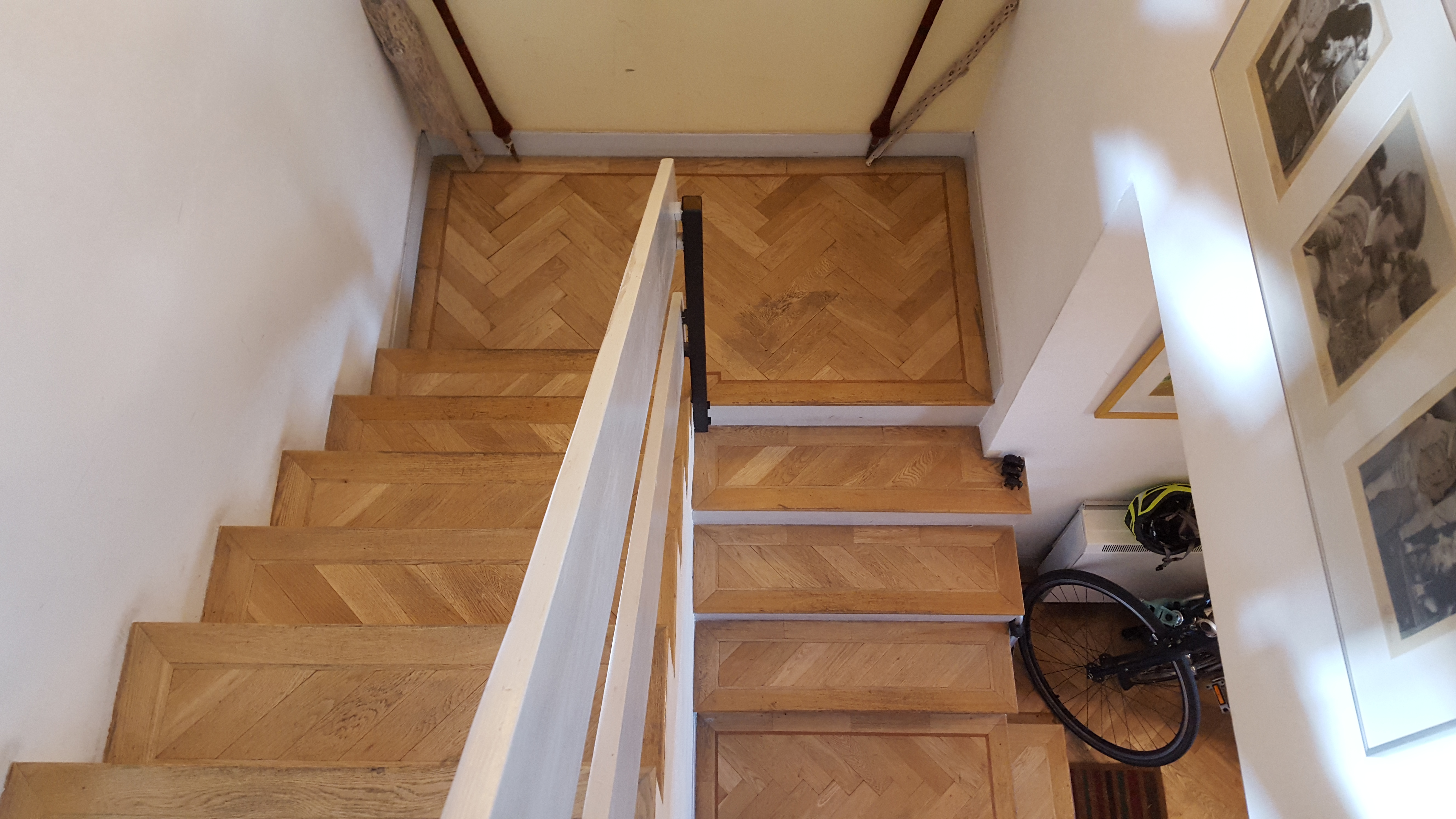
bungalow side entranceIMG_4489

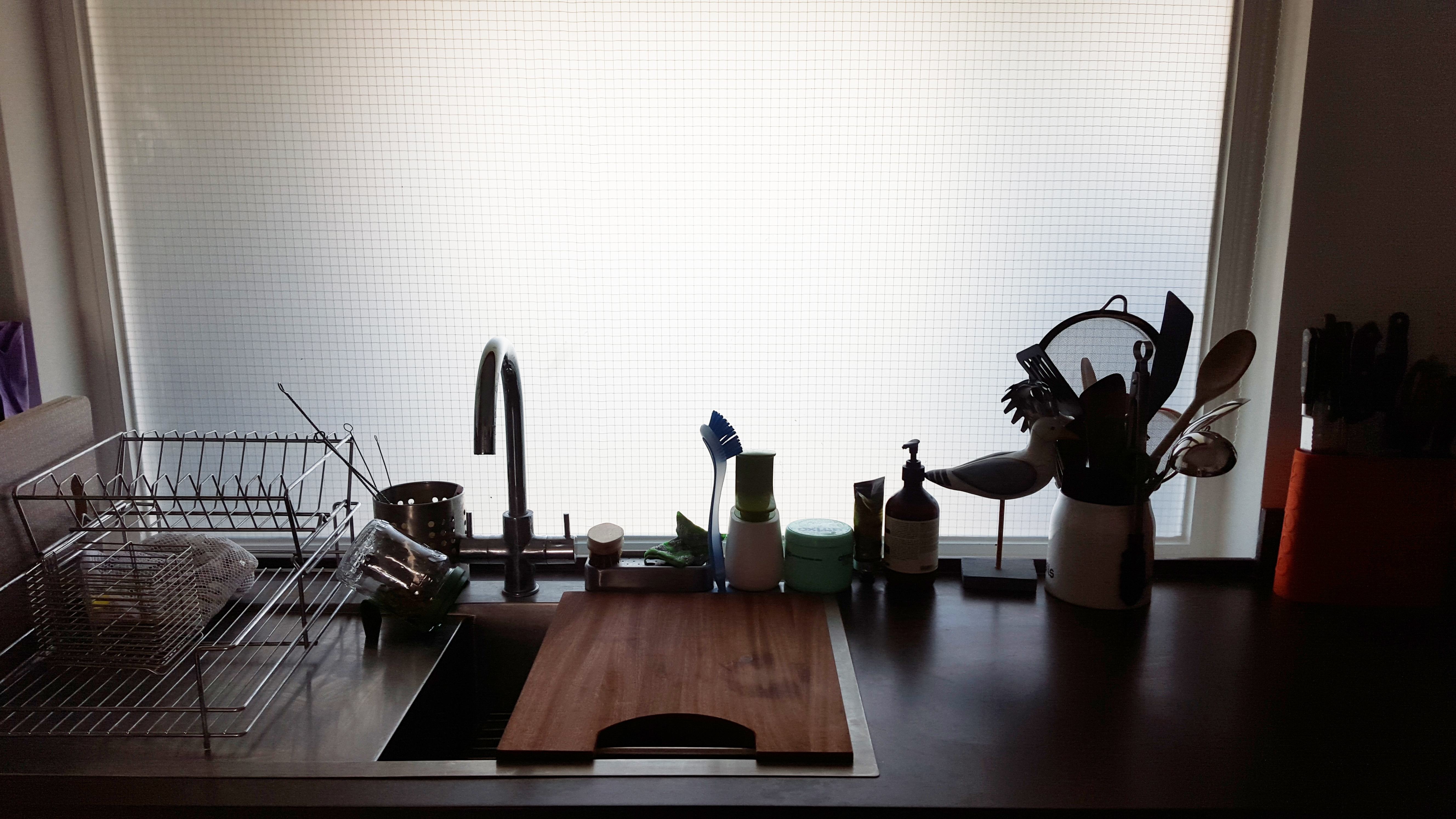
Apologies for the appalling image quality in this post – my expectations were clearly so low that I didn’t even bother to bring my proper camera along to the viewing.

Hallgate, London SE3

Hallgate, London SE3
‘Span’ flat in Grade II listed Hallgate, which forms part of the Cator Estate
Architect: Eric Lyons
Year built: 1950s

My interminable search for a modernist property, which has now been going on since June 2015, brought me to yet another Span development, this time in Blackheath.

20151003_14521520151003_14505020151003_150050

Hallgate is a Span development of flats forming part of the Cator Estate: accessed via Blackheath Park, a wide and tree-lined private drive, it feels tranquil and removed from the main roads, traffic and any commercial activity. Hallgate shares many features with Parkleys in Ham including those elegant, open porches, wide rectangular windows and flat roofs but the choice of materials and colour palette (white cladding, sand-coloured brick and grey slate) gives Hallgate a less aggressively retro, more timeless appearance.

20151003_145306Pullman second flat bath copy20151003_14474020151003_150128

Further distinctive Span housing lies behind Hallgate along The Hall, a snaking road lined with rows of neat, boxy two-storey houses, which looked almost exactly like the Span houses that I visited in Teddington and a further cluster of flat-roofed apartment blocks arranged around a communal green, which looked like those in Parkleys except these had  a striking, rather curious grey-and-green colour scheme. The communal grounds are typical for a Span development: lushly planted and well maintained, thanks to an astronomical service charge.

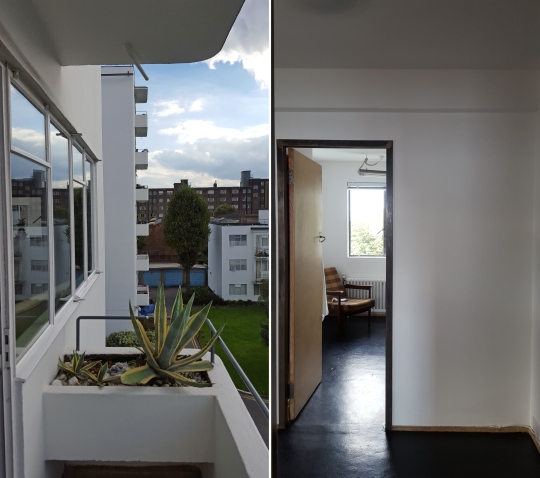
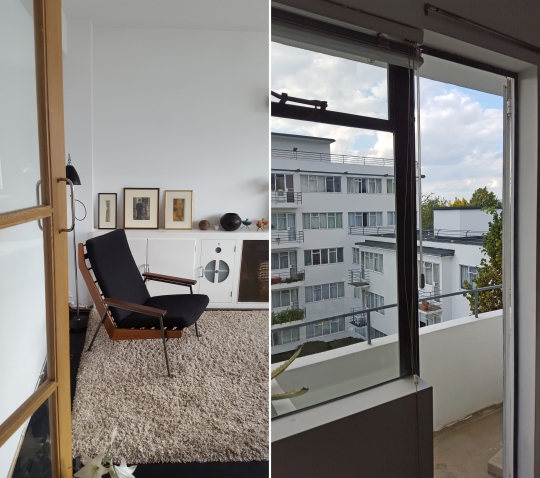
20151003_14591220151003_14552820151003_14562720151003_145757

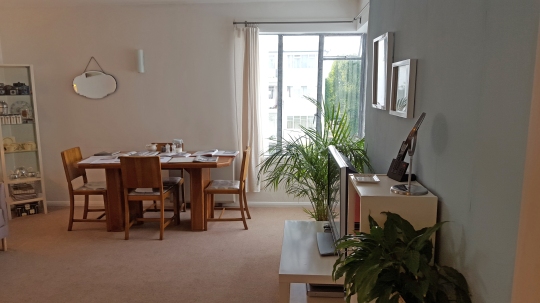
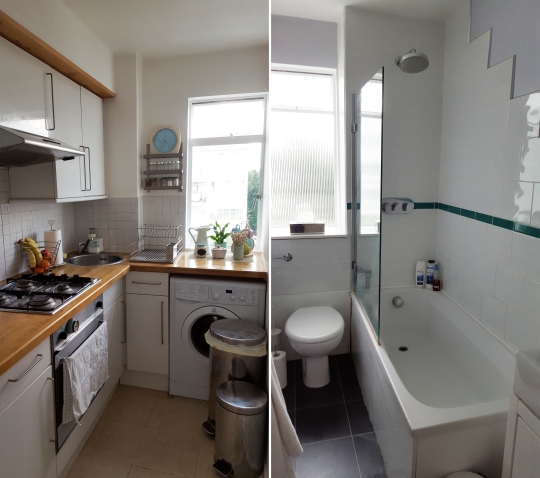
Unfortunately, although I liked the setting and the development’s exterior, I found the Hallgate flat itself a bit disappointing. Whilst the living room and appended dining area room had a pleasant outlook onto the estate and was positioned to catch plenty of light, the bedrooms were small and the kitchen, bathroom and decor in general were all a bit tired. Creaky timber-framed windows aside, which have to be retained for Grade-listing purposes, it didn’t have any original features.

20151003_14463520151003_144026hallgate interior20151003_144048

Pullman Court, London SW2

Pullman Court, London SW2
Grade II* listed Modern Movement building
Architect: Frederick Gibberd
Year built: 1937

Of all of the Open House properties that I visited this year, I think that Pullman Court was possibly my favourite.

20150920_165106v220150920_160812.jpg20150920_165155.jpg

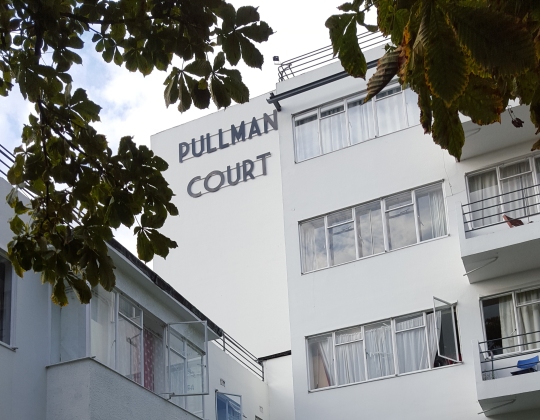
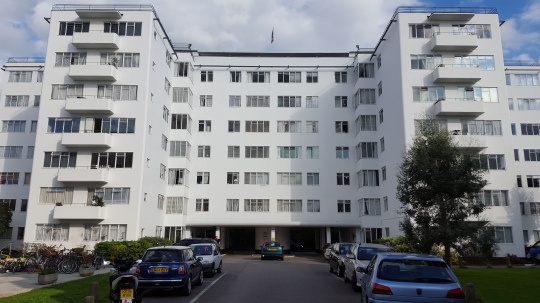
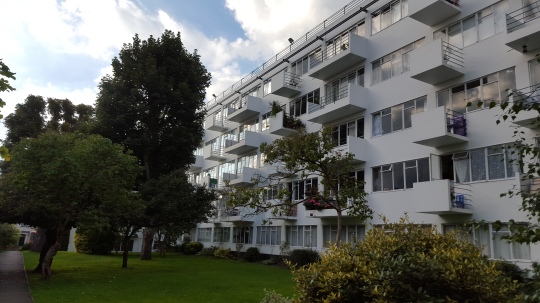
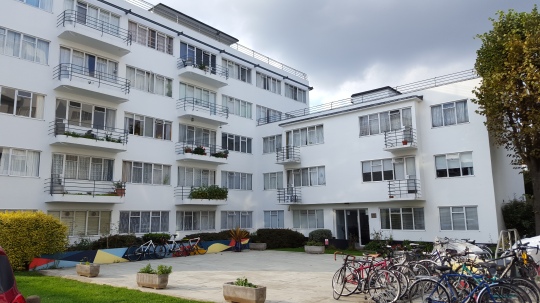
A striking wall of 1930s white modernism, Pullman Court is made up of a total of 218 homes ranging from one-room studios to larger four-room flats. The development comprises two five-storey blocks which run along a central driveway leading up to two seven-storey cruciform blocks at the rear of the site.  There are also five three-storey blocks which face out onto Streatham Hill – the location is perhaps Pullman Court’s only downside.

20150920_164605pullman court communal20150920_164701

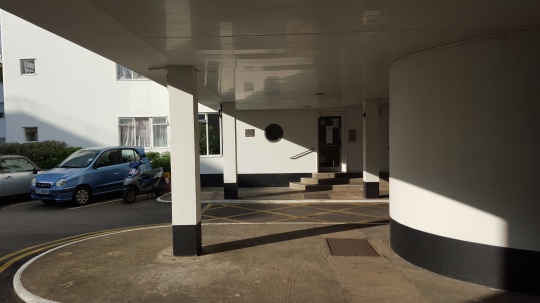
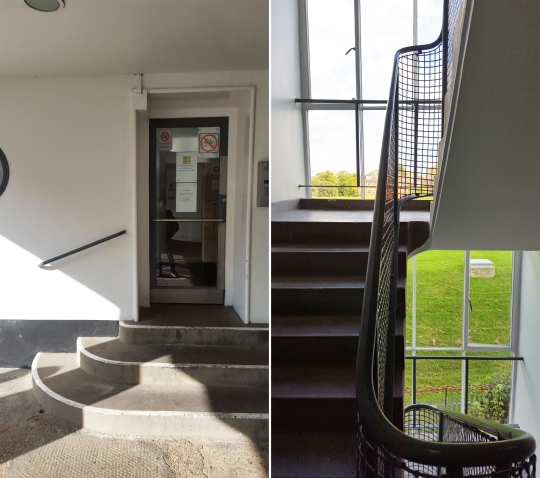
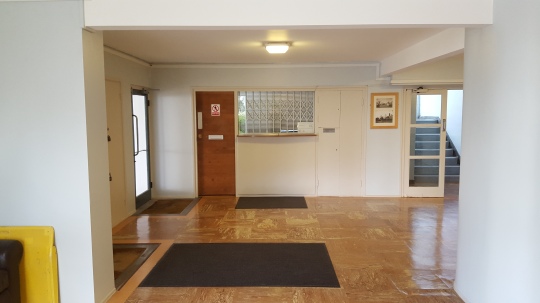
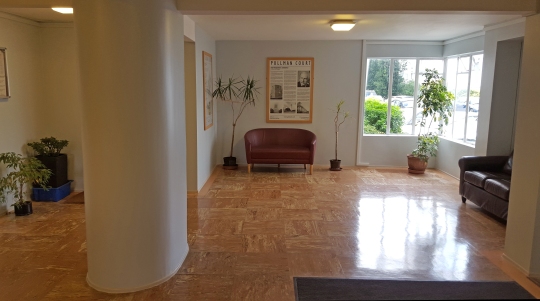
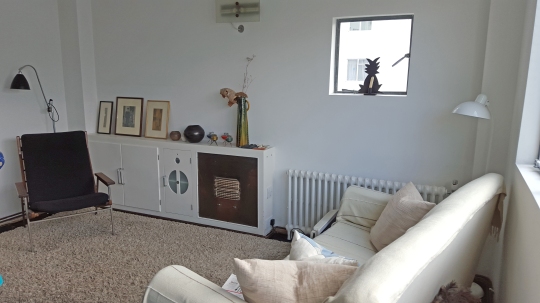
Whilst the majority of the original amenities (which included roof gardens, an open air swimming pool, a restaurant and social club) are no more, Pullman Court still exudes a sense of 1930s glamour, not dissimilar to the the Isokon building in North London. The once-portered lobbies are luxurious with highly polished parquet floors, columns and round feature windows and the grounds are beautifully landscaped and maintained. 

20150920_16453920150920_164506_001v2

There were two properties open to view as part of the Open House scheme: both were two bedroom flats but differed in terms of layout and aesthetic.

20150920_161400Pullman bathroom20150920_161736V2

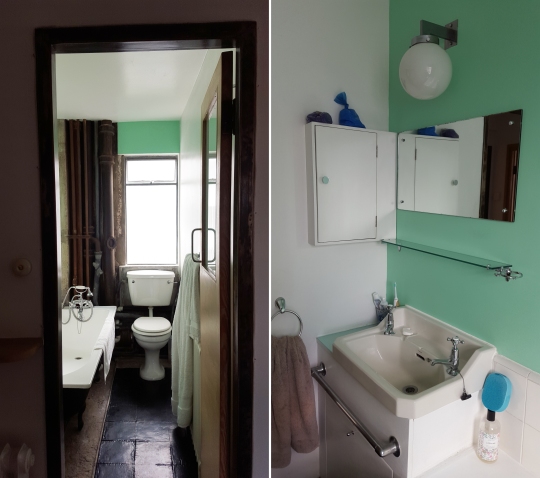
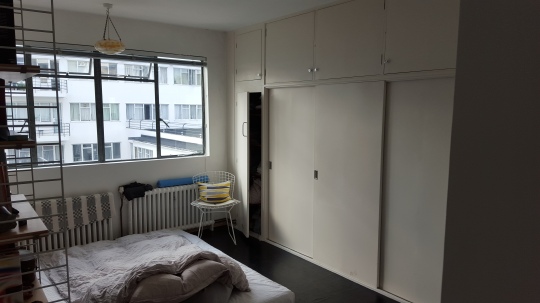
The first had been restored by the owner to reflect the stark modernist aesthetic of the era in which Pullman Court was built. The owner had managed to salvage the original streamlined kitchen units, bathroom suite and fitted furnishings, including a wall of cupboards in the master bedroom and a modern electric fireplace for the living room. I was quite taken with the black flooring in particular. 

Pullman kitchenPullman bedrooms

The flat wasn’t large but the layout of the flat gave the impression of spaciousness, perhaps owing to the wide rectangular hallway which linked the relatively small bedrooms, kitchen, bathroom and living room, accessed at the end of the hallway by glass double doors. This flat also had a south-facing box of a balcony accessed from the living room which looked out onto another block in the estate. I would usually view this as a negative but the external facades of the buildings were so striking, I don’t think I would mind looking out onto them every day. 

Pullman balcony 2Pullman living room

The second flat was decorated in a more homely style with carpeted floors, softer furnishings and a modern kitchen and bathroom. 

20150920_163708Pullman second flat bath20150920_163342

The overall effect still managed to be striking thanks to the original windows, those views onto the bright facades of other buildings in the development and various small period details.

20150920_16365020150920_163115

I have only ever seen one or two of these flats come onto the market and I remember them to be surprisingly affordable (around the £300,000 mark), most likely due to the location. The Modern House has a ground floor example listed here in its “Past Sales” section. If one on a higher floor became available, I think I would seriously consider making the move to Streatham to bask in all of Pullman Court’s modernist glory. 

20150920_160714

Stoneleigh Terrace, London N19

Stoneleigh Terrace, London N19
Modernist housing estate built during golden era of Camden public housing
Architect: Peter Tabori
Year built: 1972-79

Stoneleigh Terrace (also known as the Whittington Estate and Lulot Gardens) is a striking North London seventies housing estate consisting of 240 homes varying from one-bedroom two-person flats to six-bedroom eight-person houses. Bearing a passing resemblance to the Alexandra and Ainsworth estate that I visited last year, it is almost entirely structurally composed of concrete and features a similar stepped, angular design.

20150920_13032520150920_131222v220150920_131239

The estate is in a good state of repair and the bright colour palette (the concrete was painted a bright shade of cream in the nineties) means that it doesn’t have that concrete jungle feel, unlike some other estates from the same era.

20150920_130834Stoneleigh exterior20150920_143757

8 Stoneleigh Terrace, a two-bedroom split-level maisonette, was open to view as part of the Open House scheme. The flat was accessed from the ground floor, which contained a hall, main living area and kitchen, each divided by sliding partition doors. A fully-glazed wall, with heating concealed beneath a low wooden bench, separated the living area from the terrace and an internal window between the hall and the living area further dissolved the space, as well as providing borrowed light.

20150920_140026v2stoneleigh interior 220150920_142230stoneleigh door20150920_142551

Downstairs were two bedrooms, which both opened onto a small courtyard, the original bathroom and a large box room.

Whilst the estate is primarily populated by local authority tenants, a number of the properties are privately owned, which occasionally come up for sale. I have never seen a flat as big as 8 Stoneleigh Terrace on the market but I have seen a couple of one bedrooms priced at around the £400,000 mark.

20150920_141803stoneleigh bathroom

Trellick Tower, London W10

Trellick Tower, London W10
Grade II listed modernist apartment block
Architect: Ernö Goldfinger
Year built: 1968-1975

Bounded by the Grand Union Canal and the Paddington mainline, Trellick Tower is the dominant feature rising out of a housing estate of 317 homes built between 1968 and 1975.

20150920_120721trellik side20150920_105240

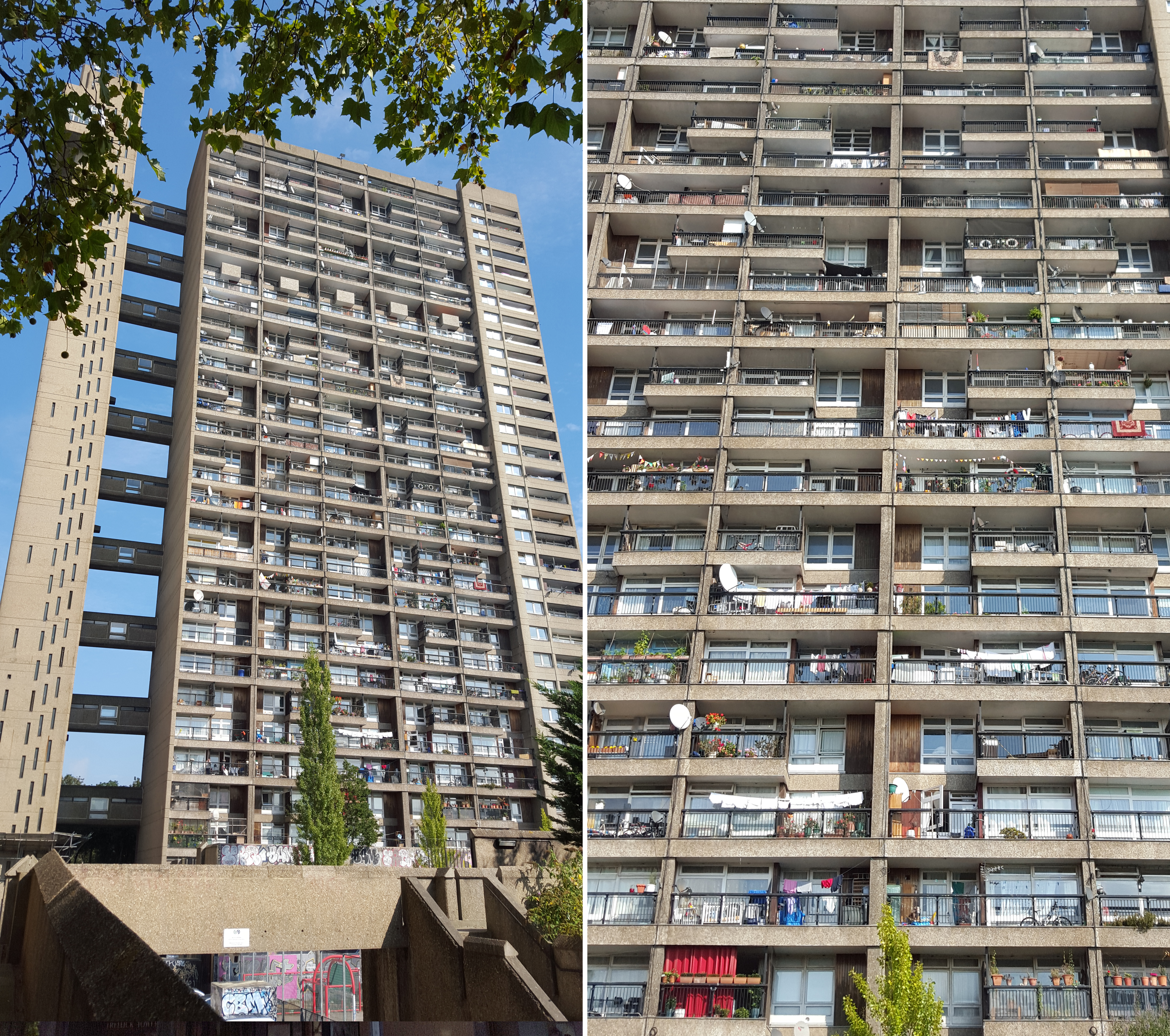
The tower, which is described as iconic by those who like it and an eyesore by those who don’t, consists of two blocks (one of 31 storeys and one of 7) and is entirely built of bush-hammered in-situ reinforced concrete. Whilst it was originally conceived as social housing, the tower has somehow become one of London’s most fashionable and desirable addresses in recent years with a significant proportion of the flats owned by private individuals.

trellik facade20150920_120207trellik exterior

Standing at the foot of the 31-storey tower, the building is impressive in an intimidating, monolithic sort of way.

trellik corridor20150920_114535trellik lobby

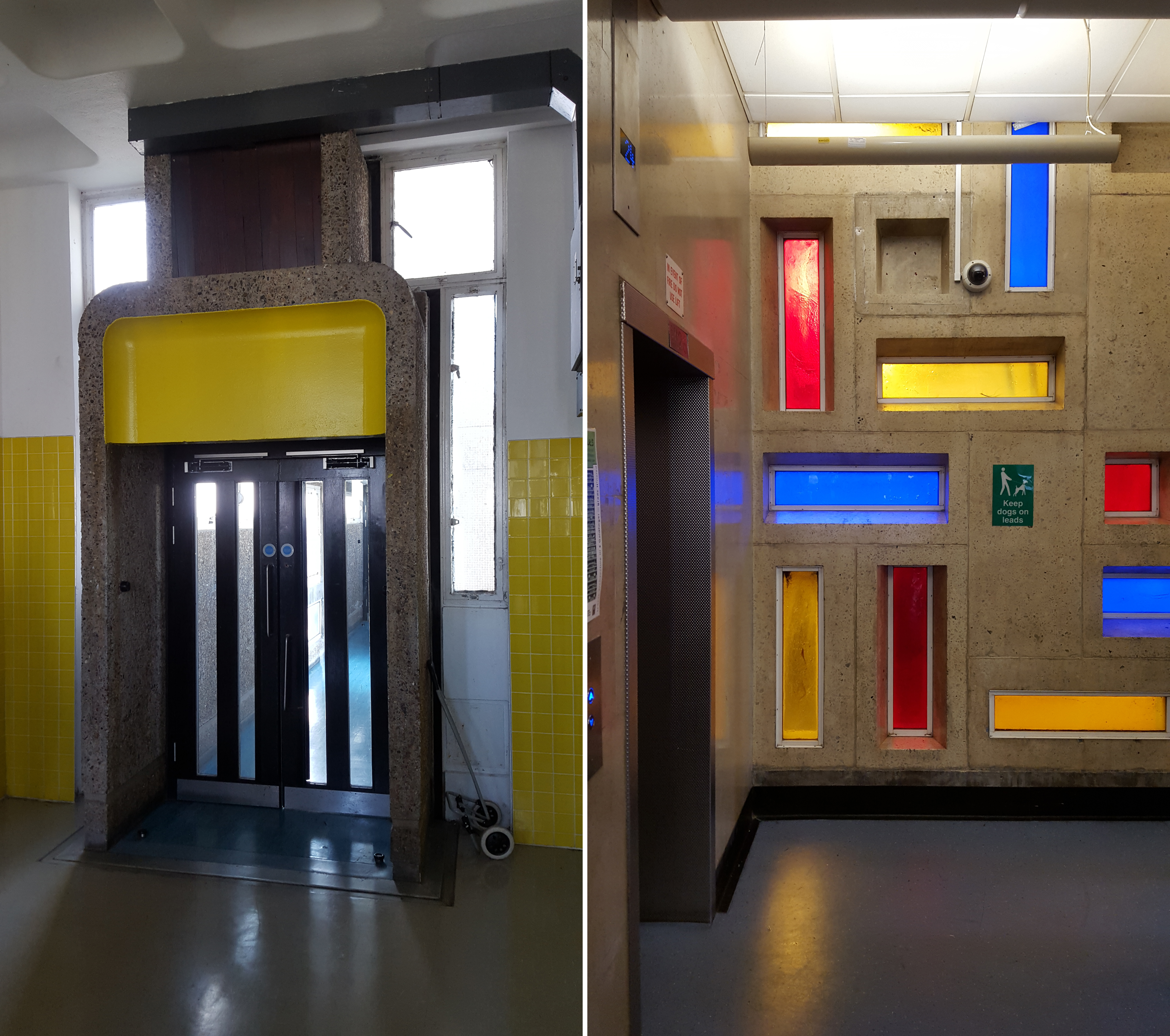
Once inside, however, it becomes apparent that the building is well kept and the original architecture, exposed concrete walls and colourful tiling have been extremely well preserved or sympathetically updated. The panoramic views from the landings and corridors on the higher floors are pretty spectacular.
trellik living room 2trellik living roomtrellik kitchen20150920_114326v2

Two types of flat were open to view as part of Open House: a one-bed and an enormous split-level three-bed. The one-bed was bright and reasonably spacious with floor-to-ceiling glazing in the living room opening out onto a balcony with an impressive view of the city below. The three-bed was naturally more impressive with generously proportioned rooms and a long balcony which spanned the length of the living room and the substantial kitchen-diner. The views of the Grand Union Canal snaking through the city from the bedrooms really were something else.
trellik stairs20150920_115200trellik living room copy20150920_114912trellik bedroom20150920_115522trellik kitchen blacony

I haven’t seen a flat come up for sale in the tower recently but I reckon the one-bed is worth around £500,000 and the three-bed close to a £1million.

Priory Green Estate, Kings Cross NW3

Priory Green Estate, Kings Cross NW3
Lubetkin-designed concrete social housing with ‘Conservation Area’ status
Architect: Tecton & Lubetkin
Year built: 1957

At first glance, this centrally located housing estate doesn’t appear to be anything out of the ordinary. However, upon closer inspection, the fact it was designed by Lubetkin (the architect responsible for the spectacularly luxurious High Point in Highgate) becomes apparent.

20150919_142744

IMG_3993
IMG_3875
Small details, such as the putty-coloured square tiling covering sections of the facade, the tapered, almost sculptural stairways, white columns dotted here and there, the elegant grey and dark red colour scheme and even the typeface used for the door numbers all typify Lubetkin’s modernist style. The layout of the blocks make perfect sense: communal walkways on one side of the building, private balconies on the other, meaning that all flats are dual aspect.

IMG_3990

IMG_3888
IMG_3988
IMG_3882
The flats weren’t open to view but I understand that they’re all split level and have reasonable proportions as these photos from Modernist Estates suggest. The estate seems to be well maintained and quiet (it was, apparently, a hotbed of criminal activity for a time) but Lubetkin design features or not, the fact remains that it is a council estate in Kings Cross.

IMG_0948

IMG_0949
IMG_094720150919_143246

Dawson’s Heights, East Dulwich SE22

Dawson’s Heights, East Dulwich SE22
Example of 1960s modernist-style social housing with uninterrupted views of the London skyline
Architect: Kate Macintosh for Southwark Council Architects Department
Year Built: 1966-1972

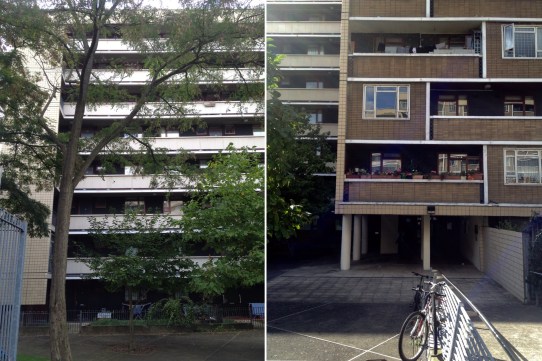
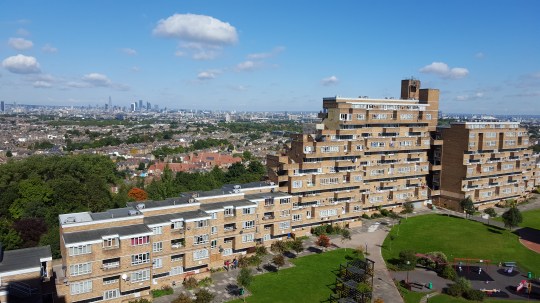
Split between two blocks consisting of nearly 300 flats, Dawson’s Heights was built on an extraordinary 13.8 acre hilltop site in East Dulwich in the late 1960s/early 1970s. Its striking stepped design, which features blocks of varying heights rising to 12 storeys at its central peak, takes advantage of its hilltop location by following the contours of the landscape.

20150919_121423
20150919_114900

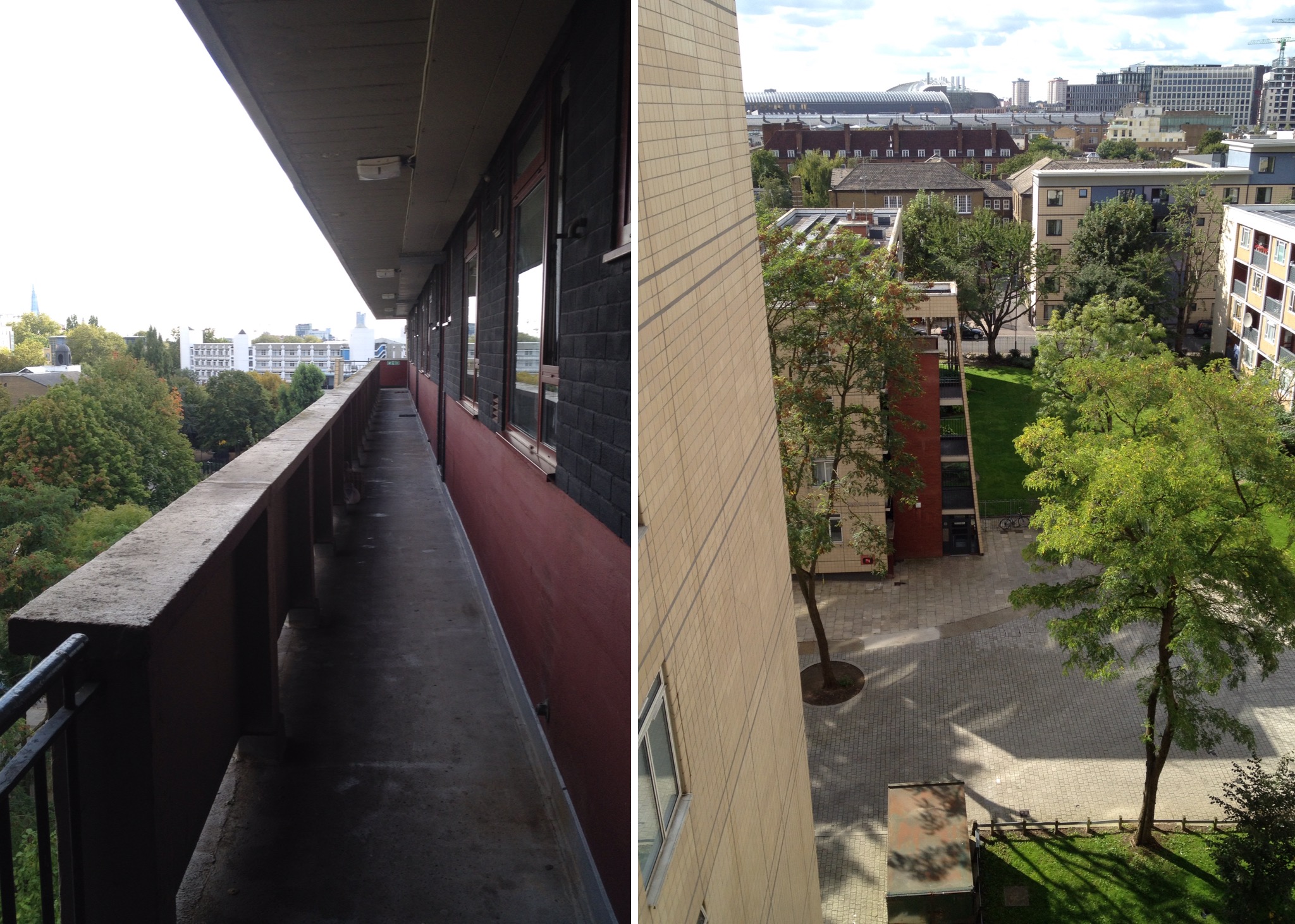
The architect Kate Macintosh, who was unbelievably only in her mid-twenties at the time, insisted on a number of design features to benefit the council tenants of the day: each flat was to have at least one balcony and views in both directions and to the north, towards central London. Outside walkways were to resemble “streets in the sky”, allowing for efficient circulation and recreating traditional street patterns. The external facade was to have a warm brick texture to reduce the building’s monolithic appearance (you can only imagine what it would look like if it was all made out of sludge-coloured concrete).

20150919_123223dawsons 3

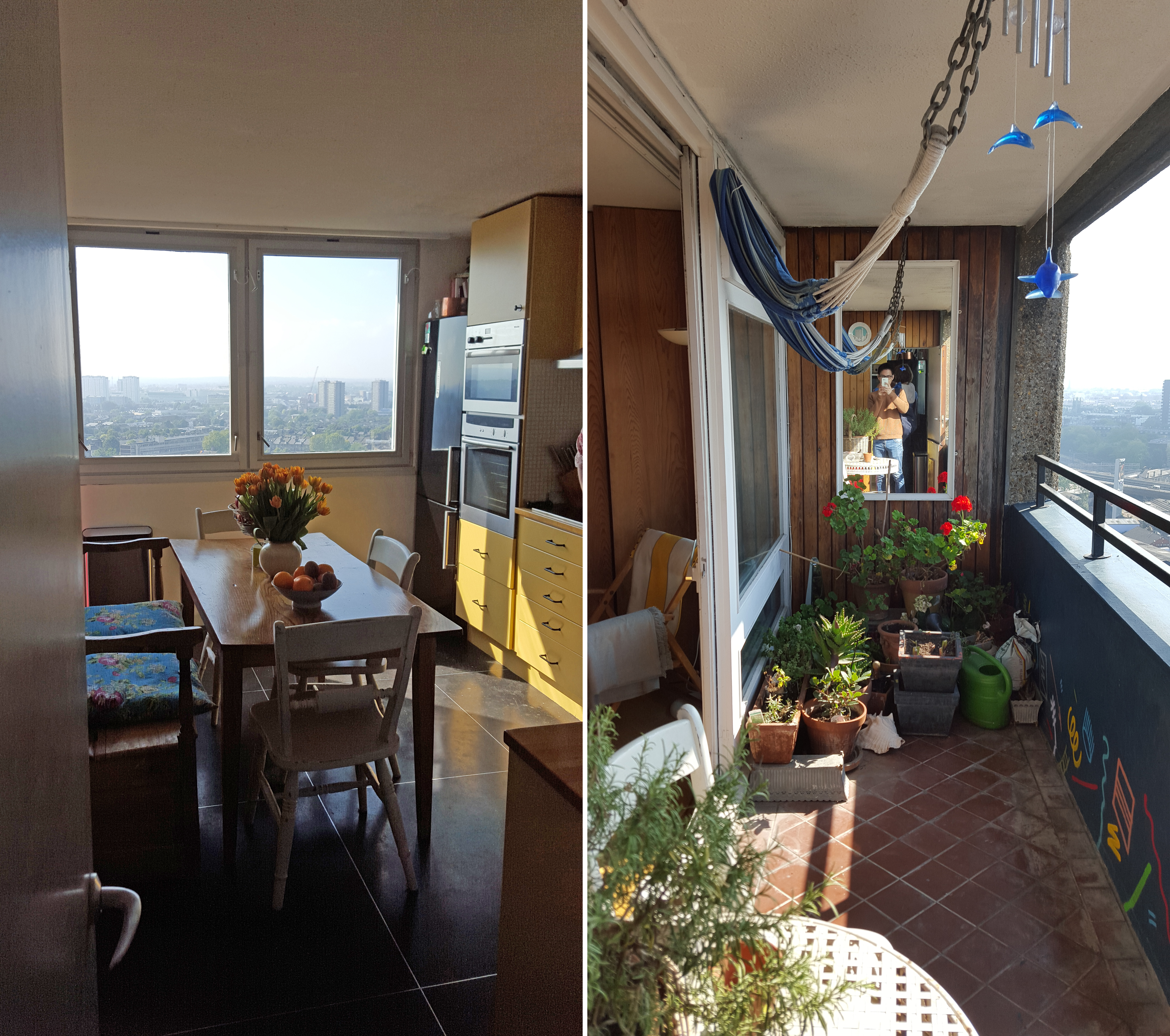
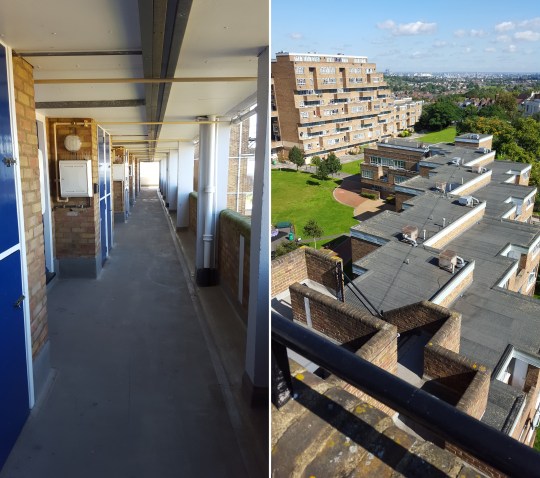
Visiting it today, it is clear that these thoughtful planning and design decisions have paid off in part: the estate, with its chunky bands of balconies and access galleries and multiple layers, is a striking piece of architecture, the external walkways are generously wide and have unexpectedly spectacular panoramic views and there’s also a feeling of brightness and openness, rather than oppressiveness which is unfortunately common for an estate of this scale.

20150919_120046dawsons 2

Unfortunately, the interiors of the development are not quite as striking as the exterior. The communal lobbies are a bit characterless and the flats, although generous in size, aren’t as radical as the exteriors. The most noteworthy feature is the sheer number of mini staircases in each flat leading from one room to the next: whilst the building is twelve storeys high at its peak, there are only four accessible floors from the lift lobby because each flat (including the one-beds) is split over at least three floors.

dawsons 820150919_121703dawsons 9

The flat that was open to view had a living room on the top level, kitchen, bathroom and a bedroom on the middle level and two further bedrooms on the bottom level. The rooms weren’t massive in size but the flat did feel bright and airy thanks to its placement and multiple balconies.

Although Dawson’s Heights is not grade listed, it is not currently under serious threat of “regeneration” as it is seen as a well-maintained, successful social housing estate thanks in large part to the architecture.

20150919_120859

The Cedars, Teddington TW11

The Cedars (Span House), Teddington TW11
Example of a T2 house by Span Developments famous for forward-looking housing of the ’50s
Architect: Eric Lyons
Year Built: 1958 (Extension 2011)

The Cedars is a small Span estate consisting of around two dozen two-storey houses situated in the leafy Greater London suburb of Teddington. Walking onto the estate, it’s very similar in look and feel to the Parkleys development that I visited in Ham last year, with all of that distinctive tile hanging (grey this time, rather than terracotta) and lushly planted foliage.

20150919_092514cedars 420150919_092612

The house open to the public as part of Open House had been recently (and sympathetically) refurbished with a ‘Mondrian’-style primary colour scheme (basically everything – including the furniture – was either red, blue or yellow) together with a number of sustainable features including solar PV cells, solar heating of water and a wood burning stove.

cedars 220150919_100837cedars 3

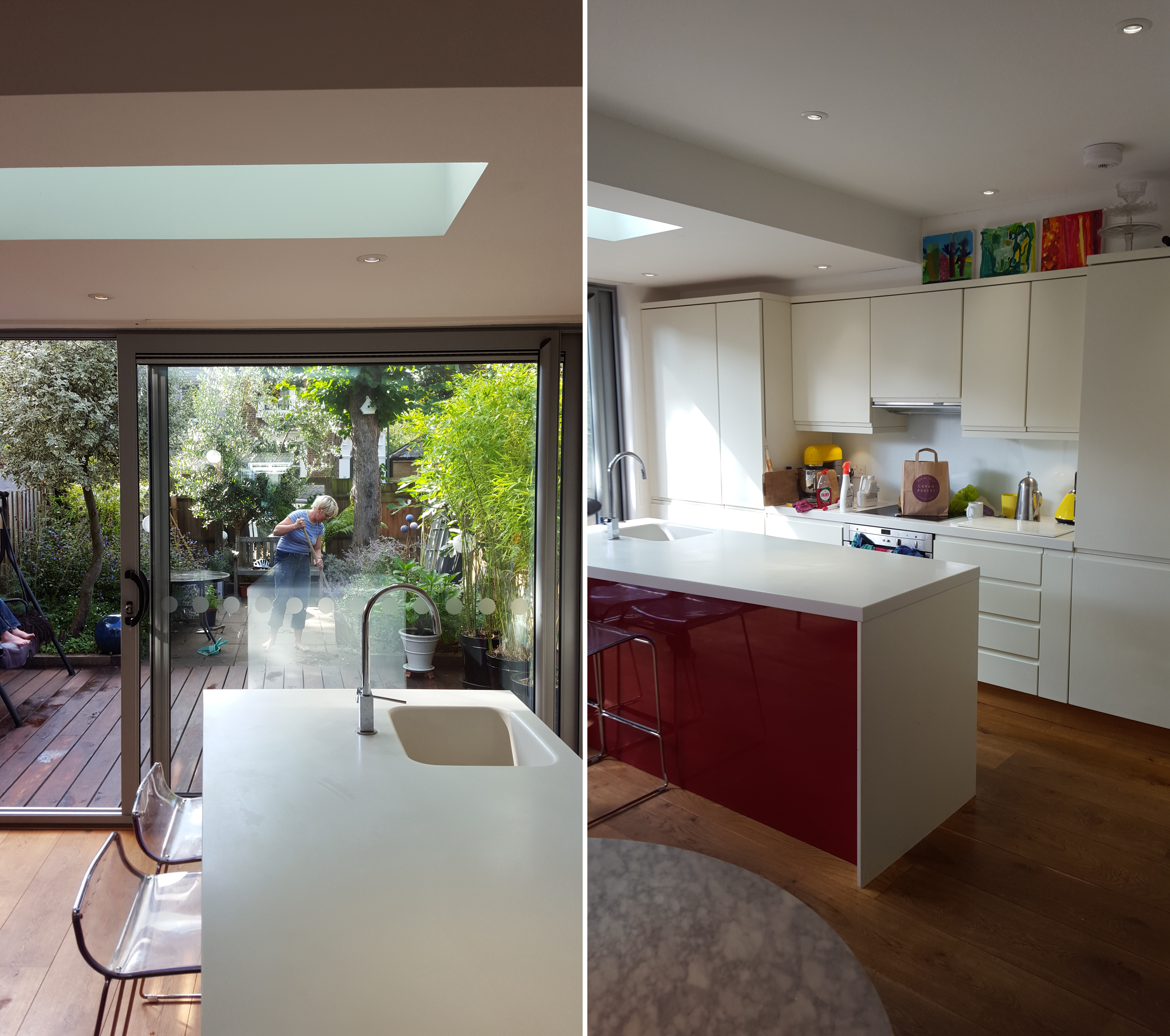
The owners had extended the house to the rear, which gave the property a more modern look and feel (reminiscent of something out of Grand Designs) than the original floor plan would have allowed. The open plan living room and kitchen, which spanned the whole of the ground floor, opened out onto a small but attractive decked garden.
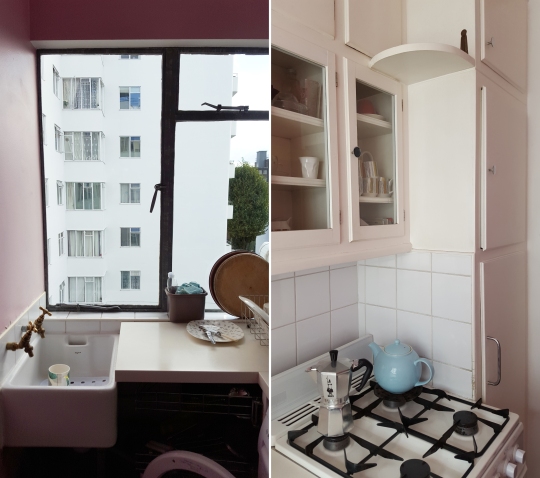
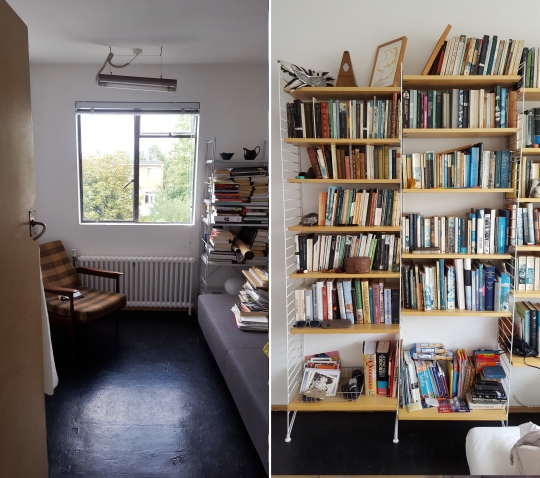
20150919_100701cedars 1

The bedrooms upstairs were small but brightly lit thanks to the enormous Span-style windows and the bathroom benefited from what appeared to be a double height ceiling – I couldn’t quite work out how this was possible from an architectural perspective.

Visiting this estate confirmed my love for Span estates.

London sample sales summer 2015

SCP Warehouse Sale

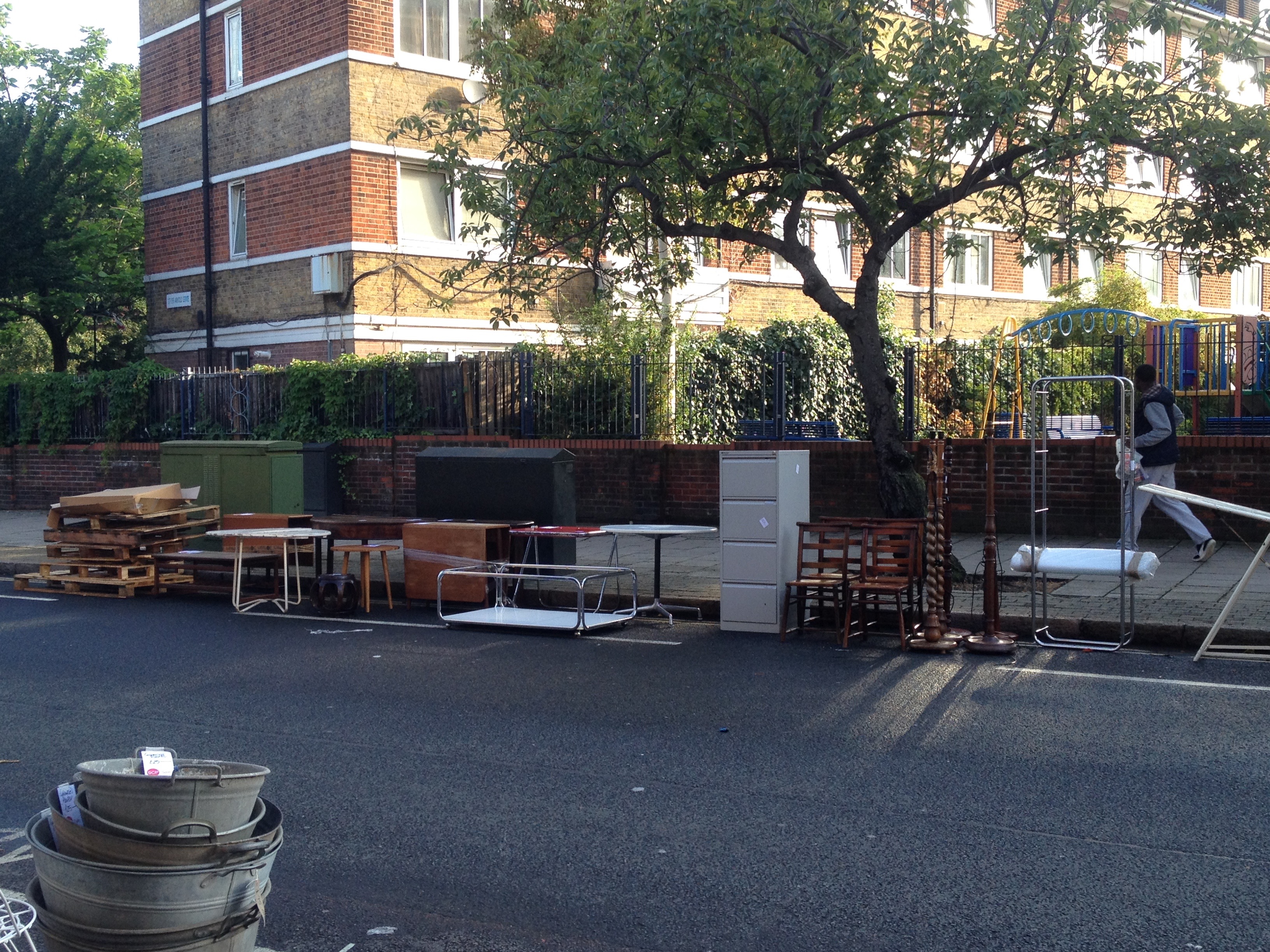
This was far less frenetic than last year’s scrum but the decreased level of interest was perhaps down to the slightly inferior quality of goods on offer. There were fewer “big name” items than last year and a lot of the furniture appeared to consist of rusty vintage junk that SCP had used as accessory props in a recent tradeshow. There were some treasures to be extracted from the junk pile, however: I managed to scout out a large Componibili unit (I’ve always wanted one), some pendant lighting (for which I probably won’t find any use), a String sliding cabinet unit in birch (the collection of random String items in my cupboard is slowly coming together!) and a nice metal and wood clothes hook.

SCPIMG_3263

Vitra Flash Sale

Vitra sample sales used to be the stuff of legend. Great items coupled with ridiculously low prices caused bargain hunters to take leave of their senses, camping outside the Clerkenwell showroom for days (and nights) in advance and then literally elbowing and punching one another to secure the best items when the doors finally did open. Perhaps as a direct response to this sort of behaviour, this year’s sample sale was a low-key, three day affair involving a meagre selection of items that had clearly failed to sell in the quantities that Vitra had envisaged (that ugly green plastic Vegetal chair was distinctly overrepresented). Prices were not sufficiently enticing for me to buy anything.

IMG_3386IMG_3391 (1)vitra2

TwentyTwentyOne Warehouse Sale

The venue and setup of this warehouse sale, consisting of a spacious warehouse space and small stalls in the courtyard outside, made for a far more civilised shopping experience than the SCP Warehouse Sale. There was a great mixture of furniture, lighting and nice-but-pointless design accessories for sale.  Discounts were decent, causing me to dash around like a greed-crazed monster, sweeping up everything and anything that I liked into the wicker baskets provided.  Much to my embarrassment, this behaviour (coupled with the fact I was the first in the queue), did not go unnoticed by the organisers.
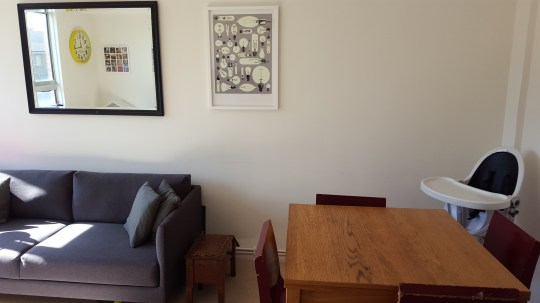
2021IMG_3516IMG_3521 copy

Final Haul

I realise that ornamental wooden birds are somewhat overrepresented in the selection of items below.

sample sale

  1. Crosscut coat hooks, Faudet-Harrison for SCP
  2. Large Componibili stackable drawer unit, Artek at SCP
  3. Rotary tray, Vitra at TwentyTwentyOne
  4. String side panel, String at TwentyTwentyOne
  5. Peg board, Block for TwentyTwentyOne
  6. Flowing Rhythm mobile, Flensted at TwentyTwentyOne
  7. L’Oiseau wooden bird, Aram
  8. Eames House Bird, Eames at TwentyTwentyOne
  9. Lunar bathroom range, Lunar Authentics range at TwentyTwentyOne
  10. String sliding cabinet unit, String at SCP
  11. Rhinoceros eraser, Kikkerland Design for TwentyTwentyOne
  12. Wooden birds, Jacob Pugh at TwentyTwentyOne

Langham House Close furniture

Whilst the flat in Langham House Close wasn’t quite the right fit for me, I was quite taken by its futuristic-looking mid century modern style.

I was determined not to use the expression “get the look” but this is effectively the purpose of this blog entry:

LHC

  1. TEJN faux sheepskin rug, IKEA 
  2. Sisal flooring, buy something similar at urbaneliving.co.uk
  3. Arne Jacobsen Grand Prix chair, Skandium
  4. Vitsoe 606 Universal Shelving System, Vitsoe
  5. Earl Saarinen Tulip round dining table, TwentyTwentyOne
  6. Artek 900 Tea Trolley, Pink Apple Designs
  7. Eames Modernica rocker, SCP
  8. Arne Jacobsen floor lamp, Skandium
  9. 101 Moov sofa, TwentyTwentyOne